
 中文
 English
 한국어
 日本語
 Español
 Français
 Русский
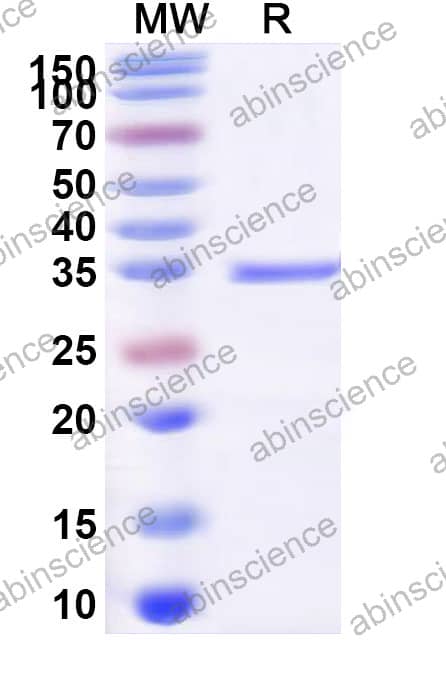

| カタログ番号 | MX905014 | ||||||||
|---|---|---|---|---|---|---|---|---|---|
| 説明 |
Anti-Mouse SLC16A1/MCT1 Polyclonal Antibody (MX905014) is a rabbit polyclonal antibody detecting Slc16a1 in ELISA, IHC, WB. Suitable for Mouse.
Highlights
|
||||||||
| 種反応性 | Mouse, Rat | ||||||||
| アプリケーション | ELISA, IHC, WB | ||||||||
| 宿主種 | Rabbit | ||||||||
| クローン性 | Polyclonal | ||||||||
| アイソタイプ | IgG | ||||||||
| 免疫原 | E. coli - derived recombinant Mouse SLC16A1/MCT1 (Met195-Arg254). | ||||||||
| ターゲット | Monocarboxylate transporter 1, MCT 1, Solute carrier family 16 member 1, Slc16a1, Mct1 | ||||||||
| 精製 | Purified by antigen affinity column. | ||||||||
| アクセッション番号 | P53986 | ||||||||
| 形態 | Liquid | ||||||||
| 保存バッファー | 0.01M PBS, pH 7.4, 50% Glycerol, 0.05% Proclin 300. データシートのハードコピーまたはロット固有のCOAに記載された具体的なバッファー情報を参照してください。 |
||||||||
| 製品使用情報 |
| ||||||||
| 安定性と保存 | Use a manual defrost freezer and avoid repeated freeze thaw cycles. Store at 2 to 8°C for frequent use. Store at -20 to -80°C for twelve months from the date of receipt. | ||||||||
| 背景 | Monocarboxylate transporter 1 (SLC16A1/MCT1) is a ~53 kDa protein. Bidirectional proton-coupled monocarboxylate transporter. Catalyzes the rapid transport across the plasma membrane of many monocarboxylates such as lactate, pyruvate, acetate and the ketone bodies acetoacetate and beta-hydroxybutyrate, and thus contributes to the maintenance of intracellular pH. The transport direction is determined by the proton motive force and the concentration gradient of the substrate monocarboxylate. MCT1 is a major lactate exporter. Plays a role in cellular responses to a high-fat diet by modulating the cellular levels of lactate and pyruvate that contribute to the regulation of central metabolic pathways and insulin secretion, with concomitant effects on plasma insulin levels and blood glucose homeostasis. 1. Pullen, TJ. et al. (2012) Diabetes 61, 1719-25. PMID: 22522610 2. Lengacher, S. et al. (2013) PloS one 8, e82505. PMID: 24367518 3. Reddy, A. et al. (2020) Cell 183, 62-75.e17. PMID: 32946811 | ||||||||
| 注意事項 | For research use only. |
お問い合わせ
+86-027-65523339
中国武漢市深敦寺路666号C棟、武漢、430206


