
Please ensure Javascript is enabled for purposes of website accessibility

제품별 브라우징

추천 콘텐츠

박테리아 및 바이러스 관련 제품
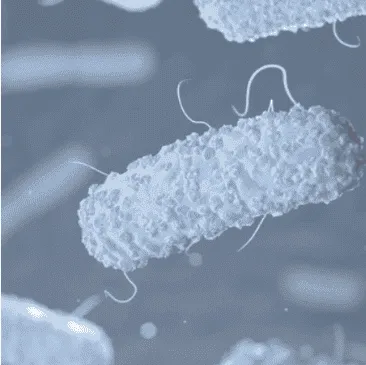
abinScience는 모노키복스, 에볼라 및 기타 신흥 병원체를 포함한 바이러스, 슈퍼박테리아 및 기생충 연구를 위한 고품질 도구를 제공하며, 진단, 백신 개발 및 치료법 발견을 지원합니다.
신경과학
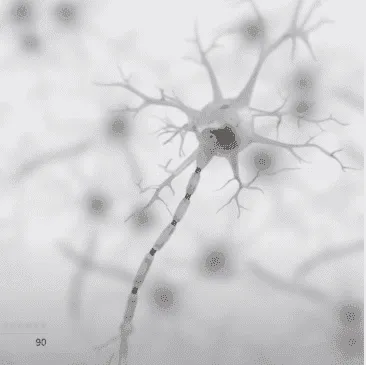
abinScience는 알츠하이머병, 파킨슨병 및 헌팅턴병 연구를 위한 도구를 제공하며, 신경과학 분야의 바이오마커, 진단 및 치료법 개발을 지원합니다.
치료 표적
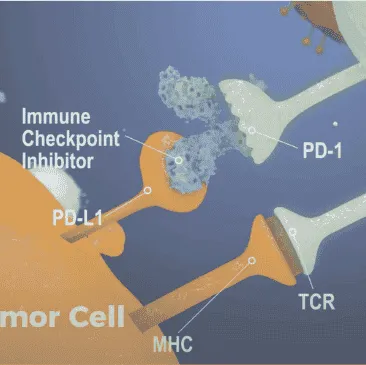
abinScience는 CD3E, CTLA4, PD1, PDL1, B7-H3, CEA, CD200R1, SIRPA 및 CCR8을 포함한 치료 표적 연구용 도구를 제공하며, 바이오마커, 진단 및 치료법 개발을 지원합니다.
DNA/RNA 연구용 항체
abinScience는 항dsRNA 항체(J2, K1, K2)를 제공하며, 이는 바이러스학, 면역학 및 RNA 연구 분야에서 뛰어난 특이성과 감도로 널리 인식되어 과학자들이 RNA 세계를 탐구하는 데 힘을 줍니다.
생물독소 항체
보툴리눔, 리신, 파상풍 및 기타 독소에 대한 신뢰할 수 있는 항체를 제공하며, 감도 높은 검출 및 독소 연구를支援합니다.
자가면역 질환
TNF-α, IL-6, IFN-γ, PD-1 및 CTLA-4와 같은 주요 표적에 대한 고특이성 항체 및 ELISA 키트를 제공하며, 신뢰할 수 있는 사이토카인 검출 및 면역 조절 연구를支援합니다.
MHC 복합체
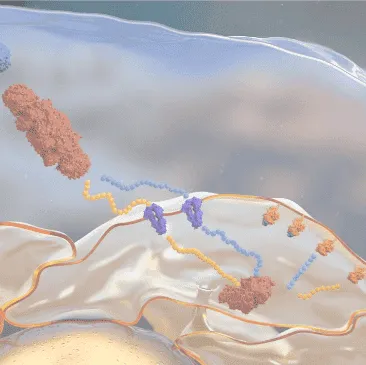
MHC 클래스 I 및 클래스 II 시약 — 면역학 및 이식 연구를 위한 HLA 단백질 및 항체. abinScience.
TACAs 항체
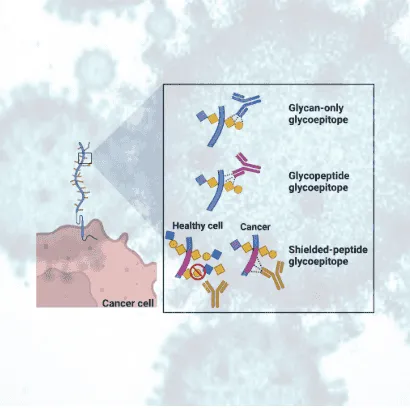
종양 관련 탄수화물 항원을 표적으로 하는 항체 — 암 면역학 및 당생물학 연구용. abinScience.
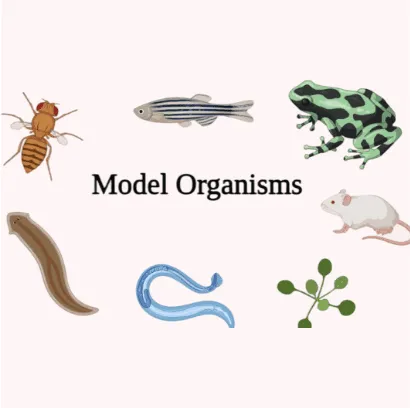
모델 생물
모델 생물(제브라피쉬, 개, 돼지, 조류, 아프리카발톱개구리, 식물 종)을 위한 종 특이적 항체 및 단백질. abinScience.

abinScience에 관하여

뉴스

  • Kent Meningococcal Outbreak 2026: Invasive MenB Disease Mechanisms and Vaccine Breakthroughs
    Latest update on the 2026 Kent, UK MenB meningitis outbreak (27 cases, 2 deaths). In-depth look at Neisseria meningitidis pathogenesis, intracellular escape, blood-brain barrier crossing, key antigens (FHbp, NHBA, NadA), and 2025–2026 pentavalent MenABCWY vaccine advances (PENBRAYA, PENMENVY).
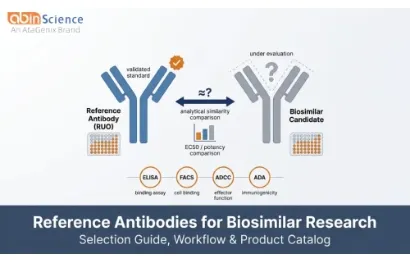
  • Biosimilars Enter a New Growth Phase: Biologics R&D Trends and Research Opportunities in 2026
    Biosimilars are entering a new deterministic growth cycle in 2026, fueled by the intensive patent expiration of global blockbuster biologics and the continuous improvement of worldwide regulatory systems. This article outlines core 2026 biologics R&D trends, identifies autoimmune diseases as the key R&D track, details four core immune regulatory pathways and blockbuster candidates expected to be approved in 2026, and elaborates the industrial, clinical and research value of biosimilar
  • 2025 Update on Systemic Lupus Erythematosus (SLE): Core Pathogenic Targets, Emerging Biologics, and CAR-T Therapy Advances
    This comprehensive review explores the latest insights into systemic lupus erythematosus (SLE) pathogenesis as of early 2026, focusing on key targets such as IFN-I signaling, BAFF/APRIL pathways, and CD19/CD20 on B cells. It highlights recent clinical advances, including expanded real-world efficacy of anifrolumab and telitacicept, promising results from CD19-targeted CAR-T therapies achieving deep remission in refractory cases, and emerging multi-target biologics. The article also recommends high-specificity research tools for mechanistic studies and drug development.
  • 2026–2027 Influenza Research Targets Updated: WHO Announces Recommended Vaccine Strains for the Northern Hemisphere
    WHO released the 2026–2027 northern hemisphere influenza vaccine composition, emphasizing updated strains for H1N1, H3N2, and B/Victoria lineages. The announcement highlights rapid viral evolution, zoonotic risks, and priority research directions including H9N2 preparedness, supporting global influenza research and vaccine development.
  • Unpacking House Dust Mite Pathogenic Mechanisms: From Allergen Proteins to Immunotherapeutic Advances
    House Dust Mite Allergy (HDMA), a prevalent IgE-mediated Type I hypersensitivity, is primarily triggered by allergens from Dermatophagoides pteronyssinus (Der p) and Dermatophagoides farinae (Der f). This review comprehensively explores the ecological and biological characteristics of dust mites, the pathogenic mechanisms involving epithelial barrier disruption and Th2-skewed immune responses driven by key allergens (e.g., Der p 1, Der p 2, Der p 23), and the impacts of climate change on allergy prevalence. It also summarizes cutting-edge progress in allergen-specific immunotherapy (AIT) and highlights critical research targets for diagnosis and treatment. Additionally, the review showcases abinScience’s high-quality recombinant proteins and antibody tools tailored for HDMA research, providing essential resources for mechanistic studies and therapeutic development.
  • A Comprehensive Guide to Idiopathic Inflammatory Myopathies (IIM) | Review of Classification, Immune Mechanisms, and Therapeutic Frontiers
    Idiopathic Inflammatory Myopathies (IIM) are a group of autoimmune disorders characterized by chronic myositis and multi-system involvement. This article systematically reviews the modern classification of IIM, subtype-specific immune mechanisms, key autoantibodies and their clinical significance, discusses core signaling pathways and therapeutic targets, and concludes with prospects for personalized treatment based on molecular subtyping and future research directions.
  • 2026 Nipah Virus Outbreak Update: Pathogenic Mechanisms, Research Advances, and Comprehensive Review of abinScience Tools
    A new Nipah virus (NiV) outbreak hit West Bengal, India, in January 2026, with 5 confirmed cases (including healthcare workers) confirming nosocomial transmission and triggering global alerts. NiV, a Henipavirus with 40%-75% mortality and 4-45-day incubation, invades via G protein-Ephrin-B2/B3 binding and escapes immunity through P protein, causing severe encephalitis and respiratory distress.
  • Marburg Virus 2026: Outbreak Updates, Virulence Mechanisms & Research Toolkit
    Marburg virus disease is a high-consequence viral hemorrhagic fever with outbreak potential. This article reviews the 2025 Ethiopia outbreak context and highlights 2026 research priorities across four core modules: entry/antigenicity (GP), immune evasion (VP35/VP24), assembly/budding (VP40), and diagnostics (NP). We link these targets to common workflows including pseudovirus neutralization, interferon signaling assays, virus-like particle platforms, and serology development. A curated set of abinScience recombinant proteins and antibodies is provided to support fast project start-up, assay standardization, and reproducible Marburg research.
  • Candida auris (Candidozyma auris) 2026: Pathogenesis, Targets, Cell Wall Biology, and Virulence Factors
    Candida auris is a high-priority multidrug-resistant yeast that has become operationally difficult to control in healthcare settings due to persistent skin colonization, environmental persistence (including dry-surface biofilm growth), and diagnostic pitfalls. U.S. provisional weekly tables from the National Notifiable Diseases Surveillance System (NNDSS) indicate 7,046 cumulative clinical cases for 2025 as of Week 51 (week ending Dec 20, 2025).
  • 2025 Update on Hashimoto's Thyroiditis: Multidimensional Mechanisms, Key Targets, and Emerging Therapeutic Strategies
    This 2025 review provides a comprehensive analysis of the latest pathogenic mechanisms in Hashimoto's thyroiditis (HT), focusing on three key dimensions: immune cells and cytokines, spatial transcriptomics of the thyroid microenvironment, and metabolic/epigenetic regulation. It highlights critical targets including TPO, TG, CTLA4, SIRT1, NLRP3, FOXP3, and PTPN22, along with recent advances in interventions such as selenium, vitamin D, and probiotics. abinScience offers a complete toolkit of recombinant proteins, research-grade antibodies, flow cytometry antibodies, and nanobodies to support mechanism validation and drug screening for HT research.
  • 2025 Multiple Sclerosis Review: Mechanism Insights & Essential Research Toolkit
    Multiple sclerosis (MS) 2025 review: S1P, BTK, CD20, NF-κB and EBV mechanisms, key clinical trial data, biomarkers (NfL, GFAP), plus abinScience 126-item MS research toolkit (RUO).
  • Review of Colorectal Cancer Research Hotspots: From Gene Mutations to Therapeutic Insights
    This review summarizes key research hotspots in colorectal cancer, focusing on critical signaling pathways (Wnt/β-catenin, EGFR, PI3K/Akt/mTOR), driver gene mutations (APC, KRAS), and emerging therapeutic targets. It also discusses current investigations in targeted therapy, immune mechanisms, and early detection biomarkers.