Cellular energy metabolism is governed by a network of nutrient sensors, transcriptional regulators, and mitochondrial effectors that balance catabolic and anabolic processes in response to energy availability. AMPK senses low cellular ATP and activates catabolic pathways; PPARs transcriptionally control lipid oxidation and adipogenesis; SIRT1 and PGC-1α drive mitochondrial biogenesis; and UCP1 mediates non-shivering thermogenesis in brown and beige adipose tissue. These targets are central to research on obesity, type 2 diabetes, aging, exercise physiology, and the emerging field of brown fat activation therapeutics.
Research Use Only (RUO)Not intended for diagnostic or therapeutic procedures.
abinScience provides validated antibodies and recombinant proteins for key energy metabolism regulators — nutrient-sensing kinases, nuclear receptors, transcriptional coactivators, and mitochondrial effectors. All products are manufactured by our parent company AtaGenix Laboratories under ISO quality systems. Browse products below or contact us for custom development.
AMPK (AMP-Activated Protein Kinase / PRKAA1/2) — The master cellular energy sensor, activated by rising AMP/ATP ratios during metabolic stress, exercise, and caloric restriction. AMPK activates catabolic pathways (fatty acid oxidation, autophagy, glucose uptake) while shutting down anabolic processes (lipogenesis, protein synthesis, gluconeogenesis). AMPK also inhibits mTORC1 and activates ULK1-dependent autophagy. Metformin, the most widely prescribed diabetes drug, acts in part through AMPK activation. AMPK phosphorylation at Thr172 is the standard readout for pathway activation.
→ Browse AMPK antibodies & proteins
SIRT1 (Sirtuin 1 / NAD-Dependent Deacetylase) — An NAD+-dependent protein deacetylase that links cellular metabolic status to gene expression. SIRT1 deacetylates PGC-1α, FOXO transcription factors, p53, and NF-κB, promoting mitochondrial biogenesis, stress resistance, and anti-inflammatory programs. SIRT1 activity declines with aging and overnutrition. Caloric restriction and NAD+ precursors (NMN, NR) activate SIRT1, making it a central target in longevity and metabolic aging research.
→ Browse SIRT1 antibodies & proteins
PPARs (Peroxisome Proliferator-Activated Receptors) — A nuclear receptor family with three isotypes that serve as lipid-sensing transcription factors. PPARα drives hepatic fatty acid oxidation and is the target of fibrate drugs (fenofibrate, bezafibrate). PPARγ is the master regulator of adipogenesis and insulin sensitization, targeted by thiazolidinediones (pioglitazone, rosiglitazone). PPARδ regulates fatty acid catabolism in skeletal muscle and is under investigation for exercise-mimetic and dyslipidemia applications. Recombinant PPAR ligand-binding domains support nuclear receptor binding assays and co-regulator interaction studies.
→ Browse PPAR antibodies & proteins
PGC-1α (PPARGC1A) — The master transcriptional coactivator of mitochondrial biogenesis and oxidative metabolism. PGC-1α is activated by AMPK phosphorylation and SIRT1 deacetylation, and co-activates nuclear receptors (PPARs, ERRs, NRFs) to drive expression of mitochondrial respiratory chain genes and fatty acid oxidation enzymes. PGC-1α is induced by exercise and cold exposure, and its expression is reduced in type 2 diabetes, heart failure, and neurodegenerative disease.
→ Browse PGC-1α antibodies & proteins
UCP1 (Uncoupling Protein 1 / Thermogenin) — The defining marker of brown and beige adipocytes. UCP1 dissipates the mitochondrial proton gradient to generate heat instead of ATP, mediating non-shivering thermogenesis. Activating brown/beige fat UCP1 expression is a therapeutic strategy for obesity and metabolic disease by increasing energy expenditure. Anti-UCP1 antibodies are the standard tool for identifying and quantifying brown/beige adipocytes by IHC and Western blot in adipose tissue browning studies.
→ Browse UCP1 antibodies & proteins
1. Herzig S, Shaw RJ. AMPK: guardian of metabolism and mitochondrial homeostasis. Nat Rev Mol Cell Biol. 2018;19(2):121-135. DOI
2. Houtkooper RH, et al. Sirtuins as regulators of metabolism and healthspan. Nat Rev Mol Cell Biol. 2012;13(4):225-238. DOI
3. Ahmadian M, et al. PPARγ signaling and metabolism: the good, the bad and the future. Nat Med. 2013;19(5):557-566. DOI
4. Kajimura S, et al. Brown and beige fat: physiological roles beyond heat generation. Cell Metab. 2015;22(4):546-559. DOI

E. coli
P37231
Met31-Tyr505
ELISA, Immunogen, SDS-PAGE, WB, Bioactivity testing in progress
Homo sapiens (Human)

E. coli
Q96EB6
Ile194-Ser747
ELISA, Immunogen, SDS-PAGE, WB, Bioactivity testing in progress
Homo sapiens (Human)

E. coli
Q07869
Pro61-Ala170
ELISA, Immunogen, SDS-PAGE, WB, Bioactivity testing in progress
Homo sapiens (Human)

E. coli
P37231
Asp230-Tyr505
ELISA, Immunogen, SDS-PAGE, WB, Bioactivity testing in progress
Homo sapiens (Human)

E. coli
Q03181
Cys77-Tyr441
ELISA, Immunogen, SDS-PAGE, WB, Bioactivity testing in progress
Homo sapiens (Human)
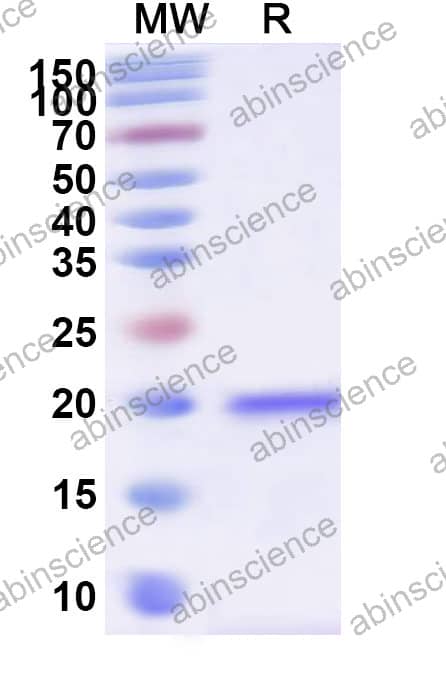
E. coli
Q86YN6
Ser886-His1023
ELISA, Immunogen, SDS-PAGE, WB, Bioactivity testing in progress
Homo sapiens (Human)

E. coli
P37231
Asp238-Asp503
ELISA, Immunogen, SDS-PAGE, WB, Bioactivity testing in progress
Homo sapiens (Human)

E. coli
Q07869
Ala201-Tyr468
ELISA, Immunogen, SDS-PAGE, WB, Bioactivity testing in progress
Homo sapiens (Human)

E. coli
Q9UBK2
Ser636-Arg798
ELISA, Immunogen, SDS-PAGE, WB, Bioactivity testing in progress
Homo sapiens (Human)

E. coli
Q13131
Met10-Gln559
ELISA, Immunogen, SDS-PAGE, WB, Bioactivity testing in progress
Homo sapiens (Human)
+86-027-65523339
중국 우한시 심둔사로 666번지 C동, 우한, 430206


 中文
中文 English
 한국어
한국어 日本語
日本語 Español
 Français
 Русский