
Please ensure Javascript is enabled for purposes of website accessibility

製品で参照

注目コンテンツ

細菌・ウイルス関連製品
abinScienceは、モンキーポックス、エボラウイルス、その他新興病原体を含むウイルス、スーパーバクテリア、寄生虫の研究用ハイクオリティツールを提供し、診断、ワクチン開発、治療法の発見を支援します。
神経科学
abinScienceは、アルツハイマー病、パーキンソン病、ハンチントン病の研究用ツールを提供し、神経科学分野におけるバイオマーカー、診断、治療法の開発を支援します。
治療標的
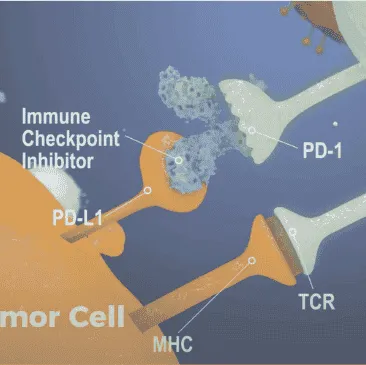
abinScienceは、CD3E、CTLA4、PD1、PDL1、B7-H3、CEA、CD200R1、SIRPA、CCR8を含む治療標的研究用ツールを提供し、バイオマーカー、診断、治療法開発を支援します。
DNA/RNA研究用抗体
abinScienceは、抗dsRNA抗体(J2、K1、K2)を提供し、これはウイルス学、免疫学、RNA研究分野で優れた特異性と感度で広く認知され、科学者がRNAの世界を探究するための力を与えます。
生物毒素抗体
ボツリヌス、リシン、破傷風その他の毒素に対する信頼性の高い抗体を提供し、高感度な検出及び毒素研究を支援します。
自己免疫疾患
TNF-α、IL-6、IFN-γ、PD-1、CTLA-4などの主要標的に対する高特異性抗体及びELISAキットを提供し、信頼性の高いサイトカイン検出及び免疫制御研究を支援します。
MHC複合体
MHCクラスIおよびクラスII試薬 — 免疫学および移植研究のためのHLAタンパク質と抗体。abinScience。
TACAs抗体
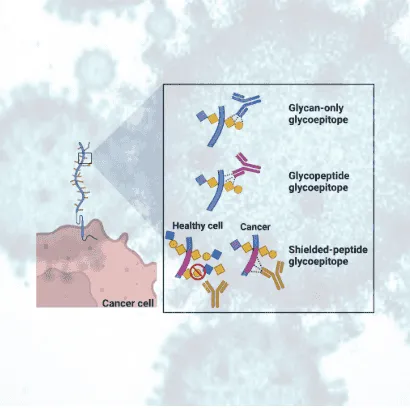
腫瘍関連糖鎖抗原を標的とする抗体 — がん免疫学および糖鎖生物学研究用。abinScience。
モデル生物
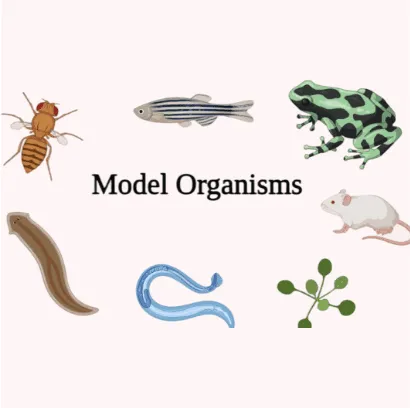
モデル生物(ゼブラフィッシュ、イヌ、ブタ、鳥類、アフリカツメガエル、植物種)向けの種特異的抗体およびタンパク質。abinScience。

abinScienceについて

ニュース

  • Kent Meningococcal Outbreak 2026: Invasive MenB Disease Mechanisms and Vaccine Breakthroughs
    Latest update on the 2026 Kent, UK MenB meningitis outbreak (27 cases, 2 deaths). In-depth look at Neisseria meningitidis pathogenesis, intracellular escape, blood-brain barrier crossing, key antigens (FHbp, NHBA, NadA), and 2025–2026 pentavalent MenABCWY vaccine advances (PENBRAYA, PENMENVY).
  • Biosimilars Enter a New Growth Phase: Biologics R&D Trends and Research Opportunities in 2026
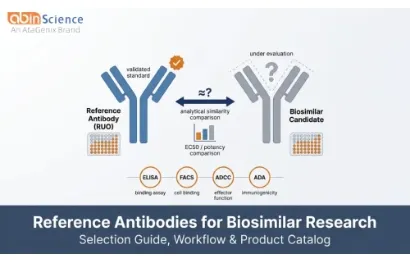
    Biosimilars are entering a new deterministic growth cycle in 2026, fueled by the intensive patent expiration of global blockbuster biologics and the continuous improvement of worldwide regulatory systems. This article outlines core 2026 biologics R&D trends, identifies autoimmune diseases as the key R&D track, details four core immune regulatory pathways and blockbuster candidates expected to be approved in 2026, and elaborates the industrial, clinical and research value of biosimilar
  • 2025 Update on Systemic Lupus Erythematosus (SLE): Core Pathogenic Targets, Emerging Biologics, and CAR-T Therapy Advances
    This comprehensive review explores the latest insights into systemic lupus erythematosus (SLE) pathogenesis as of early 2026, focusing on key targets such as IFN-I signaling, BAFF/APRIL pathways, and CD19/CD20 on B cells. It highlights recent clinical advances, including expanded real-world efficacy of anifrolumab and telitacicept, promising results from CD19-targeted CAR-T therapies achieving deep remission in refractory cases, and emerging multi-target biologics. The article also recommends high-specificity research tools for mechanistic studies and drug development.
  • 2026–2027 Influenza Research Targets Updated: WHO Announces Recommended Vaccine Strains for the Northern Hemisphere
    WHO released the 2026–2027 northern hemisphere influenza vaccine composition, emphasizing updated strains for H1N1, H3N2, and B/Victoria lineages. The announcement highlights rapid viral evolution, zoonotic risks, and priority research directions including H9N2 preparedness, supporting global influenza research and vaccine development.
  • Unpacking House Dust Mite Pathogenic Mechanisms: From Allergen Proteins to Immunotherapeutic Advances
    House Dust Mite Allergy (HDMA), a prevalent IgE-mediated Type I hypersensitivity, is primarily triggered by allergens from Dermatophagoides pteronyssinus (Der p) and Dermatophagoides farinae (Der f). This review comprehensively explores the ecological and biological characteristics of dust mites, the pathogenic mechanisms involving epithelial barrier disruption and Th2-skewed immune responses driven by key allergens (e.g., Der p 1, Der p 2, Der p 23), and the impacts of climate change on allergy prevalence. It also summarizes cutting-edge progress in allergen-specific immunotherapy (AIT) and highlights critical research targets for diagnosis and treatment. Additionally, the review showcases abinScience’s high-quality recombinant proteins and antibody tools tailored for HDMA research, providing essential resources for mechanistic studies and therapeutic development.
  • A Comprehensive Guide to Idiopathic Inflammatory Myopathies (IIM) | Review of Classification, Immune Mechanisms, and Therapeutic Frontiers
    Idiopathic Inflammatory Myopathies (IIM) are a group of autoimmune disorders characterized by chronic myositis and multi-system involvement. This article systematically reviews the modern classification of IIM, subtype-specific immune mechanisms, key autoantibodies and their clinical significance, discusses core signaling pathways and therapeutic targets, and concludes with prospects for personalized treatment based on molecular subtyping and future research directions.
  • 2026 Nipah Virus Outbreak Update: Pathogenic Mechanisms, Research Advances, and Comprehensive Review of abinScience Tools
    A new Nipah virus (NiV) outbreak hit West Bengal, India, in January 2026, with 5 confirmed cases (including healthcare workers) confirming nosocomial transmission and triggering global alerts. NiV, a Henipavirus with 40%-75% mortality and 4-45-day incubation, invades via G protein-Ephrin-B2/B3 binding and escapes immunity through P protein, causing severe encephalitis and respiratory distress.
  • Marburg Virus 2026: Outbreak Updates, Virulence Mechanisms & Research Toolkit
    Marburg virus disease is a high-consequence viral hemorrhagic fever with outbreak potential. This article reviews the 2025 Ethiopia outbreak context and highlights 2026 research priorities across four core modules: entry/antigenicity (GP), immune evasion (VP35/VP24), assembly/budding (VP40), and diagnostics (NP). We link these targets to common workflows including pseudovirus neutralization, interferon signaling assays, virus-like particle platforms, and serology development. A curated set of abinScience recombinant proteins and antibodies is provided to support fast project start-up, assay standardization, and reproducible Marburg research.
  • Candida auris (Candidozyma auris) 2026: Pathogenesis, Targets, Cell Wall Biology, and Virulence Factors
    Candida auris is a high-priority multidrug-resistant yeast that has become operationally difficult to control in healthcare settings due to persistent skin colonization, environmental persistence (including dry-surface biofilm growth), and diagnostic pitfalls. U.S. provisional weekly tables from the National Notifiable Diseases Surveillance System (NNDSS) indicate 7,046 cumulative clinical cases for 2025 as of Week 51 (week ending Dec 20, 2025).
  • 2025 Update on Hashimoto's Thyroiditis: Multidimensional Mechanisms, Key Targets, and Emerging Therapeutic Strategies
    This 2025 review provides a comprehensive analysis of the latest pathogenic mechanisms in Hashimoto's thyroiditis (HT), focusing on three key dimensions: immune cells and cytokines, spatial transcriptomics of the thyroid microenvironment, and metabolic/epigenetic regulation. It highlights critical targets including TPO, TG, CTLA4, SIRT1, NLRP3, FOXP3, and PTPN22, along with recent advances in interventions such as selenium, vitamin D, and probiotics. abinScience offers a complete toolkit of recombinant proteins, research-grade antibodies, flow cytometry antibodies, and nanobodies to support mechanism validation and drug screening for HT research.
  • 2025 Multiple Sclerosis Review: Mechanism Insights & Essential Research Toolkit
    Multiple sclerosis (MS) 2025 review: S1P, BTK, CD20, NF-κB and EBV mechanisms, key clinical trial data, biomarkers (NfL, GFAP), plus abinScience 126-item MS research toolkit (RUO).
  • Review of Colorectal Cancer Research Hotspots: From Gene Mutations to Therapeutic Insights
    This review summarizes key research hotspots in colorectal cancer, focusing on critical signaling pathways (Wnt/β-catenin, EGFR, PI3K/Akt/mTOR), driver gene mutations (APC, KRAS), and emerging therapeutic targets. It also discusses current investigations in targeted therapy, immune mechanisms, and early detection biomarkers.