Please ensure Javascript is enabled for purposes of website accessibility

Explorar por productos

Contenido destacado

Productos Relacionados con Bacterias y Virus
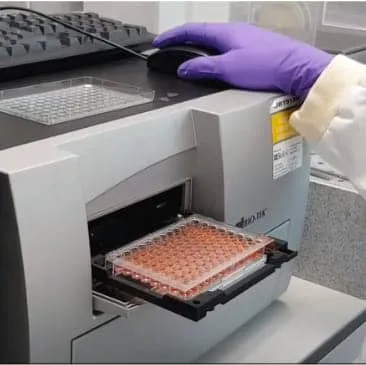
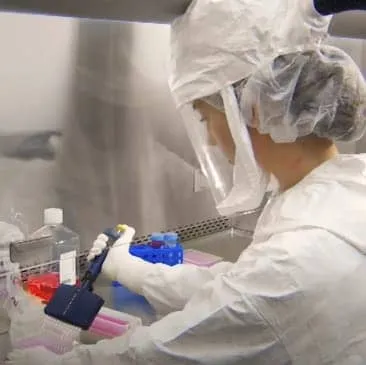
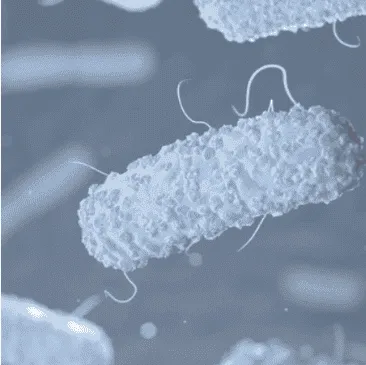
abinScience proporciona herramientas de alta calidad para estudiar virus, superbacterias y parásitos, incluyendo viruela del mono, Ébola y otros patógenos emergentes, respaldando el diagnóstico, el desarrollo de vacunas y el descubrimiento de terapias.
Neurociencia
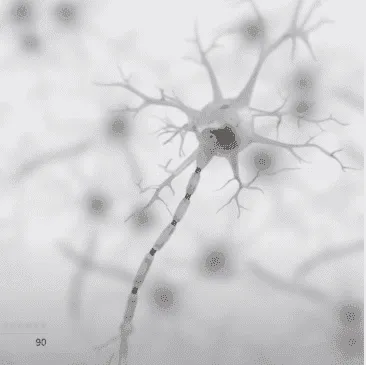
abinScience proporciona herramientas para estudiar la enfermedad de Alzheimer, Parkinson y Huntington, respaldando el desarrollo de biomarcadores, diagnóstico y terapias en neurociencia.
Objetivos Terapéuticos
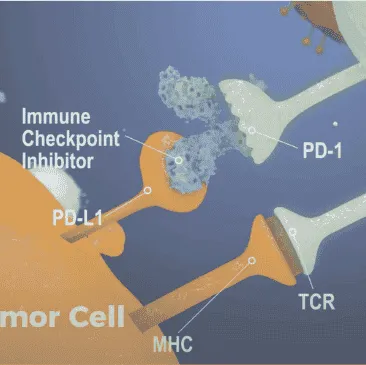
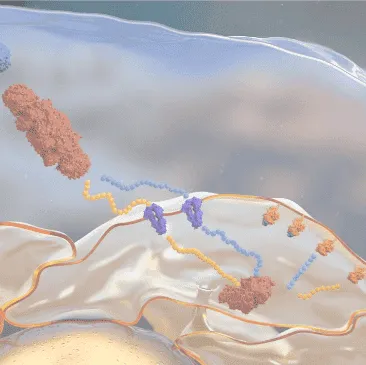
abinScience proporciona herramientas para estudiar objetivos terapéuticos, incluyendo CD3E, CTLA4, PD1, PDL1, B7-H3, CEA, CD200R1, SIRPA y CCR8, respaldando el desarrollo de biomarcadores, diagnóstico y terapias.
Anticuerpos para Investigación de DNA/RNA
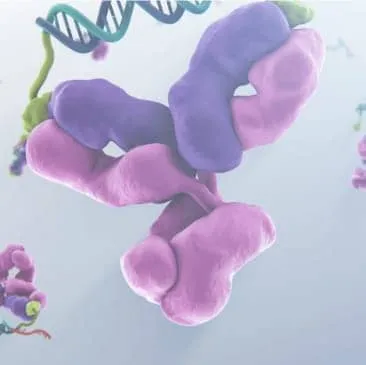
abinScience ofrece anticuerpos anti-dsRNA (J2, K1, K2), ampliamente reconocidos en virología, inmunología y investigación de RNA por su excepcional especificidad y sensibilidad, capacitando a los científicos para explorar el mundo del RNA.
Anticuerpos contra Biotoxinas
Anticuerpos confiables para botulismo, ricina, tétanos y otras toxinas, permitiendo la detección sensible y la investigación de toxinas.
Enfermedades Autoinmunes
Anticuerpos y kits ELISA de alta especificidad para objetivos clave como TNF-α, IL-6, IFN-γ, PD-1 y CTLA-4, permitiendo la detección confiable de citoquinas y la investigación de regulación inmunológica.
Complejo MHC
Reactivos de MHC clase I y clase II — proteínas HLA y anticuerpos para investigación en inmunología y trasplantes. abinScience.
Anticuerpos TACAs
Anticuerpos dirigidos a antígenos de carbohidratos asociados a tumores para inmunología del cáncer y glicobiología. abinScience.
Organismo Modelo
Anticuerpos y proteínas especie-específicos para organismos modelo: pez cebra, canino, porcino, aviar, Xenopus y especies vegetales. abinScience.

Acerca de abinScience

Noticias

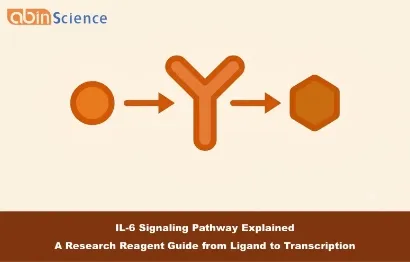
  • IL-6 Signaling Pathway Explained: A Research Reagent Guide from Ligand to Transcription
    The IL-6/IL-6R/gp130 axis is one of the most clinically validated cytokine pathways in inflammation research, targeted by a growing roster of approved and investigational biologics. This guide maps the pathway node by node — ligand, α-receptor, gp130 signal transducer, and downstream JAK/STAT3 signaling — and matches each step to available reagents, highlighting an InVivoMAb-grade in vivo neutralizing antibody and a reference antibody panel spanning Ziltivekimab, Sirukumab, Olokizumab, and Levilimab for biosimilar benchmarking.
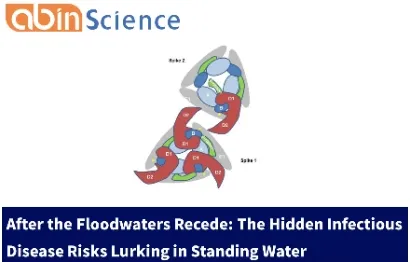
  • After the Floodwaters Recede: The Hidden Infectious Disease Risks Lurking in Standing Water
    Floodwaters bring more than immediate destruction — the period after they recede is often a high-risk window for infectious disease outbreaks, driven by prolonged water contact, sewage contamination, mosquito proliferation, and damaged sanitation infrastructure. This article takes a research-oriented look at five infectious diseases commonly associated with post-flood conditions: cholera, leptospirosis, malaria, Chikungunya fever, and Clostridioides difficile infection. It examines the core pathogenic mechanisms behind each disease — including cholera toxin–receptor binding, PfEMP1-mediated red blood cell adhesion in malaria, CHIKV E2 protein-driven cell entry, and TcdB toxin recognition of Frizzled receptors — while summarizing recent advances in antibody, vaccine, and therapeutic development, offering researchers a concise reference for post-disaster infectious disease research.
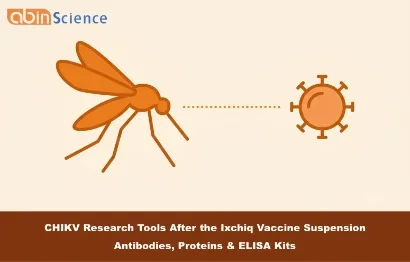
  • CHIKV Research Tools After the Ixchiq Vaccine Suspension: Antibodies, Proteins & ELISA Kits
    With the FDA's suspension of the first approved chikungunya vaccine following serious safety concerns, reliable serological and diagnostic tools have taken on renewed importance for CHIKV surveillance and research. This guide covers abinScience's newly added Human IgG ELISA Kit alongside existing E1/E2 glycoprotein antibodies and proteins, an InVivoMAb-grade neutralizing antibody, and non-structural protein reagents for teams studying viral replication and antiviral mechanisms.
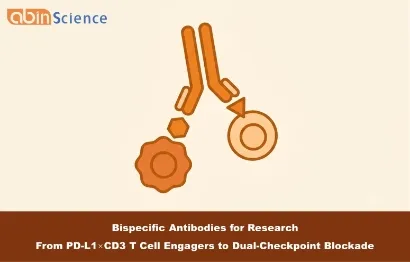
  • Bispecific Antibodies for Research: From PD-L1×CD3 T Cell Engagers to Dual-Checkpoint Blockade
    T cell engaging bispecific antibodies have moved from a niche engineering concept to a leading drug development strategy, and PD-L1×CD3 formats are extending this approach beyond hematologic targets into solid tumors. This guide introduces abinScience's newly added PD-L1×CD3 bispecific antibodies and surveys the broader 161-product bispecific catalog, including CD19/CD20×CD3 reference antibodies for approved T cell engagers and dual-checkpoint bispecifics (CTLA-4×PD-1, PD-1×VEGF) for combination blockade research.
  • Canine PD-L1 Antibody: A New Comparative Oncology Tool for Veterinary Cancer Research
    With the USDA's conditional licensure of the first anti-PD-1 antibody for canine mast cell tumors and melanoma, checkpoint blockade has moved from research concept to clinical reality in veterinary oncology. This guide introduces abinScience's newly added Anti-Canine PD-L1 antibody (clone 12C10E4) and surveys the broader 220-product canine checkpoint toolkit — including PD-1, CTLA-4, LAG-3, TIM-3, and HER2 reagents — supporting both spontaneous canine tumor models and comparative immuno-oncology research relevant to human therapeutic development.
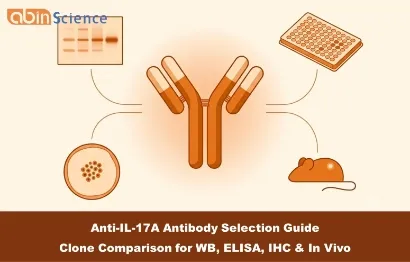
  • Anti-IL-17A Antibody Selection Guide: Clone Comparison for WB, ELISA, IHC & In Vivo
    Not every anti-IL-17A antibody works for every application—a polyclonal built for Western blot won't perform in vivo, and an InVivoMAb-grade clone isn't optimized for IHC. This guide breaks down IL-17A antibody selection by application, comparing polyclonal antibodies for WB/IHC/ELISA; directly conjugated monoclonals for flow cytometry; InVivoMAb vs. InVivo Plus grades for neutralization studies; and reference antibodies for biosimilar benchmarking—including the newly added Bimekizumab reference antibody and mouse IL-17A recombinant protein.
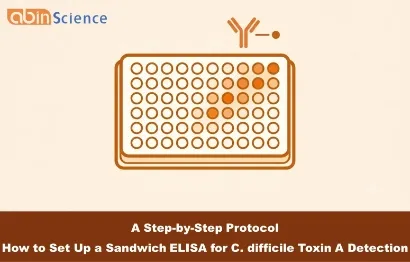
  • How to Set Up a Sandwich ELISA for C. difficile Toxin A Detection: A Step-by-Step Protocol
    Detecting Clostridioides difficile Toxin A/tcdA reliably starts with a validated antibody pair and a properly reconstituted reference standard. This step-by-step guide walks through setting up a sandwich ELISA from plate coating through TMB development and 4-PL curve fitting, using a matched capture/detection antibody pair and a recombinant tcdA reference protein — with troubleshooting tips for background, weak standard curves, and complex sample matrices like stool eluates.
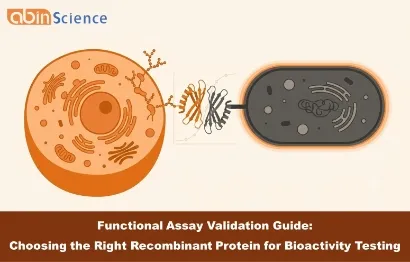
  • Functional Assay Validation Guide: Choosing the Right Recombinant Protein for Bioactivity Testing
    Not all recombinant proteins that pass a purity check will perform in a functional assay — the expression system used to manufacture them determines whether critical folding and glycosylation requirements are met. This guide breaks down when mammalian cell expression is essential versus when E. coli-derived protein retains full bioactivity, walks through a practical validation workflow using dose-response curves and orthogonal binding methods, and highlights abinScience's GMP-grade recombinant proteins with published ED50 data across both expression systems.
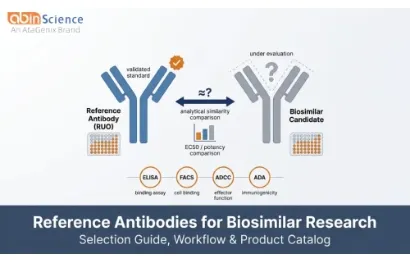
  • Reference Antibodies for Biosimilar Development: How to Select and Use RUO Standards in Your Characterization Workflow
    Reference Antibody, Research Use Only, Biosimilar Characterization, Anti-Drug Antibody Assay, Analytical Similarity, Functional Bioassay, oxMIF, GPC3, FOLR1, IL-6, TMPRSS6, Recombinant Monoclonal Antibody
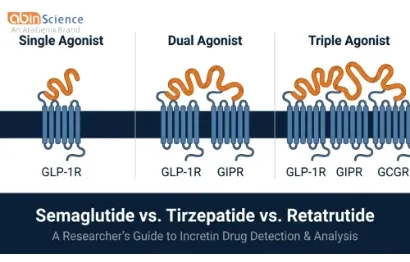
  • Semaglutide vs Tirzepatide vs Retatrutide: ELISA Kits for GLP-1 Drug Research
    This guide compares semaglutide, tirzepatide, and retatrutide from a research reagent perspective — covering PK ELISA kits, ADA immunogenicity assays, receptor antibodies, and biosimilar reference standards for preclinical and translational studies.
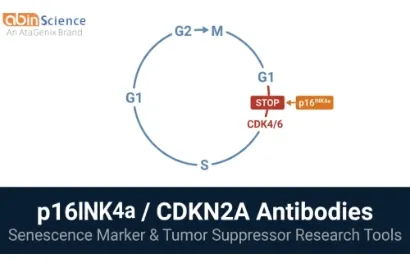
  • p16INK4a (CDKN2A) Antibodies & Nanobodies — Senescence & Tumor Suppressor Research
    Anti-p16INK4a/CDKN2A antibodies, VHH nanobodies, and recombinant proteins from abinScience. Polyclonal antibodies for human and mouse, nanobody SAA2259 for enhanced IHC tissue penetration, plus His-tagged and GST-tagged p16 proteins for assay controls and CDK inhibition studies.
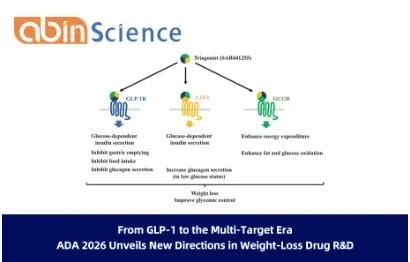
  • From GLP-1 to the Multi-Target Era: ADA 2026 Unveils New Directions in Weight-Loss Drug R&D
    ADA 2026 highlights the shift from single-target GLP-1RAs to multi-target agonists (dual/triple), oral small molecules, and ultra-long-acting injectables. The latest triple-agonist data (LY3437943) show >30% weight loss, while biased oral agonists improve tolerability. Multi-target synergy, oral convenience, and neuroimaging deepen efficacy and mechanistic understanding.