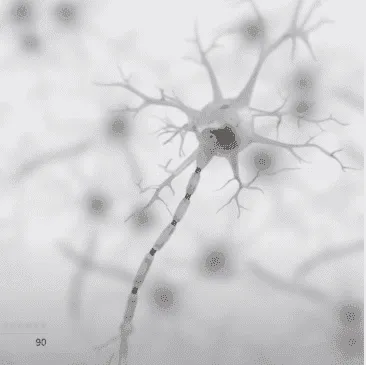
Neuroscience research converges on protein aggregation, neuroinflammation, synaptic dysfunction, and axonal damage across neurodegenerative, neuropsychiatric, and injury conditions. abinScience provides validated antibodies, proteins, and ELISA kits targeting key markers — Aβ, Tau, α-synuclein, and TDP-43 for neurodegeneration; TREM2, GFAP, and complement proteins for neuroinflammation; glutamate, GABA, serotonin, and dopamine receptors for synaptic research; and NfL as a pan-neurodegenerative biomarker for axonal damage monitoring.
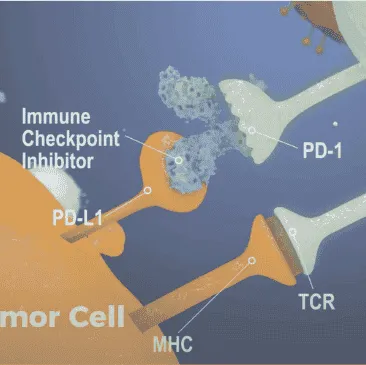
Recombinant proteins and antibodies for key therapeutic targets: PD-1, PD-L1, HER2, EGFR, BCMA, TROP2, and more. For drug development and bioassay. abinScience.
With the USDA's conditional licensure of the first anti-PD-1 antibody for canine mast cell tumors and melanoma, checkpoint blockade has moved from research concept to clinical reality in veterinary oncology. This guide introduces abinScience's newly added Anti-Canine PD-L1 antibody (clone 12C10E4) and surveys the broader 220-product canine checkpoint toolkit — including PD-1, CTLA-4, LAG-3, TIM-3, and HER2 reagents — supporting both spontaneous canine tumor models and comparative immuno-oncology research relevant to human therapeutic development.
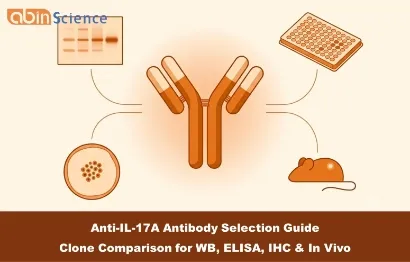
Not every anti-IL-17A antibody works for every application—a polyclonal built for Western blot won't perform in vivo, and an InVivoMAb-grade clone isn't optimized for IHC. This guide breaks down IL-17A antibody selection by application, comparing polyclonal antibodies for WB/IHC/ELISA; directly conjugated monoclonals for flow cytometry; InVivoMAb vs. InVivo Plus grades for neutralization studies; and reference antibodies for biosimilar benchmarking—including the newly added Bimekizumab reference antibody and mouse IL-17A recombinant protein.
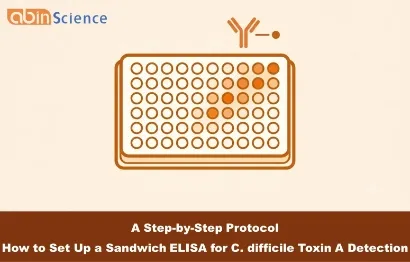
Detecting Clostridioides difficile Toxin A/tcdA reliably starts with a validated antibody pair and a properly reconstituted reference standard. This step-by-step guide walks through setting up a sandwich ELISA from plate coating through TMB development and 4-PL curve fitting, using a matched capture/detection antibody pair and a recombinant tcdA reference protein — with troubleshooting tips for background, weak standard curves, and complex sample matrices like stool eluates.
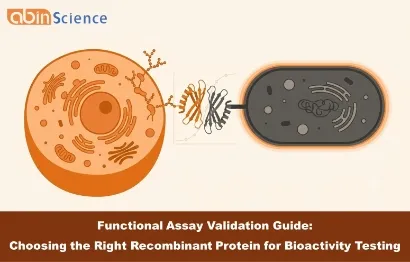
Not all recombinant proteins that pass a purity check will perform in a functional assay — the expression system used to manufacture them determines whether critical folding and glycosylation requirements are met. This guide breaks down when mammalian cell expression is essential versus when E. coli-derived protein retains full bioactivity, walks through a practical validation workflow using dose-response curves and orthogonal binding methods, and highlights abinScience's GMP-grade recombinant proteins with published ED50 data across both expression systems.
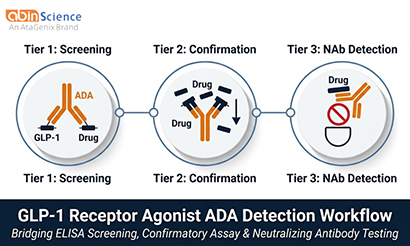
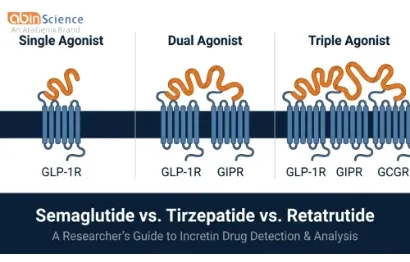
This guide compares semaglutide, tirzepatide, and retatrutide from a research reagent perspective — covering PK ELISA kits, ADA immunogenicity assays, receptor antibodies, and biosimilar reference standards for preclinical and translational studies.
Anti-p16INK4a/CDKN2A antibodies, VHH nanobodies, and recombinant proteins from abinScience. Polyclonal antibodies for human and mouse, nanobody SAA2259 for enhanced IHC tissue penetration, plus His-tagged and GST-tagged p16 proteins for assay controls and CDK inhibition studies.
ADA 2026 highlights the shift from single-target GLP-1RAs to multi-target agonists (dual/triple), oral small molecules, and ultra-long-acting injectables. The latest triple-agonist data (LY3437943) show >30% weight loss, while biased oral agonists improve tolerability. Multi-target synergy, oral convenience, and neuroimaging deepen efficacy and mechanistic understanding.
In May 2026, WHO reported a cruise ship cluster of fatal Hantavirus Pulmonary Syndrome (HPS) cases caused by Andes virus (ANDV), This article provides a multidimensional analysis of hantavirus, covering pathogenic characteristics (genome organization into L, M, S segments), transmission routes, molecular mechanisms of vascular endothelial dysfunction, cytokine storm, and clinical syndromes (HFRS and HPS).
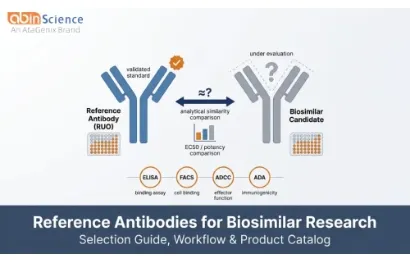
Biosimilars are entering a new deterministic growth cycle in 2026, fueled by the intensive patent expiration of global blockbuster biologics and the continuous improvement of worldwide regulatory systems. This article outlines core 2026 biologics R&D trends, identifies autoimmune diseases as the key R&D track, details four core immune regulatory pathways and blockbuster candidates expected to be approved in 2026, and elaborates the industrial, clinical and research value of biosimilar
This comprehensive review explores the latest insights into systemic lupus erythematosus (SLE) pathogenesis as of early 2026, focusing on key targets such as IFN-I signaling, BAFF/APRIL pathways, and CD19/CD20 on B cells. It highlights recent clinical advances, including expanded real-world efficacy of anifrolumab and telitacicept, promising results from CD19-targeted CAR-T therapies achieving deep remission in refractory cases, and emerging multi-target biologics. The article also recommends high-specificity research tools for mechanistic studies and drug development.