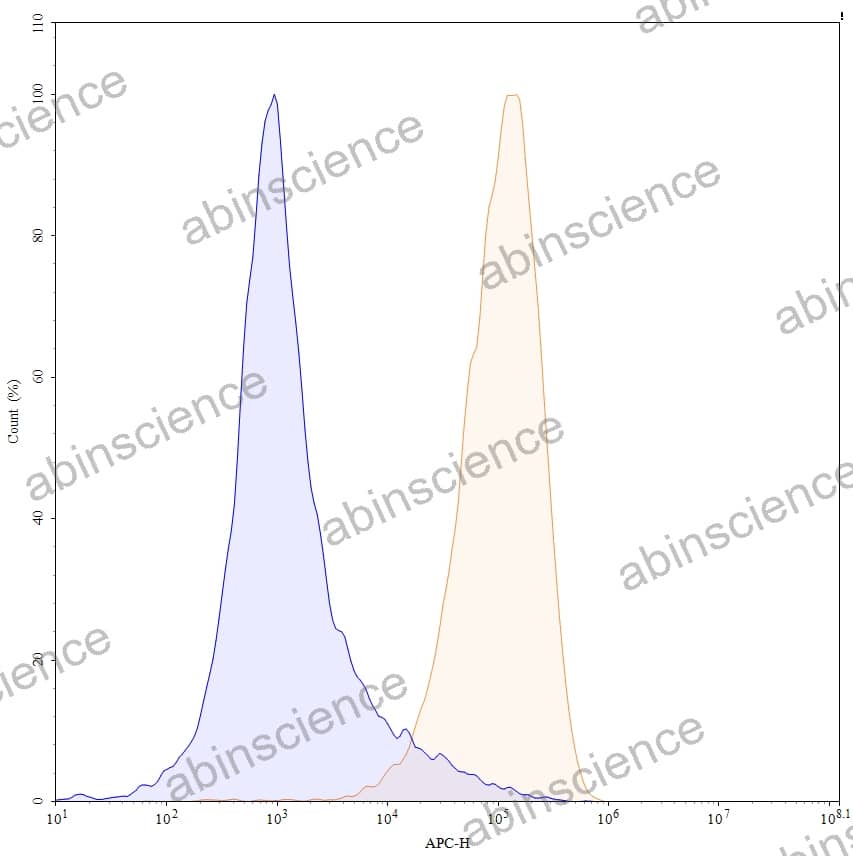
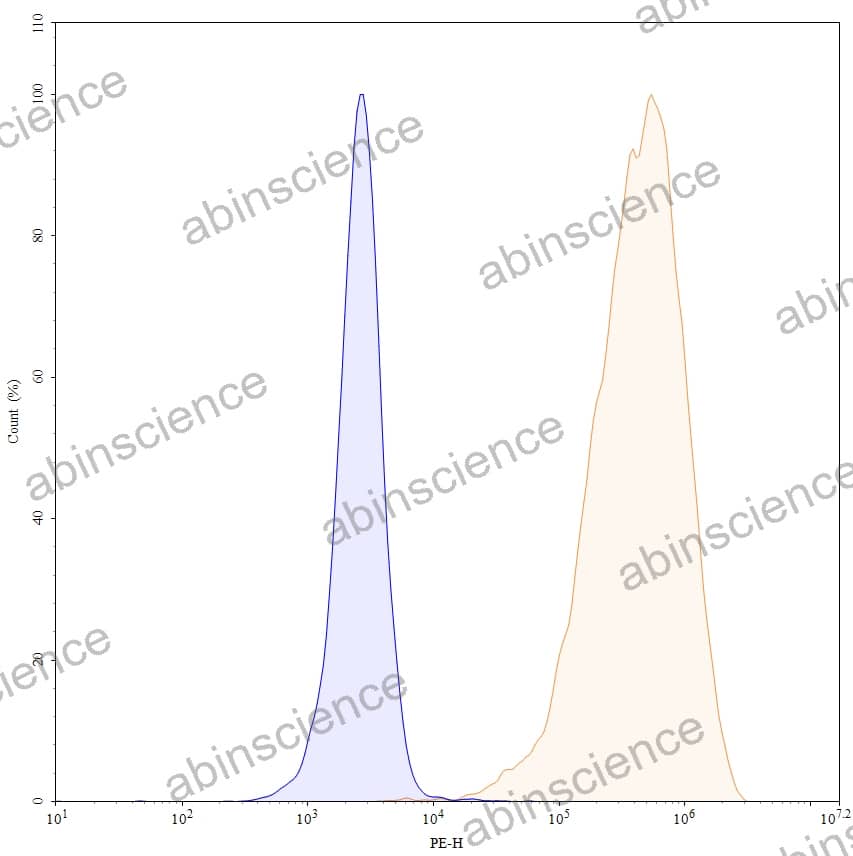
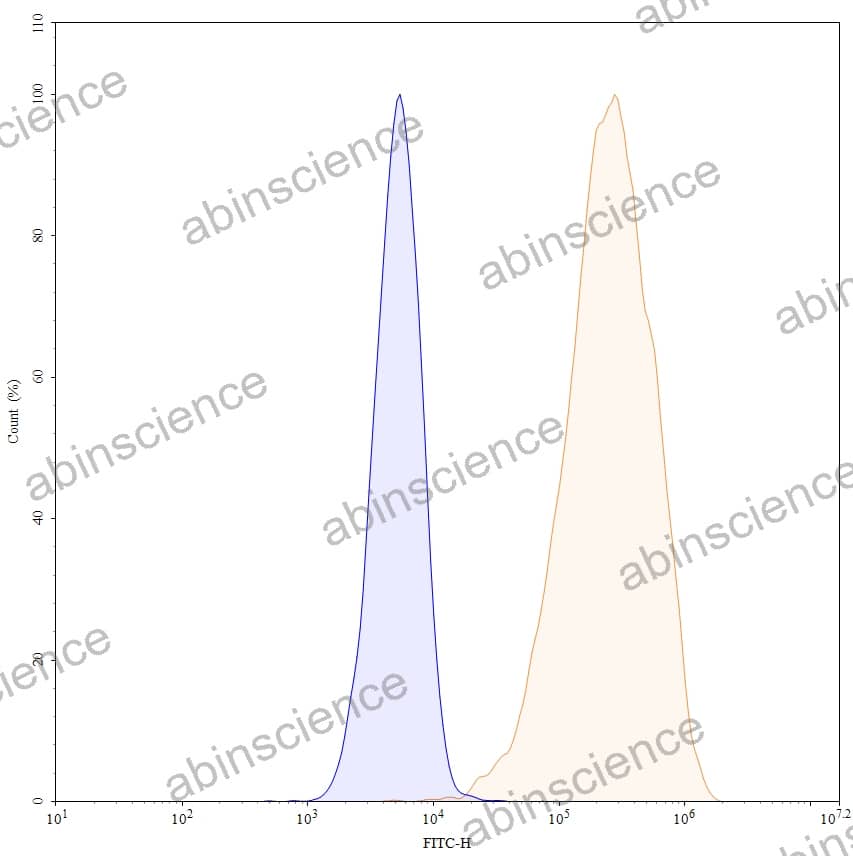
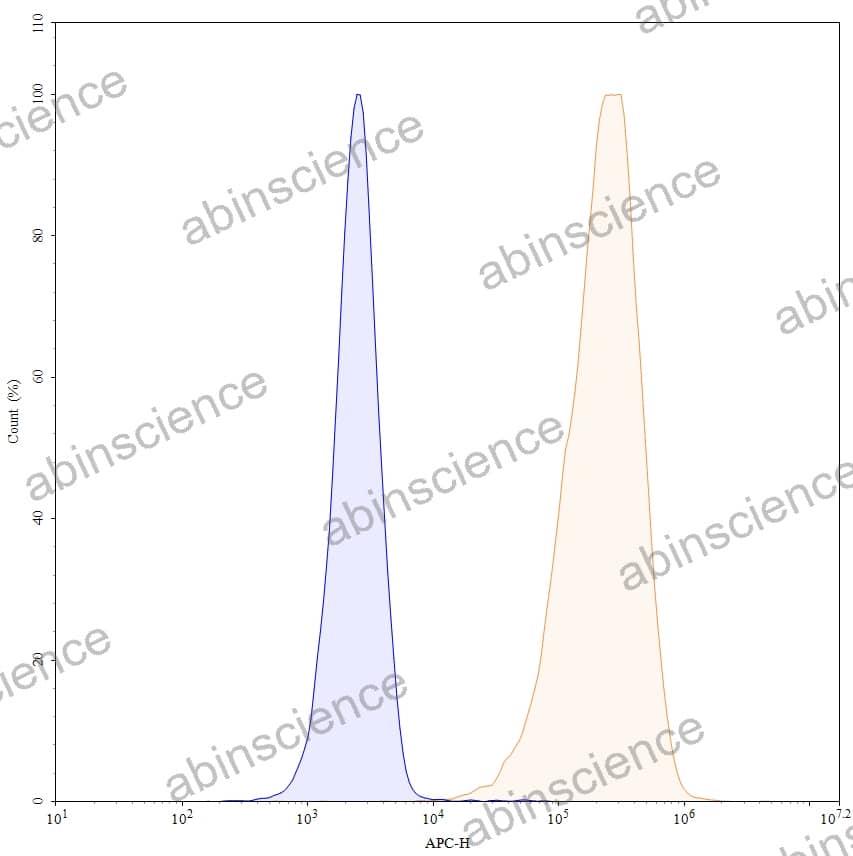
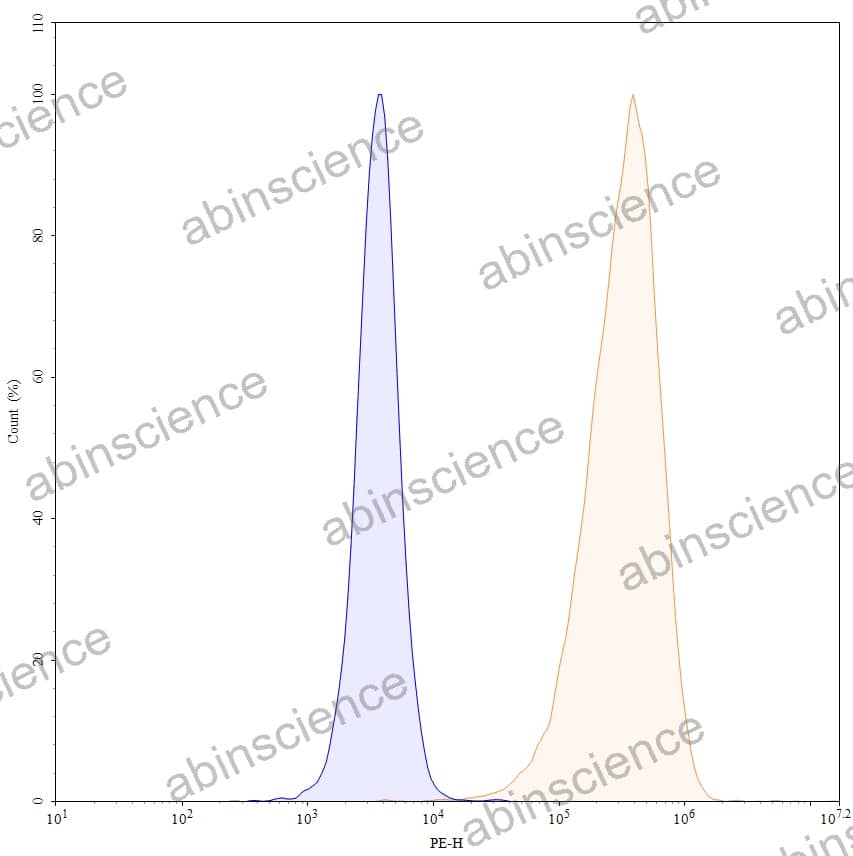
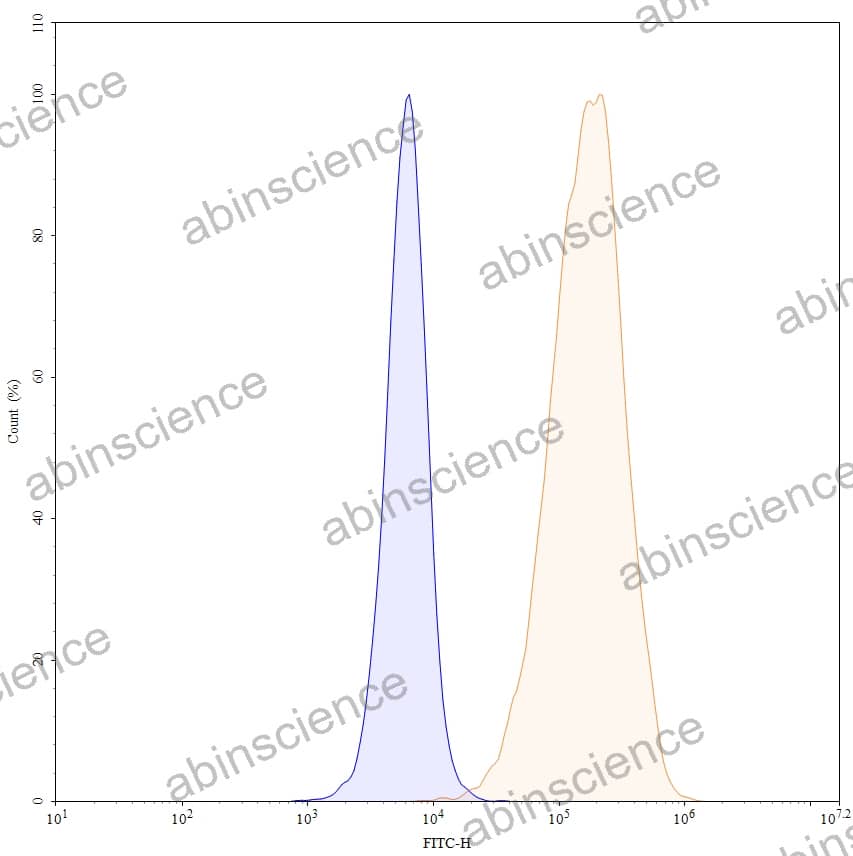
CD3 (CD3E / CD3 epsilon) is a core component of the T-cell receptor (TCR) signaling complex and one of the most widely used markers for T-cell identification. As the universal binding arm for bispecific T-cell engagers (BiTEs), CAR-T constructs, and T-cell-redirecting immunotherapies, CD3 reagents are essential in both basic immunology and therapeutic antibody development. abinScience offers a comprehensive CD3 portfolio including recombinant CD3 proteins, anti-CD3 monoclonal antibodies, biosimilar reference standards, and ELISA kits.
CD3 Biology and Significance
The CD3 complex consists of four subunits — CD3 epsilon (CD3E), CD3 delta, CD3 gamma, and CD3 zeta — that associate with the TCR alpha/beta heterodimer to form the complete TCR–CD3 complex. CD3E is the most therapeutically relevant subunit because it is exposed on the T-cell surface and serves as the primary docking site for T-cell-engaging bispecific antibodies.
Upon antigen recognition, the CD3 complex transmits activation signals through its intracellular immunoreceptor tyrosine-based activation motifs (ITAMs), triggering T-cell proliferation, cytokine release, and cytotoxic activity. This central role in T-cell activation makes CD3 a critical target in immuno-oncology, transplant immunology, and autoimmune disease research.
Key Research Applications
Bispecific Antibody Development Recombinant CD3E proteins (His-tagged, Fc-chimera, biotinylated) are used as the T-cell arm antigen in bispecific antibody screening, SPR/BLI binding kinetics, and bridging ELISA for BiTE-class molecules.
T-Cell Activation & Functional Assays Anti-CD3 antibodies (e.g., OKT3 biosimilar) are used to stimulate T-cell proliferation, cytokine secretion (IL-2, IFN-γ), and cytotoxicity in cell-based functional assays and mixed lymphocyte reactions.
Flow Cytometry & Immunophenotyping Fluorochrome-conjugated anti-CD3 antibodies (FITC, PE, APC) are used as pan-T-cell markers in multi-color flow cytometry panels for immune cell profiling and clinical immunophenotyping.
PK/ADA Assay Development Matched anti-CD3 antibody pairs and CD3E calibrator proteins support sandwich ELISA-based pharmacokinetic and anti-drug antibody assays for CD3-targeting therapeutics in preclinical and clinical studies.
CD3 Product Selection Guide
| Application |
Recommended Product Type |
Format |
| SPR/BLI binding kinetics |
Recombinant CD3E protein |
Avi-tagged or biotinylated |
| Bispecific bridging ELISA |
Recombinant CD3E protein |
His-tagged or Fc-chimera |
| T-cell activation / proliferation |
Anti-CD3 antibody (OKT3 clone) |
Unconjugated, low endotoxin |
| Flow cytometry / FACS |
Anti-CD3 antibody |
FITC, PE, APC, or PerCP conjugated |
| WB / IHC detection |
Anti-CD3E polyclonal or monoclonal antibody |
Unconjugated |
| PK/ADA ELISA |
Matched antibody pair + calibrator protein |
Capture/detection pair |
| Comparability / reference |
Anti-CD3 biosimilar (Muromonab analog) |
Research-grade RUO |
CD3 FAQs
What is the difference between CD3E, CD3D, CD3G, and CD3Z?
CD3 epsilon (CD3E) and CD3 delta (CD3D) form one heterodimer, while CD3 epsilon and CD3 gamma (CD3G) form another. CD3 zeta (CD3Z / CD247) forms a homodimer and contains the primary signaling ITAMs. For bispecific antibody development and T-cell engagement, CD3E is the most commonly targeted subunit because it is surface-exposed and accessible for antibody binding.
Which CD3 protein format should I use for bispecific antibody screening?
For SPR/BLI binding kinetics, use Avi-tagged or biotinylated CD3E protein for oriented immobilization on streptavidin-coated surfaces. For bridging ELISA, His-tagged CD3E is recommended for Ni-NTA plate coating. For cell-based binding assays, consider using CD3-expressing stable cell lines.
Can I use your anti-CD3 antibody for T-cell activation in functional assays?
Yes. Our anti-CD3 antibodies (OKT3 clone and other validated clones) can be used for plate-bound or soluble T-cell stimulation. For T-cell activation assays, we recommend using anti-CD3 in combination with anti-CD28 co-stimulation for optimal proliferation and cytokine production.
Do you offer human and mouse/cynomolgus cross-reactive CD3 proteins?
Yes. We offer recombinant CD3E proteins from human, mouse, and cynomolgus monkey. Cross-species CD3 proteins are critical for preclinical development of bispecific antibodies, enabling binding assessment across species used in toxicology studies. Check individual product pages for species availability and cross-reactivity data.
What clone should I use for flow cytometry T-cell staining?
OKT3 and UCHT1 are the most widely cited anti-human CD3 clones for flow cytometry. Both recognize CD3 epsilon and are available in multiple fluorochrome conjugates (FITC, PE, APC, PerCP). OKT3 is also commonly used in T-cell activation assays. Choose the conjugate based on your panel design and instrument laser configuration.
Key References
1. Birkinshaw RW, et al. (2024) Structure and function of the T cell receptor–CD3 complex. Nat Rev Immunol. DOI: 10.1038/s41577-024-01094-w
2. Labrijn AF, et al. (2019) Bispecific antibodies: a mechanistic review of the pipeline. Nat Rev Drug Discov. 18(8):585-608. PMID: 31175342
3. Goebeler ME, Bargou RC. (2020) T cell-engaging therapies — BiTEs and beyond. Nat Rev Clin Oncol. 17(7):418-434. PMID: 32132672


 中文
中文 English
 한국어
한국어 日本語
日本語 Español
 Français
 Русский