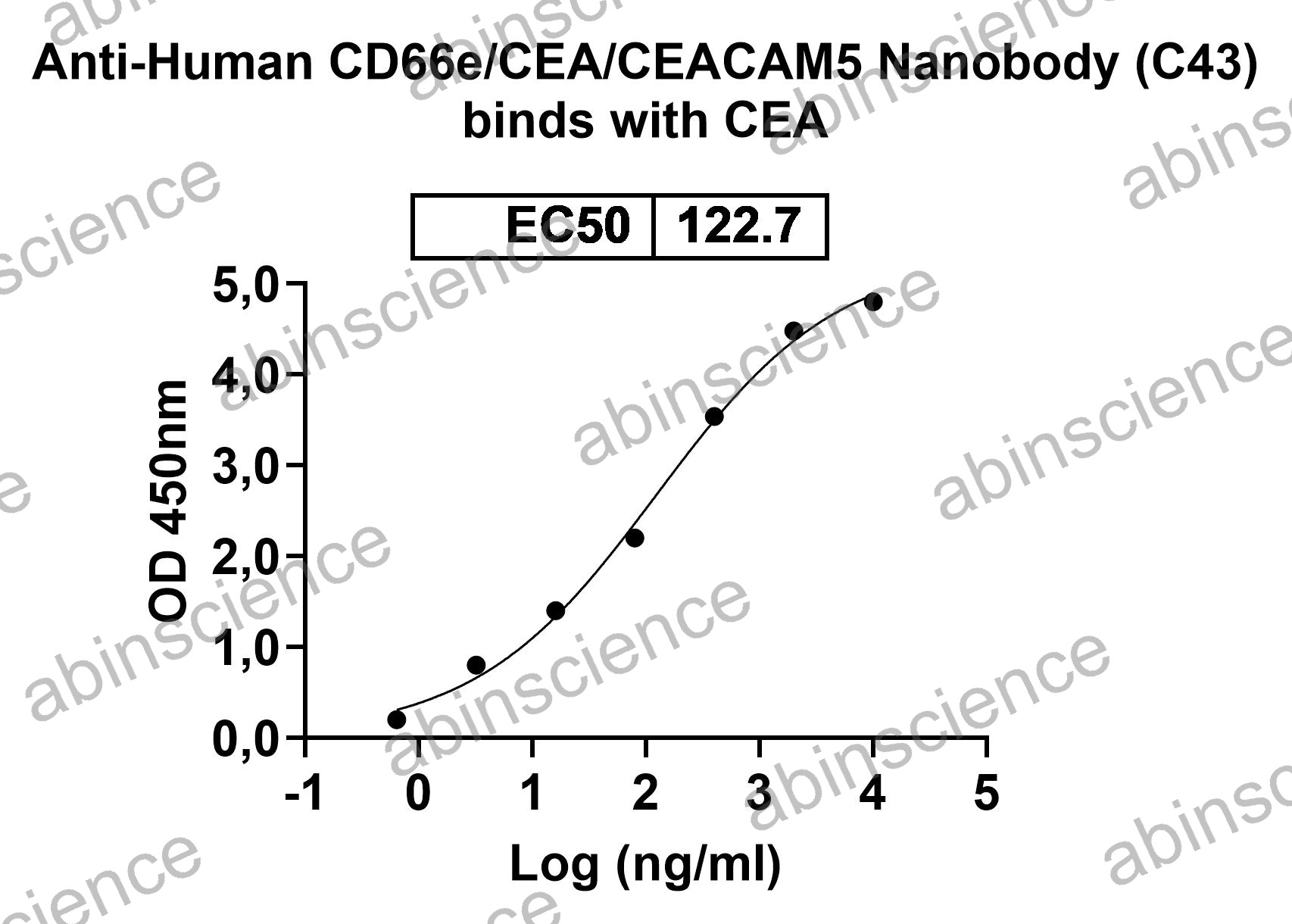
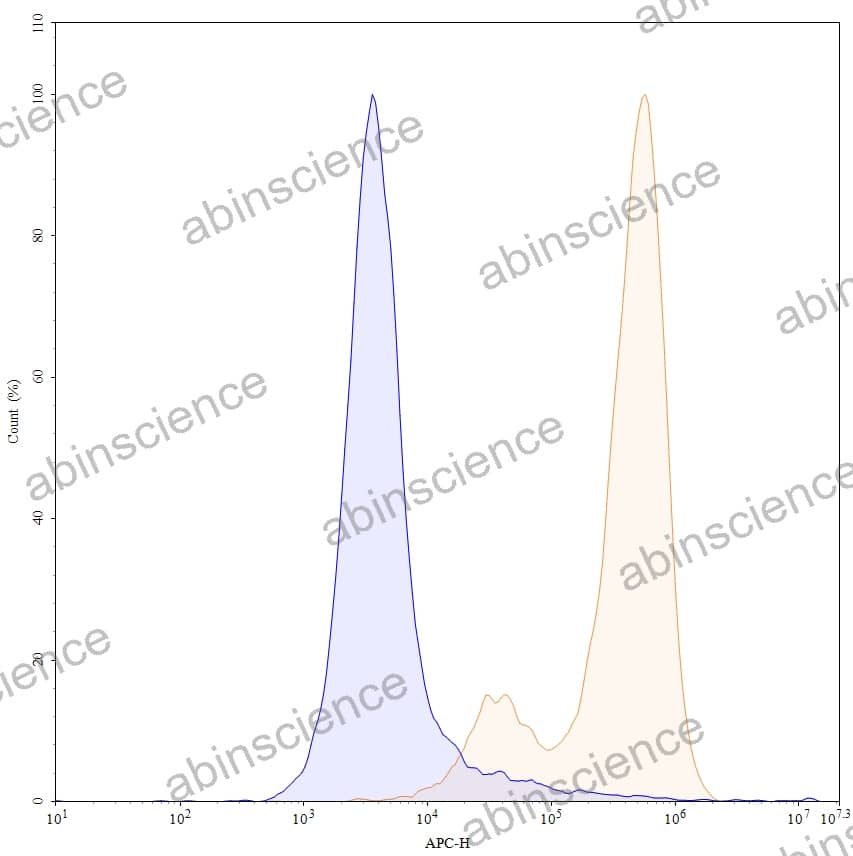
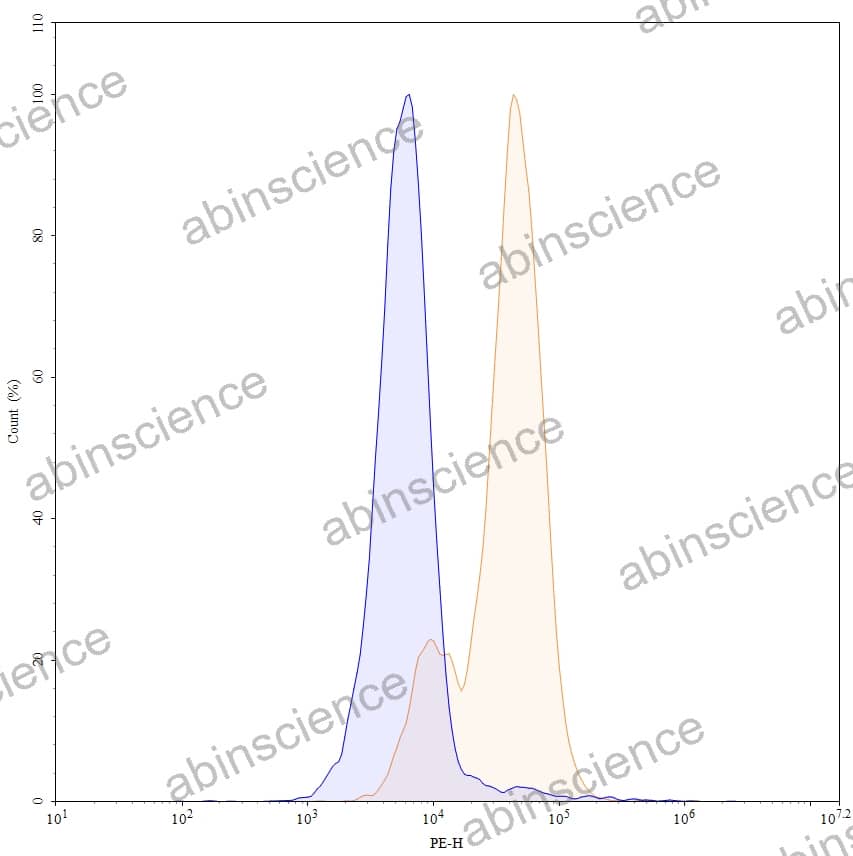
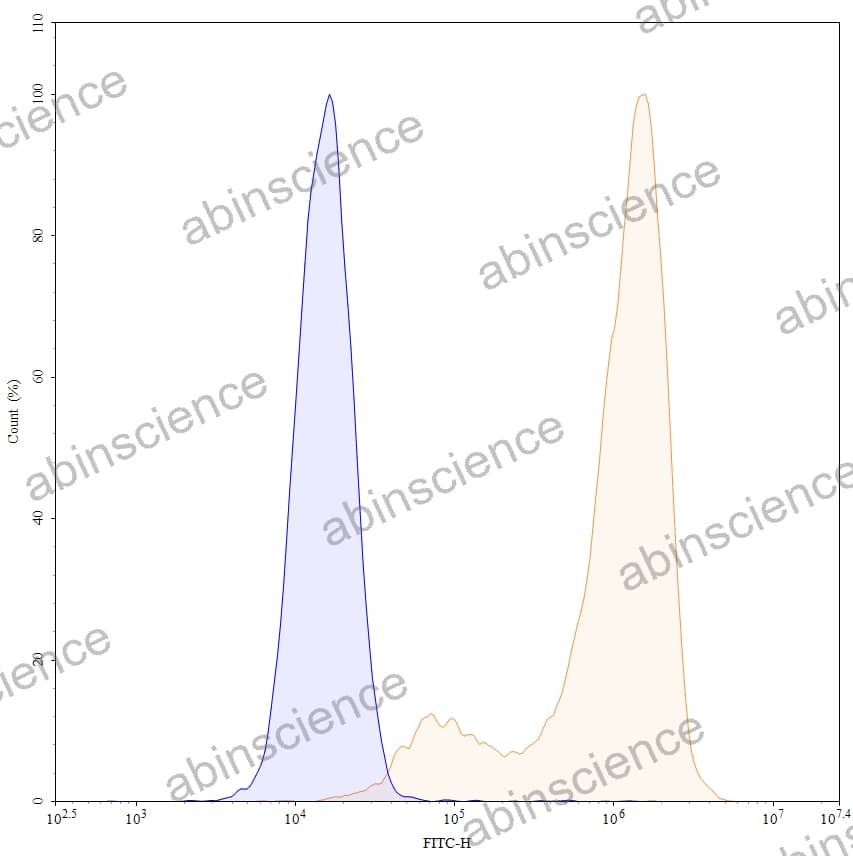
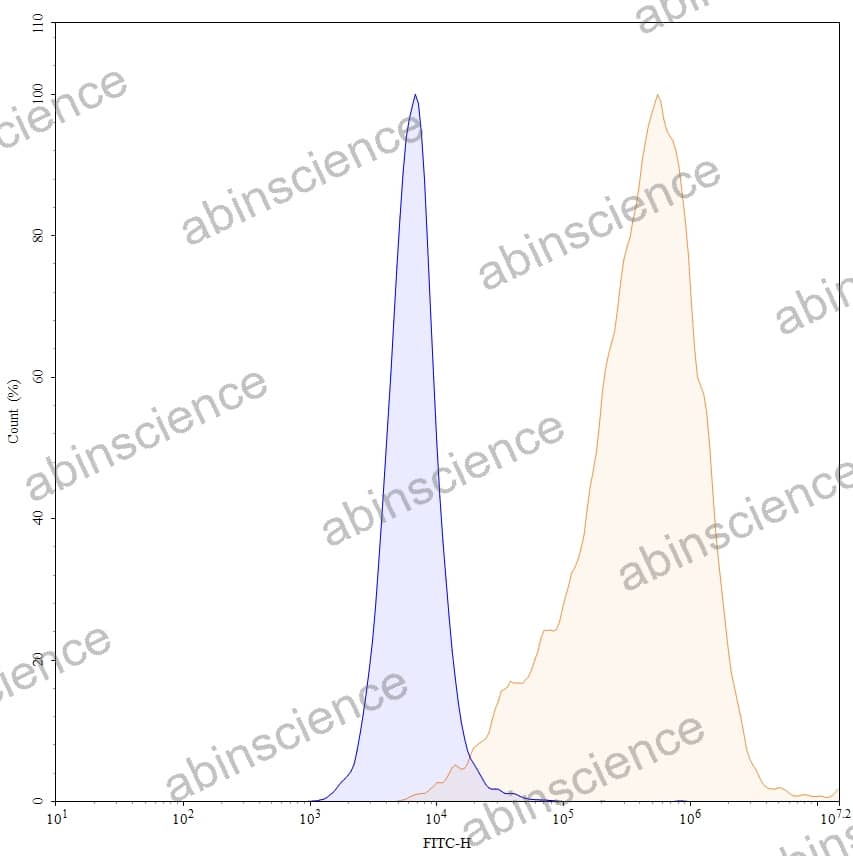
CEA (Carcinoembryonic Antigen / CEACAM5 / CD66e) is one of the most established tumor-associated antigens in oncology — used clinically as a serum biomarker for colorectal, gastric, pancreatic, and lung cancers, and increasingly targeted by bispecific T-cell engagers (CEA × CD3), ADCs, and CAR-T therapies. CEA belongs to the CEACAM (carcinoembryonic antigen-related cell adhesion molecule) family and is overexpressed on the surface of many epithelial tumors while showing restricted expression on normal adult tissues. abinScience offers recombinant CEA/CEACAM5 proteins, anti-CEA antibodies, ELISA kits, and biosimilar reference standards.
CEA Biology and Clinical Significance
CEA (CEACAM5) is a ~180 kDa GPI-anchored glycoprotein belonging to the immunoglobulin superfamily. It is normally expressed during fetal development and at low levels on the apical surface of mature colonic epithelial cells. In malignant transformation, CEA expression is dramatically upregulated and loses its polarized distribution, becoming accessible across the entire tumor cell surface. Elevated serum CEA levels (>5 ng/mL) are used clinically for post-surgical surveillance and recurrence monitoring in colorectal cancer.
The CEACAM family includes multiple members (CEACAM1, CEACAM3, CEACAM5, CEACAM6, CEACAM8), and cross-reactivity between anti-CEA antibodies and other family members — especially CEACAM6 (CD66c) — is a key consideration in therapeutic antibody development. Therapeutic candidates with high CEACAM5 selectivity reduce the risk of off-target binding in normal tissues such as lung and granulocytes where CEACAM6 is expressed.
Key Research Applications
Bispecific & ADC Development Recombinant CEACAM5 proteins for screening CEA-targeting bispecific antibodies (CEA × CD3 T-cell engagers) and ADC candidates. His-tagged, Fc-chimera, and biotinylated formats available for SPR/BLI, bridging ELISA, and cell binding assays.
Serum CEA Quantification CEA ELISA kits for measuring soluble CEA levels in patient serum, plasma, and cell culture supernatants. Used for clinical research biomarker studies, monitoring tumor burden, and evaluating therapeutic response.
IHC & Tumor Tissue Staining Anti-CEA antibodies validated for IHC on FFPE sections. CEA IHC is routinely used in surgical pathology to identify adenocarcinoma origin (colorectal, gastric, pancreatic) and to differentiate metastatic tumors.
CEACAM Selectivity Testing Recombinant CEACAM5, CEACAM1, CEACAM6, and CEACAM8 proteins for cross-reactivity profiling — essential for confirming that therapeutic anti-CEA antibodies do not bind related family members.
CEA Product Selection Guide
| Application |
Recommended Product |
Format |
| SPR/BLI binding kinetics |
Recombinant CEACAM5 protein |
Avi-tagged or biotinylated |
| Bispecific bridging ELISA |
CEACAM5 protein + CD3E protein |
His-tagged or Fc-chimera |
| Serum CEA measurement |
CEA ELISA kit |
Ready-to-use sandwich ELISA |
| IHC (FFPE tissue) |
Anti-CEA monoclonal antibody |
Unconjugated, IHC-validated |
| Flow cytometry |
Anti-CEA/CD66e antibody |
PE or APC conjugated |
| CEACAM cross-reactivity panel |
CEACAM5 + CEACAM1 + CEACAM6 proteins |
His-tagged (matched format) |
| PK/ADA ELISA |
Anti-CEA antibody pair + calibrator |
Capture/detection pair |
CEA FAQs
What is the difference between CEA, CEACAM5, and CD66e?
They are the same protein. CEA (Carcinoembryonic Antigen) is the historical clinical name. CEACAM5 is the official HUGO gene nomenclature. CD66e is the cluster of differentiation designation. In therapeutic development, CEACAM5 is preferred because it clearly distinguishes the target from other CEACAM family members (CEACAM1/CD66a, CEACAM6/CD66c, etc.).
Why is CEACAM5 vs CEACAM6 selectivity important for therapeutic antibodies?
CEACAM5 and CEACAM6 share ~90% sequence homology in their N-terminal IgV domains. CEACAM6 is expressed on normal granulocytes, lung epithelium, and other tissues. An anti-CEA therapeutic antibody that cross-reacts with CEACAM6 may cause on-target off-tumor toxicity — particularly pulmonary toxicity, which has been observed in early anti-CEA ADC clinical trials. Testing candidates against a panel of CEACAM family members (CEACAM5, CEACAM1, CEACAM6, CEACAM8) is standard practice in lead selection.
What is the normal serum CEA level and what does elevation indicate?
Normal serum CEA is typically <5 ng/mL in non-smokers and <10 ng/mL in smokers. Elevated CEA is most commonly associated with colorectal cancer but can also be elevated in gastric, pancreatic, lung, breast, and ovarian cancers. CEA is not recommended as a primary screening test due to limited sensitivity and specificity, but is widely used for post-surgical recurrence monitoring — a rising CEA trend after curative resection often precedes radiographic detection of recurrence by several months.
Which CEA protein domain should I target for bispecific antibody development?
CEA/CEACAM5 has seven extracellular domains: one N-terminal IgV-like domain (A1) and six IgC2-like domains (B1-A3-B2-A3-B3-A3). Most therapeutic anti-CEA antibodies target the A1B1 region (N-terminal domains) because this region is exposed on the tumor cell surface and provides CEACAM5-selective epitopes. The membrane-proximal domains (B3-A3) are more conserved across CEACAM family members and pose higher cross-reactivity risk.
How should I detect CEA by IHC for tumor tissue characterization?
For FFPE sections, use an anti-CEA monoclonal antibody with heat-induced epitope retrieval (citrate pH 6.0 is most commonly used for CEA). CEA staining is typically apical/membranous and cytoplasmic in adenocarcinomas. Include normal colon tissue as a positive control (apical brush border staining). For differential diagnosis, combine CEA with CK20 and CDX2 to confirm colorectal origin of metastatic adenocarcinoma.
Key References
1. Beauchemin N, Bhattacharjee M. (2020) CEACAM family members. In: Encyclopedia of Immunology. Updated review of CEACAM5 structure and function.
2. Tabernero J, et al. (2017) Phase Ia/Ib study of cibisatamab (CEA-TCB), a T-cell bispecific antibody targeting CEA, in patients with metastatic CRC. Lancet Oncol. 18(9):1189-1199. PMID: 28781171
3. Hammarström S. (1999) The carcinoembryonic antigen (CEA) family: structures, suggested functions and expression in normal and malignant tissues. Semin Cancer Biol. 9(2):67-81. PMID: 10202129


 中文
中文 English
 한국어
한국어 日本語
日本語 Español
 Français
 Русский