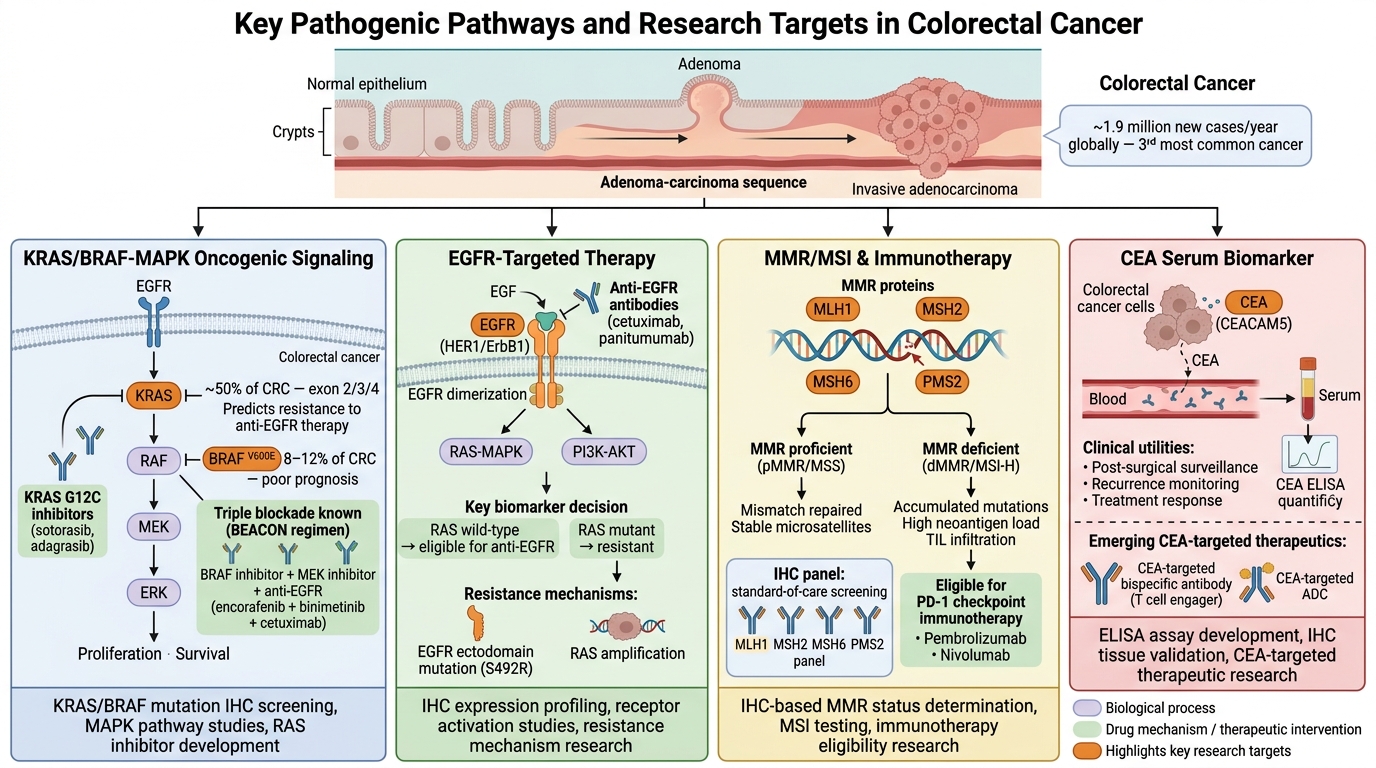
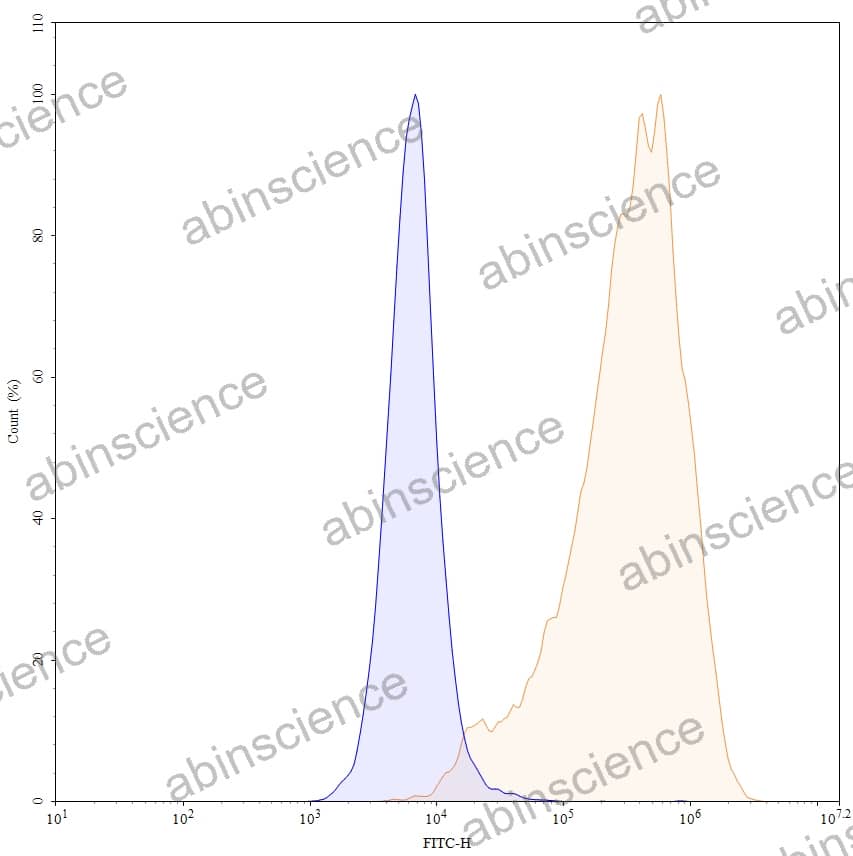
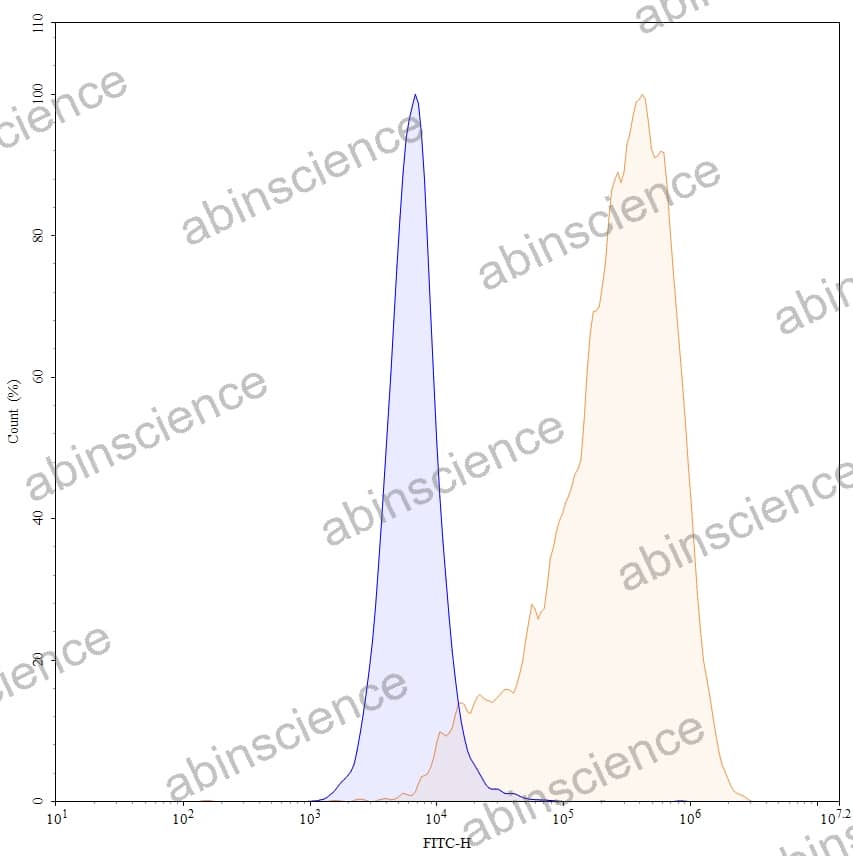
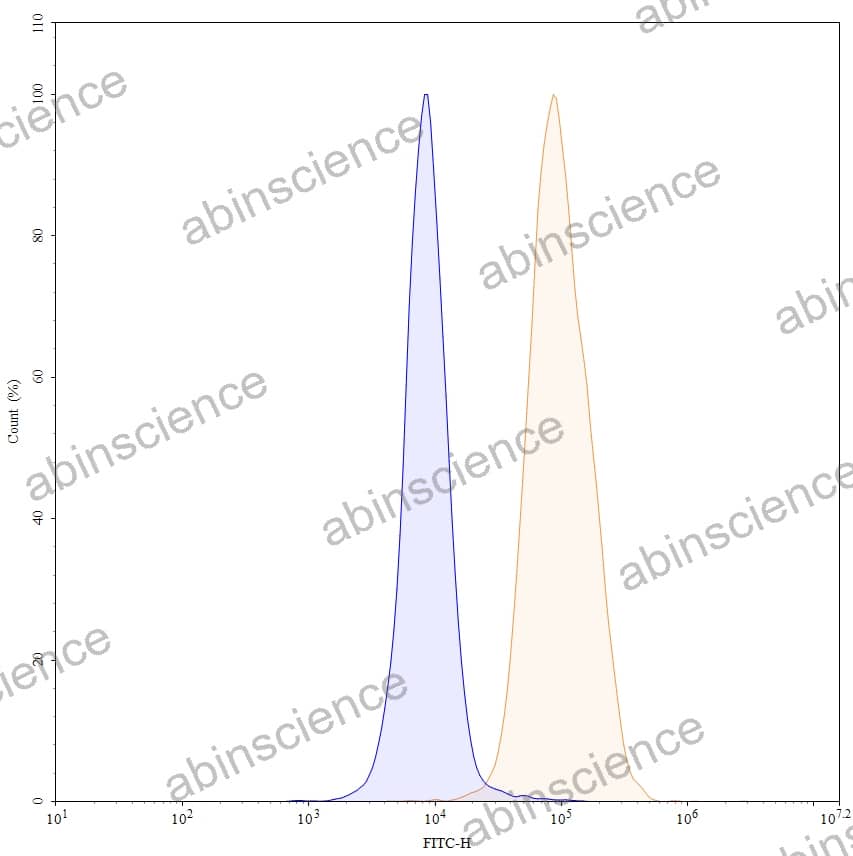
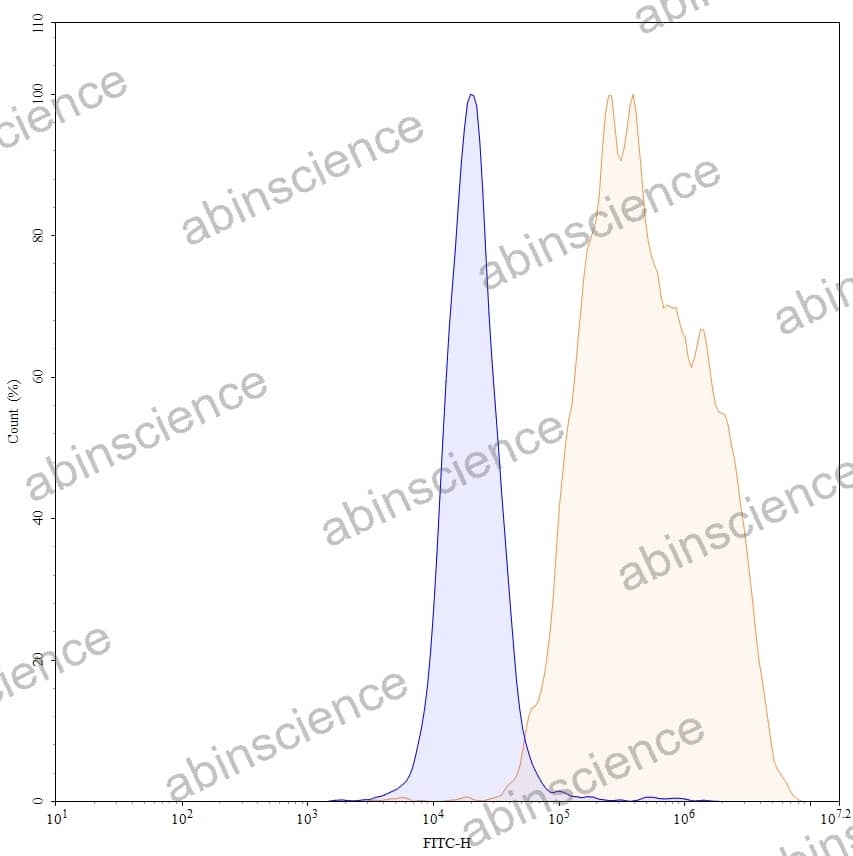
KRAS / NRAS — RAS mutations (KRAS exon 2/3/4 and NRAS) occur in approximately 50% of CRC and predict resistance to anti-EGFR therapy (cetuximab, panitumumab). Anti-KRAS antibodies and mutation-specific reagents support immunohistochemical screening, RAS pathway activation studies, and development of direct RAS inhibitors including the emerging KRAS G12C-targeted class (sotorasib, adagrasib).
→ Browse KRAS/NRAS antibodies & proteins
BRAF V600E — BRAF V600E mutations occur in 8–12% of CRC and are associated with poor prognosis and right-sided tumor location. The BEACON regimen (encorafenib + binimetinib + cetuximab) has established a new standard of care for BRAF-mutant metastatic CRC. Anti-BRAF V600E mutation-specific antibodies enable IHC-based rapid screening, molecular subtyping, and treatment response research.
→ Browse BRAF antibodies & proteins
MMR Proteins (MLH1, MSH2, MSH6, PMS2) — Loss of mismatch repair protein expression (dMMR) identifies microsatellite instability-high (MSI-H) tumors eligible for PD-1 checkpoint immunotherapy (pembrolizumab, nivolumab). Anti-MLH1, MSH2, MSH6, and PMS2 antibodies are validated for IHC-based MMR status determination — the standard-of-care biomarker test for immunotherapy eligibility in metastatic CRC.
→ Browse MMR protein antibodies
EGFR (HER1, ErbB1) — Epidermal growth factor receptor is overexpressed in the majority of CRC and serves as the therapeutic target for cetuximab and panitumumab in RAS wild-type tumors. Anti-EGFR antibodies support IHC expression profiling, receptor activation studies, and research into mechanisms of acquired resistance including EGFR ectodomain mutations (S492R).
→ Browse EGFR antibodies & proteins
CEA (CEACAM5) — Carcinoembryonic antigen is the most widely used serum biomarker for CRC surveillance and recurrence monitoring. Anti-CEA antibodies and recombinant CEA proteins support ELISA assay development, IHC tissue validation, and emerging CEA-targeted bispecific antibody and antibody-drug conjugate therapeutic research programs.
→ Browse CEA antibodies & proteins


 中文
中文 English
 한국어
한국어 日本語
日本語 Español
 Français
 Русский