Vascular biology encompasses angiogenesis, endothelial barrier function, vascular inflammation, and vascular tone regulation. The VEGF and Angiopoietin/Tie2 axes are master regulators of blood vessel formation and stability, and their therapeutic targeting has transformed cancer treatment and retinal vascular disease management. Endothelial adhesion molecules (ICAM-1, VCAM-1, Selectins) mediate leukocyte recruitment during inflammation and are circulating biomarkers for endothelial activation in atherosclerosis, sepsis, and autoimmune vasculitis.
Research Use Only (RUO)Not intended for diagnostic or therapeutic procedures.
abinScience provides validated antibodies, recombinant proteins, and ELISA kits for key vascular biology targets — angiogenic growth factors, endothelial receptors, adhesion molecules, and vasoactive mediators. All products are manufactured by our parent company AtaGenix Laboratories under ISO quality systems. Browse products below or contact us for custom development.
VEGF Family (VEGF-A, VEGF-B, VEGF-C, VEGF-D, PlGF) — Vascular endothelial growth factors are the central drivers of angiogenesis and vascular permeability. VEGF-A/VEGFR2 signaling is the primary target of anti-angiogenic cancer therapies (bevacizumab, ramucirumab) and anti-VEGF ophthalmic biologics (ranibizumab, aflibercept). VEGF-C/VEGFR3 signaling regulates lymphangiogenesis and tumor lymphatic metastasis.
→ Browse VEGF antibodies & proteins
Angiopoietin / Tie2 (ANGPT1, ANGPT2, TEK) — The Angiopoietin-Tie2 axis regulates vascular stability, endothelial barrier integrity, and inflammatory vascular remodeling. Ang1 promotes vessel quiescence and pericyte recruitment; Ang2 destabilizes endothelium and sensitizes vessels to VEGF-driven sprouting. Circulating Ang2 is a biomarker for sepsis-associated vascular leak, ARDS severity, and tumor angiogenesis.
→ Browse Angiopoietin & Tie2 antibodies & proteins
Endothelin (EDN1, EDNRA, EDNRB) — Endothelin-1 is the most potent endogenous vasoconstrictor, produced by endothelial cells. ET-1 signaling through ETA and ETB receptors regulates vascular tone, cell proliferation, and fibrosis. Endothelin receptor antagonists (bosentan, ambrisentan) are standard therapy for pulmonary arterial hypertension.
→ Browse Endothelin antibodies & proteins
E-Selectin (CD62E / SELE) — Inducible adhesion molecule expressed on activated endothelium. E-Selectin mediates the initial rolling of leukocytes along the vessel wall during acute inflammation. Soluble E-Selectin is a circulating biomarker for endothelial activation in diabetes, atherosclerosis, and transplant rejection.
→ Browse E-Selectin antibodies & proteins
P-Selectin (CD62P / SELP) — Stored in endothelial Weibel-Palade bodies and platelet α-granules, rapidly mobilized to the cell surface upon activation. P-Selectin mediates platelet-leukocyte interactions and early leukocyte rolling. Soluble P-Selectin reflects platelet activation and is elevated in acute coronary syndromes and VTE.
→ Browse P-Selectin antibodies & proteins
ICAM-1 (CD54 / ICAM1) — Immunoglobulin superfamily adhesion molecule constitutively expressed on endothelium and upregulated by TNF-α, IL-1β, and IFN-γ. ICAM-1 binds LFA-1 and Mac-1 on leukocytes to mediate firm adhesion and transendothelial migration. Soluble ICAM-1 is a biomarker for endothelial dysfunction in cardiovascular risk assessment.
→ Browse ICAM-1 antibodies & proteins
VCAM-1 (CD106 / VCAM1) — Endothelial adhesion molecule induced by pro-inflammatory cytokines. VCAM-1 binds VLA-4 (α4β1 integrin) on monocytes and lymphocytes, playing a critical role in monocyte recruitment to atherosclerotic lesions and lymphocyte homing in autoimmune inflammation. Anti-VCAM-1 is explored as an anti-inflammatory therapeutic strategy.
→ Browse VCAM-1 antibodies & proteins
eNOS (NOS3 / Endothelial Nitric Oxide Synthase) — Constitutively expressed in endothelial cells, eNOS generates nitric oxide (NO) from L-arginine. NO is the primary endothelium-derived vasodilator, and also inhibits platelet aggregation, leukocyte adhesion, and smooth muscle proliferation. eNOS uncoupling — where the enzyme generates superoxide instead of NO — is a hallmark of endothelial dysfunction in hypertension, diabetes, and atherosclerosis.
→ Browse eNOS antibodies & proteins
1. Ferrara N, et al. The biology of VEGF and its receptors. Nat Med. 2003;9(6):669-676. DOI
2. Saharinen P, et al. Therapeutic targeting of the angiopoietin-TIE pathway. Nat Rev Drug Discov. 2017;16(9):635-661. DOI
3. Ley K, et al. Getting to the site of inflammation: the leukocyte adhesion cascade updated. Nat Rev Immunol. 2007;7(9):678-689. DOI
4. Förstermann U, Sessa WC. Nitric oxide synthases: regulation and function. Eur Heart J. 2012;33(7):829-837. DOI


Human
ELISA, Bioactivity: FACS, Functional assay, Research in vivo
Human
Monoclonal
IgG1-nd


Human
ELISA, FCM, Neutralization
Human
Monoclonal
IgG1, kappa
Iv0071


Human
ELISA, FCM
Human
Monoclonal
IgG1, lambda
SAA0025


Human
FCM, Neutralization
Human
Monoclonal
IgG4
Dreg-55


Human
ELISA, FCM
Human
Monoclonal
IgG1, kappa
SAA0065


Human
ELISA, Bioactivity: FCM, Functional assay, Research in vivo
Human
Monoclonal
IgG1, kappa


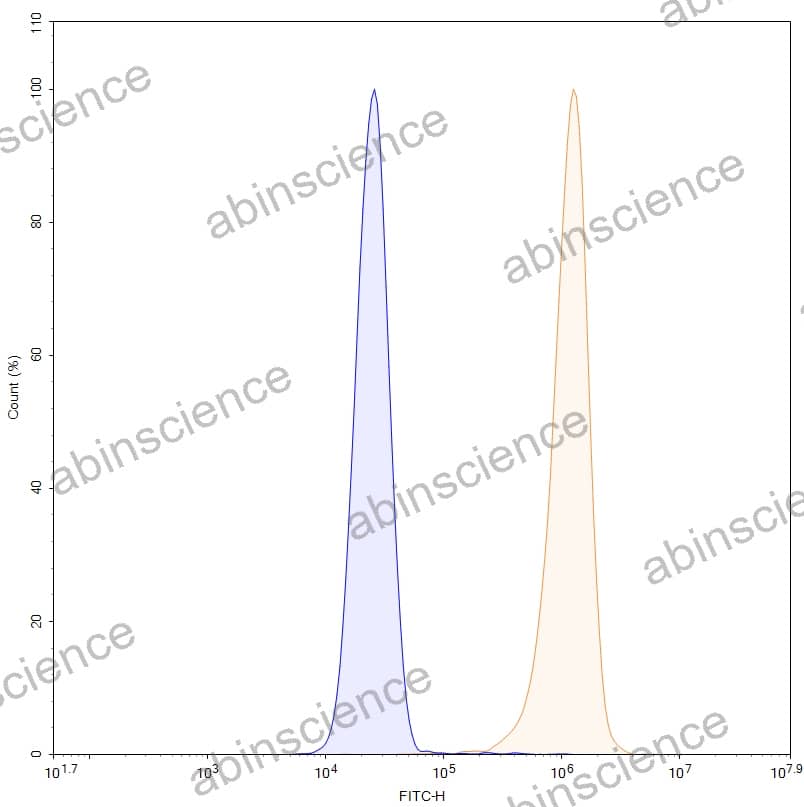
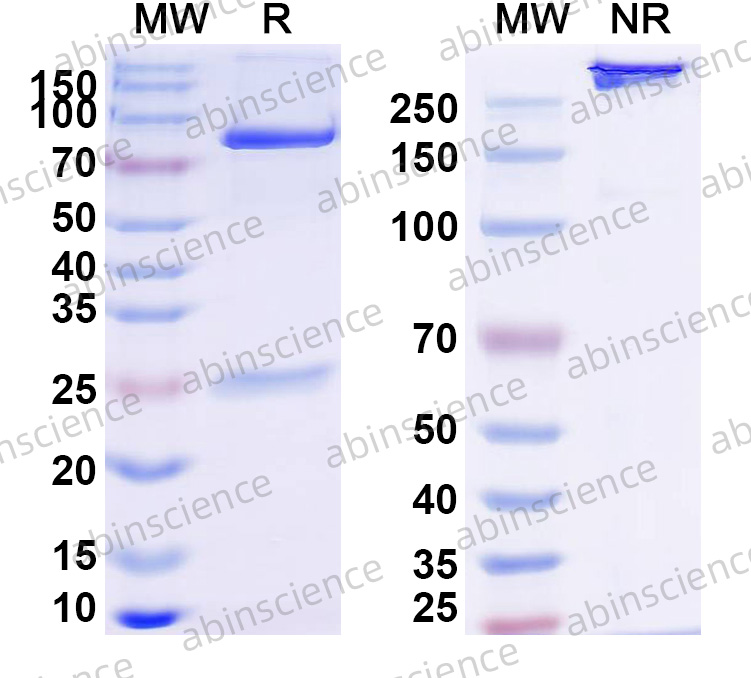
Human
ELISA, Bioactivity: FCM, Functional assay, Research in vivo
Human
Monoclonal
IgG1-kappa-[scFv]2


Human
ELISA, Bioactivity: FACS, Functional assay, Research in vivo
Human
Monoclonal
IgG2-kappa


Human
ELISA, Bioactivity: FACS, Functional assay, Research in vivo
Human
Monoclonal
IgG1-kappa


Human
ELISA, Bioactivity: FACS, Functional assay, Research in vivo
Human
Monoclonal
IgG4-kappa
+86-027-65523339
중국 우한시 심둔사로 666번지 C동, 우한, 430206


 中文
中文 English
 한국어
한국어 日本語
日本語 Español
 Français
 Русский