
 中文
中文 English
 한국어
한국어 日本語
日本語 Español
 Français
 Русский

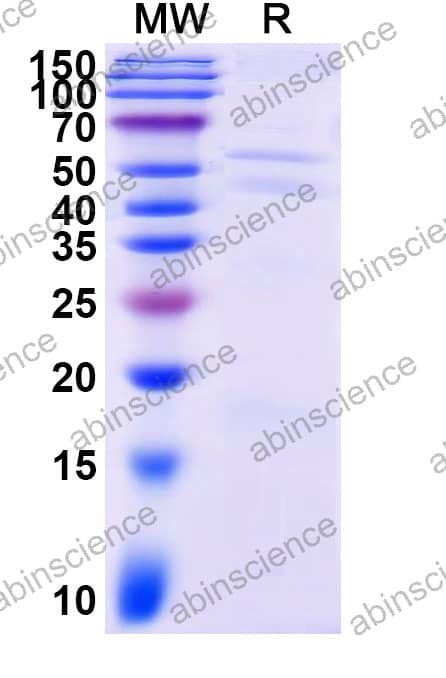

| カタログ番号 | HY387014 | ||||||||
|---|---|---|---|---|---|---|---|---|---|
| 説明 |
Anti-SRC Polyclonal Antibody (HY387014) is a rabbit polyclonal antibody detecting SRC in ELISA, IHC, WB. Suitable for Human, Mouse, Rat, Avian sarcoma virus, and Danio rerio.
Highlights
|
||||||||
| 種反応性 | Human, Mouse, Rat | ||||||||
| アプリケーション | ELISA, IHC, WB | ||||||||
| 宿主種 | Rabbit | ||||||||
| クローン性 | Polyclonal | ||||||||
| アイソタイプ | IgG | ||||||||
| 免疫原 | E. coli - derived recombinant Human SRC (Tyr187-Leu536). | ||||||||
| ターゲット | SRC1, p60-Src, Proto-oncogene tyrosine-protein kinase Src, Proto-oncogene c-Src, SRC, pp60c-src | ||||||||
| 精製 | Purified by antigen affinity column. | ||||||||
| アクセッション番号 | P12931 | ||||||||
| 形態 | Liquid | ||||||||
| 保存バッファー | 0.01M PBS, pH 7.4, 50% Glycerol, 0.05% Proclin 300. データシートのハードコピーまたはロット固有のCOAに記載された具体的なバッファー情報を参照してください。 |
||||||||
| 製品使用情報 |
| ||||||||
| 安定性と保存 | Use a manual defrost freezer and avoid repeated freeze thaw cycles. Store at 2 to 8°C for frequent use. Store at -20 to -80°C for twelve months from the date of receipt. | ||||||||
| 背景 | Proto-oncogene tyrosine-protein kinase Src is a ~59 kDa protein. Non-receptor protein tyrosine kinase which is activated following engagement of many different classes of cellular receptors including immune response receptors, integrins and other adhesion receptors, receptor protein tyrosine kinases, G protein-coupled receptors as well as cytokine receptors. Participates in signaling pathways that control a diverse spectrum of biological activities including gene transcription, immune response, cell adhesion, cell cycle progression, apoptosis, migration, and transformation. Due to functional redundancy between members of the SRC kinase family, identification of the specific role of each SRC kinase is very difficult. SRC appears to be one of the primary kinases activated following engagement of receptors and plays a role in the activation of other protein tyrosine kinase (PTK) families. Receptor clustering or dimerization leads to recruitment of SRC to the receptor complexes where it phosphorylates the tyrosine residues within the receptor cytoplasmic domains. 1. Paré, G. et al. (2021) Frontiers in immunology 12, 650808. PMID: 34234773 2. Wang, Y. et al. (2011) Molecular biology of the cell 22, 1529-38. PMID: 21411625 3. Neuber, S. et al. (2015) Cell and tissue research 359, 799-816. PMID: 25501895 4. Giglione, C. et al. (2001) European journal of biochemistry 268, 3275-83. PMID: 11389730 5. Jeulin, C. et al. (2008) American journal of physiology. Lung cellular and molecular physiology 295, L489-96. PMID: 18586953 6. David-Pfeuty, T. et al. (1995) Journal of virology 69, 1699-713. PMID: 7853507 7. Taniyama, Y. et al. (2003) Molecular and cellular biology 23, 8019-29. PMID: 14585963 8. Grano, M. et al. (1996) Proceedings of the National Academy of Sciences of the United States of America 93, 7644-8. PMID: 8755529 9. Li, Z. et al. (2024) Nature communications 15, 1300. PMID: 38346942 10. Miyazaki, T. et al. (2003) The Journal of cell biology 160, 709-18. PMID: 12615910 | ||||||||
| 注意事項 | For research use only. |
+86-027-65523339
中国武漢市深敦寺路666号C棟、武漢、430206


