
 中文
中文 English
 한국어
한국어 日本語
日本語 Español
 Français
 Русский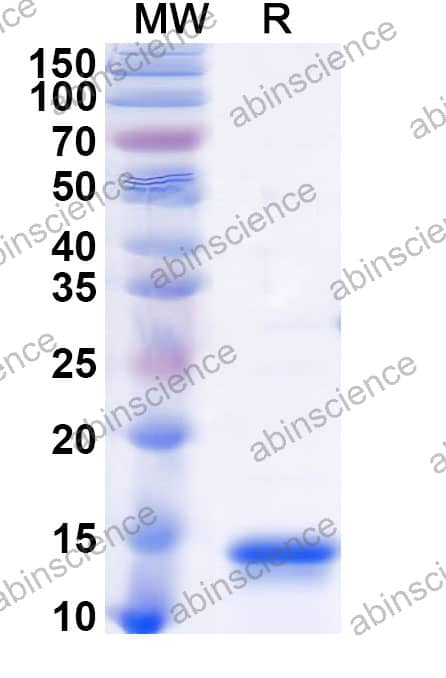


| カタログ番号 | HX165014 | ||||||||
|---|---|---|---|---|---|---|---|---|---|
| 説明 |
Anti-XIAP Polyclonal Antibody (HX165014) is a rabbit polyclonal antibody detecting XIAP in ELISA, IHC, WB. Suitable for Human, Mouse, and Rat.
Highlights
|
||||||||
| 種反応性 | Human | ||||||||
| アプリケーション | ELISA, IHC, WB | ||||||||
| 宿主種 | Rabbit | ||||||||
| クローン性 | Polyclonal | ||||||||
| アイソタイプ | IgG | ||||||||
| 免疫原 | E. coli - derived recombinant Human XIAP (Met1-Ser497). | ||||||||
| ターゲット | ILP, IAP-like protein, X-linked inhibitor of apoptosis protein, IAP-3, hILP, X-linked IAP, Baculoviral IAP repeat-containing protein 4, Inhibitor of apoptosis protein 3, RING-type E3 ubiquitin transferase XIAP, E3 ubiquitin-protein ligase XIAP, API3, XIAP, hIAP-3, hIAP3, BIRC4, IAP3 | ||||||||
| 精製 | Purified by antigen affinity column. | ||||||||
| アクセッション番号 | P98170 | ||||||||
| 形態 | Liquid | ||||||||
| 保存バッファー | 0.01M PBS, pH 7.4, 50% Glycerol, 0.05% Proclin 300. データシートのハードコピーまたはロット固有のCOAに記載された具体的なバッファー情報を参照してください。 |
||||||||
| 製品使用情報 |
| ||||||||
| 安定性と保存 | Use a manual defrost freezer and avoid repeated freeze thaw cycles. Store at 2 to 8°C for frequent use. Store at -20 to -80°C for twelve months from the date of receipt. | ||||||||
| 背景 | E3 ubiquitin-protein ligase XIAP is a ~56 kDa protein. Multi-functional protein which regulates not only caspases and apoptosis, but also modulates inflammatory signaling and immunity, copper homeostasis, mitogenic kinase signaling, cell proliferation, as well as cell invasion and metastasis. Acts as a direct caspase inhibitor. Directly bind to the active site pocket of CASP3 and CASP7 and obstructs substrate entry. Inactivates CASP9 by keeping it in a monomeric, inactive state. Acts as an E3 ubiquitin-protein ligase regulating NF-kappa-B signaling and the target proteins for its E3 ubiquitin-protein ligase activity include: RIPK1, RIPK2, MAP3K2/MEKK2, DIABLO/SMAC, AIFM1, CCS, PTEN and BIRC5/survivin. 1. Chai, J. et al. (2001) Cell 104, 769-80. PMID: 11257230 2. Huang, Y. et al. (2001) Cell 104, 781-90. PMID: 11257231 3. Suzuki, Y. et al. (2001) Proceedings of the National Academy of Sciences of the United States of America 98, 8662-7. PMID: 11447297 4. MacFarlane, M. et al. (2002) The Journal of biological chemistry 277, 36611-6. PMID: 12121969 5. Shiozaki, EN. et al. (2003) Molecular cell 11, 519-27. PMID: 12620238 6. Lu, M. et al. (2007) Molecular cell 26, 689-702. PMID: 17560374 7. Wilkinson, JC. et al. (2008) Molecular and cellular biology 28, 237-47. PMID: 17967870 8. Van Themsche, C. et al. (2009) The Journal of biological chemistry 284, 20462-6. PMID: 19473982 9. Brady, GF. et al. (2010) Molecular and cellular biology 30, 1923-36. PMID: 20154138 10. Lewis, EM. et al. (2011) Biochemistry 50, 11084-96. PMID: 22103349 | ||||||||
| 注意事項 | For research use only. |
+86-027-65523339
中国武漢市深敦寺路666号C棟、武漢、430206


