
 中文
 English
 한국어
 日本語
 Español
 Français
 Русский
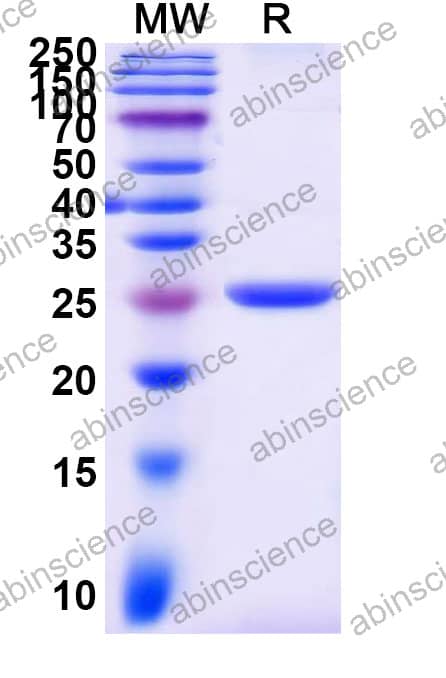

| カタログ番号 | HA507014 | ||||||||
|---|---|---|---|---|---|---|---|---|---|
| 説明 |
Anti-Human SLC15A1 Polyclonal Antibody (HA507014) is a rabbit polyclonal antibody detecting SLC15A1 in ELISA, IHC, WB. Suitable for Human.
Highlights
|
||||||||
| 種反応性 | Human | ||||||||
| アプリケーション | ELISA, IHC, WB | ||||||||
| 宿主種 | Rabbit | ||||||||
| クローン性 | Polyclonal | ||||||||
| アイソタイプ | IgG | ||||||||
| 免疫原 | E. coli - derived recombinant Human SLC15A1 (Asp383-Gln584). | ||||||||
| ターゲット | SLC15A1 | ||||||||
| 精製 | Purified by antigen affinity column. | ||||||||
| アクセッション番号 | P46059 | ||||||||
| 形態 | Liquid | ||||||||
| 保存バッファー | 0.01M PBS, pH 7.4, 50% Glycerol, 0.05% Proclin 300. データシートのハードコピーまたはロット固有のCOAに記載された具体的なバッファー情報を参照してください。 |
||||||||
| 製品使用情報 |
| ||||||||
| 安定性と保存 | Use a manual defrost freezer and avoid repeated freeze thaw cycles. Store at 2 to 8°C for frequent use. Store at -20 to -80°C for twelve months from the date of receipt. | ||||||||
| 別名 | Solute carrier family 15 member 1, Intestinal H(+)/peptide cotransporter, Oligopeptide transporter, small intestine isoform, Peptide transporter 1, SLC15A1, PEPT1 | ||||||||
| 背景 | Solute carrier family 15 member 1 (SLC15A1) is a ~78 kDa protein. Electrogenic proton-coupled amino-acid transporter that transports oligopeptides of 2 to 4 amino acids with a preference for dipeptides. Transports neutral and monovalently charged peptides with a proton to peptide stoichiometry of 1:1 or 2:1. Primarily responsible for the absorption of dietary di- and tripeptides from the small intestinal lumen. Mediates transepithelial transport of muramyl and N-formylated bacterial dipeptides contributing to recognition of pathogenic bacteria by the mucosal immune system. 1. Vavricka, SR. et al. (2004) Gastroenterology 127, 1401-9. PMID: 15521010 2. Sala-Rabanal, M. et al. (2008) American journal of physiology. Renal physiology 294, F1422-32. PMID: 18367661 3. Xu, L. et al. (2009) Pharmaceutical research 26, 2358-66. PMID: 19685173 4. Beale, JH. et al. (2015) Structure (London, England : 1993) 23, 1889-1899. PMID: 26320580 5. Liang, R. et al. (1995) The Journal of biological chemistry 270, 6456-63. PMID: 7896779 6. Mackenzie, B. et al. (1996) Biochimica et biophysica acta 1284, 125-8. PMID: 8914574 7. Merlin, D. et al. (1998) The Journal of clinical investigation 102, 2011-8. PMID: 9835627 | ||||||||
| 注意事項 | For research use only. |
お問い合わせ
+86-027-65523339
中国武漢市深敦寺路666号C棟、武漢、430206


