Over the past month, supported by abinScience's professional technical expertise, multiple studies centered on antibodies and proteins have been published in journals such as Cell Reports Medicine, Advanced Science, and Nature Communications. The research focuses on areas including novel vascular stents, anti-tumor immunity, primary central nervous system lymphoma, hepatocellular carcinoma, nasopharyngeal carcinoma, the traditional Chinese medicine mechanism of rapeseed pollen, corneal alkali burns, and steatohepatitis. These studies deeply explore tumor disease pathway mechanisms and drug target screening. This April literature digest brings you the latest important advances from the forefront of global scientific research.
No.1
Title: Phosphatidylserine-everted erythrocyte membrane vesicles enhance efferocytosis and remodeling of vascular grafts
Journal: Nature Communications
Impact Factor: 15.7
Affiliation: Huazhong University of Science and Technology
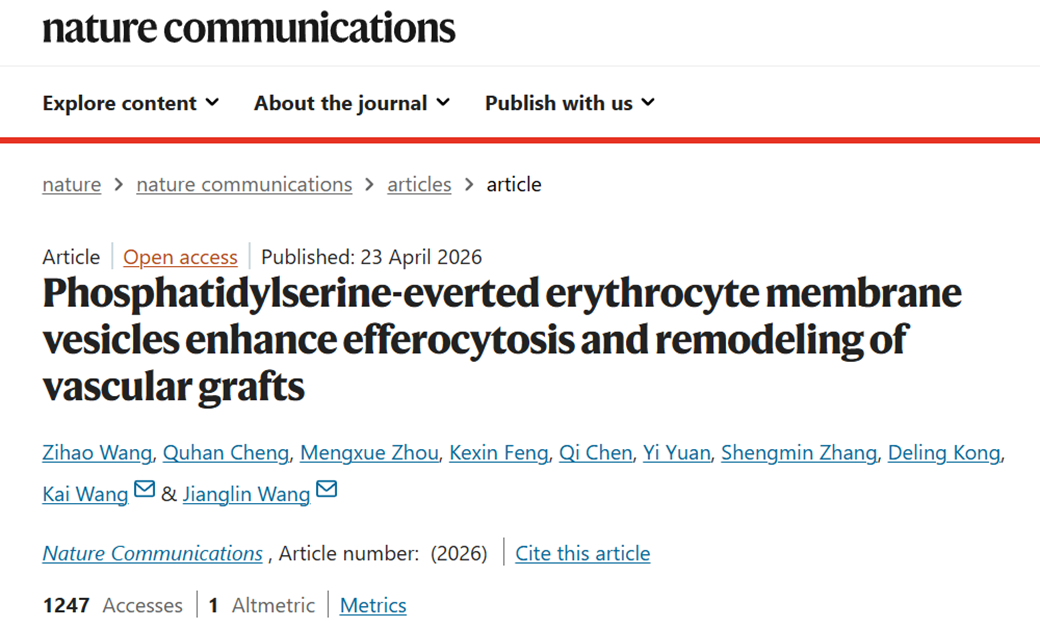
Traditional erythrocyte membrane vesicles (EMVs) primarily rely on "immune escape" signals for passive drug delivery. This study introduces an innovative phosphatidylserine (PS) eversion method (PEM) to prepare PS-everted erythrocyte membrane vesicles (PS-EMVs) with active immunomodulatory functions. The study found that PS on the surface of these vesicles acts as an "eat me" signal, specifically activating the MerTK signaling pathway in macrophages to trigger efferocytosis. This shifts the immune microenvironment from a pro-inflammatory state to a pro-regenerative state. In animal experiments, PS-EMVs modified onto small-diameter vascular stents (PEMVG) significantly enhanced endothelialization, inhibited vascular calcification, and achieved 100% long-term patency rates in rabbit and rat models, outperforming clinically used ePTFE artificial blood vessels. This research demonstrates the great potential of using autologous erythrocytes to develop low-cost, customized biological interfaces for immune-mediated tissue regeneration.
abinScience provided Bavituximab-APC (Cat. No.: YP862016) fluorescent-labeled antibody, a PS-specific antibody used in flow cytometry experiments to quantitatively detect the degree of PS eversion on the surface of PS-EMVs. It demonstrated that the "phosphatidylserine eversion method (PEM)" is superior to the traditional extrusion method (CEM), accurately determining that the PS eversion rate of PS-EMVs reached approximately 80.60%.
No.2
Title: Chemically Engineered L. reuteri Delivering αPD-L1 and Gallium Ions via Metal-Phenolic Networks Potentiate Anti-Tumor Immunity and Ferroptosis
Journal: Advanced Science
Impact Factor: 14.1
Affiliation: Peking Union Medical College
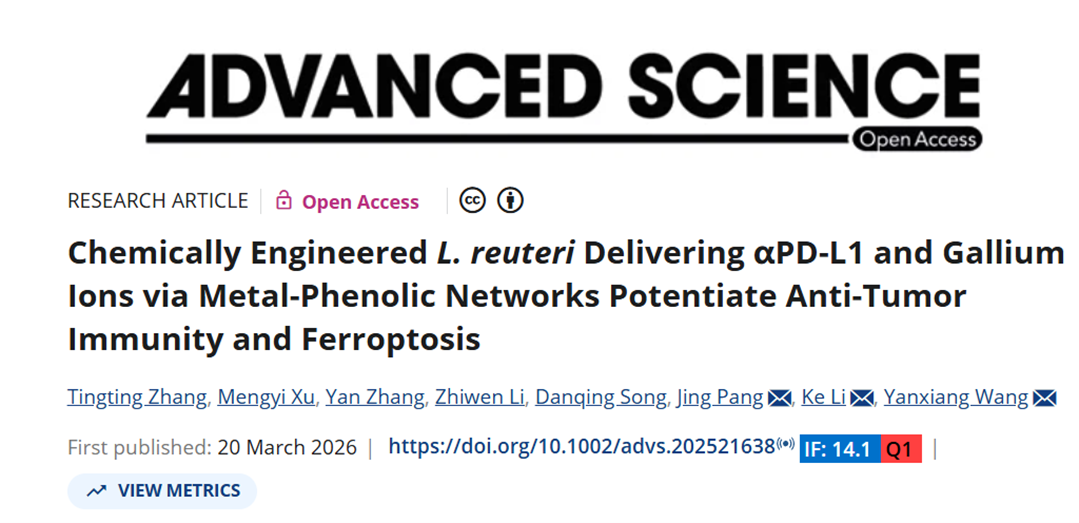
This study addresses the hypoxic and immunosuppressive characteristics of the solid tumor microenvironment (TME) by developing an innovative probiotic-based synergistic therapy. The research background focuses on the limitations of immune checkpoint inhibitors (ICIs) in treating "cold" tumors and the potential safety risks of genetically engineered bacteria. The research team used metal-phenolic networks (MPNs) to chemically modify Lactobacillus reuteri (L. reuteri), loading monoclonal anti-PD-L1 antibodies and gallium ions (Ga3+) onto its surface to construct a nanoscale coating system. Results showed that the system can precisely localize to the hypoxic regions of tumors via bacterial chemotaxis and responsively release its cargo in the acidic TME. It reverses immune suppression through aPD-L1 while using Ga3+ to mimic Fe3+ and disrupt iron metabolism, inducing ferroptosis in tumor cells. The study concludes that this biomaterial integrating bacterial targeting, ferroptosis induction, and immune activation significantly enhances anti-tumor immune responses and inhibits tumor growth in multiple mouse tumor models, offering new strategies for treating refractory "cold" tumors.
abinScience provided Recombinant PD-1 Fc protein for antibody activity validation. Researchers used this protein in vitro for competitive binding assays (PD-1/PD-L1 blockade experiments) with aPD-L1-modified bacteria, assessing blockade efficiency via flow cytometry. This confirmed that the chemical modification process did not impair the antibody's binding ability to its target, ensuring the engineered bacterial system could still precisely implement immune checkpoint blockade in the complex tumor microenvironment and providing solid biochemical evidence for the synergistic therapeutic effects in subsequent in vivo experiments.
No.3
Title: HE4 drives PD-L1 expression in myeloid cells via IFN-γR-JAK-STAT3 signaling to promote tumor immune evasion
Journal: Cell Reports Medicine
Impact Factor: 10.6
Affiliation: Medical School, University of Electronic Science and Technology of China
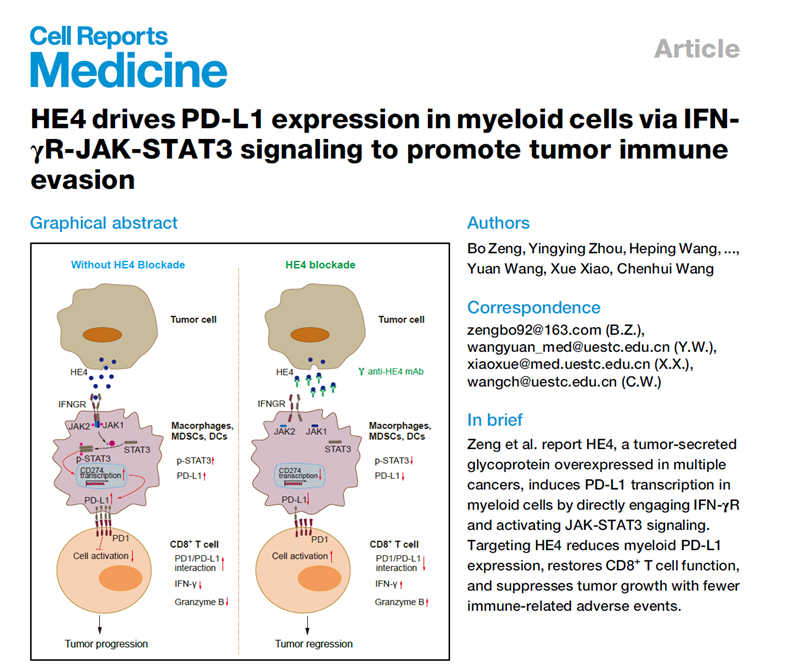
This study reveals the critical role of the tumor-secreted glycoprotein HE4 (human epididymis protein 4) in immune evasion. While immune checkpoint therapies (such as PD-1/PD-L1 inhibitors) have achieved success, most patients show poor responses and experience side effects. The regulatory mechanisms of PD-L1 in myeloid cells remain unclear. The study found that HE4 is highly expressed in various tumors and can directly bind to the IFN-γ receptor on myeloid cells, driving PD-L1 transcription by activating the JAK-STAT3 signaling pathway. The findings indicate that neutralizing HE4 with monoclonal antibodies significantly reduces myeloid PD-L1 expression, restores CD8+ T cell anti-tumor activity, and effectively inhibits tumor growth. Moreover, HE4 is not only a potential therapeutic target but its expression level can also predict clinical response to PD-1 inhibitors in lung adenocarcinoma patients.
abinScience provided Recombinant Fc-tagged human HE4 protein (Cat. No.: HC595031) for this study, primarily used to validate the biological effects of HE4 on myeloid cells. Treatment of differentiated THP-1 macrophages with this protein significantly induced PD-L1 mRNA and protein expression. It was also used to screen and validate the neutralizing efficacy of anti-human HE4 monoclonal antibodies by testing their ability to inhibit protein-cell binding and downstream signaling. This is a key step in translating the core mechanism of HE4-regulated PD-L1 from animal models to human clinical applications and lays the experimental foundation for developing humanized immunotherapies targeting HE4.
No.4
Title: Multicenter Real-World Analysis of Glofitamab in Relapsed/Refractory Primary CNS Lymphoma: Clinical Activity, CNS Penetration, and ctDNA Dynamics
Journal: American Journal of Hematology
Impact Factor: 9.9
Affiliation: Department of Hematology, The First Affiliated Hospital of Fujian Medical University
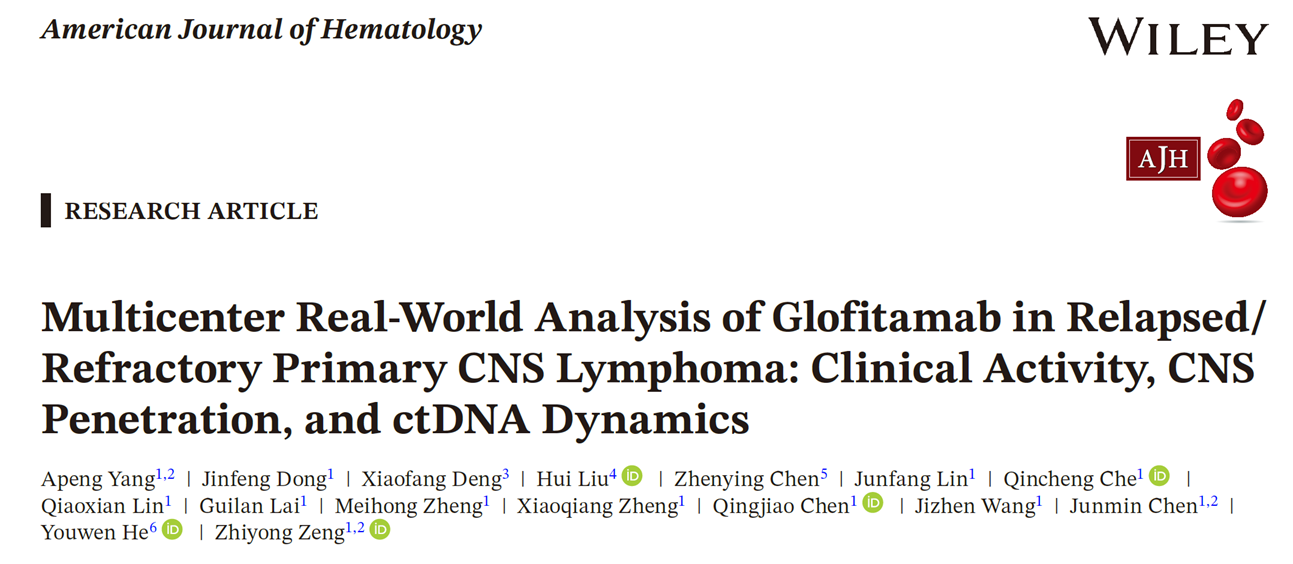
This study evaluates the clinical efficacy and safety of the bispecific antibody Glofitamab in treating relapsed/refractory primary central nervous system lymphoma (R/R PCNSL). Patients with R/R PCNSL have extremely poor prognoses and lack standard second-line regimens. While CD20/CD3 bispecific antibodies have shown excellent performance in systemic lymphomas, data on their use in CNS lymphomas is limited. Analysis of multicenter real-world cases showed that Glofitamab has significant anti-tumor activity with an objective response rate (ORR) of 58.3% and good safety in these patients, with mostly low-grade cytokine release syndrome (CRS). The study also confirmed that Glofitamab effectively penetrates the blood-brain barrier, and dynamic changes in circulating tumor DNA (ctDNA) in cerebrospinal fluid can reflect treatment response earlier than imaging. The conclusion states that Glofitamab is a highly promising treatment option for R/R PCNSL patients, and ctDNA detection can serve as an important auxiliary tool for evaluating efficacy.
abinScience provided Recombinant human CD20 protein (Cat. No.: HW240161). It was used to verify drug binding specificity and detect antibody titers in samples via ELISA. Researchers used this recombinant protein to capture and quantitatively analyze Glofitamab concentrations in patient serum and cerebrospinal fluid (CSF), obtaining key pharmacokinetic data on the drug’s ability to penetrate the blood-brain barrier. This not only confirmed the physical capability of the bispecific antibody to enter the central nervous system at the molecular level but also provided direct quantitative evidence supporting the core conclusion that “Glofitamab concentration is positively correlated with clinical response rates.”
No.5
Title: AURKA suppresses NCOA4-mediated ferritinophagy to enhance sorafenib resistance in hepatocellular carcinoma
Journal: Cell Death & Disease
Impact Factor: 9.6
Affiliation: State Key Laboratory of Oncology in South China, Sun Yat-sen University
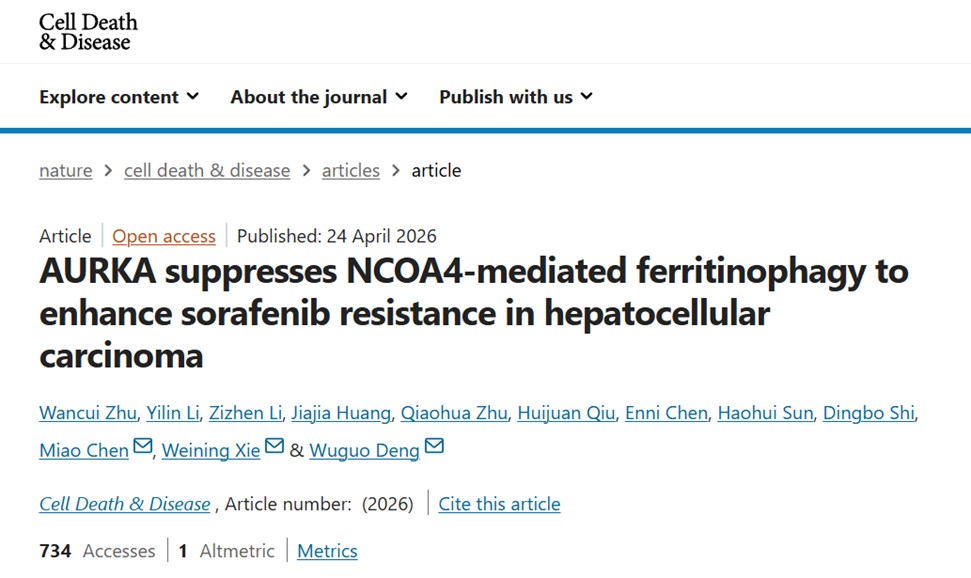
This study uncovers the molecular mechanism by which aurora kinase A (AURKA) enhances sorafenib resistance in hepatocellular carcinoma (HCC) by suppressing NCOA4-mediated ferritinophagy. Sorafenib, a first-line drug for advanced liver cancer, often faces limitations due to acquired resistance. Ferroptosis, a novel form of cell death, holds potential for overcoming drug resistance. Results showed that AURKA is highly expressed in sorafenib-resistant HCC tissues and directly binds to nuclear receptor coactivator 4 (NCOA4), inducing its ubiquitination and degradation. Reduced NCOA4 inhibits ferritin degradation and subsequent iron ion release, thereby blocking sorafenib-induced ferroptosis. The study concludes that the AURKA-NCOA4 signaling axis is a key switch regulating ferroptosis and drug sensitivity in liver cancer. Combining AURKA inhibitors with sorafenib can significantly reverse resistance and inhibit tumor growth, providing new strategies for clinical treatment.
abinScience provided Recombinant human NCOA4 protein (Cat. No.: HW148011), which was used in Microscale Thermophoresis (MST) experiments to directly detect and quantify the physical binding affinity between AURKA kinase and NCOA4 protein in vitro. These biophysical results confirmed the direct interaction between the two proteins, providing the most direct evidence for the core molecular mechanism “AURKA directly binds NCOA4 and induces its degradation,” linking clinical observations with the underlying protein interaction logic.
No.6
Title: Alterations in NK cell subsets and the regulatory role of JAB1 in nasopharyngeal carcinoma with implications for tumor immunity and biomarker development
Journal: British Journal of Cancer
Impact Factor: 6.8
Affiliation: Zhongnan Hospital of Wuhan University
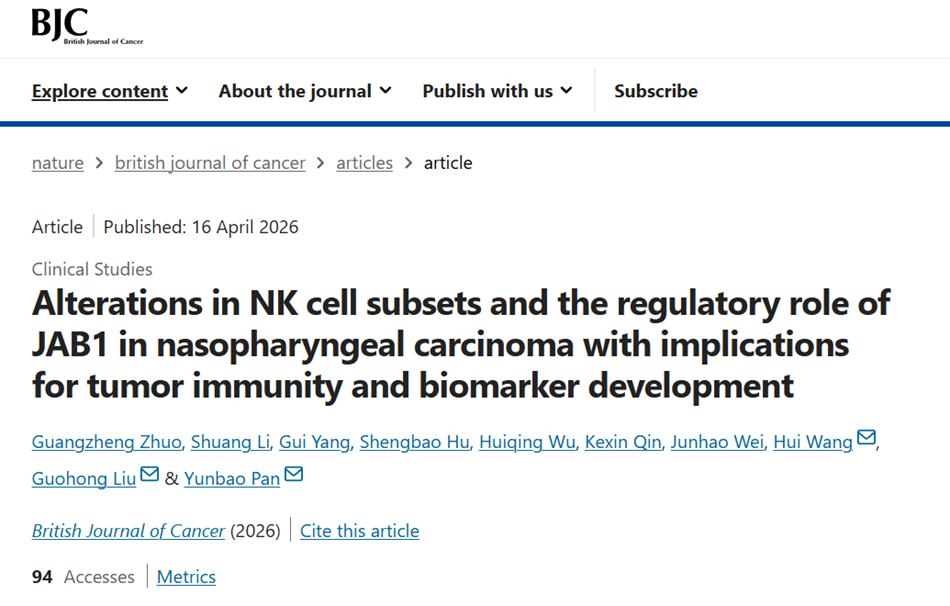
This article investigates changes in natural killer (NK) cell subsets in the peripheral blood of nasopharyngeal carcinoma (NPC) patients and explores the role of JAB1 in regulating the tumor immune environment. Given the challenges of early NPC diagnosis and the insufficient sensitivity of existing peripheral blood tumor markers, the study employed single-cell sequencing, bulk RNA sequencing, and flow cytometry. Results showed that high levels of CD16+CD57+ NK cells in peripheral blood are associated with better prognosis, while increased CD16- NK cells indicate poorer prognosis. JAB1 was also found to enhance NK cell cytotoxicity through gene regulation. The combined detection of JAB1 and CD107a outperforms traditional markers in NPC diagnosis and prognosis evaluation. The study concludes that NK cell subsets and JAB1 play key roles in NPC immunity, providing important evidence for developing new biomarkers and immunotherapy targets.
abinScience provided anti-IL2-APC (Cat. No.: SAA0370). It was mainly used in IL-2 secretion assays. Following stimulation of whole blood samples, staining and flow cytometric analysis precisely measured IL-2 secretion levels by NK cells. This was crucial for evaluating the functional status of different NK cell subsets and their cytokine production capacity under JAB1 regulation. The results directly support the core argument regarding how JAB1 alters the tumor immune microenvironment by influencing NK cell function.
No.7
Title: Pollen of Brassica campestris L. ameliorates hyperuricemic and obstructive nephropathy by targeting the β-catenin/TCF4-ferroptosis pathway
Journal: Journal of Ethnopharmacology
Impact Factor: 5.4
Affiliation: College of Pharmaceutical Sciences, Zhejiang University
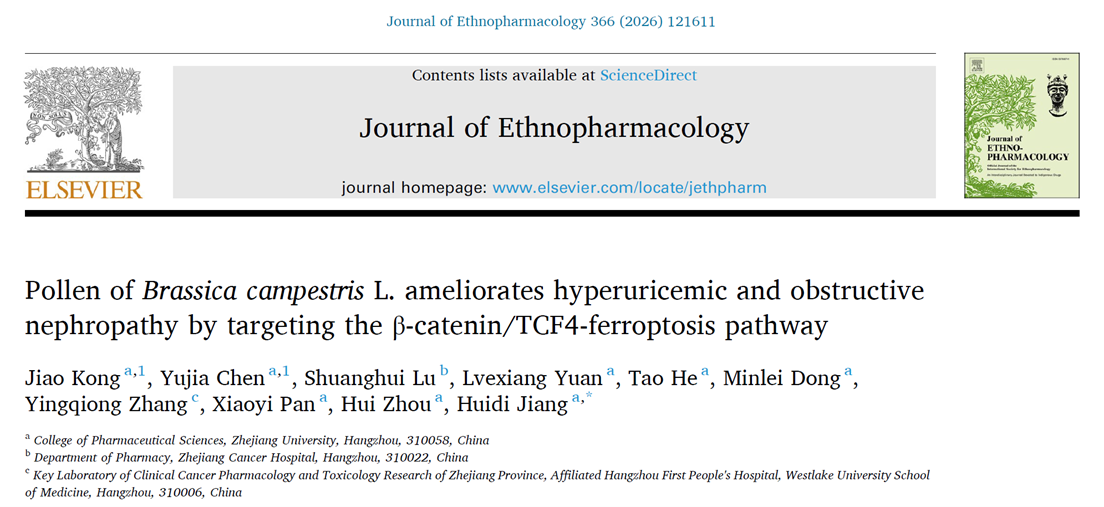
This study explores the therapeutic effects and molecular mechanisms of Brassica campestris L. pollen (BCP) on hyperuricemic nephropathy (HN) and obstructive nephropathy (UUO). Chronic kidney disease (CKD) has a high global incidence and lacks effective multi-target drugs. As a traditional kidney-tonifying Chinese medicine, the clinical potential of BCP remains to be fully explored. Results showed that BCP reduces uric acid by inhibiting uric acid-generating enzymes and regulating transporter levels, while significantly alleviating renal inflammation, fibrosis, and functional damage in mice. The study concludes that BCP and its active components kaempferol (Kaempferol) and kaempferol-3-O-glucuronide (K-3-G) exert significant renoprotective effects by inhibiting the β-catenin/TCF4 signaling pathway and subsequently blocking ferroptosis.
abinScience provided Recombinant human beta-catenin (CTNNB1, N-His) for this study. It was used in Surface Plasmon Resonance (SPR) experiments. The protein was immobilized on the chip surface to accurately detect and confirm the direct binding strength and affinity between the active components kaempferol/K-3-G and beta-catenin. This biochemically confirmed that beta-catenin is the direct target of BCP’s active components in exerting renoprotective effects, fully linking the “drug component–direct target–signaling pathway–cellular phenotype (ferroptosis)” molecular mechanism chain.
No.8
Title: Targeted proteomic and bioinformatic investigation of extracellular matrix remodeling in hAEC-EV-mediated corneal repair
Journal: Frontiers in Bioengineering and Biotechnology
Impact Factor: 4.8
Affiliation: Shanghai Jiao Tong University School of Medicine
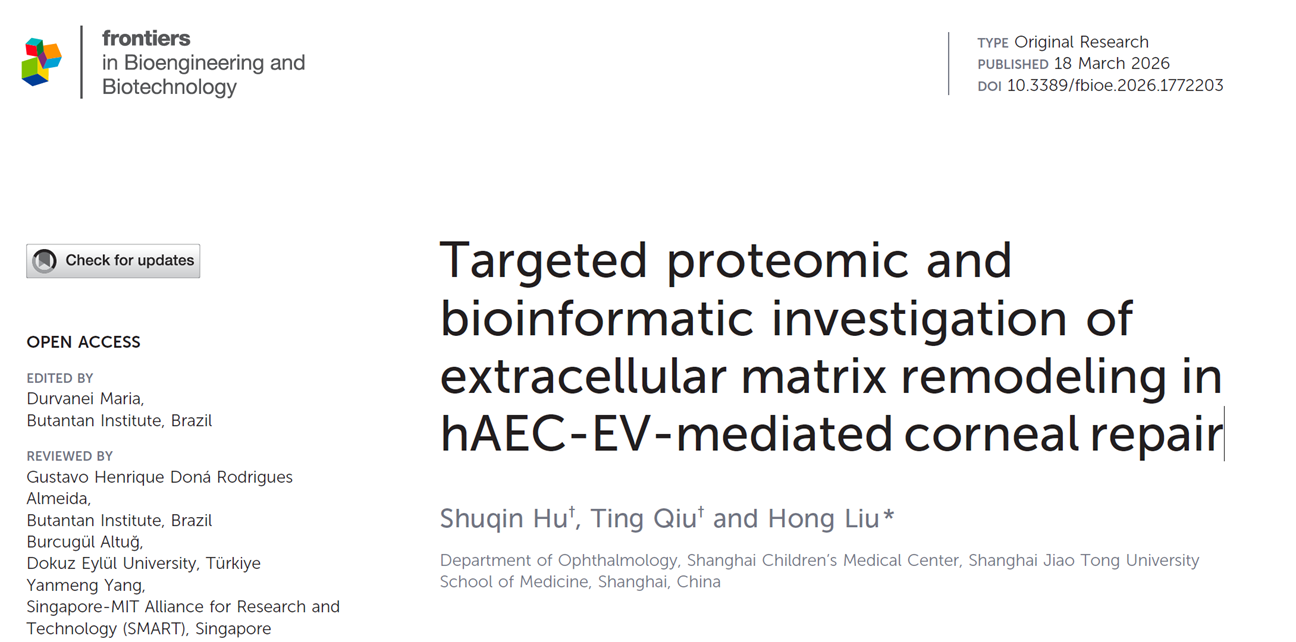
This study addresses the lack of effective clinical interventions for corneal alkali burns by exploring the molecular mechanisms of human amniotic epithelial cell-derived exosomes (hAEC-EVs) in promoting corneal repair. The research focuses on the critical role of extracellular matrix (ECM) remodeling in restoring corneal transparency and function. Using proteomics and bioinformatics analysis, combined with a rabbit corneal alkali burn model and in vitro cell experiments, the team found that hAEC-EV treatment significantly upregulates ECM-stabilizing molecules such as A2M, LAMA1, and VIT, while downregulating the protease CTSB associated with inflammation and injury. Functional experiments further confirmed that hAEC-EVs directly enhance the proliferation and migration of corneal epithelial and stromal cells and reshape the corneal immune microenvironment. The conclusion states that hAEC-EVs promote corneal repair by coordinating ECM remodeling, regulating key signaling networks, and modulating immune responses, providing important theoretical support for their clinical application.
abinScience provided COL15A1 primary antibody (Cat. No.: HW534014) for Western Blotting experiments to validate the accuracy of differentially expressed genes (ECMRDEGs) at the protein level. COL15A1 (collagen type XV) is one of the 10 core ECM genes identified as closely related to corneal injury repair. The study confirmed changes in COL15A1 expression during hAEC-EV treatment, providing direct molecular evidence for how hAEC-EVs achieve corneal ECM remodeling by regulating specific collagen components.
No.9
Title: Lonidamine ameliorates MASH by reducing SREBP1 and inhibiting the MAPK pathway
Journal: Frontiers in Bioengineering and Biotechnology
Impact Factor: 3.4
Affiliation: Zhejiang Provincial People’s Hospital
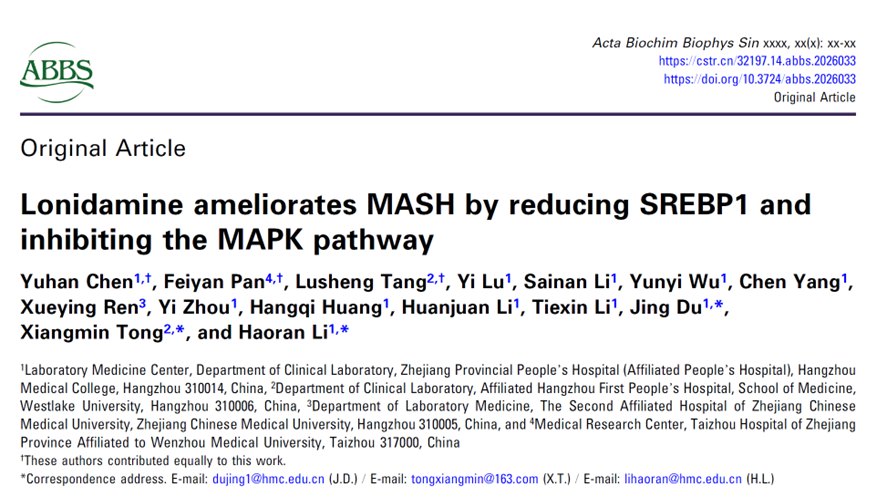
This article explores the therapeutic potential and mechanism of action of the indazole derivative lonidamine (LND) on metabolic dysfunction-associated steatohepatitis (MASH). MASH has become a global epidemic with a lack of effective treatment strategies, while LND is known for its anti-tumor and anti-inflammatory properties. In a high-fat, high-cholesterol diet-induced MASH mouse model, LND significantly reduced body weight gain, hepatic steatosis, inflammation, and metabolic dysfunction. Further mechanistic studies revealed that LND alleviates inflammation by inhibiting the mitogen-activated protein kinase (MAPK) signaling pathway and directly interacts with sterol regulatory element-binding protein 1 (SREBP1) to promote its degradation, thereby improving lipid metabolism disorders. The study concludes that LND has promising clinical potential as a therapeutic agent for MASH.
abinScience provided Recombinant mouse SREBP1 protein (His-tagged, Cat. No.: HW748012). In Biolayer Interferometry (BLI) experiments, the protein was immobilized on biosensors to monitor and quantify in real time the direct interaction between the LND molecule and SREBP1. These results, consistent with molecular docking simulations, confirmed from a physicochemical perspective that LND directly binds SREBP1. This is of decisive significance for elucidating the core molecular mechanism by which LND regulates lipid metabolism through SREBP1 degradation.


 中文
中文 English
 한국어
한국어 日本語
日本語 Español
 Français
 Русский


