Please ensure Javascript is enabled for purposes of website accessibility
Inicio > Research Area > Signaling Pathways

Signaling Pathways

Signaling Pathway Research Reagents

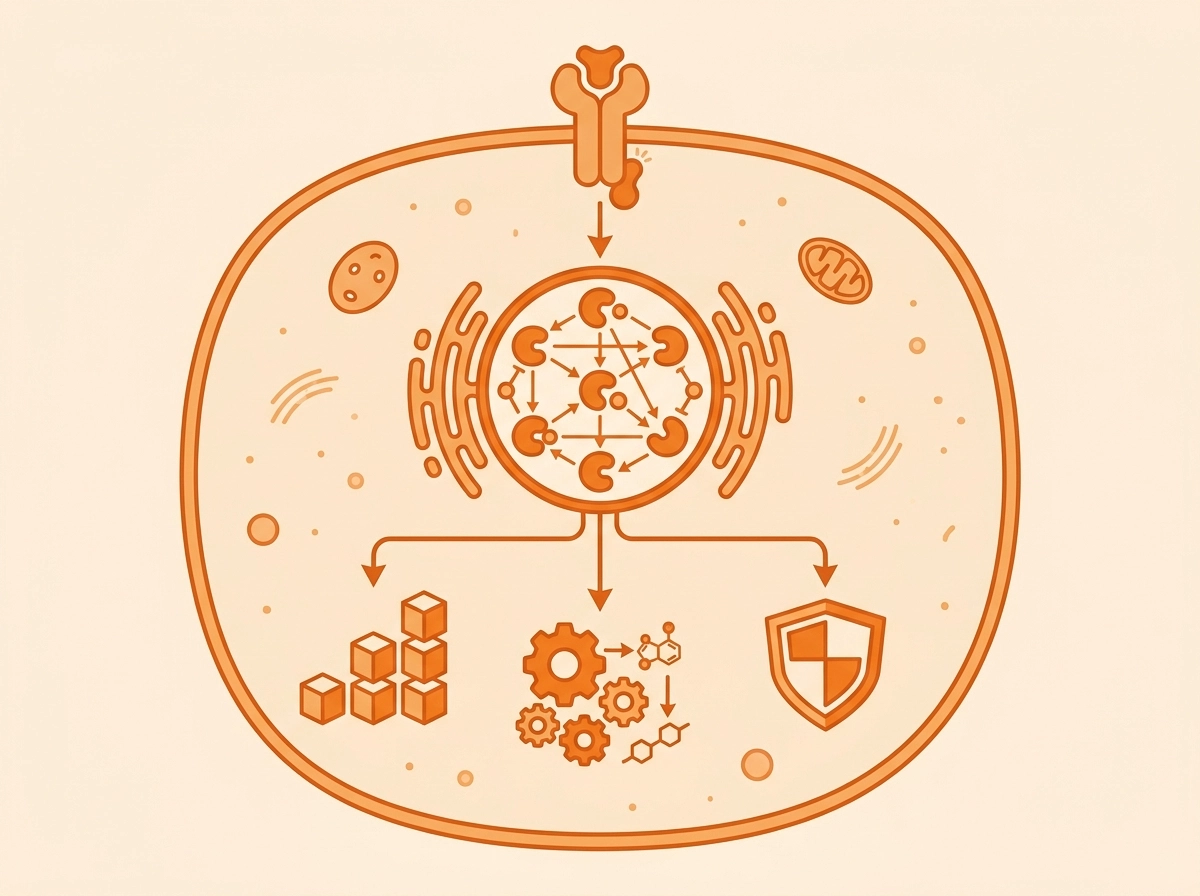
Cell signaling pathways control how cells respond to their environment — regulating proliferation, differentiation, survival, and apoptosis. Dysregulation of these pathways drives cancer, developmental disorders, fibrosis, and inflammatory disease, making them central targets in both basic research and drug discovery. abinScience covers five major signaling cascades from receptor-level ligands to downstream transcription factors.

Research Use Only (RUO)Not intended for diagnostic or therapeutic procedures.

abinScience provides validated recombinant proteins and antibodies for key signaling pathway targets. Available in His-tag, Fc-tag, and fluorophore-conjugated formats across human and mouse species. All products are manufactured by our parent company AtaGenix Laboratories under ISO quality systems. Browse pathways below or contact us for custom development.

Key Signaling Pathways

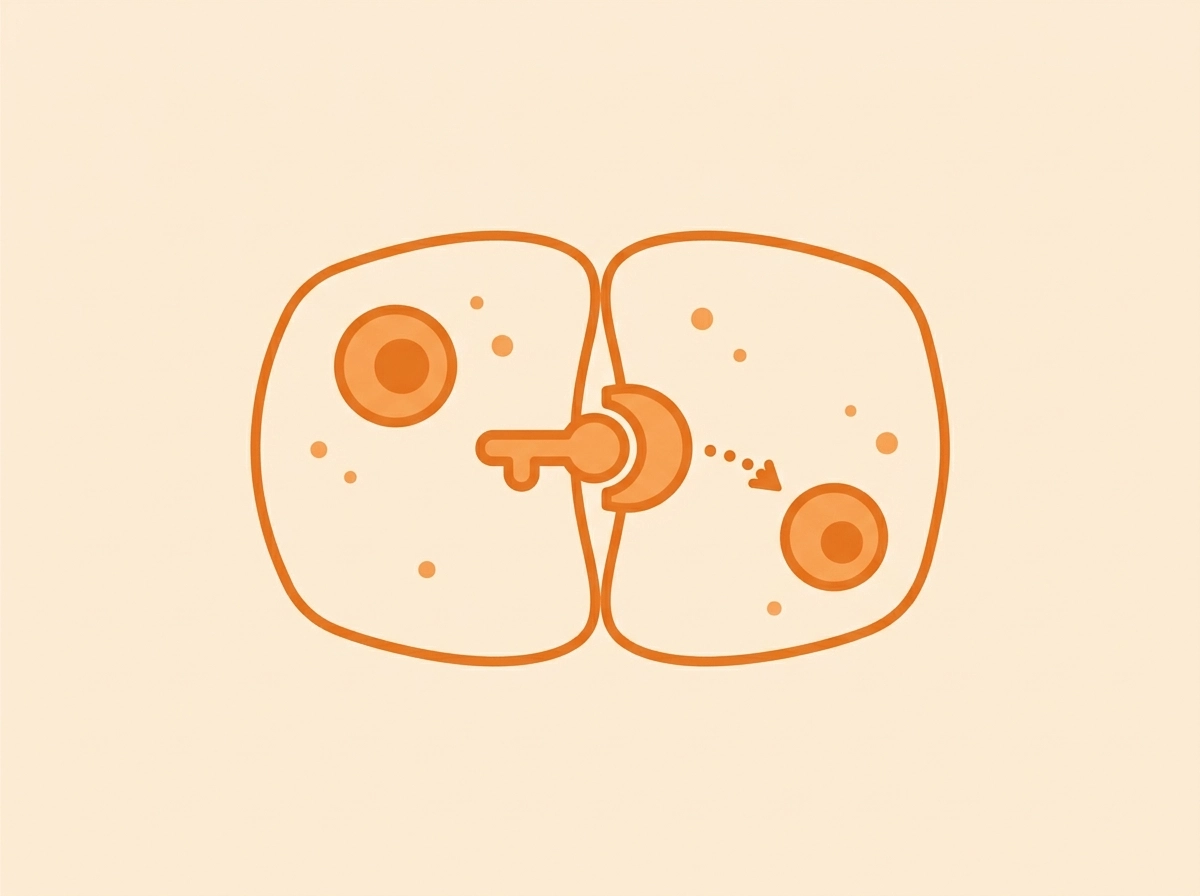
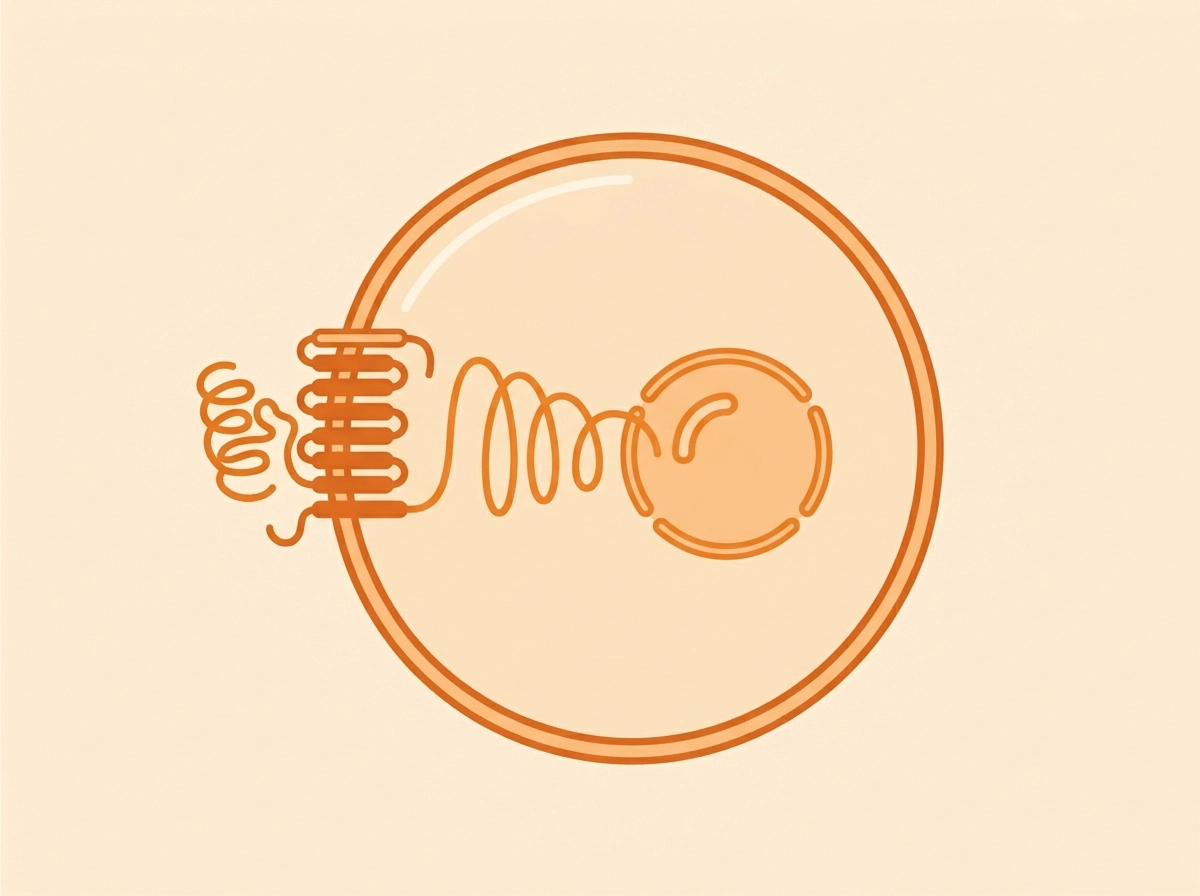
Notch Signaling — Conserved cell-cell contact mechanism regulating cell fate decisions. Ligand binding (DLL1/4, Jagged1) triggers proteolytic cleavage of Notch receptors and nuclear translocation of NICD. Aberrant Notch signaling drives T-ALL, breast cancer, and vascular disorders.
→ Browse Notch1, Notch2, Notch3, DLL4, DLL1, Jagged1

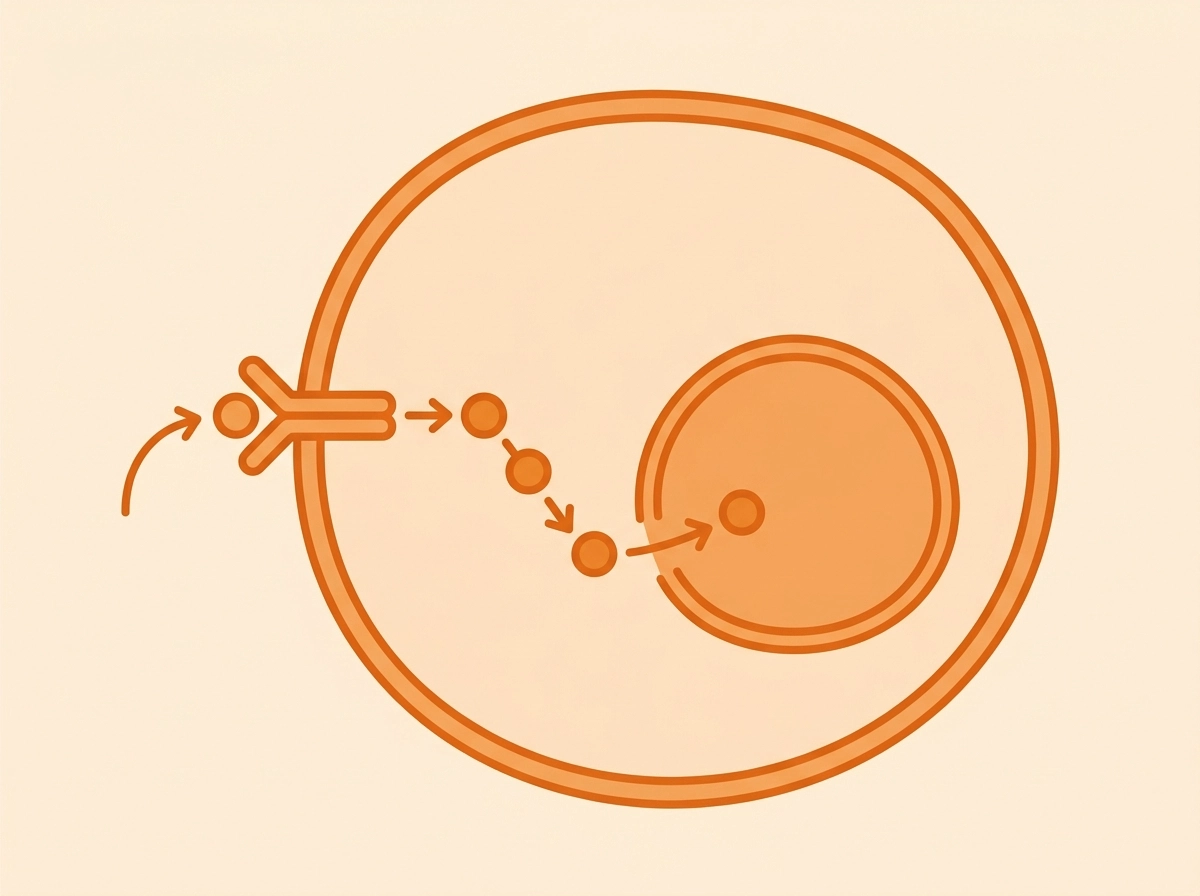
TGF-β/SMAD Pathway — Regulates cell growth, differentiation, apoptosis, and extracellular matrix production. TGF-β ligands signal through type I/II receptors, phosphorylating SMAD2/3 for nuclear translocation. Central to fibrosis, EMT, immune suppression, and tumor microenvironment remodeling.
→ Browse TGF-β1, TGFβR1/R2, SMAD2, SMAD3, SMAD4, SMAD7

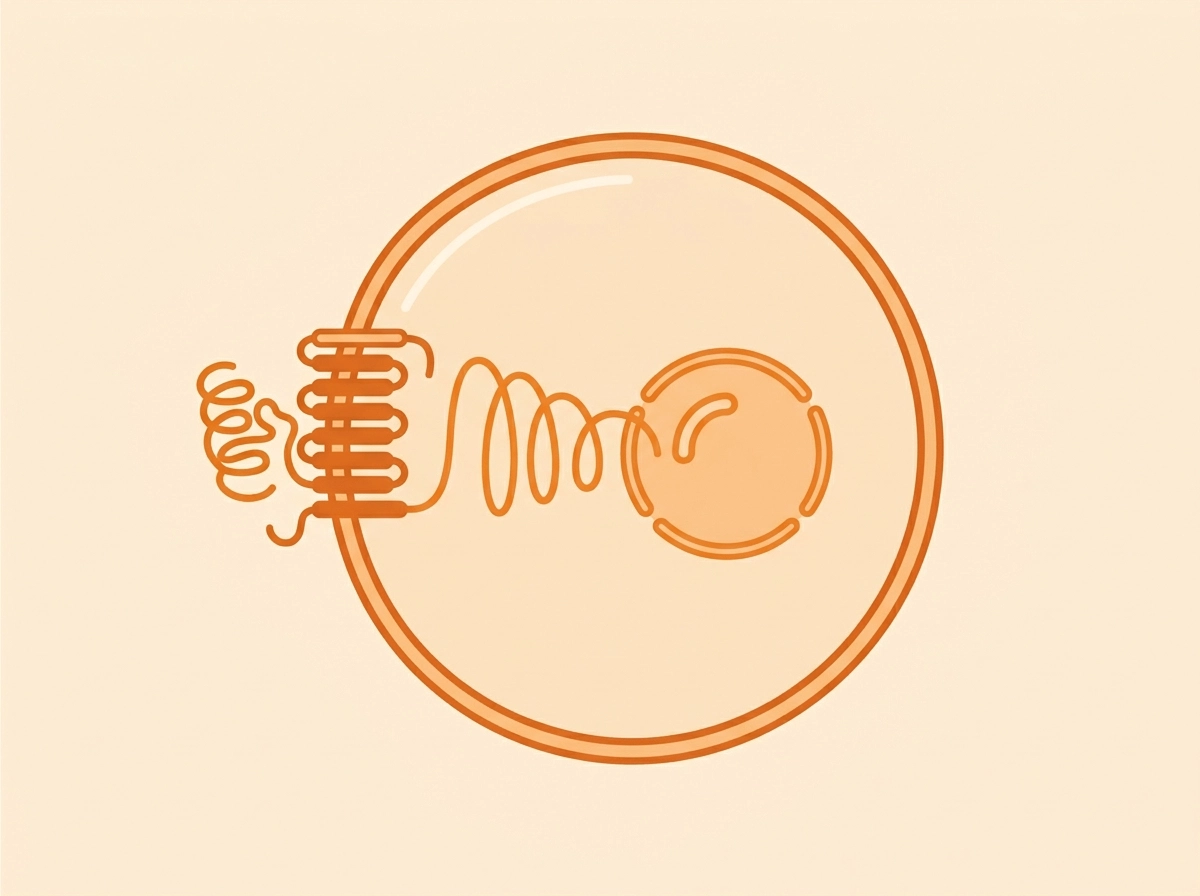
WNT Signaling — Governs embryonic development, tissue homeostasis, and stem cell self-renewal through canonical (β-Catenin-dependent) and non-canonical pathways. Dysregulation drives colorectal cancer, hepatocellular carcinoma, and fibrotic disease.
→ Browse FZD1–10, WNT3A, WNT5A, β-Catenin, Axin, GSK-3β

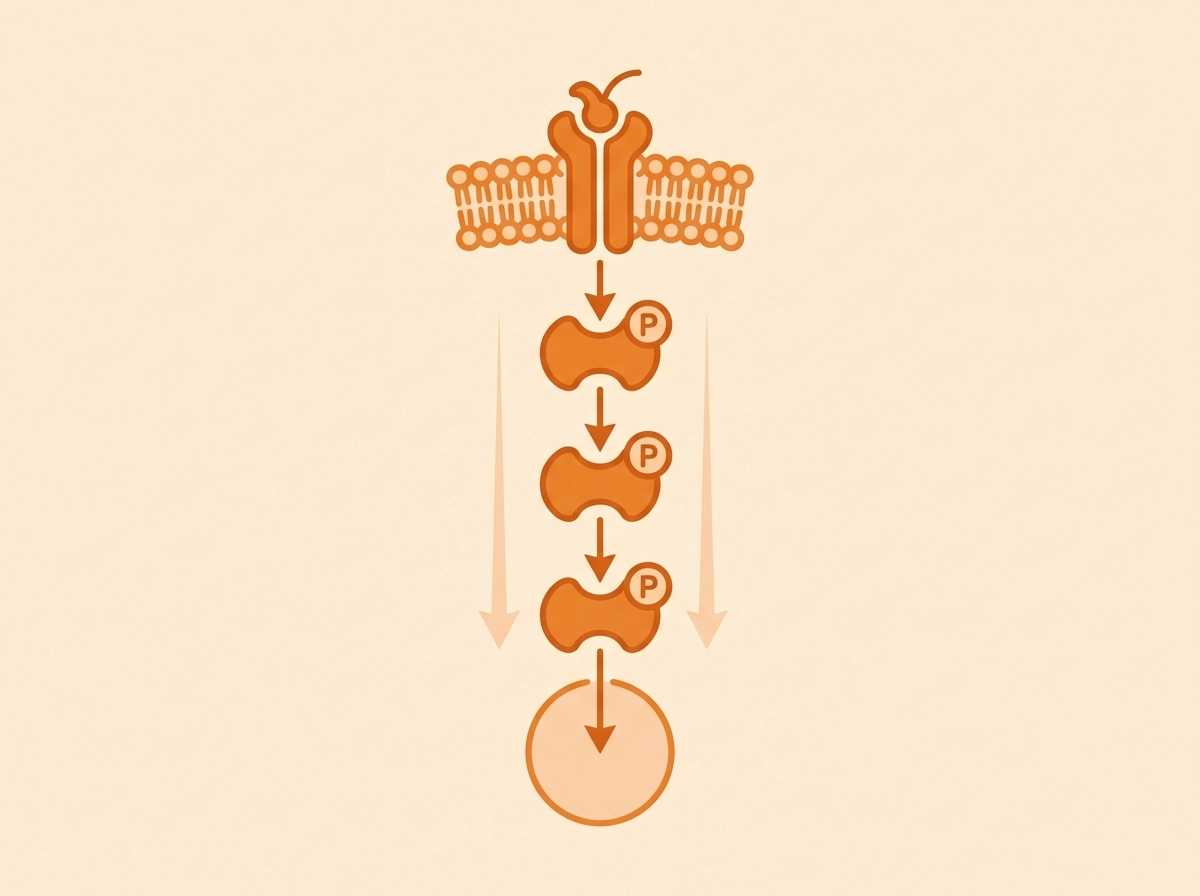
MAPK/ERK Pathway — Core mitogenic signaling axis activated by growth factors, cytokines, and stress stimuli. Signal transduction proceeds through a three-tier kinase module: RAF → MEK → ERK. Oncogenic RAS and BRAF mutations are among the most frequent driver events in human cancer.
→ Browse RAS, BRAF, MEK1/2, ERK1/2, JNK, p38 MAPK

PI3K/AKT/mTOR Pathway — Central regulator of cell growth, metabolism, and survival. One of the most frequently altered pathways in human cancers and a major therapeutic target. PTEN acts as the key negative regulator.
→ Browse AKT1/2/3, PI3K, mTOR, S6K, PTEN, 4E-BP1

Additional Pathways

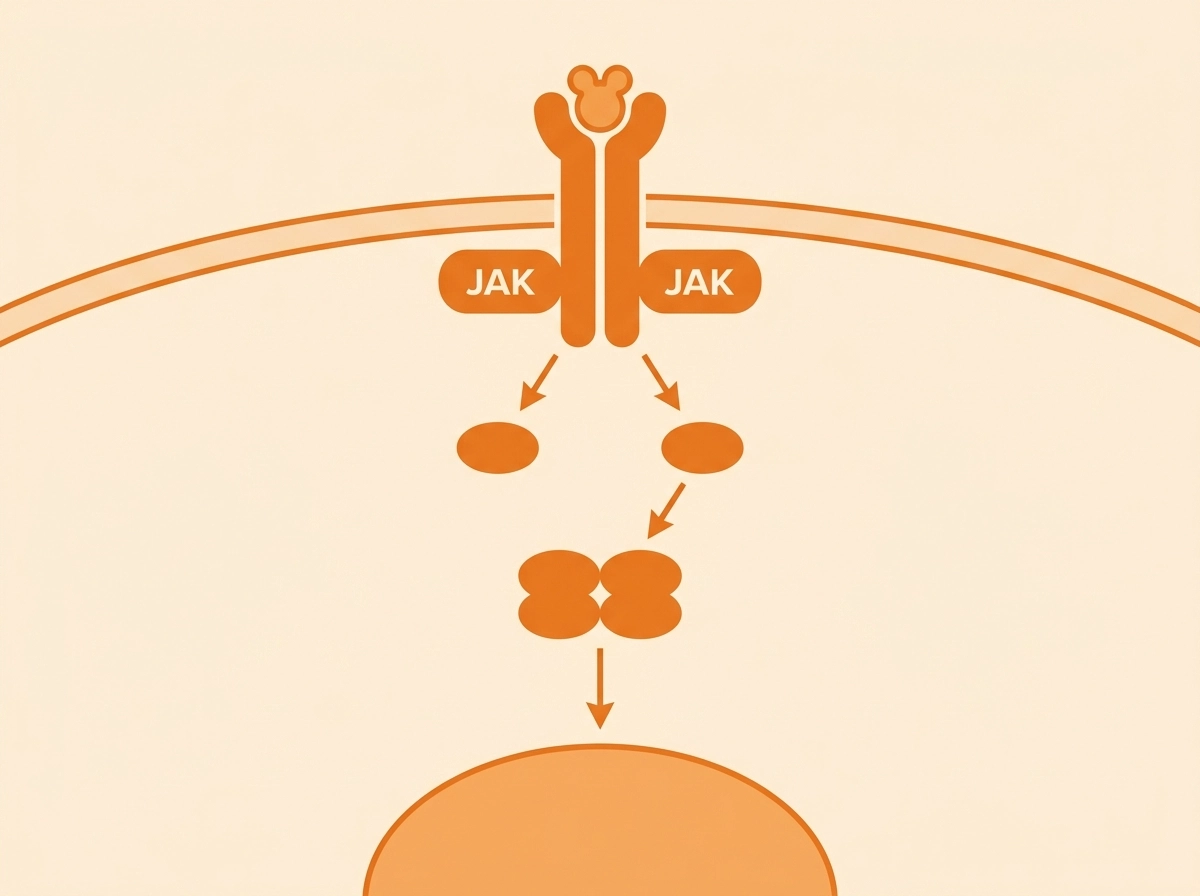
JAK/STAT Pathway — Mediates cytokine and growth factor signaling in immune regulation, hematopoiesis, and inflammation. Constitutive STAT3 activation is a hallmark of many solid tumors, and JAK inhibitors are approved therapeutics for myeloproliferative and autoimmune diseases.
→ Browse JAK1, JAK2, JAK3, TYK2, STAT1, STAT3, STAT5, STAT6

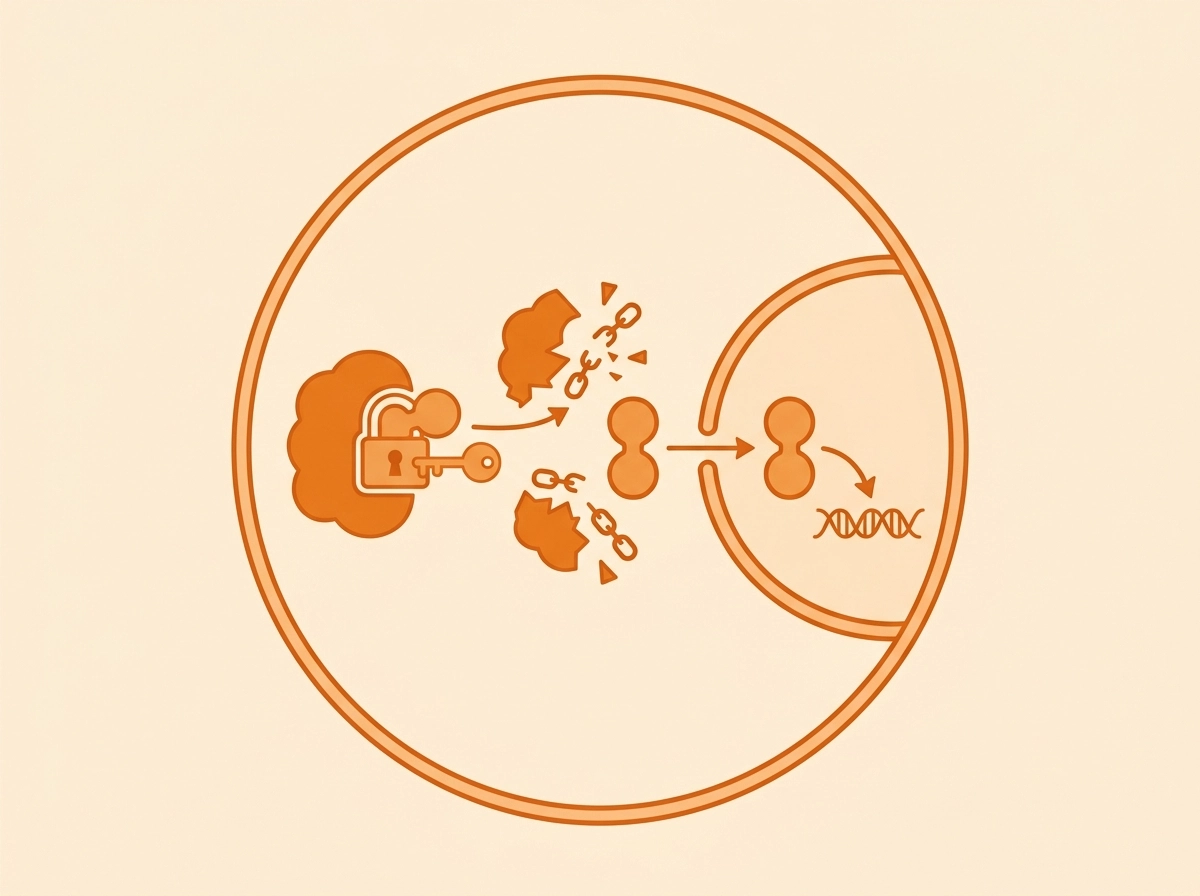
NF-κB Signaling — Master transcription factor family controlling inflammation, innate/adaptive immunity, and cell survival. Pro-inflammatory stimuli activate the IKK complex, leading to IκBα degradation and NF-κB p65/p50 nuclear translocation. Chronic activation drives inflammatory diseases and cancer.
→ Browse NF-κB p65, IKKα/β, IκBα, TRAF2, TRAF6

Hedgehog Signaling — Regulates embryonic patterning, tissue polarity, and adult stem cell maintenance. Ligands (SHH, IHH) bind Patched (PTCH1) to relieve inhibition of Smoothened (SMO), activating GLI transcription factors. Aberrant activation drives basal cell carcinoma and medulloblastoma.
→ Browse SHH, IHH, PTCH1, SMO, GLI1, GLI2

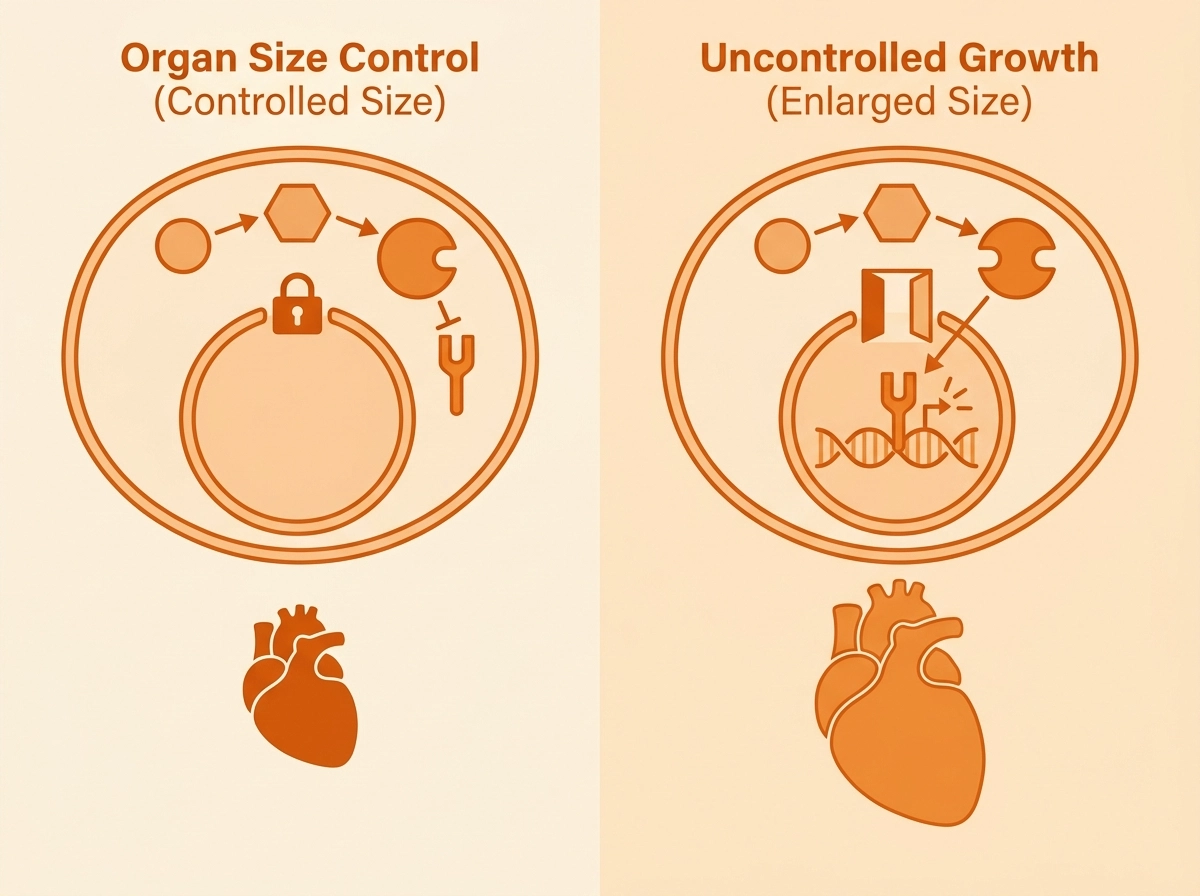
Hippo Signaling — Controls organ size by regulating cell proliferation and apoptosis. The kinase cascade (MST1/2 → LATS1/2) phosphorylates YAP/TAZ, preventing nuclear entry and TEAD-dependent transcription. YAP/TAZ are emerging oncology targets.
→ Browse YAP1, TAZ, LATS1/2, MST1/2, TEAD

References

1. Bray SJ. Notch signalling in context. Nat Rev Mol Cell Biol. 2016;17(11):722-735. DOI

2. Massagué J. TGFβ signalling in context. Nat Rev Mol Cell Biol. 2012;13(10):616-630. DOI

3. Nusse R, Clevers H. Wnt/β-Catenin signaling, disease, and emerging therapeutic modalities. Cell. 2017;169(6):985-999. DOI

4. Sanchez-Vega F, et al. Oncogenic signaling pathways in The Cancer Genome Atlas. Cell. 2018;173(2):321-337. DOI

Obtener una cotización gratuita