Rheumatoid arthritis (RA), a highly prevalent chronic autoimmune disease worldwide, continues to affect tens of millions. Characterized by chronic synovitis, joint destruction, and systemic inflammation, RA impacts over 30 million people globally and ranks among the leading causes of disability. In 2021, an estimated 11.88 million working-age individuals had RA, with an age-standardized prevalence of 222.68 per 100,000.
RA primarily presents as erosive, symmetric polyarthritis, with morning stiffness, joint swelling, and pain as classic early signs. About 80% of patients develop symptoms between ages 35–50, with a female-to-male ratio of roughly 4:1. It can affect multiple organs, including the heart, lungs, and blood, leading to complications like anemia, pericarditis, and interstitial lung disease. For diagnosis, rheumatoid factor (RF) is positive in 75%–80% of cases, while anti-cyclic citrullinated peptide (anti-CCP) antibodies offer 93%–98% specificity — key for early detection and prognosis. Some patients present with seronegative RA.
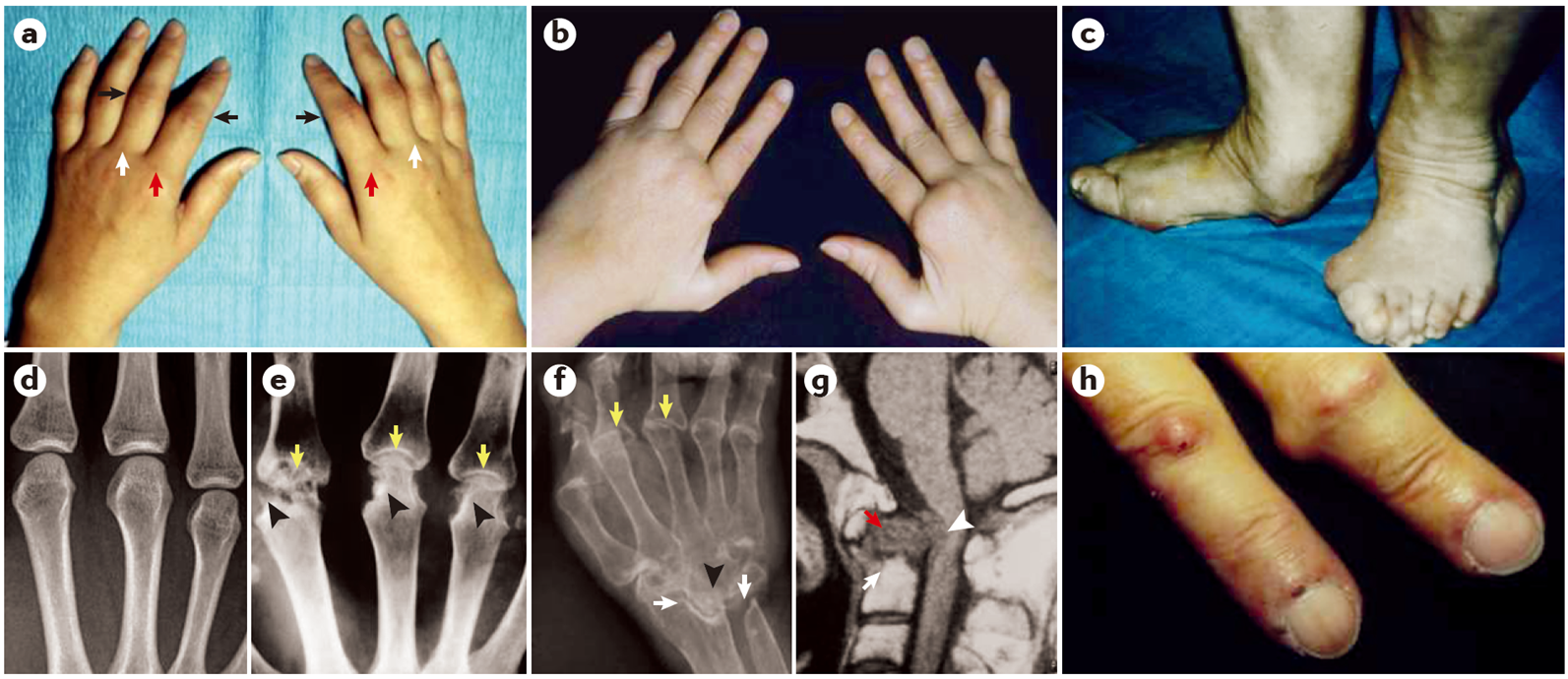
Figure 1. Clinical manifestations of rheumatoid arthritis
RA arises from complex interactions among genetic susceptibility, environmental triggers, and immune dysregulation. Genetic factors, particularly HLA-DRB1 alleles (e.g., HLA-DRB1*04:01), account for about 60% of heritability. Environmental triggers — such as smoking, infections (e.g., periodontal pathogens), and air pollution — promote protein citrullination, leading to anti-citrullinated protein antibodies (ACPAs). ACPAs and RF, RA's hallmark autoantibodies, can appear years before symptoms, signaling a breakdown in immune tolerance.
Immunologically, innate immune cells (dendritic cells and macrophages) activate pathways like NF-κB, MAPK, PI3K-Akt, and JAK-STAT, driving release of pro-inflammatory cytokines (TNF-α, IL-1, IL-6, IL-17). These promote Th17 differentiation, fibroblast-like synoviocyte (FLS) hyperplasia, and osteoclast activation, resulting in synovial hyperplasia, pannus formation, and bone erosion. B cells produce autoantibodies and form ectopic germinal centers, amplifying inflammation. Abnormal angiogenesis (via VEGF and angiopoietin) worsens progression. Epigenetic changes (DNA methylation, histone acetylation, non-coding RNAs) and metabolic shifts (enhanced glycolysis, lipid dysregulation) also contribute to immune dysfunction.
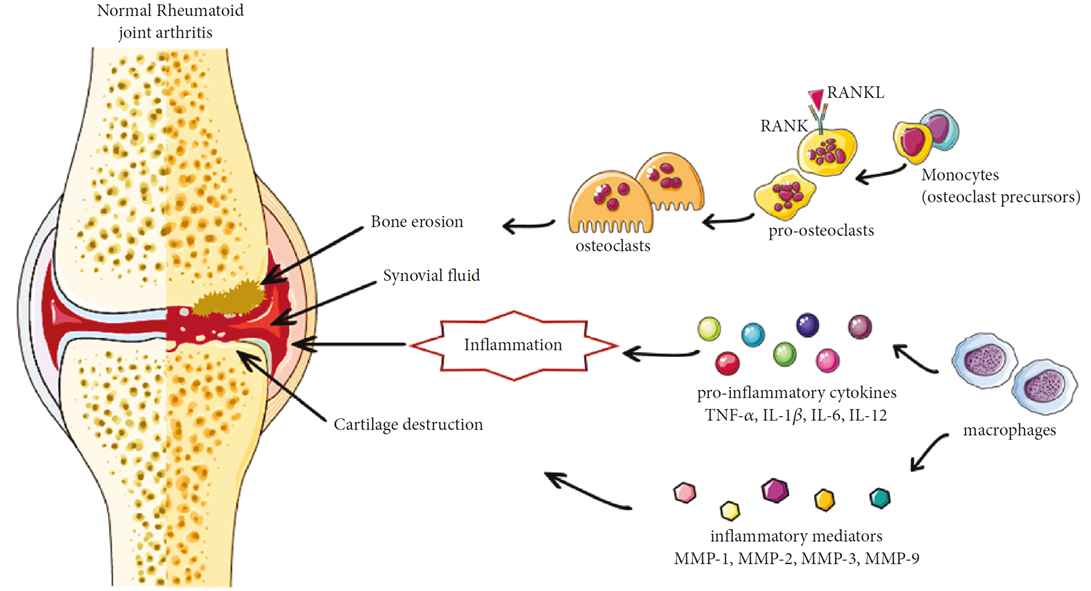
Figure 2. Schematic representation most illustrative of rheumatoid arthritis pathogenesis
Core Pathways and Targeted Therapies: TNF-α and IL-6 inhibitors (e.g., etanercept, tocilizumab) remain first-line biologics for moderate-to-severe RA, markedly reducing joint inflammation and bone damage. JAK inhibitors (tofacitinib, baricitinib) offer convenient oral dosing and remain effective in biologic-refractory patients; next-generation selective JAK1 inhibitors are in development to minimize side effects.
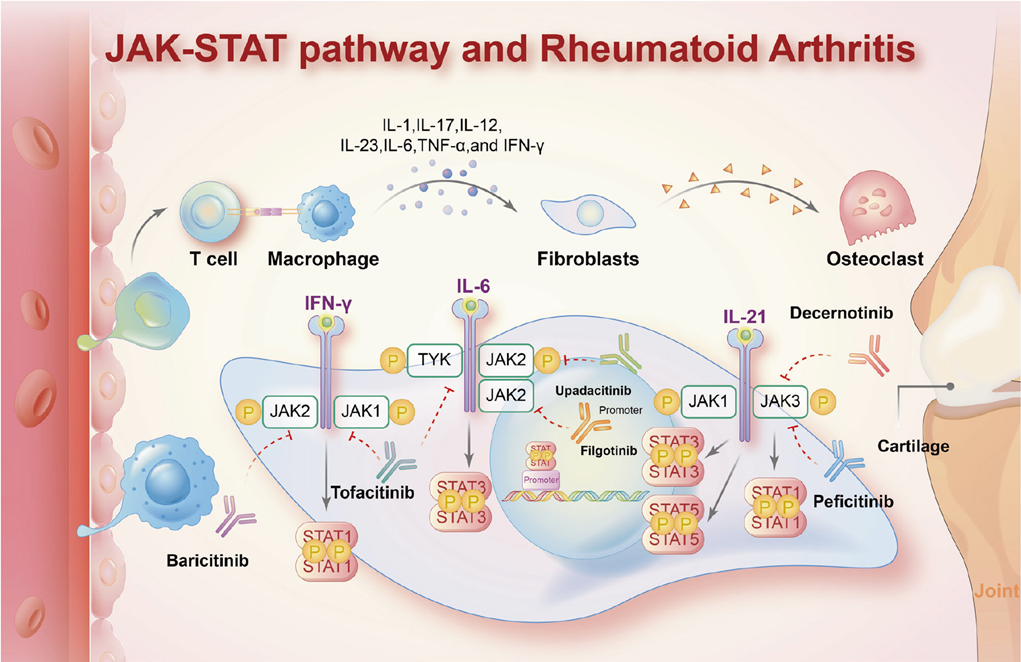
Figure 3. Role of the JAK-STAT pathway in rheumatoid arthritis pathogenesis and recently approved JAK inhibitors
Cell and Gene Therapy Breakthroughs: CAR-T therapies (e.g., CVCAR-Treg, CAAR-T) precisely target autoreactive immune cells to restore tolerance; mesenchymal stem cells (MSCs) and their exosomes modulate Treg/Th17 balance and suppress cytokines, showing multi-target potential; AAV-mediated gene therapy (targeting IL-1βR or PD-L1) locally inhibits joint inflammation with durable effects.
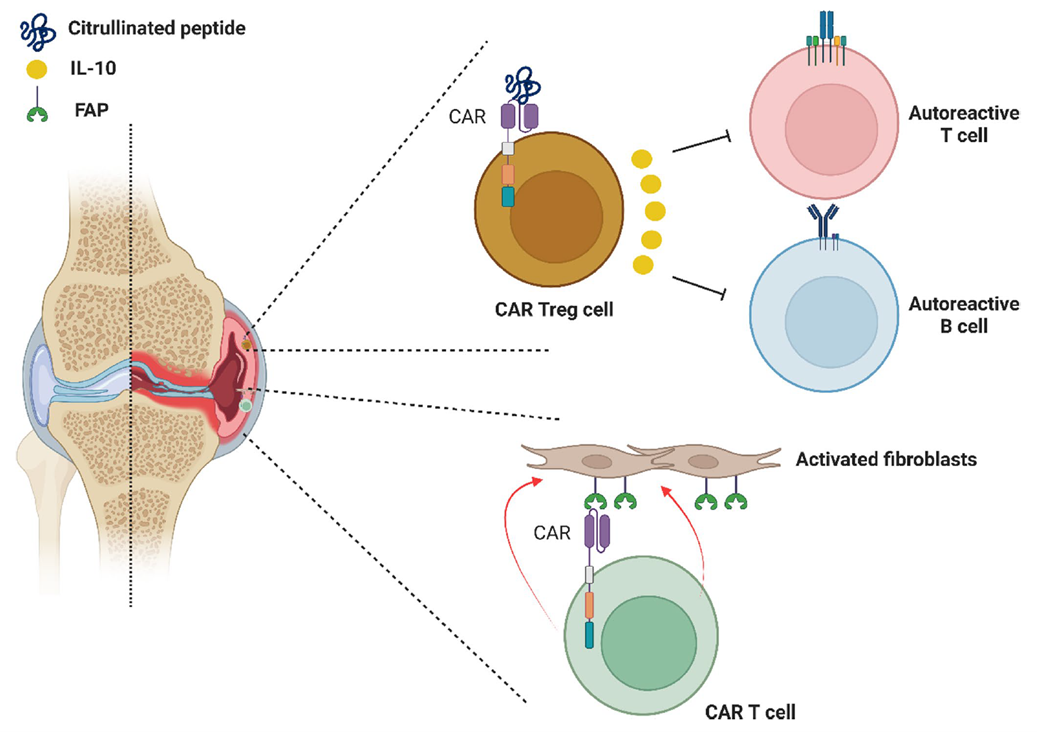
Figure 4. Preclinical CAR-Treg cells and FAP-targeted CAR-T cells for rheumatoid arthritis treatment
Emerging Therapies and Delivery Innovations: Herbal compounds (e.g., triptolide, berberine) inhibit FLS proliferation and inflammatory pathways for multi-target benefits; nano-delivery systems (gold nanoparticles, cell membrane-coated carriers) enhance targeting and bioavailability while reducing systemic toxicity; mRNA vaccines and inverse vaccines aim to restore T-cell balance for prevention and treatment.
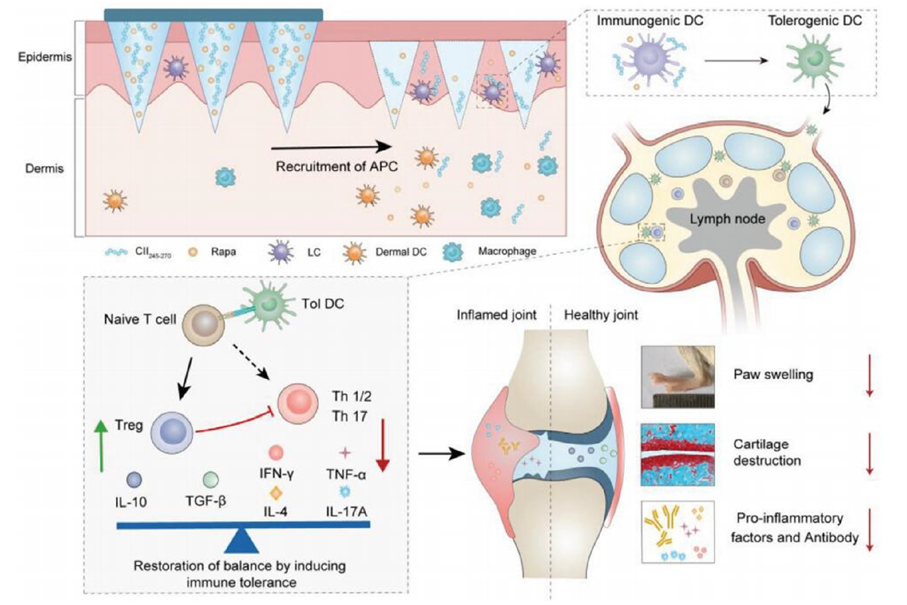
Figure 5. Schematic of microneedle-mediated delivery of autoantigen and rapamycin to induce tolerance in rheumatoid arthritis
Clinical Management Optimization: Synovial biopsy and RNA sequencing enable precision stratification to predict biologic response (e.g., myeloid gene signatures predict better TNF-α inhibitor response); combined ACPA/RF testing with imaging (ultrasound, MRI) supports early diagnosis and better outcomes; treat-to-target strategies (aiming for remission or low disease activity) substantially reduce disability. Recent 2025 findings show omega-3 fatty acid intake lowers RA risk in genetically susceptible individuals via immune pathway modulation, opening new prevention avenues.
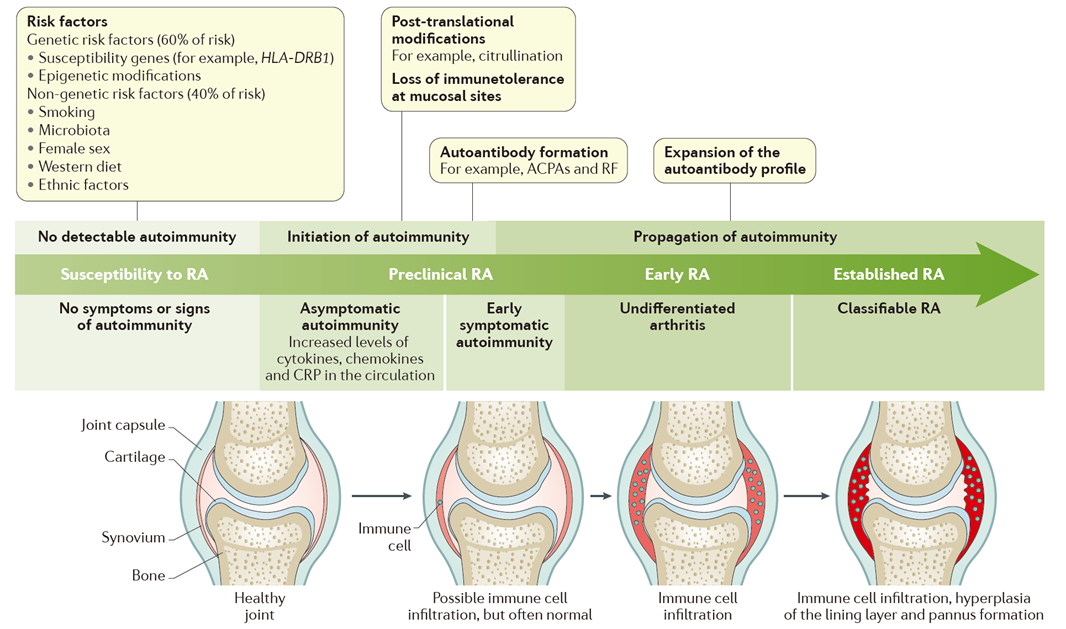
Figure 6. Development and progression of rheumatoid arthritis
RA's key challenge is its strong heterogeneity — patients vary widely in genetics, phenotypes, and treatment responses, hindering widespread precision therapy. Early diagnosis lacks highly sensitive/specific biomarkers, and seronegative cases are often missed, delaying intervention. As a multi-cellular, multi-pathway disease, single-target therapies fail to fully halt progression, with ~30% of patients unresponsive to current biologics or small molecules. Long-term immunosuppression raises infection and malignancy risks, and safe discontinuation data remain limited; unequal global healthcare access in low/middle-SDI regions leads to delayed diagnosis, poor treatment access, and higher mortality. Mechanisms driving progression from asymptomatic ACPA positivity to clinical RA are not fully understood, and preventive strategies (e.g., hydroxychloroquine trials) have shown limited efficacy. These gaps underscore the need for multi-pathway research and precision approaches to guide novel target and therapy development.
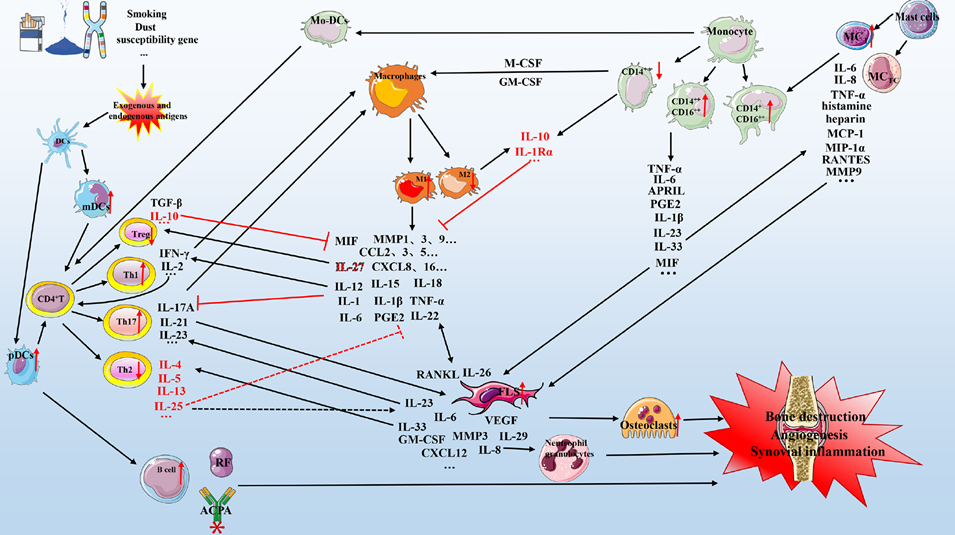
Figure 7. Schematic of molecular and cellular heterogeneity in RA, highlighting subtypes
Despite these challenges, multi-target strategies are gaining traction. Below are major targets driving the shift from single inhibition to integrated regulation and precision medicine:
TNF-α: Central pro-inflammatory cytokine; inhibitors like infliximab and etanercept are widely used in moderate-to-severe RA and reduce joint destruction, though ~30% of patients are resistant.
IL-6: Drives inflammatory cascades; tocilizumab targets the IL-6 receptor and improves outcomes, especially in TNF-inhibitor failures.
JAK-STAT Pathway: Regulates cytokine signaling; oral JAK inhibitors like tofacitinib and baricitinib offer convenience.
CD19/CD20 (B-cell targets): CAR-T therapies deplete B cells; 2025 studies show induction of remission via B-cell exhaustion and tolerance restoration.
Other emerging targets include VEXAS-related genes and checkpoint pathways, filling gaps left by single-target approaches. Research increasingly combines modalities like nano-delivery and gene therapy to address heterogeneity and resistance.
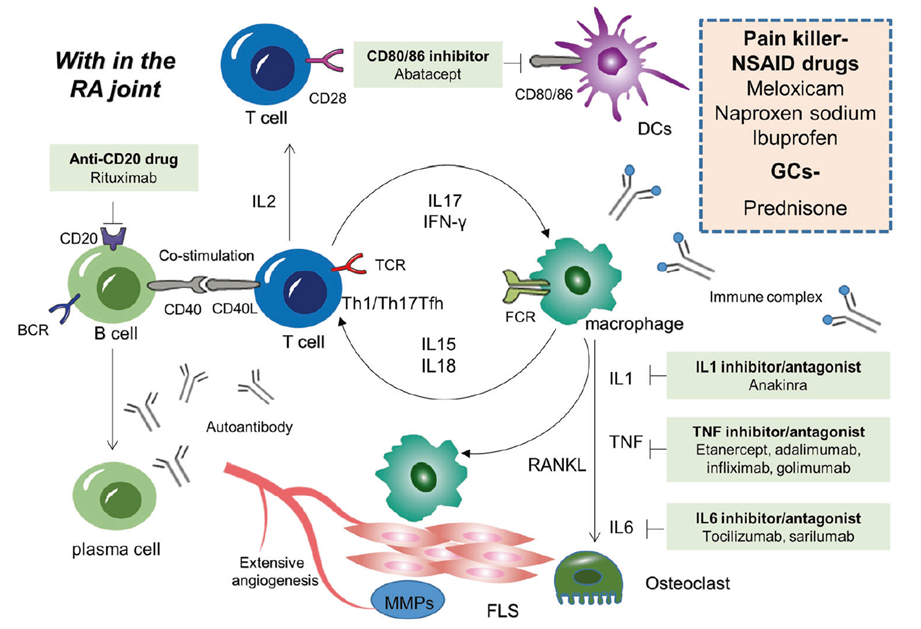
Figure 8. Cytokine signaling and anti-rheumatic drugs in rheumatoid arthritis
The following are abinScience's latest recombinant proteins and antibodies for key rheumatoid arthritis pathways, covering TNF-α, IL-6R, JAK, IL-17, CD20, BAFF, and co-stimulatory molecules. Catalog numbers link directly to product pages.
| Catalog No. | Product Name |
|---|---|
| HC260012 | Recombinant Human BTK Protein, N-His |
| HB791012 | Recombinant Human CD121a/IL1R1 Protein, N-GST |
| HY583011 | Recombinant Human CD126/IL6R/IL-6RA Protein, C-His |
| HY257012 | Recombinant Human CD20/MS4A1 Protein, N-His |
| HV212012 | Recombinant Human CD257/TNFSF13B Protein, N-His |
| HW630011 | Recombinant Human CD80/B7-1 Protein, C-His |
| HW630012 | Recombinant Human CD80/B7-1 Protein, N-His |
| HW776011 | Recombinant Human CD86/B7-2 Protein, C-His |
| HW776012 | Recombinant Human CD86/B7-2 Protein, N-His |
| HY213012 | Recombinant Human CSF2/GM-CSF Protein, N-His |
| HS856012 | Recombinant Human IL17A Protein, N-His |
| HF943012 | Recombinant Human IL1B/IL1F2 Protein, C-His |
| Catalog No. | Product Name |
|---|---|
| HB791014 | Anti-CD121a/IL1R1 Polyclonal Antibody |
| HY583014 | Anti-CD126/IL6R/IL-6RA Polyclonal Antibody |
| HY257014 | Anti-CD20/MS4A1 Polyclonal Antibody |
| HV212013 | Anti-CD257/BAFF/TNFSF13B/BLYS Antibody (SAA2395) |
| HV212014 | Anti-CD257/TNFSF13B Polyclonal Antibody |
| HW630014 | Anti-CD80 Polyclonal Antibody |
| HW776014 | Anti-CD86 Polyclonal Antibody |
| HY213014 | Anti-CSF2/GM-CSF Polyclonal Antibody |
| HB791107 | Anti-Human CD121a/IL1R1 Antibody (27F2) |
| HY583107 | Anti-Human CD126/IL6R/IL-6RA Antibody (SAA0048) |
| HY583013 | Anti-Human CD126/IL6R/IL-6RA Nanobody (SAA1278) |
| Catalog No. | Product Name |
|---|---|
| DF879018 | Adalimumab ELISA Kit |
| DY257028 | Afutuzumab ELISA Kit |
| AF879018 | Anti-Adalimumab ELISA Kit |
| AF879048 | Anti-Adalimumab Neutralizing Antibody ELISA Kit |
| DY583028 | Satralizumab ELISA Kit |
| DS856058 | Secukinumab ELISA Kit |
| DY583018 | Tocilizumab ELISA Kit |
| DS856078 | Vunakizumab ELISA Kit |
| AF879038 | Anti-Certolizumab ELISA Kit |
| AF879058 | Anti-Etanercept ELISA Kit |
| AF879518 | Anti-Etanercept Neutralizing Antibody ELISA Kit |
References:
1. Wendong Y, Xingxing Y, Xianze X, et al. Nanoformulation-assisted microneedle transdermal drug delivery system. Biomed Pharmacother. 2024;178:117219. doi: 10.1016/j.biopha.2024.117219
2. Torequl Islam M, Quispe C, Herrera-Bravo J, et al. Activities and Molecular Mechanisms of Diterpenes, Diterpenoids, and Their Derivatives in Rheumatoid Arthritis. Evid Based Complement Alternat Med. 2022;2022:4787643. doi: 10.1155/2022/4787643
3. Hitchon CA, El-Gabalawy HS. Advances in understanding preclinical rheumatoid arthritis and prospects for prevention. Nat Rev Rheumatol. 2025. doi: 10.1038/s41584-025-01342-6
4. Han P, Liu X, He J, Han L, Li J. Overview of mechanisms and novel therapies on rheumatoid arthritis from a cellular perspective. Front Immunol. 2024;15:1461756. doi: 10.3389/fimmu.2024.1461756
5. Gao Y, Zhang Y, Liu X. Rheumatoid arthritis: pathogenesis and therapeutic advances. MedComm. 2024;5(3):e509. doi: 10.1002/mco2.509
6. Wu T, Li Y, Liu Y, Chu CQ. Preclinical RA: How to halt its progression. Best Pract Res Clin Rheumatol. 2025;39(1):102030. doi: 10.1016/j.berh.2024.102030
7. Studenic P, Hensvold A, Kleyer A, et al. Prospective Studies on the Risk of Rheumatoid Arthritis: The European Risk RA Registry. Front Med (Lausanne). 2022;9:824501. doi: 10.3389/fmed.2022.824501
8. Freeley M. CAR T Cell Therapy for Rheumatoid Arthritis. Clin Rev Allergy Immunol. 2025;68(1):100. doi: 10.1007/s12016-025-09113-7
9. Xue C, Yao Q, Gu X, et al. Evolving cognition of the JAK-STAT signaling pathway: autoimmune disorders and cancer. Signal Transduct Target Ther. 2023;8(1):204. doi: 10.1038/s41392-023-01468-7
+86-027-65523339
中国武漢市深敦寺路666号C棟、武漢、430206


 中文
中文 English
 한국어
한국어 日本語
日本語 Español
 Français
 Русский