In November, multiple breakthrough studies relying on abinScience's technical support with antibodies and recombinant proteins were published in top journals such as Cell Genomics and Oncogene. These studies focus on key areas including colorectal cancer (CRC) immunotherapy, breast cancer, and liver ischemia-reperfusion (IR) injury, covering disease mechanism elucidation, target screening, and more. The high-purity recombinant proteins and antibodies provided by abinScience served as critical reagents, enabling core breakthroughs in these projects. In this issue of Literature Highlights, let's review these important advances from frontline laboratories.
No. 1
Title: Predominant mutated non-canonical tumor-specific antigens identified by proteogenomics demonstrate immunogenicity and tumor suppression in CRC
Journal: Cell Genomics
Impact Factor: 9.0
Affiliation: Kunming University of Science and Technology
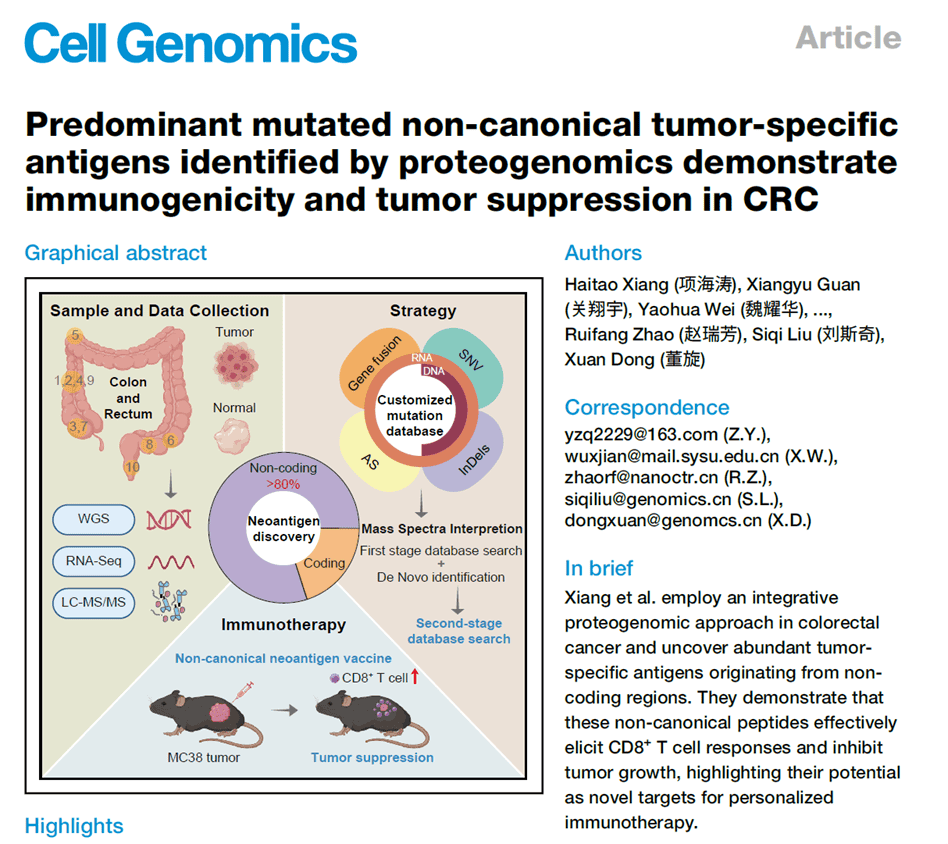
In colorectal cancer (CRC) immunotherapy, traditional tumor-specific antigen (TSA) discovery has been limited to coding regions, overlooking potential targets in non-coding regions. This study employed an integrated proteogenomics approach combining whole-genome sequencing, RNA sequencing, and MHC class I immunopeptidomics mass spectrometry on 10 pairs of CRC samples. Results showed that 80.21% of mutated neoepitopes originated from non-coding regions. In high-mutation-burden CRC, neoepitopes mainly arose from intergenic regions and introns, whereas in low-mutation-burden CRC, they were dominated by coding-region variants and alternative splicing. These non-canonical neoepitopes effectively activated CD8+ T cells and suppressed tumor growth in mouse models. The study concludes that non-canonical TSAs derived from non-coding regions represent important targets for CRC immunotherapy and offer new directions for personalized treatment.
abinScience provided the anti-human HLA-A/B/C monoclonal antibody (W6/32, Cat# HM834107) for this study. This antibody was essential for isolating HLA-I-bound peptides, laying the foundation for subsequent mass spectrometry-based neoepitope identification and supporting the core immunopeptidomics experiments.
No. 2
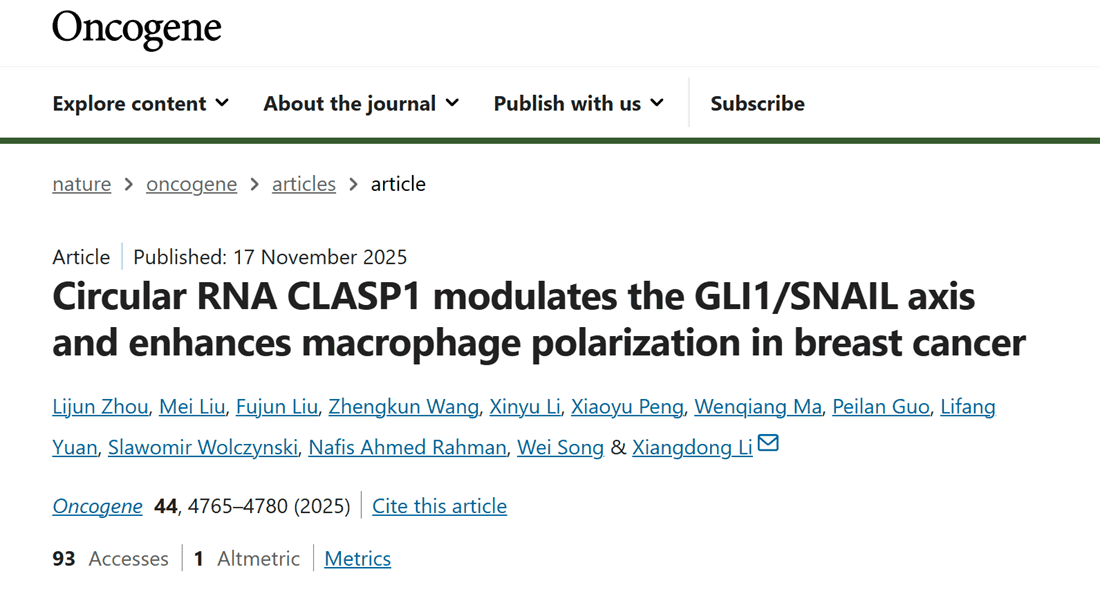
Title: Circular RNA CLASP1 modulates the GLI1/SNAIL axis and enhances macrophage polarization in breast cancer
Journal: Oncogene
Impact Factor: 7.3
Affiliation: Kunming University of Science and Technology
Breast cancer is a leading malignancy in women, and the role of circular RNAs (circRNAs) in its progression remains poorly understood. This study found that circCLASP1 is significantly upregulated in breast cancer tissues and serum, correlating with lymph node metastasis, Ki67 expression, and tumor size, suggesting potential diagnostic value. Through cellular, organoid, and animal experiments, circCLASP1 was shown to bind CCT2, stabilize GLI1 protein by inhibiting its ubiquitination and degradation, promote GLI1 nuclear accumulation and SNAIL expression, and upregulate CCL2/CCL5 to recruit M2 macrophages, thereby driving proliferation, invasion, and lung metastasis. Its biogenesis is regulated by U2AF2. The study concludes that circCLASP1 remodels the tumor immune microenvironment via the CCT2/GLI1/SNAIL axis and serves as a prognostic biomarker and potential therapeutic target in breast cancer.
abinScience supplied the CDK4 antibody (Cat# HY215014), which provided tool support for validating cell cycle-related pathways regulated by circCLASP1 and underpinned the proliferation and cell cycle experimental results, indirectly confirming the oncogenic role of circCLASP1.
No. 3
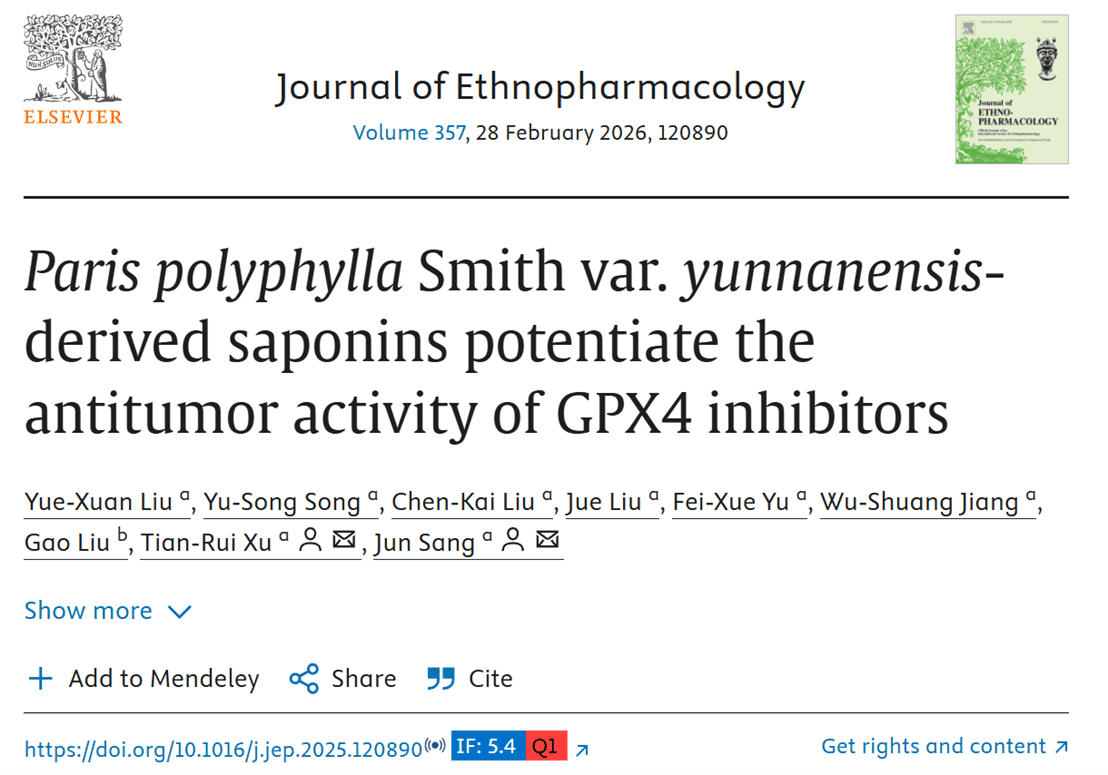
Title: Paris polyphylla Smith var. yunnanensis-derived saponins potentiate the antitumor activity of GPX4 inhibitors
Journal: Journal of Ethnopharmacology
Impact Factor: 5.4
Affiliation: Kunming University of Science and Technology
Chemoresistance and limited efficacy of GPX4 inhibitors remain major clinical challenges, with lipid metabolic reprogramming closely linked to tumor resistance. This study explored the antitumor effects of total saponins from Paris polyphylla var. yunnanensis (PPT) and its component polyphyllin VII (PPVII). PPVII was found to bind key sites on GRB2 and inhibit the Akt-SREBP1 pathway, exerting antitumor effects in bladder, breast, and liver cancer models. When combined with the GPX4 inhibitor JKE, PPVII synergistically induced lipid peroxidation, ER stress, and apoptosis via a ROS-dependent mechanism, significantly enhancing anti-bladder cancer efficacy in vitro and in vivo, with similar synergy observed in liver cancer cells. The study concludes that PPVII enhances GPX4 inhibitor efficacy by targeting GRB2, offering a novel synergistic therapeutic strategy for drug-resistant cancers.
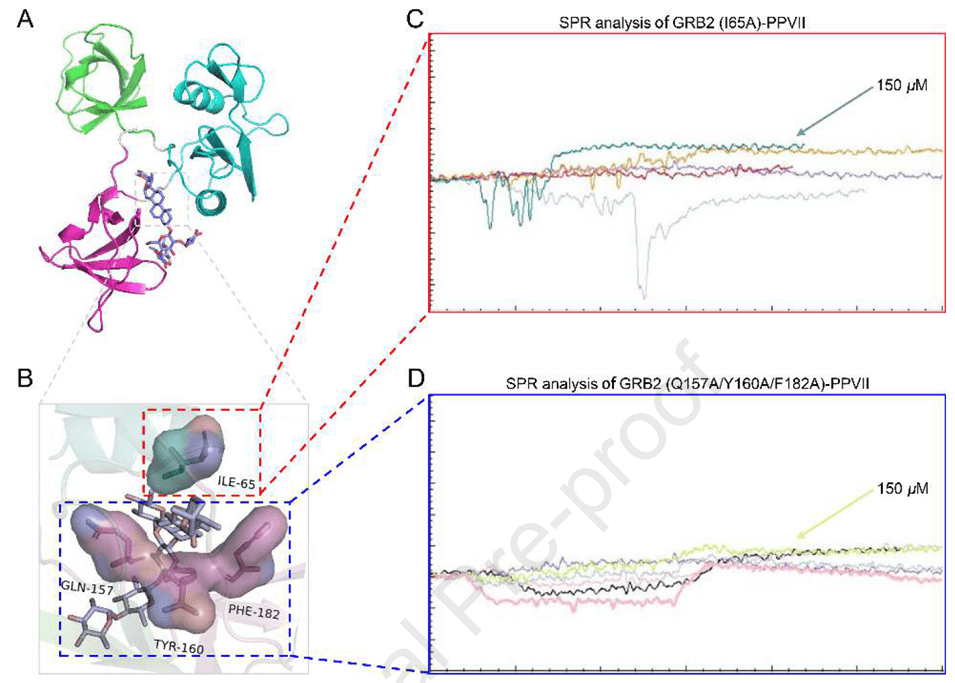
abinScience provided recombinant human GRB2 protein (Cat# HX194012) for surface plasmon resonance (SPR) experiments. This protein was critical for confirming PPVII–GRB2 interaction and key binding sites. SPR sensorgrams demonstrated that the GRB2 I65A mutation weakened binding, while the Q157A/Y160A/F182A triple mutation completely abolished it, directly supporting the key conclusion that PPVII acts through specific binding to GRB2.
No. 4
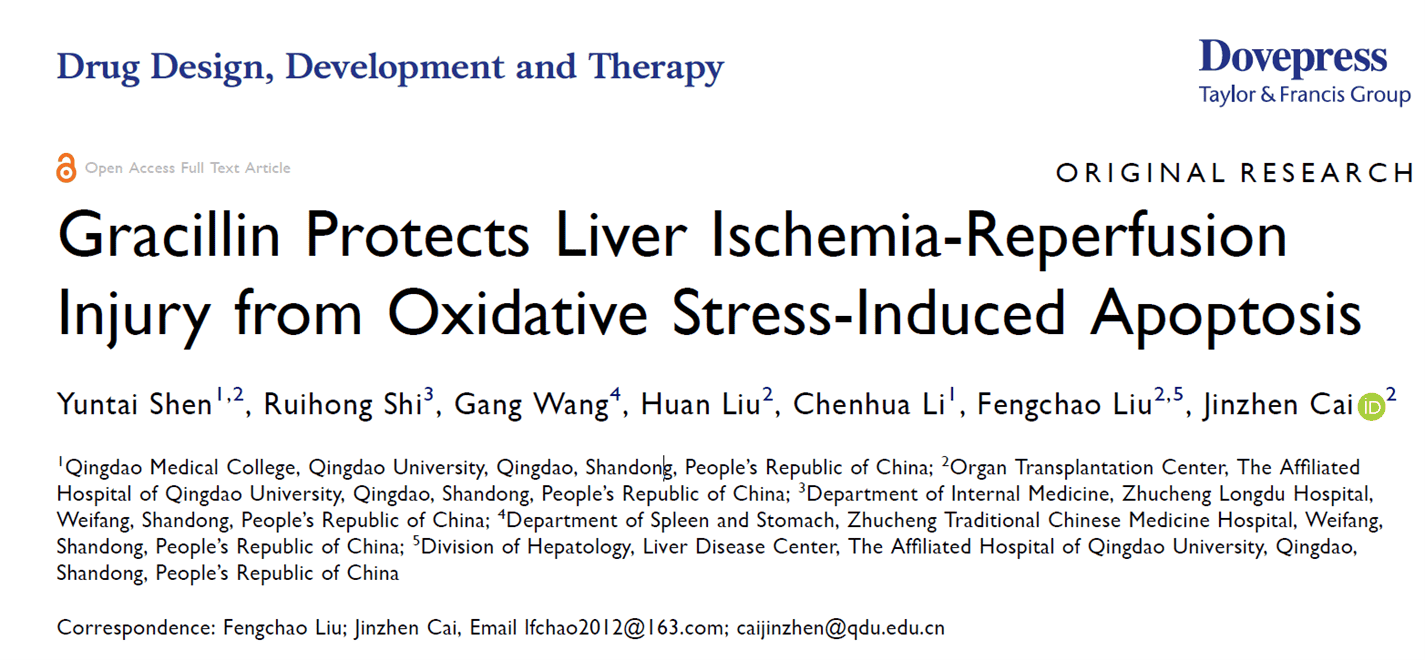
Title: Gracillin Protects Liver Ischemia-Reperfusion Injury from Oxidative Stress-Induced Apoptosis
Journal: Drug Design, Development and Therapy
Impact Factor: 5.1
Affiliation: Qingdao University Medical College
Liver ischemia-reperfusion (IR) injury is a common complication in hepatic surgery, with oxidative stress and apoptosis as key pathogenic drivers. This study investigated the protective effects of Gracillin on liver IR injury. Using animal models and cell experiments, Gracillin pretreatment was shown to improve histopathological damage, reduce serum liver function markers, and suppress oxidative stress and hepatocyte apoptosis. Mechanistically, Gracillin exerted protection by activating the Akt/GSK3β signaling pathway, an effect reversible by the Akt inhibitor LY294002. The study concludes that Gracillin inhibits oxidative stress-induced apoptosis via the Akt/GSK3β pathway and represents a potential drug for preventing and treating liver IR injury.
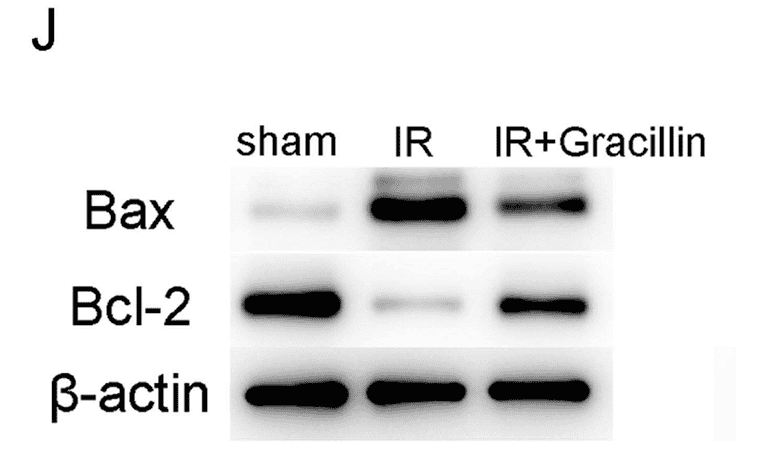
abinScience provided the Bcl-2 antibody (Cat# HY131014), which served as a critical tool for validating Gracillin's regulation of apoptosis-related proteins. Western blot results confirmed that Gracillin pretreatment upregulated Bcl-2 expression in the liver IR injury model, directly supporting the core conclusion that Gracillin inhibits hepatocyte apoptosis.
No. 5
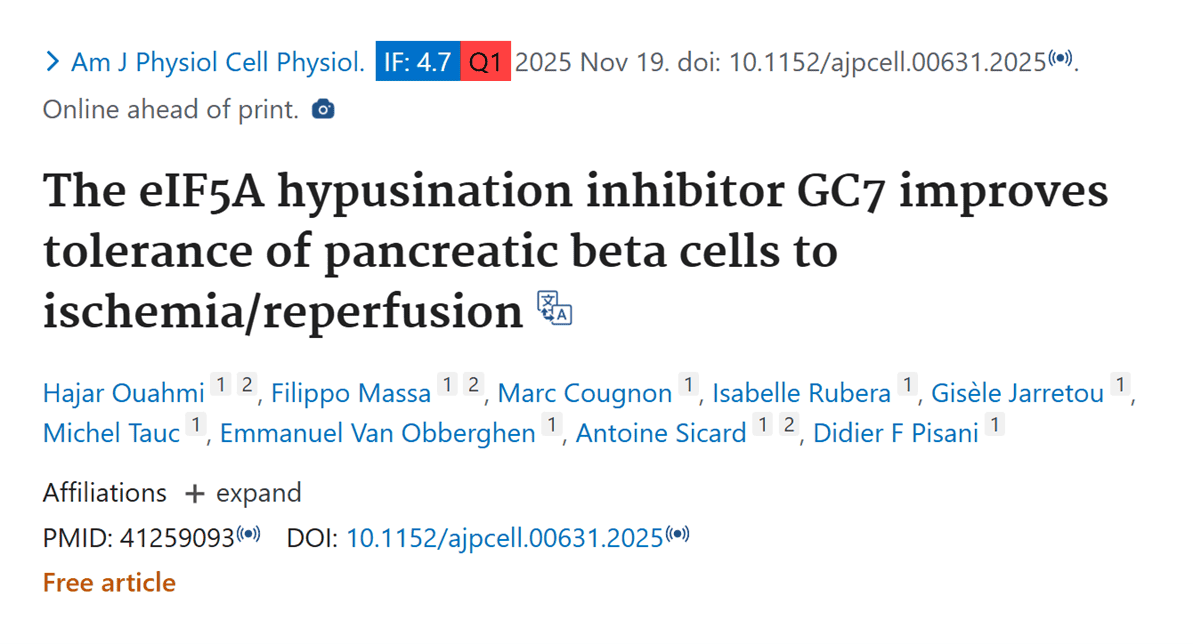
Title: The eIF5A hypusination inhibitor GC7 improves tolerance of pancreatic beta cells to ischemia/reperfusion
Journal: American Journal of Physiology-Cell Physiology
Impact Factor: 4.7
Affiliation: Université Côte d'Azur, France
In islet transplantation for type 1 diabetes, ischemia-reperfusion injury causes massive islet loss, limiting therapeutic success. The eIF5A hypusination inhibitor GC7 enhances ischemia tolerance in various cells and organs. This study explored its protective effects on pancreatic β-cells. Treatment of rat INS-1 and mouse MIN6 β-cell lines with GC7 reversibly suppressed mitochondrial activity, shifting metabolism from oxidative phosphorylation to anaerobic glycolysis and temporarily reducing ATP production and glucose-stimulated insulin secretion. Under hypoxia-reoxygenation conditions mimicking ischemia-reperfusion, GC7 significantly reduced oxidative stress and mitochondrial ROS, increasing cell survival by more than 50%. The study concludes that GC7 enhances β-cell tolerance to ischemia through metabolic reprogramming, offering a new strategy to improve islet transplantation outcomes.
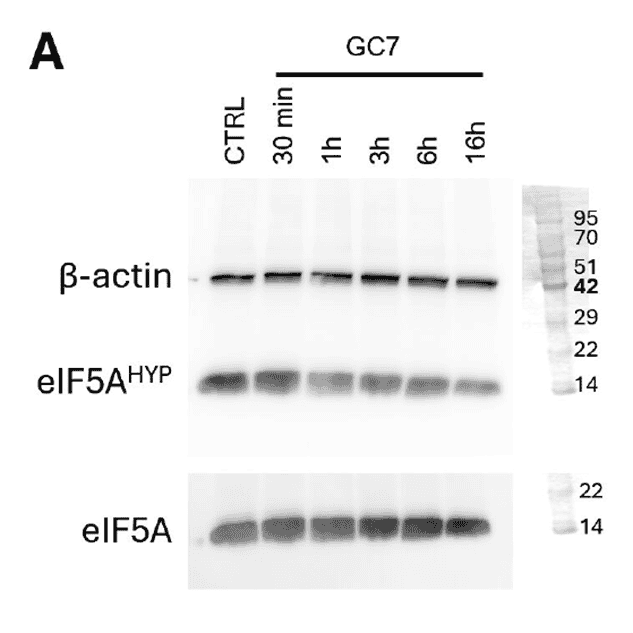
abinScience supplied the anti-hypusine rabbit monoclonal antibody (Cat# PTX18841) for Western blot detection of eIF5A hypusination levels. This antibody was essential for confirming GC7's inhibitory effect on eIF5A hypusination. Western blot quantification of the hypusinated eIF5A/total eIF5A ratio after different durations of GC7 treatment directly demonstrated time-dependent inhibition, establishing the mechanistic foundation for subsequent functional experiments.
abinScience provided the E2F1 protein (Cat. No.: HX082022) for EMSA binding reactions to verify whether E2F1 binds the hsa-miR-29a promoter region, confirming its transcriptional repressive role in the miRNA regulatory network. Validating direct E2F1-miR-29a promoter binding was a key part of elucidating how CXG solution inhibits lipid metabolism via the SREBF1/E2F1-miRNA axis, supporting experimental evidence for its overall multi-target anti-GBM activity.
Literature Citation Reward Program
To thank researchers for their support and trust in abinScience, we are excited to launch the Literature Citation Reward Program! Whether you're a pioneer in life sciences or a dedicated lab explorer, if you publish in an SCI journal using any abinScience product, you're eligible for generous rewards!


 中文
中文 English
 한국어
한국어 日本語
日本語 Español
 Français
 Русский