House Dust Mite Allergy is a common IgE-mediated Type I hypersensitivity reaction, primarily triggered by allergens from indoor dust mites such as Dermatophagoides pteronyssinus (Der p) and Dermatophagoides farinae (Der f). This allergy affects approximately 65 to 130 million people worldwide, with higher prevalence in populations living in warm, humid environments. Clinical manifestations include allergic rhinitis, conjunctivitis, asthma, and atopic dermatitis; in rare cases, severe systemic reactions like anaphylaxis may occur.
House dust mite allergy is often part of the "Atopic March"—early childhood exposure to dust mite allergens increases the risk of subsequent asthma development. Global epidemiological data shows that dust mite sensitization rates can reach 80-90% in tropical and subtropical regions, such as urban areas in Asia. Dust mites primarily inhabit mattresses, carpets, and fabrics; their fecal pellets (10-35 μm in diameter), which contain major allergens, are the main source of exposure.
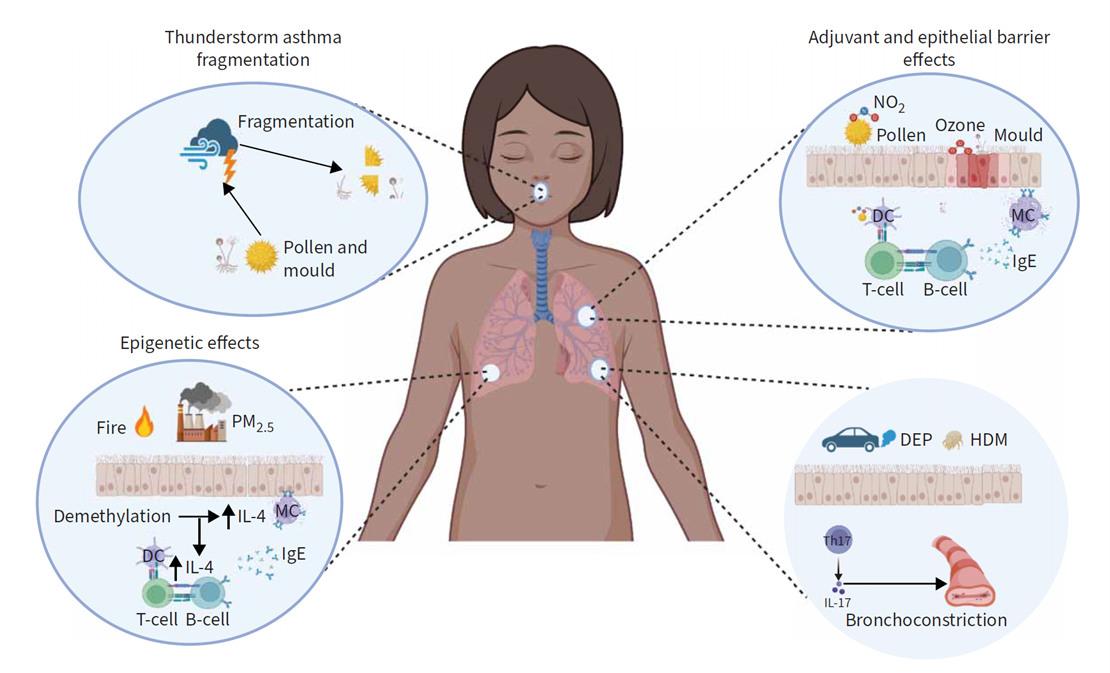
Figure 1. Climate change-related effects and potential mechanisms of lung inflammation
Dust Mite Ecology and Biology
Dust mites belong to the phylum Arthropoda, class Arachnida, subclass Acari, and suborder Astigmata. Key species include Der p, Der f, and Euroglyphus maynei (family Pyroglyphidae), as well as the storage mite Blomia tropicalis in tropical regions. These eight-legged arachnids cannot drink water independently; instead, they absorb moisture through their legs, relying on environmental humidity. As ectothermic organisms, their optimal growth conditions are 75-80% relative humidity and 25°C-30°C.
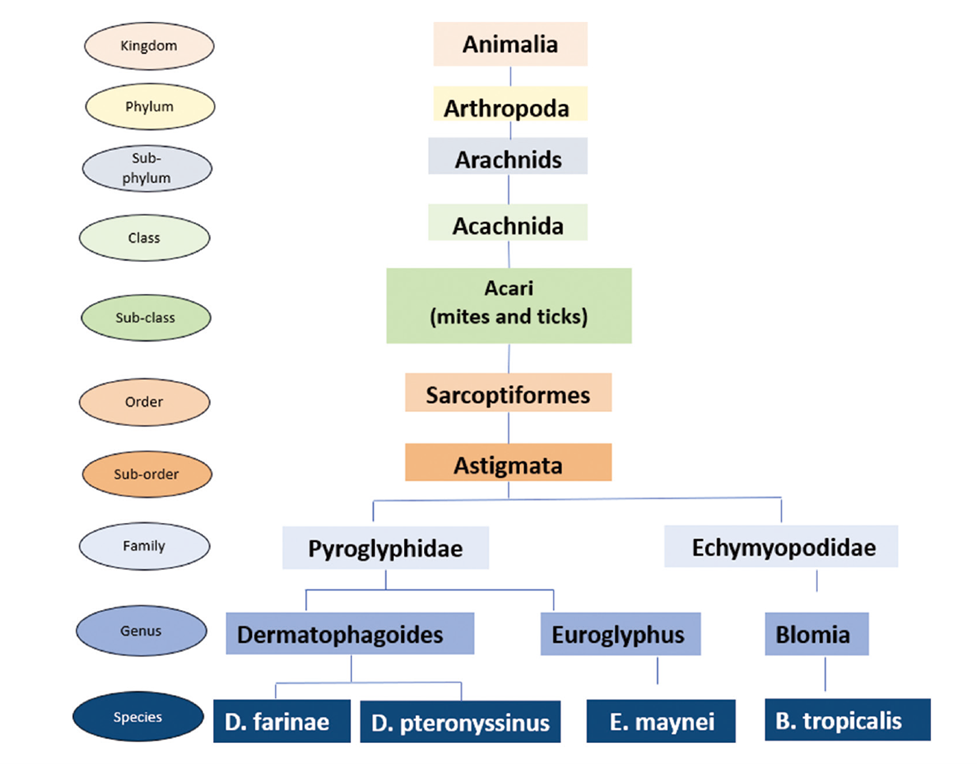
Figure 2. Phylogenetic tree of major arthropod taxa
Dust mites feed on shed skin scales from humans or pets, producing ~20 fecal pellets daily. These pellets—encased in peritrophic membranes—are easily airborne and inhaled. A standard mattress can harbor up to 2 million dust mites: concentrations >2 μg/g of dust can induce sensitization, while >10 μg/g may trigger severe symptoms. The dust mite life cycle (egg → larva → nymph → adult) takes approximately 1 month.
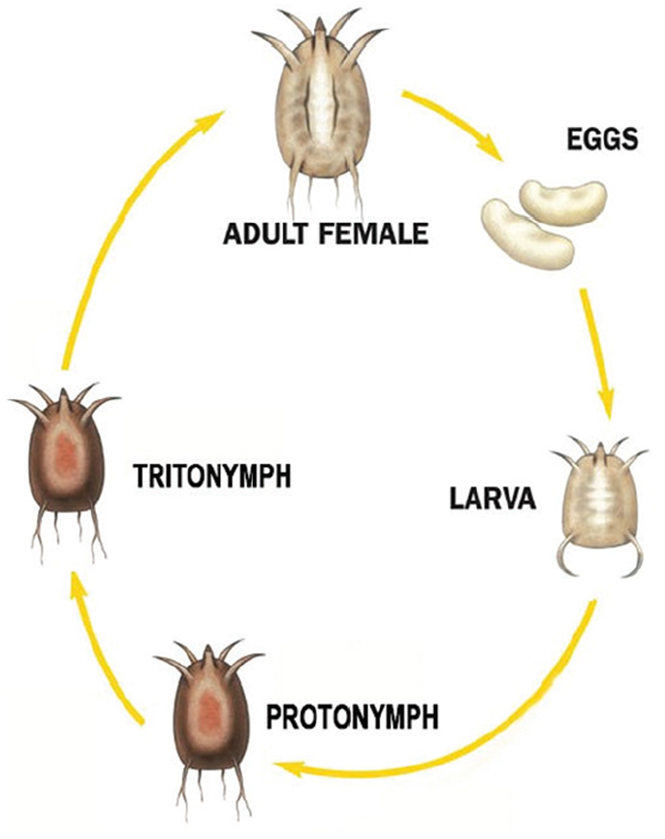
Figure 3. Dust mite life cycle
Pathogenic Mechanisms
Dust mite allergens are categorized into three groups: major allergens; cross-reactive allergens; and mid-tier allergens. Der p 1 is primarily found in feces, while Der p 2 is present in both mite bodies and feces. Atopic dermatitis patients often sensitize to body-derived allergens like Der p 11 and Der p 18. These allergens have diverse biochemical properties, including proteases and lipid-binding proteins.
The pathogenic mechanism of dust mite allergy involves both innate and adaptive immune pathways. In genetically susceptible individuals, dust mite allergens (e.g., Der p 1 and Der p 2) disrupt epithelial barriers and activate Pattern Recognition Receptors (PRRs), inducing a Th2-skewed immune response.
Der p 1 is a cysteine protease that cleaves tight junction proteins (e.g., ZO-1 and occludin), increasing epithelial permeability to facilitate allergen entry and dendritic cell activation. Der p 2 resembles MD-2 and binds lipopolysaccharide (LPS) to activate the TLR4 pathway, amplifying inflammatory signaling. This leads to the release of cytokines (IL-4, IL-5, IL-13), promoting IgE production and eosinophil recruitment. Repeated exposure induces bronchial hyperresponsiveness and remodeling, manifesting as asthma symptoms. Dust mite allergens also contain cofactors like chitin and β-glucan, which further enhance Th2 responses.
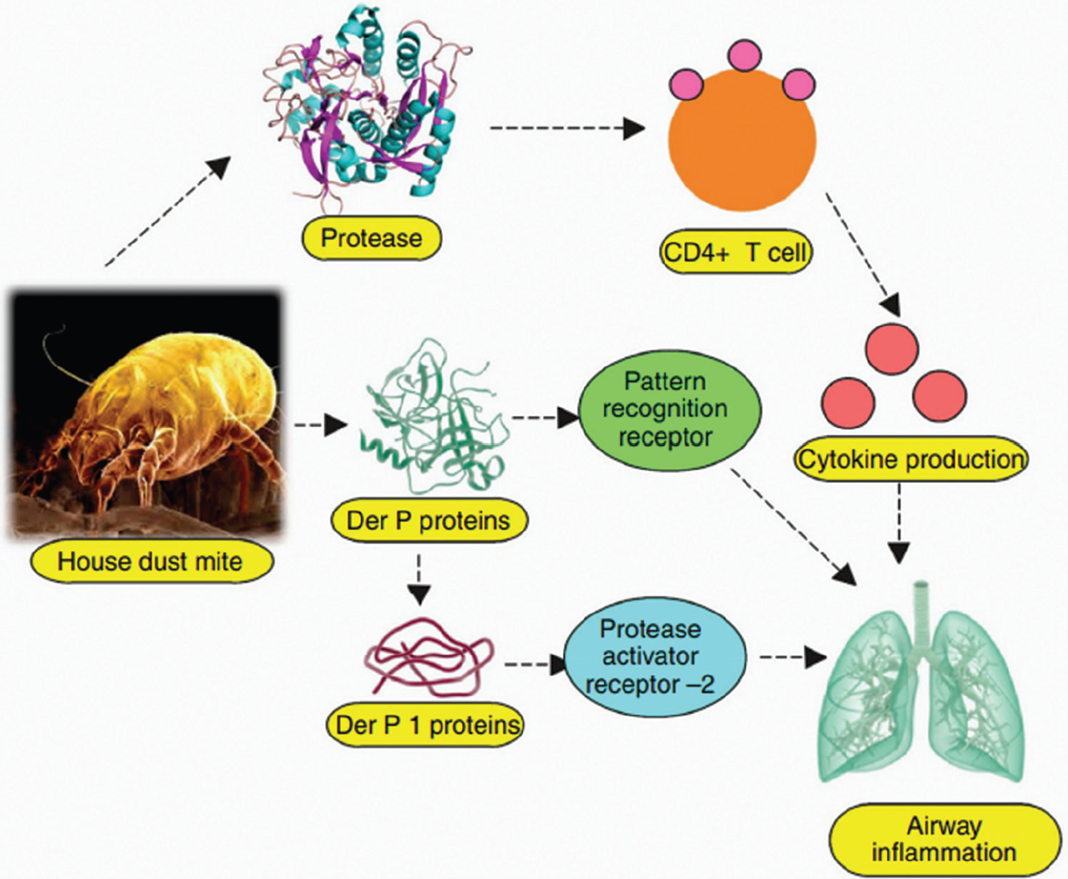
Figure 4. Mechanism of inflammation induced by dust mite allergens
Cutting-Edge Research Progress
Recent research has focused on environmental changes affecting dust mite allergy. Climate change—rising temperatures and humidity—promotes dust mite growth and allergen production, increasing sensitization rates especially in tropical regions. A 2023 study found that industrialization and urbanization exacerbate dust mite exposure, potentially enhancing IgE responses via air pollutants (e.g., diesel particles).
Immunotherapy (AIT) has seen significant advances: a 2024 meta-analysis confirmed that subcutaneous immunotherapy (SCIT) is more effective than sublingual immunotherapy (SLIT) in reducing rhinitis symptoms. Additionally, molecular studies show that epigenetic modifications (e.g., hypomethylation of the IL13 gene) correlate with dust mite sensitization, potentially explaining the long-term impacts of environmental changes. A 2023 study demonstrated that AIT combined with omalizumab improves efficacy in severe asthma.
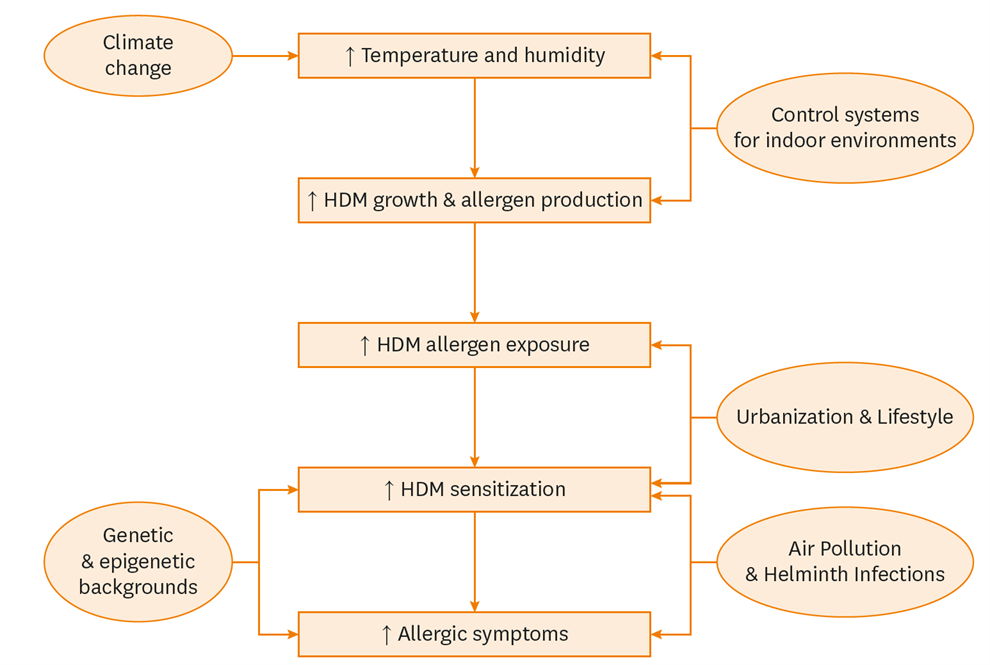
Figure 5. Simplified overview of factors influencing HDM growth, allergen exposure, allergic reactions, and symptoms
Key Research Targets
Key targets for dust mite allergy research focus on major allergens:
· Der p 1: Cysteine protease with >80% IgE binding rate. Its molecular structure (e.g., PDB: 3F5V) features β-sheets and an active site. Inhibiting its protease activity reduces epithelial damage.
· Der p 2: MD-2-like protein with >80% IgE binding rate. Structurally similar to lipid-binding proteins. Research targets its TLR4 binding site to block inflammation.
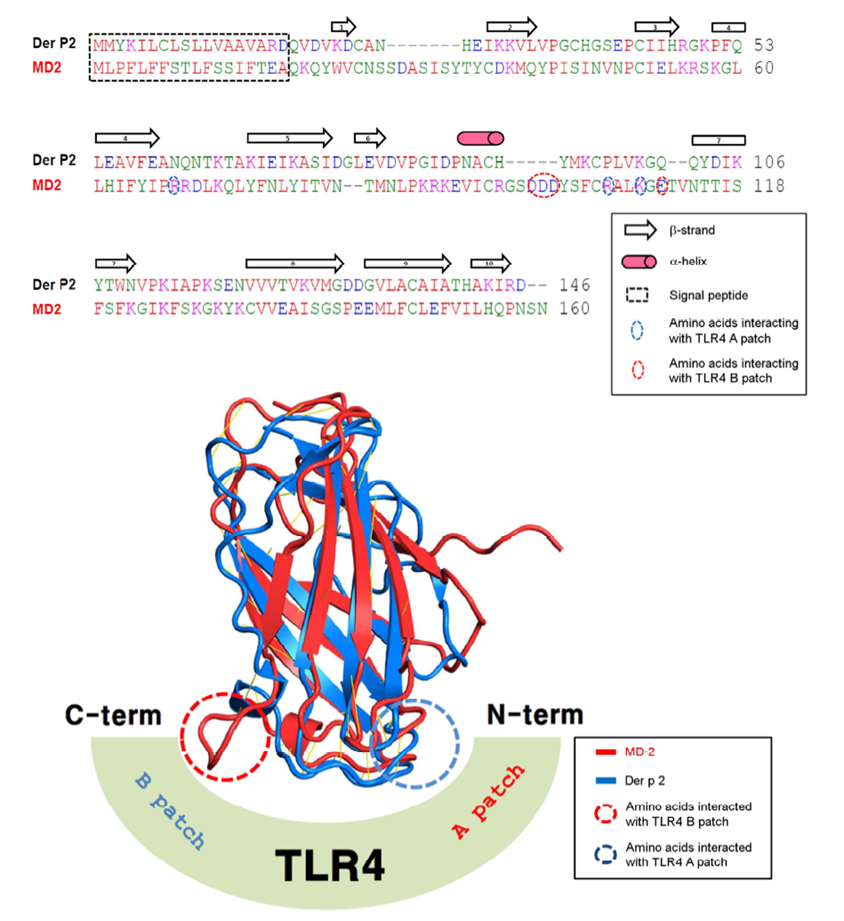
Figure 6. Structure-based sequence alignment of Der p 2 and MD2
· Der p 23: Fecal-associated protein with 70-86% IgE binding rate. As a biomarker for childhood asthma, targeting this protein improves diagnosis and prevention.
Other mid-tier targets (e.g., Der p 5, Der p 7, Der p 21; 30-50% IgE binding rate) are used in AIT for polysensitized patients.
Diagnosis and Management
Diagnosis includes skin prick testing, specific IgE assays (extract-based or component-resolved diagnostics), and nasal/conjunctival provocation tests. Management involves environmental control (e.g., mite-proof bedding, humidity control <55%, HEPA air purifiers) and AIT.
SCIT and SLIT are recommended for patients with moderate-to-severe rhinitis, asthma, or atopic dermatitis; 3-5 years of treatment provides long-term relief. GINA and EAACI guidelines recommend HDM AIT as add-on therapy for HDM-driven asthma if FEV1 >70% and no recent exacerbations.
abinScience has developed recombinant proteins (e.g., Der p 1, Der p 2, Der p 10, Der p 21, Der p 23) and related antibodies for dust mite allergy research. Below is abinScience's latest catalog of dust mite-related recombinant proteins and antibodies—click the catalog numbers to access product pages.
Why Choose abinScience's Dust Mite Research Tools?
- Covers core targets like Der p 1, Der p 2, and Der p 23;
- Provides high-purity recombinant proteins for IgE binding assays and protease activity testing;
- Polyclonal and monoclonal antibody panels support ELISA, WB, IHC, and other applications;
- All products undergo strict QC to ensure high specificity and activity, enabling dust mite allergy mechanism research and AIT development.
| Type |
Catalog No. |
Product name |
| Protein |
JN833012 |
Recombinant European house dust mite Der p 1/DERP1 Protein, N-His |
| JN075012 |
Recombinant European house dust mite Der p 10/Tropomyosin Protein, N-His |
| JN031012 |
Recombinant European house dust mite Der p 2/DERP2 Protein, N-His |
| JN949012 |
Recombinant European house dust mite Der p 23 Protein, N-GST & C-His |
| JN021031 |
Recombinant American house dust mite Der f 1 Protein, C-His |
| JN021021 |
Recombinant American house dust mite Der f 1 Protein, N-His |
| JN021011 |
Recombinant American house dust mite Der f 1/DERF1 Protein, C-His |
| JN150012 |
Recombinant Mite allergen Der p 21 Protein, N-His |
| JN149012 |
Recombinant Mite allergen Der p 5 Protein, N-His |
| JN142012 |
Recombinant Der f 2 Protein, N-His |
| JN924012 |
Recombinant European house dust mite DERP7/Der p 7 Protein, N-His |
| JN893011 |
Recombinant Blomia tropicalis (Mite) Blo t 1 Protein, C-His |
| JN156012 |
Recombinant Der p 4 Allergen Protein, N-His |
| JN155012 |
Recombinant Der p 3 Allergen Protein, N-His |
| JN893012 |
Recombinant Mite Blo t 1.0101 Protein, N-His |
| JN010012 |
Recombinant Mite Blo t 5/BLOT5 Protein, N-His |
| JN157012 |
Recombinant Der p 8 Allergen Protein, N-His |
| Antibody |
JN833014 |
Anti-European house dust mite Der p 1/DERP1 Polyclonal Antibody |
| JN075014 |
Anti-European house dust mite Der p 10/Tropomyosin Polyclonal Antibody |
| JN031014 |
Anti-European house dust mite Der p 2/DERP2 Polyclonal Antibody |
| JN949014 |
Anti-European house dust mite Der p 23 Polyclonal Antibody |
| JN924014 |
Anti-European house dust mite DERP7/Der p 7 Polyclonal Antibody |
| JN142014 |
Anti-Der f 2 Polyclonal Antibody |
| JN031183 |
Anti-Der p 2 Human IgE Antibody (1B8) |
| JN031193 |
Anti-Der p 2 Human IgE Antibody (2F10) |
| JN031173 |
Anti-Der p 2 Human IgE Antibody (2G1) |
| JN893014 |
Anti-Blomia tropicalis (Mite) Blo t 1.0101 Polyclonal Antibody |
| JN010014 |
Anti-Blomia tropicalis (Mite) Blo t 5/BLOT5 Polyclonal Antibody |
| JN031013 |
Anti-Dermatophagoides pteronyssinus DERP2/DERPII Antibody (7A1) |
| JN031023 |
Anti-Dermatophagoides pteronyssinus DERP2 Antibody (5D10) |
| JN924013 |
Anti-Dermatophagoides pteronyssinus DERP7/DERPVII Antibody (WH9) |
| JN021013 |
Anti-Dermatophagoides farinae DERF1/DERP1 Antibody (4C1) |
| JN833013 |
Anti-Dermatophagoides pteronyssinus DERPI Antibody (10B9) |
| JN833023 |
Anti-Dermatophagoides pteronyssinus DERP1 Antibody (1C14) |
abinScience: Empowering dust mite allergy research with high-quality recombinant proteins and precise antibodies, while building a key target protein/antibody matrix in allergic disease research.
References:
- Spergel JM. From atopic dermatitis to asthma: the atopic march. Ann Allergy Asthma Immunol. 2010 Aug;105(2):99-106; quiz 107-9, 117. doi: 10.1016/j.anai.2009.10.002. Epub 2010 Jan 22. PMID: 20674819.
- Liu N, Jin P, Li X, et al. Efficacy and Safety of Omalizumab Combined with Allergen-Specific Immunotherapy in the Treatment of Moderate-to-Severe Allergic Asthma: A Prospective Cohort Study in a Chinese Population. J Asthma Allergy. 2025 Sep 23;18:1337-1346. doi: 10.2147/JAA.S530738. PMID: 41018211; PMCID: PMC12476175.
- Park BS, Lee NR, Kim MJ, et al. Interaction of Der p 2 with Toll-like Receptor 4 and its Effect on Cytokine Secretion. BSL 2015;21:152-159. https://doi.org/10.15616/BSL.2015.21.3.152
- Domingo KN, Gabaldon KL, Hussari MN, et al. Impact of climate change on paediatric respiratory health: pollutants and aeroallergens. Eur Respir Rev. 2024 Jun 12;33(172):230249. doi: 10.1183/16000617.0249-2023. PMID: 39009406; PMCID: PMC11262702.
- Lázaro-Gorines R, López-Rodríguez JC, Benedé S, et al. Der p 1-based immunotoxin as potential tool for the treatment of dust mite respiratory allergy. Sci Rep. 2020 Jul 23;10(1):12255. doi: 10.1038/s41598-020-69166-w. PMID: 32703972; PMCID: PMC7378242.
- Ogi K, Ramezanpour M, Liu S, et al. Der p 1 Disrupts the Epithelial Barrier and Induces IL-6 Production in Patients With House Dust Mite Allergic Rhinitis. Front Allergy. 2021 Aug 3;2:692049. doi: 10.3389/falgy.2021.692049. PMID: 35387029; PMCID: PMC8974687.
- Huang HJ, Sarzsinszky E, Vrtala S. House dust mite allergy: The importance of house dust mite allergens for diagnosis and immunotherapy. Mol Immunol. 2023 Jun;158:54-67. doi: 10.1016/j.molimm.2023.04.008. Epub 2023 Apr 27. PMID: 37119758.
- Acevedo N, Zakzuk J, Caraballo L. House Dust Mite Allergy Under Changing Environments. Allergy Asthma Immunol Res. 2019 Jul;11(4):450-469. doi: 10.4168/aair.2019.11.4.450. PMID: 31172715; PMCID: PMC6557771.
- Kathuria PC, Rai M. House dust mite allergy – Management. Indian Journal of Allergy, Asthma and Immunology 38(2):47-58, Jul–Dec 2024. DOI: 10.4103/ijaai.ijaai_27_24
For research use only. Not for use in diagnostic or therapeutic procedures.


 中文
中文 English
 한국어
한국어 日本語
日本語 Español
 Français
 Русский


