Troubleshoot common Co-IP problems: weak signal, high background bands, and failed reverse IPs. Includes optimized protocol, Protein A vs G selection guide, and antibody tips.
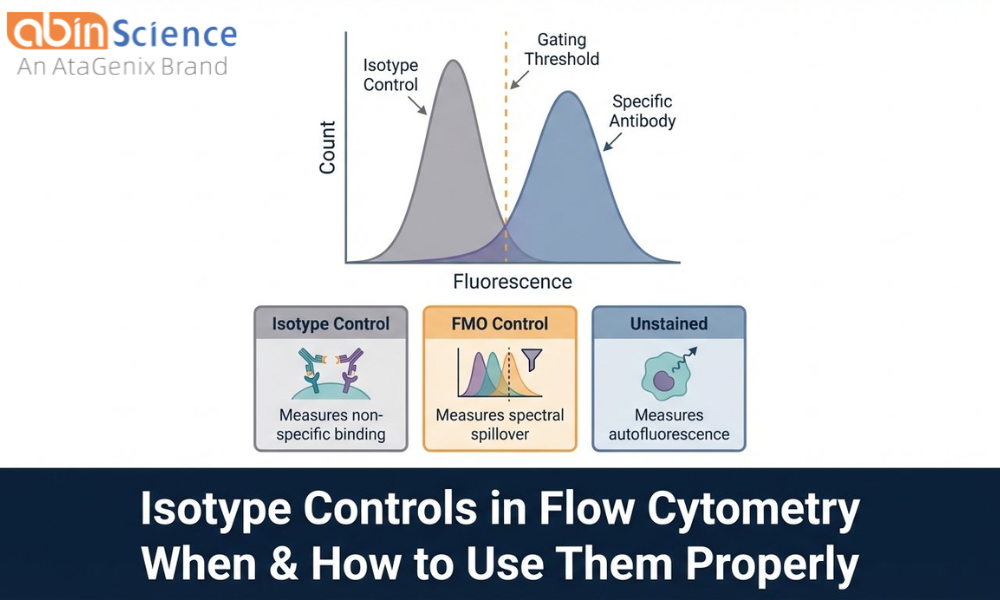
A practical guide to isotype controls in flow cytometry. Covers what isotype controls measure, how they differ from FMO controls, when they are appropriate, common misuses, and recommendations for proper gating strategies in multicolor flow cytometry panels.
Learn what research biosimilars are, how they compare to originator drugs, and their applications in PK/ADA assays, functional studies, and preclinical models. Browse 2,700+ research biosimilar antibodies at abinScience covering PD-1, HER2, CD20, TNF-alpha and more.
Protein quantification is vital in biochemistry, medicine, and food science for diagnostics and quality control. Methods like Lowry, BCA, UV spectrophotometry, and Kjeldahl offer unique approaches to measure protein concentration, each with specific principles, applications, and precautions. These techniques ensure accurate and reliable results for diverse samples, from serum to food, supporting research and industry needs.

UniProt is a comprehensive protein database collaboratively maintained by EMBL-EBI, SIB, and NCBI. It comprises UniProtKB, Proteomes, UniRef, and UniParc, offering extensive protein sequences, functional annotations, and structural data. With integrated tools like BLAST and Align, UniProt supports advanced research in bioinformatics, molecular biology, and proteomics.
Learn how to choose the best isotype control antibody to ensure accurate in vivo research. Explore essential selection criteria, their role in experimental validation, and Abinscience’s high-quality, low-endotoxin antibody solutions.
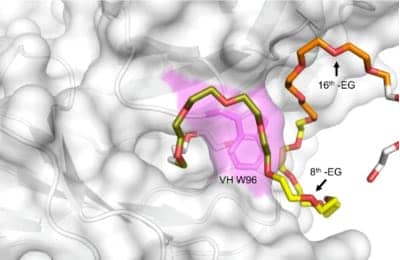
Learn about polyethylene glycol (PEG), its properties, uses, and detection using anti-PEG antibodies. Find answers to common questions on PEG-related products.
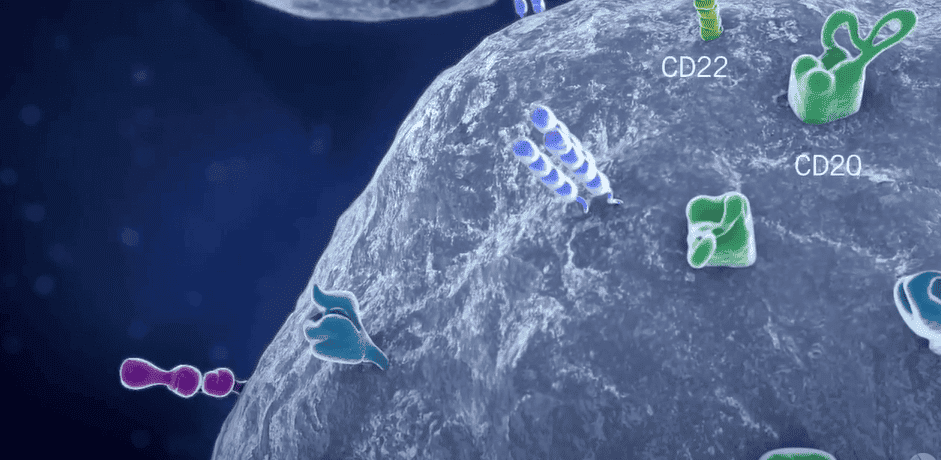
Clone numbers identify specific hybridoma cell lines in monoclonal antibody production, ensuring consistency and traceability. Find them in the 'overview' tab of the product datasheet.
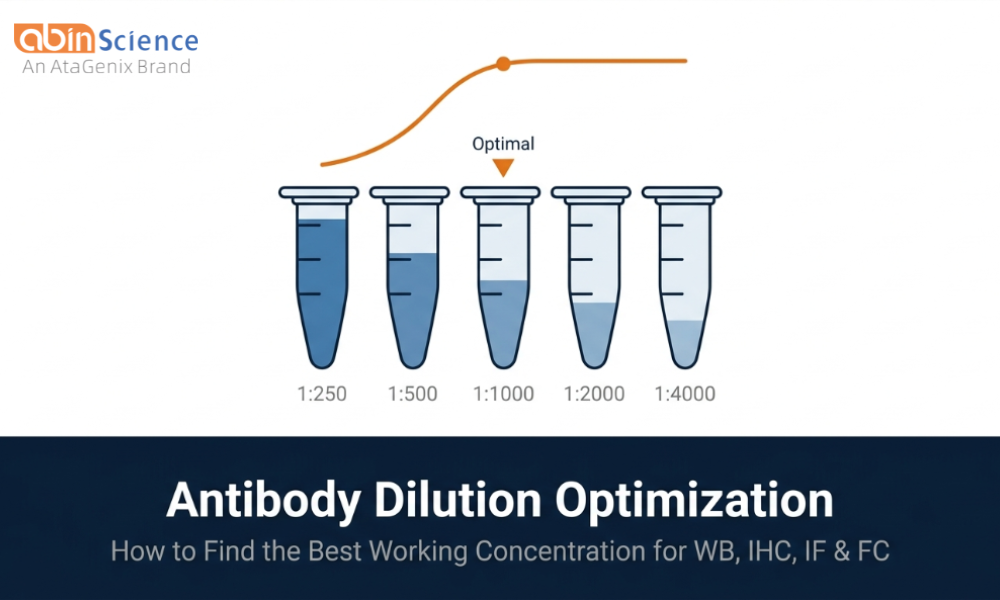
How to find the optimal antibody concentration for WB, IHC, IF, ELISA, and flow cytometry. Learn titration strategies, starting dilution recommendations, and common mistakes that cause weak signal or high background.
Step-by-step nuclear/cytoplasmic fractionation protocol for WB: hypotonic lysis method, Buffer A/C recipes, NP-40 optimization, fraction purity markers (Lamin B1, α-Tubulin), and troubleshooting guide. Covers p-STAT, p-Smad, YAP, p-ERK, NF-κB, β-catenin nuclear translocation detection.
+86-027-65523339
중국 우한시 심둔사로 666번지 C동, 우한, 430206


 中文
中文 English
 한국어
한국어 日本語
日本語 Español
 Français
 Русский