Lipid metabolism disorders are the primary modifiable risk factor for atherosclerotic cardiovascular disease (ASCVD), the leading cause of death globally. The discovery of PCSK9 as a regulator of LDL receptor degradation has opened a new class of lipid-lowering biologics (evolocumab, alirocumab), while Lp(a) has emerged as an independent, genetically determined cardiovascular risk factor with multiple therapies in late-stage clinical development. Understanding the molecular mechanisms of lipoprotein metabolism, oxidized LDL uptake, and plaque biology requires well-characterized antibodies, recombinant apolipoproteins, and receptor proteins.
Research Use Only (RUO)Not intended for diagnostic or therapeutic procedures.
abinScience provides validated antibodies, recombinant proteins, and ELISA kits for key lipid metabolism and atherosclerosis targets — therapeutic drug targets, lipoprotein components, and scavenger receptors. All products are manufactured by our parent company AtaGenix Laboratories under ISO quality systems. Browse products below or contact us for custom development.
PCSK9 (Proprotein Convertase Subtilisin/Kexin Type 9) — Secreted serine protease that binds to the LDL receptor (LDLR) on hepatocyte surfaces, promoting LDLR lysosomal degradation and raising circulating LDL-C levels. PCSK9 inhibitors (evolocumab, alirocumab) reduce LDL-C by ~60% and are approved for ASCVD and familial hypercholesterolemia. Recombinant PCSK9 proteins support drug screening, LDLR binding assays, and anti-drug antibody (ADA) reagent development.
→ Browse PCSK9 antibodies & proteins
LDLR (Low-Density Lipoprotein Receptor) — The primary hepatic receptor for ApoB-containing lipoprotein clearance. LDLR mutations cause familial hypercholesterolemia, the most common monogenic cause of premature coronary heart disease. LDLR surface expression is the functional readout for PCSK9 inhibitor efficacy and statin mechanism studies.
→ Browse LDLR antibodies & proteins
Lp(a) / Lipoprotein(a) — A genetically determined lipoprotein particle consisting of an LDL-like moiety covalently bound to apolipoprotein(a). Elevated Lp(a) is an independent, causal risk factor for ASCVD and calcific aortic valve stenosis. Multiple Lp(a)-lowering therapies (pelacarsen, olpasiran, lepodisiran) are in Phase III trials, creating demand for Lp(a) quantification reagents and pharmacodynamic assay tools.
→ Browse Lp(a) antibodies & proteins
Apolipoprotein B (ApoB-100 / ApoB-48) — ApoB-100 is the sole structural protein of LDL, VLDL, and IDL particles. One ApoB-100 molecule per particle makes it a direct measure of atherogenic particle number — increasingly preferred over LDL-C for cardiovascular risk assessment. ApoB-48 is the intestinal isoform carried on chylomicrons.
→ Browse ApoB antibodies & proteins
Apolipoprotein A-I (ApoA-I) — The major structural protein of HDL particles. ApoA-I activates lecithin-cholesterol acyltransferase (LCAT) and mediates cholesterol efflux through ABCA1 transporters, driving reverse cholesterol transport. ApoA-I is inversely associated with cardiovascular risk.
→ Browse ApoA antibodies & proteins
Apolipoprotein E (ApoE) — A 34 kDa glycoprotein that mediates lipoprotein clearance through LDLR and LRP1. The three common isoforms (ApoE2/E3/E4) differentially affect lipid metabolism and Alzheimer’s disease risk — ApoE4 is the strongest genetic risk factor for late-onset AD. ApoE bridges cardiovascular and neuroscience research.
→ Browse ApoE antibodies & proteins
LOX-1 (OLR1 / Lectin-Like Oxidized LDL Receptor 1) — The primary endothelial receptor for oxidized LDL (oxLDL). LOX-1 activation promotes endothelial dysfunction, foam cell formation, smooth muscle cell migration, and metalloproteinase-mediated plaque instability. Soluble LOX-1 (sLOX-1) is an emerging circulating biomarker for acute coronary syndromes, with diagnostic performance comparable to high-sensitivity troponin in early MI detection. LOX-1 is also a therapeutic target, with anti-LOX-1 antibodies under preclinical evaluation for atherosclerosis and ischemia-reperfusion injury.
→ Browse LOX-1 antibodies & proteins
1. Sabatine MS, et al. Evolocumab and clinical outcomes in patients with cardiovascular disease. N Engl J Med. 2017;376(18):1713-1722. DOI
2. Tsimikas S, et al. Lipoprotein(a) reduction in persons with cardiovascular disease. N Engl J Med. 2020;382(3):244-255. DOI
3. Sniderman AD, et al. Apolipoprotein B particles and cardiovascular disease: a narrative review. JAMA Cardiol. 2019;4(12):1287-1295. DOI
4. Sawamura T, et al. An endothelial receptor for oxidized low-density lipoprotein. Nature. 1997;386(6620):73-77. DOI


Human
FCM
Human
Monoclonal
IgG1, kappa
SAA0117


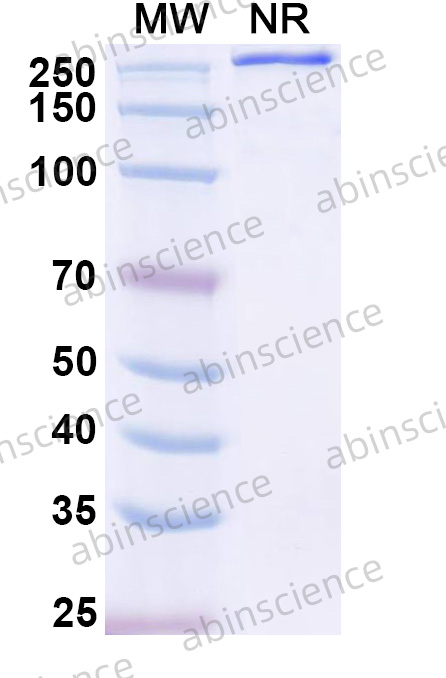
Human
ELISA, Bioactivity: FCM, Functional assay, Research in vivo
Human
Monoclonal
IgG1-kappa


Human
ELISA, Bioactivity: FACS, Functional assay, Research in vivo
Human
Monoclonal
IgG1-lambda2


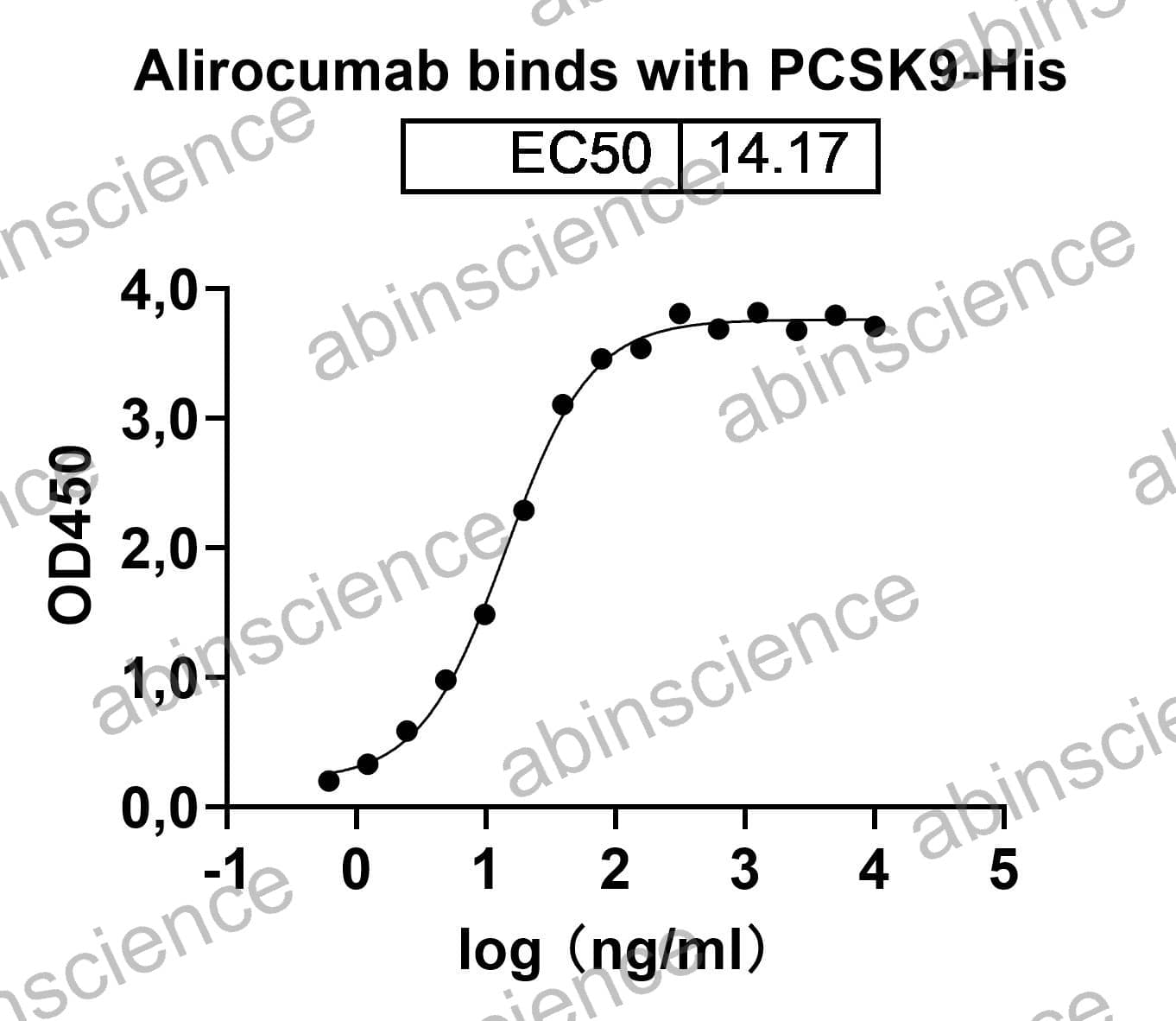
Human
ELISA, Bioactivity: FCM, Functional assay, Research in vivo
Human
Monoclonal
IgG1-kappa


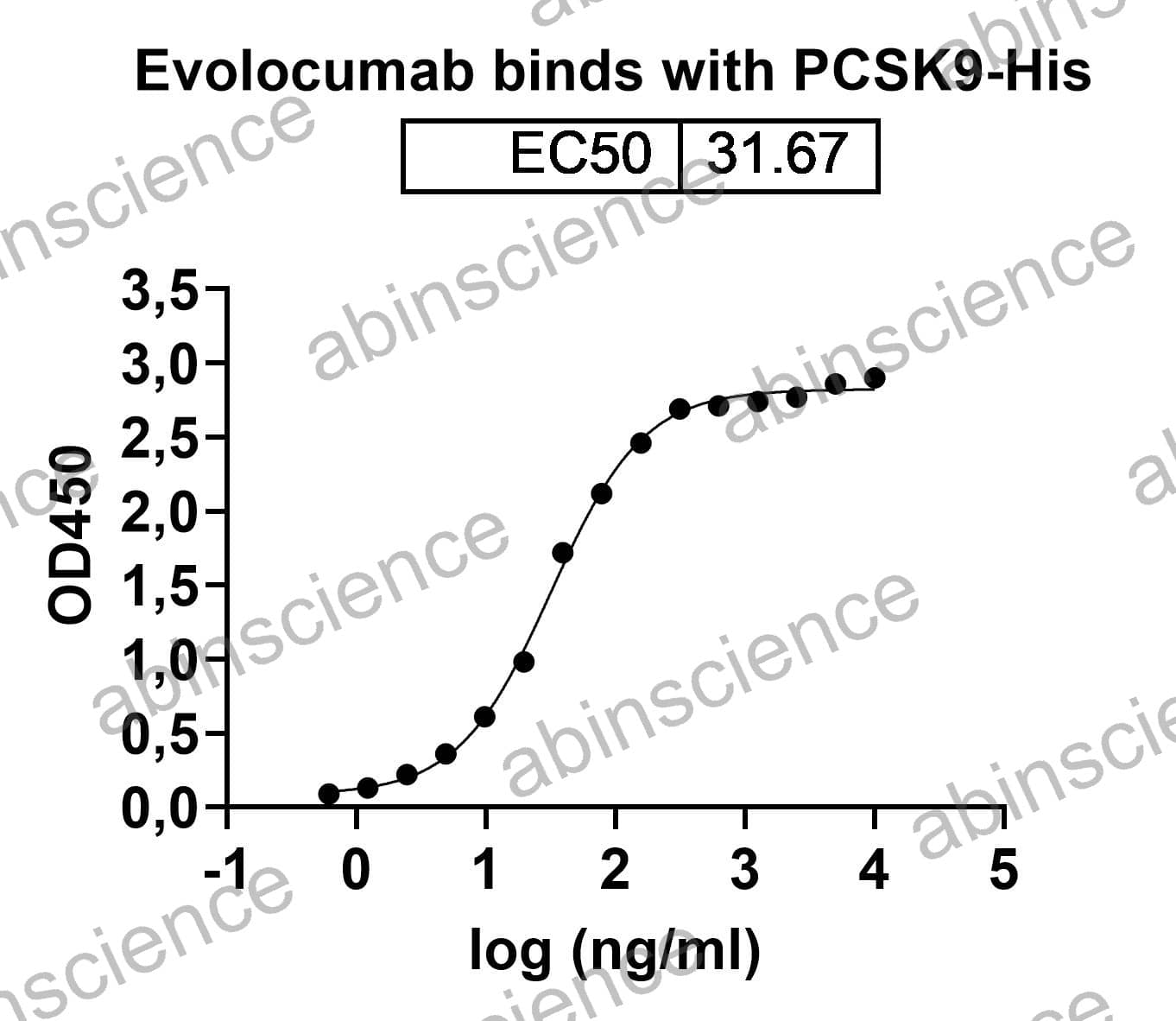
Human
ELISA, Bioactivity: FCM, Functional assay, Research in vivo
Human
Monoclonal
IgG2-lambda


Human
ELISA, Bioactivity: FACS, Functional assay, Research in vivo
Human
Monoclonal
IgG1-lambda


Human
ELISA, Bioactivity: FACS, Functional assay, Research in vivo
Human
Monoclonal
IgG1-kappa


Human
ELISA, Bioactivity: FACS, Functional assay, Research in vivo
Human
Monoclonal
IgG1-kappa


Human
ELISA, Bioactivity: FCM, Functional assay, Research in vivo
Human
Monoclonal
IgG4-kappa


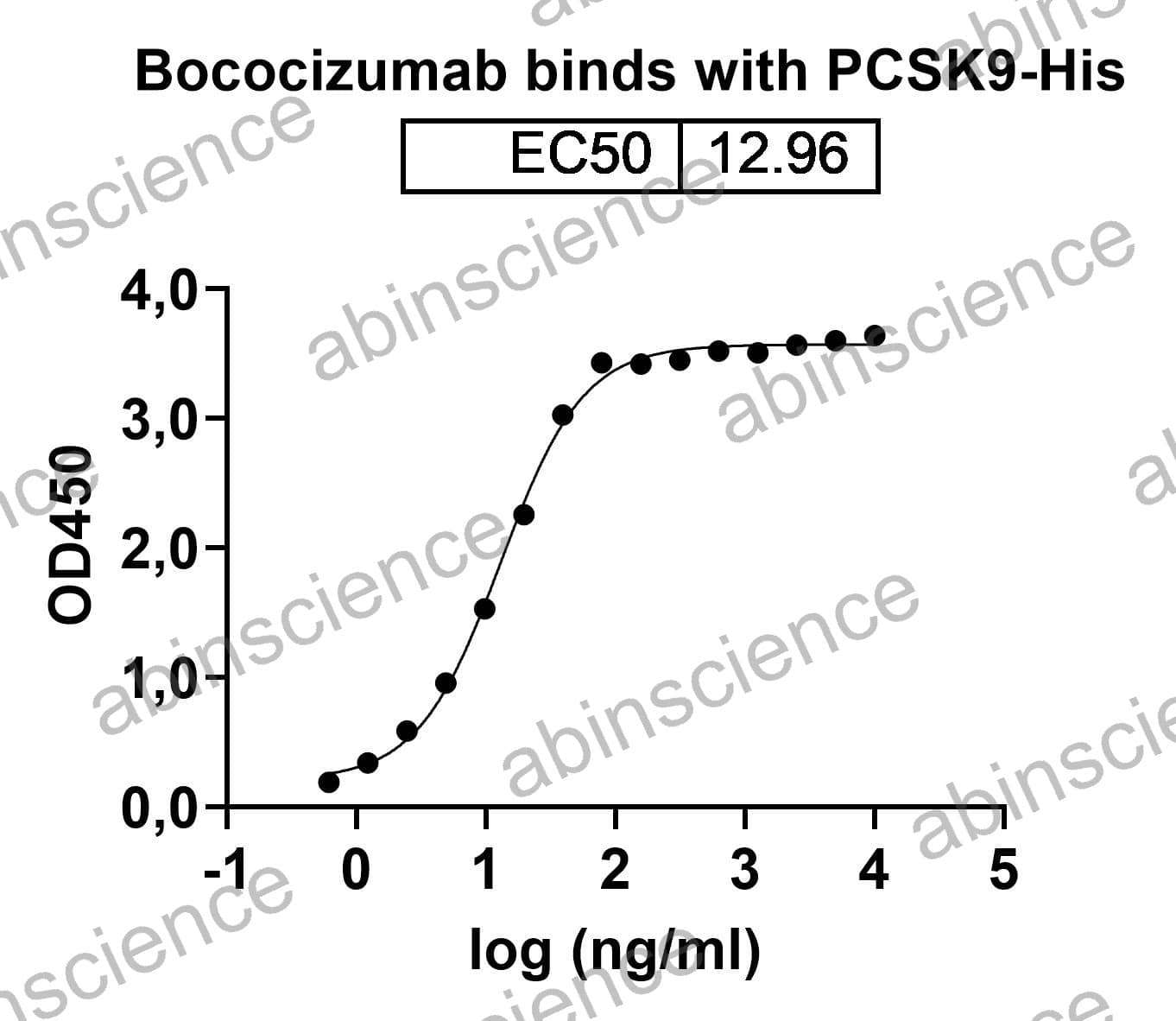
Human
ELISA, Bioactivity: FCM, Functional assay, Research in vivo
Human
Monoclonal
IgG2-kappa
+86-027-65523339
중국 우한시 심둔사로 666번지 C동, 우한, 430206


 中文
中文 English
 한국어
한국어 日本語
日本語 Español
 Français
 Русский