Adipose tissue is now recognized as a major endocrine organ that secretes a diverse array of bioactive peptides — adipokines — regulating insulin sensitivity, energy expenditure, appetite, inflammation, and cardiovascular function. Dysregulated adipokine secretion in obesity drives insulin resistance, type 2 diabetes, non-alcoholic steatohepatitis (NASH), and cardiovascular disease. FGF21 has emerged as one of the most promising therapeutic targets, with FGF21 analogs in late-stage clinical development for NASH and metabolic syndrome. Characterizing adipokine biology and developing quantitative immunoassays for these mediators requires well-validated recombinant proteins and detection antibodies.
Research Use Only (RUO)Not intended for diagnostic or therapeutic procedures.
abinScience provides validated antibodies, recombinant proteins, and ELISA kits for key adipokine targets. Recombinant adipokine proteins support functional assays and immunoassay calibration. All products are manufactured by our parent company AtaGenix Laboratories under ISO quality systems. Browse products below or contact us for custom development.
FGF21 (Fibroblast Growth Factor 21) — An atypical FGF family member that functions as a metabolic hormone rather than a mitogen. FGF21 signals through FGFR1c/β-Klotho to promote fatty acid oxidation, glucose uptake, energy expenditure, and weight loss. Circulating FGF21 is elevated in obesity and NASH as a compensatory response. Multiple FGF21 analogs (efruxifermin, pegozafermin) are in Phase II/III trials for NASH, representing one of the most active areas of metabolic drug development.
→ Browse FGF21 antibodies & proteins
Adiponectin (ADIPOQ / Acrp30) — The most abundant adipokine in human plasma, secreted exclusively by adipocytes. Adiponectin enhances insulin sensitivity, promotes fatty acid oxidation, and exerts anti-inflammatory and anti-atherogenic effects. Unlike most adipokines, adiponectin levels are paradoxically reduced in obesity. Low adiponectin is independently associated with type 2 diabetes, metabolic syndrome, and coronary artery disease risk.
→ Browse Adiponectin antibodies & proteins
Visfatin / NAMPT (Nicotinamide Phosphoribosyltransferase) — A dual-function protein acting as an intracellular enzyme essential for NAD+ biosynthesis (iNAMPT) and an extracellular adipokine (eNAMPT/visfatin) with insulin-mimetic and pro-inflammatory properties. Elevated circulating NAMPT is associated with obesity, type 2 diabetes, and inflammatory conditions. NAMPT inhibitors are explored in oncology due to cancer cell dependence on NAD+ salvage pathways.
→ Browse Visfatin / NAMPT antibodies & proteins
Leptin (LEP / OB) — The “satiety hormone” secreted by adipocytes in proportion to fat mass. Leptin signals through the hypothalamic LepR to suppress appetite and increase energy expenditure. Obesity is typically characterized by leptin resistance rather than deficiency — high circulating leptin fails to suppress food intake due to impaired receptor signaling. Congenital leptin deficiency causes severe early-onset obesity treatable with recombinant leptin (metreleptin).
→ Browse Leptin antibodies & proteins
Resistin (RETN / FIZZ3) — A cysteine-rich adipokine originally identified as an adipocyte-derived insulin resistance factor in mice. In humans, resistin is primarily expressed by macrophages and monocytes and functions as a pro-inflammatory mediator. Elevated resistin is associated with insulin resistance, atherosclerosis, and inflammatory conditions including rheumatoid arthritis.
→ Browse Resistin antibodies & proteins
RBP4 (Retinol-Binding Protein 4) — Secreted by adipocytes and hepatocytes, RBP4 transports retinol (vitamin A) in the circulation. Elevated RBP4 is associated with insulin resistance, visceral adiposity, and cardiovascular risk. RBP4 impairs insulin signaling by activating JNK and TLR4 pathways in target tissues, making it both a biomarker and potential therapeutic target in metabolic syndrome.
→ Browse RBP4 antibodies & proteins
Adipsin (Complement Factor D / CFD) — A serine protease of the alternative complement pathway that is also secreted by adipocytes. Adipsin stimulates insulin secretion from pancreatic β-cells via complement C3a generation. Reduced adipsin in obesity and type 2 diabetes impairs β-cell function, linking complement biology to metabolic disease. Adipsin is emerging as both a biomarker for β-cell failure and a potential therapeutic target.
→ Browse Adipsin antibodies & proteins
1. BonDurant LD, Potthoff MJ. Fibroblast growth factor 21: a versatile regulator of metabolic homeostasis. Annu Rev Nutr. 2018;38:173-196. DOI
2. Friedman JM. Leptin and the endocrine control of energy balance. Nat Metab. 2019;1(8):754-764. DOI
3. Kadowaki T, et al. Adiponectin and adiponectin receptors in insulin resistance, diabetes, and the metabolic syndrome. J Clin Invest. 2006;116(7):1784-1792. DOI
4. Lo JC, et al. Adipsin is an adipokine that improves β cell function in diabetes. Cell. 2014;158(1):41-53. DOI


Human
ELISA, FCM, Neutralization
Human
Monoclonal
IgG1, kappa
Iv0118


Human
ELISA, Neutralization
Human
Monoclonal
IgG
Iv0067


Human
ELISA, Bioactivity: FACS, Functional assay, Research in vivo
Human
Monoclonal
IgG4-Kappa


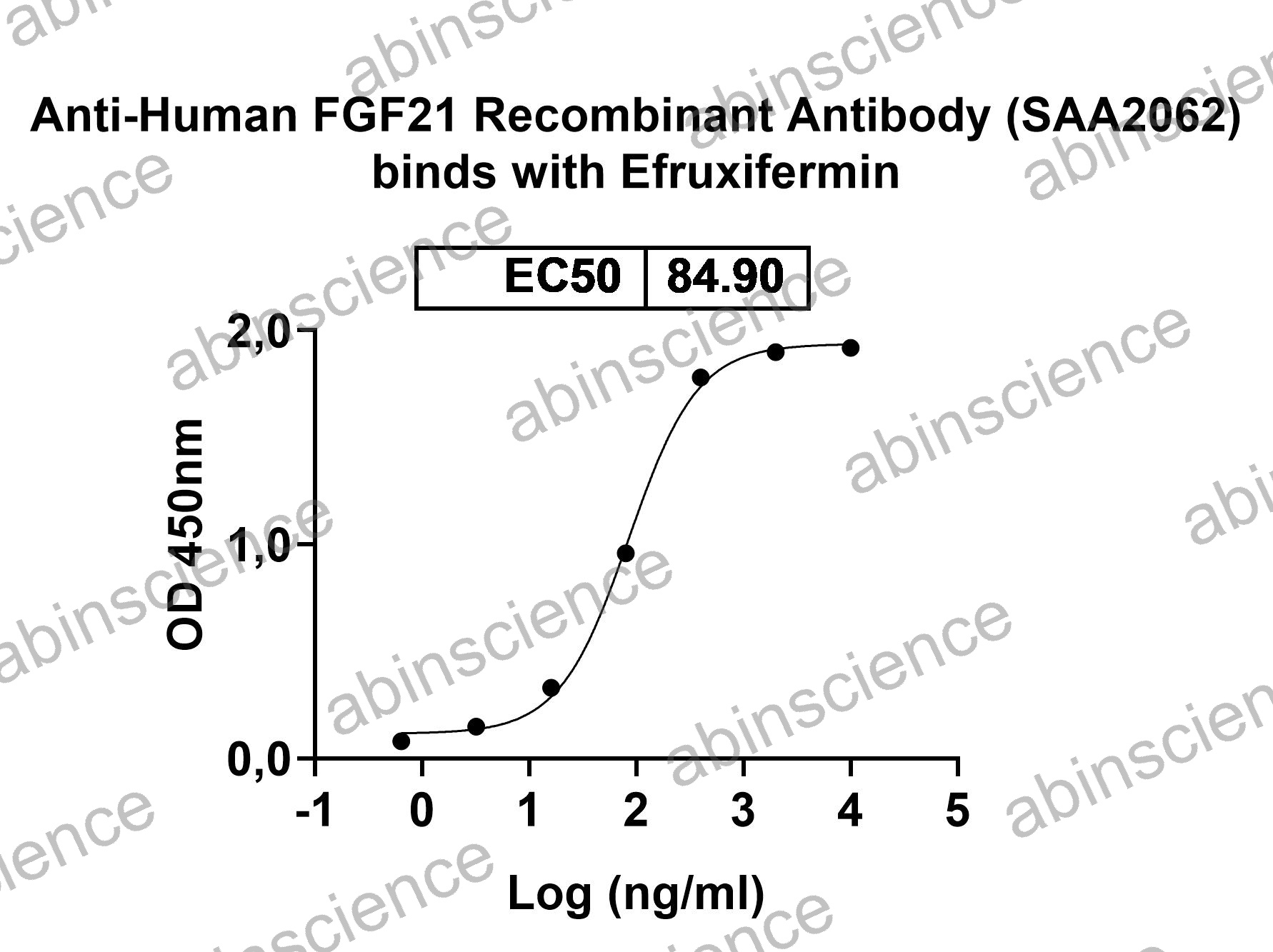
Human
ELISA, FCM
Mouse
Monoclonal
IgG2a, kappa
SAA2062


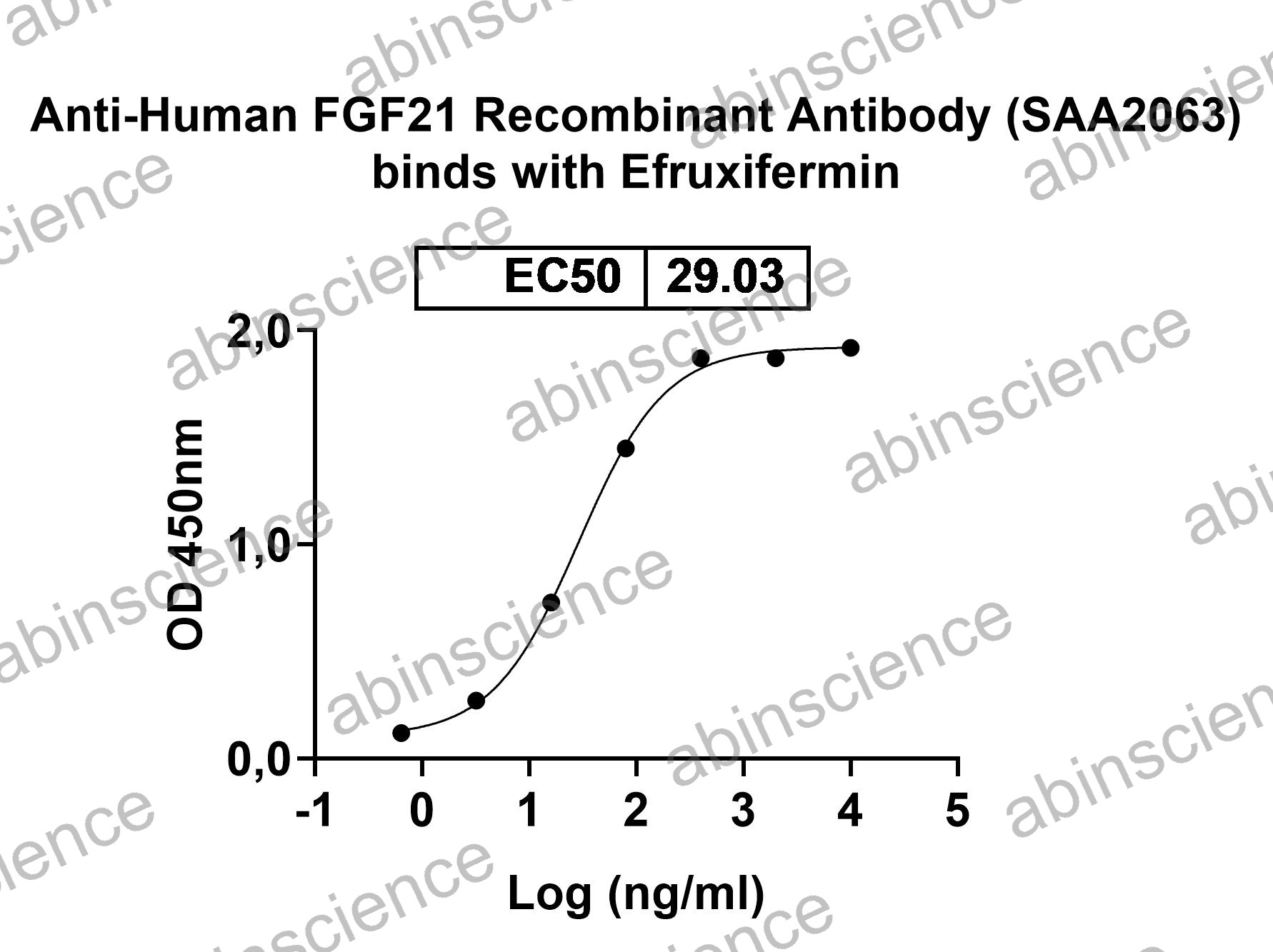
Human
ELISA
Mouse
Monoclonal
IgG2a, kappa
SAA2063


Human
Neutralization
Mouse
Monoclonal
IgG2a, kappa
9F8

Mammalian cells
Q9NSA1
Met1-Ser209
ELISA, Immunogen, SDS-PAGE, WB, Bioactivity testing in progress
Homo sapiens (Human)


Mammalian cells
P00746
Met1-Ala253
ELISA, Immunogen, SDS-PAGE, WB, Bioactivity testing in progress
Homo sapiens (Human)

Human
ELISA, IHC, WB
Rabbit
Polyclonal
IgG

Human
FCM
Human
Monoclonal
IgG4, Kappa
SAA0096
+86-027-65523339
중국 우한시 심둔사로 666번지 C동, 우한, 430206


 中文
中文 English
 한국어
한국어 日本語
日本語 Español
 Français
 Русский