On February 27, 2026, the World Health Organization (WHO) officially released its recommendations for the influenza vaccine virus composition for the 2026–2027 northern hemisphere influenza season. These recommendations, derived from year-round data collected through the WHO Global Influenza Surveillance and Response System (GISRS), serve as a core guidance for global influenza vaccine research, production, and regulatory activities, while also defining key targets for influenza-related research in the northern hemisphere.
1. Key Features of Global Influenza Activity in the 2025–2026 Season
The updated vaccine composition is primarily based on epidemiological surveillance from the 2025–2026 influenza season, highlighting several defining trends:
1.1 Rapid turnover of dominant variants
In August 2025, the A(H3N2) J.2.4.1 clade (the “K subclade”) was first detected. This strain exhibited significant antigenic differences from previous circulating viruses and quickly spread worldwide, becoming the dominant strain of the season. This rapid spread led to earlier-than-usual influenza activity and higher intensity compared to previous years.
1.2 Clear lineage patterns
Influenza A viruses predominated this season. In addition to the dominant K subclade, other A(H3N2) and A(H1N1)pdm09 variants were detected. Influenza B activity remained low, with only the B/Victoria lineage observed; the B/Yamagata lineage has not been reported globally since March 2020.
1.3 Continued zoonotic influenza risk
Between September 23, 2025, and the latest composition consultation, WHO received reports of 25 human infections with animal influenza viruses across six countries. All cases had documented exposure to infected animals or contaminated environments, with no evidence of sustained human-to-human transmission.
2. Recommended Vaccine Strains and Key Research Directions for 2026–2027
WHO has provided strain recommendations for different vaccine production platforms and identified priority research directions:
2.1 2026–2027 Northern Hemisphere Influenza Vaccine Composition
| Vaccine Platform |
Recommended Strain Targets |
| Egg-based vaccines |
1. A/Missouri/11/2025 (H1N1)pdm09-like virus
2. A/Darwin/1454/2025 (H3N2)-like virus
3. B/Tokyo/EIS13-175/2025 (B/Victoria lineage)-like virus |
| Cell-based, recombinant protein, or nucleic acid vaccines |
1. A/Missouri/11/2025 (H1N1)pdm09-like virus
2. A/Darwin/1415/2025 (H3N2)-like virus
3. B/Pennsylvania/14/2025 (B/Victoria lineage)-like virus |
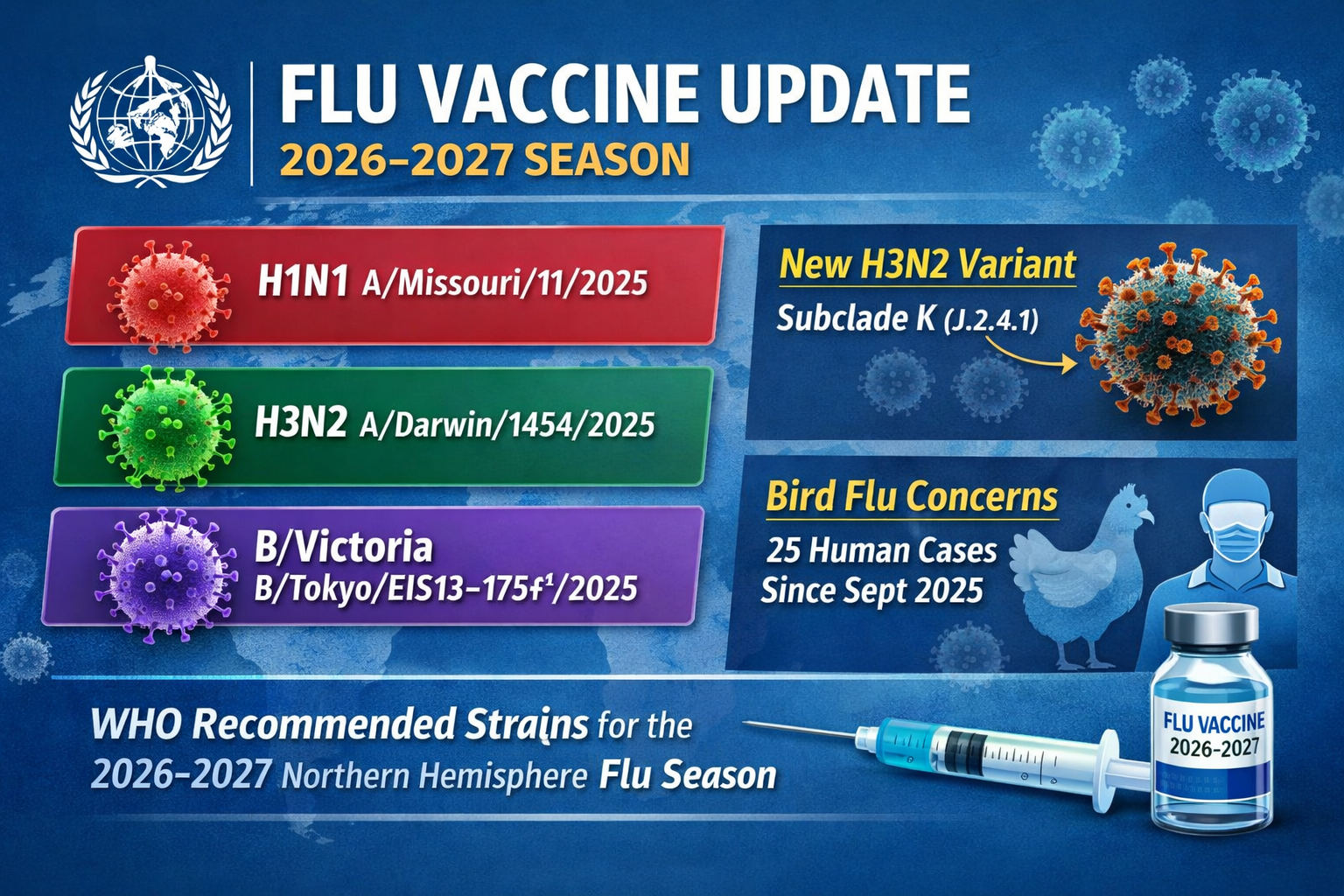
Figure 1: 2026–2027 Northern Hemisphere Influenza Vaccine Composition
2.2 Priority Research Directions
WHO experts emphasize the development of candidate vaccines against the H9N2 influenza A virus, which poses zoonotic transmission risks and potential pandemic threats. This strain represents a core target for studies on cross-species transmission mechanisms, broad-spectrum vaccine development, and pandemic preparedness.
3. Implications for Influenza Research
The updated WHO vaccine composition provides clear guidance for upcoming influenza research, impacting multiple domains:
Vaccine R&D: Studies are needed to design immunogens, optimize expression systems, and evaluate immunogenicity and cross-protection of the newly recommended strains. Recombinant antigens and reference standards corresponding to these strains are essential research tools.
Basic virology: Investigations into the genomics, antigenic variability, host tropism, and pathogenic mechanisms of emerging A(H3N2) variants and H9N2 strains are prioritized.
Antibody and antiviral development: Research focusing on core antigens of the new strains supports neutralizing antibody screening, epitope mapping, mechanistic studies, and broad-spectrum therapeutic antibody development.
4. abinScience Influenza Research Tools
In response to the updated influenza strains recommended for the 2026–2027 northern hemisphere season, abinScience provides a comprehensive range of influenza virus-related reagents, including recombinant proteins and high-specificity antibodies for H1N1, H3N2, H9N2, and influenza B viruses. Which are intended to support scientific investigations into viral pathogenic mechanisms, preclinical vaccine development, neutralizing antibody screening, and antiviral drug discovery.
| Virus type |
Product Name |
Catalog No. |
| H1N1 |
Recombinant Influenza A virus (H1N1) M2e Protein, N-GST & C-His |
VK736022 |
| Recombinant Influenza A virus (H1N1) NP/Nucleoprotein Protein, N-His |
VK528012 |
| Research Grade Anti-Influenza A virus HA/Hemagglutinin Broad-Neutralizing Antibody (CR9114) |
VK515076 |
| Anti-Influenza A virus M2 ectodomain/M2e Antibody (Fab65) |
VK736033 |
| Anti-Influenza A virus (H1N1) Neuraminidase/NA Antibody (CR12042) |
VK496093 |
| H3N2 |
Recombinant Influenza A virus (H3N2) HA/Hemagglutinin Protein, N-His |
VK515112 |
| Recombinant Influenza A virus (H3N2) HA/Hemagglutinin Protein, C-His |
VK515301 |
| Recombinant Influenza A virus (H3N2) NF (CsgA)-3M2e Protein, N-His |
VK736082 |
| Recombinant Influenza A virus (H3N2) NA/Neuraminidase Protein, N-His |
VK496021 |
| InVivoMAb Anti-Influenza A virus (H3N2) HA/Hemagglutinin Broadly Neutralizing Antibody (F045-092) |
VK515070 |
| Anti-Influenza A virus Neuraminidase/NA Antibody (Mem5) |
VK496043 |
| H9N2 |
InVivoMAb Anti-Influenza A virus Neuraminidase/NA Antibody (1G01) |
VK496010 |
| Recombinant Influenza A virus (H9N2) HA/Hemagglutinin Protein, N-His |
VK515012 |
| Anti-Influenza A virus (H9N2) HA/Hemagglutinin Polyclonal Antibody |
VK515134 |
| Influenza B |
Anti-Influenza A virus NP/Nucleoprotein Antibody (SAA0411) |
VK528023 |
| Recombinant Influenza B virus (Flu B) HA/Hemagglutinin Protein, C-His |
VK551021 |
| Recombinant Influenza B virus (Flu B) HA/Hemagglutinin Protein, C-His |
VK551011 |
| Anti-Influenza B virus/Flu-B virus Monoclonal Antibody (1A260) |
VK481015 |
| Anti-Influenza B virus/Flu-B virus Monoclonal Antibody (1A261) |
VK481025 |
| Others |
Recombinant Influenza D virus (Flu D) HE Protein, C-His |
VK790012 |
| Recombinant Influenza A virus (H10N7) HA/Hemagglutinin Protein, N-His |
VK515022 |
| Recombinant Influenza A virus (H17N10) HA/Hemagglutinin Protein, N-His |
VK515062 |
| Recombinant Influenza A virus (H5N1) M2e Protein, N-GST & C-His |
VK736042 |
| Anti-Influenza A/B virus NA/Neuraminidase Broad-Neutralizing Antibody (SAA2408) |
VK496103 |
| Anti-Influenza A Virus H7 subtype Hemagglutinin/HA Antibody (H7-235) |
VK515033 |
References
[1] Recommended composition of influenza virus vaccines for use in the 2026–2027 northern hemisphere influenza season
For Research Use Only. Not for use in diagnostic or therapeutic procedures.


 中文
中文 English
 한국어
한국어 日本語
日本語 Español
 Français
 Русский


