Immune thrombocytopenia (ITP) is an acquired autoimmune bleeding disorder characterized by isolated thrombocytopenia (<100 × 109/L) caused by autoantibody-mediated platelet destruction and impaired megakaryocyte thrombopoiesis. Autoantibodies primarily target platelet surface glycoproteins GPIIb/IIIa (integrin αIIbβ3) and GPIb/IX/V complex, leading to Fcγ receptor-mediated splenic phagocytosis, complement-dependent lysis, and ADCC. Inadequate compensatory TPO signaling further contributes to insufficient platelet production. Current therapies include first-line corticosteroids and IVIG, second-line TPO receptor agonists (romiplostim, eltrombopag, avatrombopag), anti-CD20 (rituximab), Syk inhibitors (fostamatinib), FcRn antagonists (efgartigimod, rozanolixizumab), and splenectomy. FcRn antagonists represent the newest drug class, reducing pathogenic IgG levels by blocking FcRn-mediated IgG recycling.
Research Use Only (RUO)Not intended for diagnostic or therapeutic procedures.
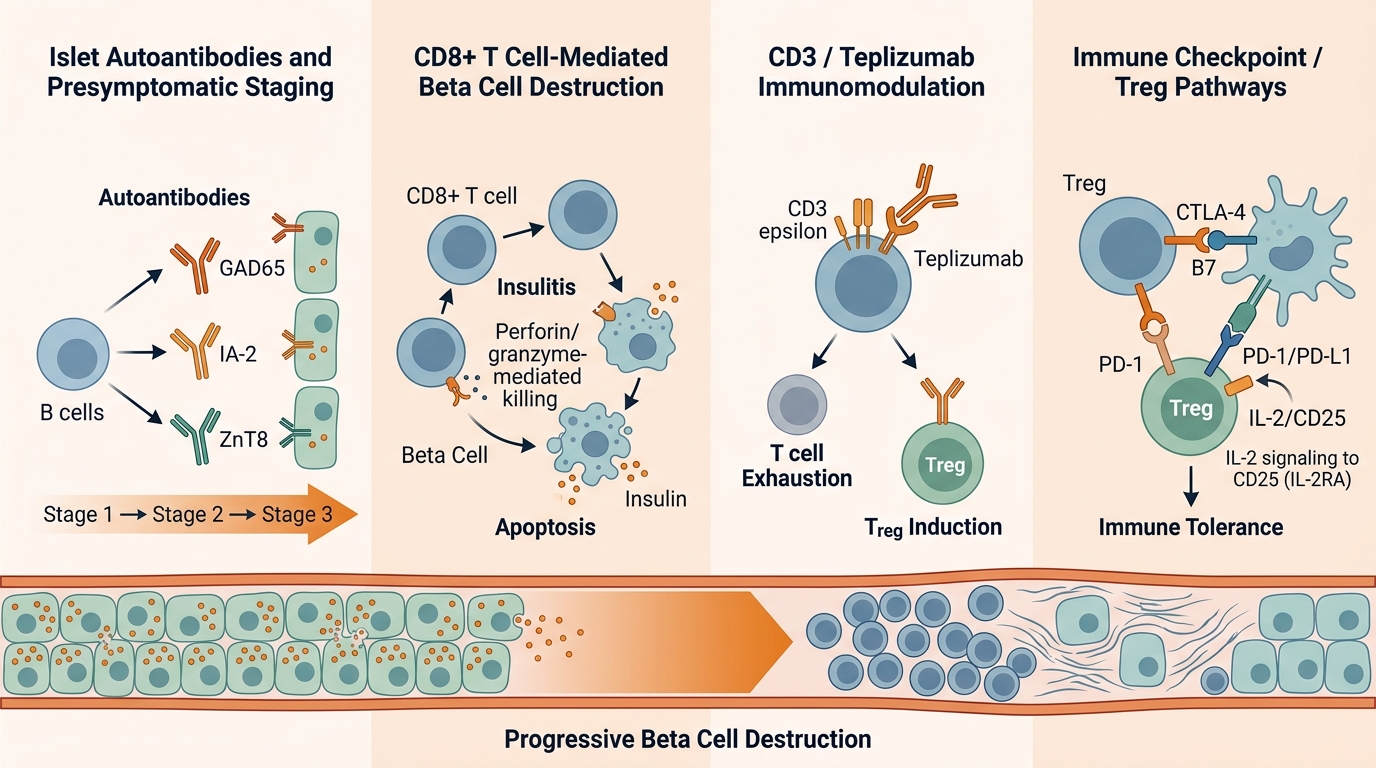
Fig. 1 Key pathogenic pathways in immune thrombocytopenia. Anti-platelet autoantibodies (anti-GPIIb/IIIa, anti-GPIb) drive FcγR-mediated splenic phagocytosis; complement C3b/C4d deposition contributes to platelet destruction; impaired TPO/c-Mpl signaling reduces megakaryocyte thrombopoiesis; FcRn antagonists reduce pathogenic IgG levels. Key research targets highlighted in orange.
abinScience provides validated anti-platelet glycoprotein antibodies, romiplostim matched-pair monoclonal antibodies and ELISA kits, FcRn antagonist reference antibodies (efgartigimod, rozanolixizumab, batoclimab, nipocalimab), and complement antibodies for ITP research. All products are manufactured by our parent company AtaGenix Laboratories under ISO quality systems. Browse products below or contact us for custom antibody development.
GPIIb/IIIa (CD41/CD61, Integrin αIIbβ3) — The major platelet autoantigen in ITP. GPIIb/IIIa is a calcium-dependent heterodimeric integrin mediating fibrinogen binding and platelet aggregation. Anti-GPIIb/IIIa autoantibodies are detected in ~75% of ITP patients. Anti-CD41/CD61 reference antibodies (abciximab) and recombinant antibodies (clone 7E3) support MAIPA assay development, autoantibody detection, and platelet activation studies.
→ Browse GPIIb/IIIa (CD41/CD61) antibodies & proteins
GPIbα (CD42b) — The second most common autoantibody target in ITP. GPIbα binds von Willebrand factor (vWF) to mediate initial platelet adhesion under high shear. Anti-GPIbα-mediated platelet destruction involves a distinct hepatic clearance pathway via the Ashwell-Morell receptor, which is resistant to IVIG therapy. Anti-CD42b/GP1BA recombinant antibody (clone 5G6) with fluorescent conjugates (FITC, PE, APC, PerCP) supports flow cytometric platelet phenotyping, epitope mapping, and MAIPA assay development.
→ Browse GPIbα (CD42b) antibodies & proteins
TPO / Romiplostim — Thrombopoietin (TPO) is the primary regulator of megakaryopoiesis, binding c-Mpl (MPL) to activate JAK2/STAT5 signaling. TPO receptor agonists (romiplostim, eltrombopag) stimulate platelet production to compensate for increased destruction. abinScience offers a dedicated romiplostim toolkit: matched-pair monoclonal antibodies (clones 1A430, 1A431, 1A432), romiplostim recombinant protein (N-Fc), drug-level ELISA kit, ADA ELISA kit, and anti-romiplostim polyclonal antibodies for TDM research.
→ Browse TPO / Romiplostim antibodies & ELISA kits
FcRn (FCGRT) — The neonatal Fc receptor maintains IgG homeostasis by rescuing IgG from lysosomal degradation. FcRn antagonists are the newest therapeutic class in ITP, reducing pathogenic anti-platelet IgG levels. abinScience offers the broadest FcRn antagonist reference antibody panel available: efgartigimod, rozanolixizumab, batoclimab, nipocalimab, orilanolimab, and HBM9161, supporting mechanism-of-action studies, biosimilar characterization, and immunogenicity monitoring across multiple FcRn-targeting programs.
→ Browse FcRn antibodies & proteins
1. Provan D, et al. Updated international consensus report on the investigation and management of primary immune thrombocytopenia. Blood Adv. 2019;3(22):3780-3817. DOI
2. Neunert C, et al. American Society of Hematology 2019 guidelines for immune thrombocytopenia. Blood Adv. 2019;3(23):3829-3866. DOI
3. Kuter DJ. Biology and chemistry of thrombopoietic agents. Int J Hematol. 2013;98(1):10-23. DOI
4. Cines DB, et al. The ITP syndrome: pathogenic and clinical diversity. Blood. 2009;113(26):6511-6521. DOI
Human
ELISA, Bioactivity: FACS, Functional assay, Research in vivo
Human
IgG1-kappa
Human
FCM
Human
IgG1, kappa
NM3E2
Human
FCM
Human
IgG1, lambda
BlySmAb-1.1
Human
FCM
Human
IgG4, kappa
SAA0136
Human
FCM
Human
IgG4, kappa
SAA0135
Human
ELISA, Bioactivity: FACS, Functional assay, Research in vivo
Human
IgG1-kappa
Human
ELISA, Bioactivity: FACS, Functional assay, Research in vivo
Human
IgG1-kappa
Human
ELISA, Bioactivity: FACS, Functional assay, Research in vivo
Human
IgG1
M971
Human
ELISA, Bioactivity: FACS, Functional assay, Research in vivo
Human
IgG1
M972
Human
ELISA, Bioactivity: FACS, Functional assay, Research in vivo
Human
IgG1-lambda