Precision Targeted Therapy in Veterinary Medicine: Core Targets and Latest Research Advances
Veterinary medicine is ushering in the era of precision-targeted therapy. From allergic pruritus to tumor immune evasion, and from chronic kidney disease to osteoarthritis, multiple core molecular targets have now been identified. This article systematically organizes common pet diseases, their key therapeutic targets, and the latest research advances by disease category.
1. Allergic / Skin Diseases
Core Symptoms: Intense pruritus is the most prominent clinical sign of canine atopic dermatitis, typically presenting as persistent scratching, licking, biting, and rubbing. This leads to localized skin redness, papules, exudation, and even lichenification. Prolonged scratching frequently results in secondary bacterial or yeast infections (such as Malassezia), which further aggravate inflammation. Disruption of the skin barrier is a central pathological feature: abnormal lipid composition in the epidermal stratum corneum and downregulated filaggrin expression cause increased transepidermal water loss, allowing allergens to penetrate more easily and creating a vicious cycle.
Key Targets
IL-4 / IL-4Rα (CD124): The core switch for initiating Th2 inflammation and IgE production. IL-4 is a classic Th2-type cytokine primarily secreted by Th2 cells, mast cells, and basophils. In canine atopic dermatitis, following allergen stimulation, skin dendritic cells (DCs) capture antigens and migrate to draining lymph nodes. IL-4 binds to IL-4Rα (CD124, composed of the IL-4Rα chain and the common γ chain or IL-13Rα1 chain), activating the JAK1/JAK3-STAT6 signaling pathway.
IL-31: The JAK/STAT pathway directly triggers the "itch switch." IL-31 is an "itch-specific" cytokine secreted by Th2 cells and mast cells, known as a pruritogen. Its receptor complex (IL-31RA + OSMRβ) is highly expressed on cutaneous sensory nerve endings, keratinocytes, macrophages, and eosinophils.
SLAMF1 (CD150): A newly identified genetic susceptibility gene discovered by the 2025 Mars Petcare Biobank. SLAMF1 (Signaling Lymphocytic Activation Molecule Family 1, also known as CD150) is a transmembrane immune-regulatory receptor primarily expressed on the surface of T cells, B cells, NK cells, and dendritic cells. Its cytoplasmic tail contains an ITSM (immunoreceptor tyrosine-based switch motif) that recruits SAP (SLAM-associated protein) and Fyn kinase, forming the SLAM-SAP-Fyn signaling complex that finely regulates immune cell activation, proliferation, and tolerance.
Related Drug Research
Novel JAK Inhibitor Ilunocitinib (brand name Zenrelia™, Elanco): A non-selective JAK inhibitor with high affinity for JAK1, JAK2, and TYK2. By blocking downstream JAK-STAT signaling of multiple Th2/itch-related cytokines (IL-2, IL-4, IL-6, IL-13, IL-31, etc.), it achieves multi-target inhibition: it directly blocks IL-31 signaling on sensory neurons for rapid itch relief (onset within hours); inhibits IL-4/IL-13/IL-6 signaling to reduce Th2 inflammation, IgE production, and acute-phase responses; and simultaneously improves inflammation related to the skin barrier. Its pharmacokinetics support once-daily dosing (half-life approximately 5 hours, maintaining effective plasma concentrations for 24 hours).
Tocilizumab (humanized anti-IL-6R monoclonal antibody): IL-6 is a key cytokine in acute inflammation and Th17/Th2 amplification. It activates both classical and trans-signaling pathways by binding to membrane-bound and soluble IL-6R (mIL-6R/sIL-6R), promoting inflammatory cytokine storms, acute-phase protein synthesis, and B-cell activation. Latest 2025 in-vitro studies confirm that tocilizumab specifically binds canine IL-6R, blocks IL-6-mediated STAT3 phosphorylation, and elicits a clear inhibitory biological response (suppressing downstream inflammatory mediator release).
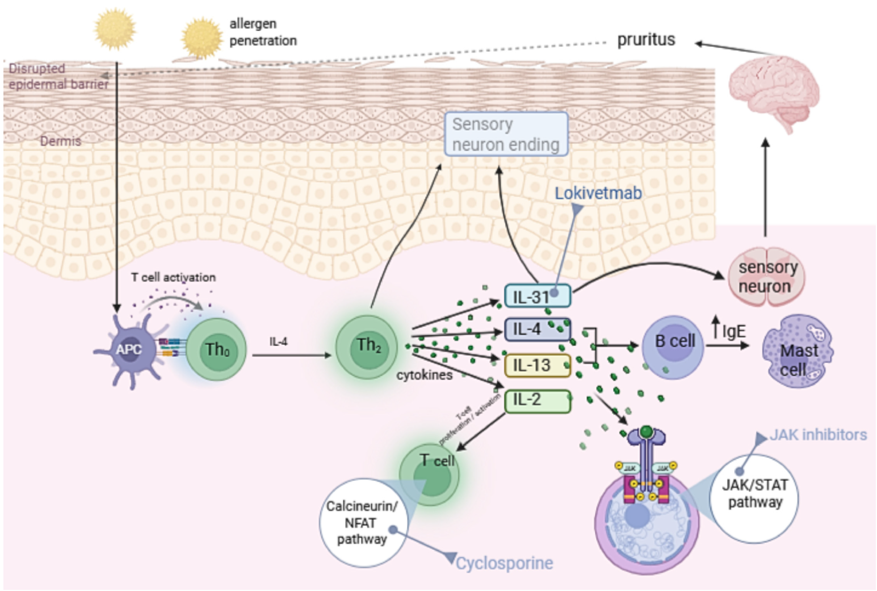
Figure 1. Immune Pathological Mechanism of Canine Atopic Dermatitis and Drug Targets of Anti-Cytokine Therapies
2. Inflammatory / Autoimmune Diseases (Rheumatoid Arthritis, Inflammatory Bowel Disease, Chronic Pancreatitis)
Core Symptoms: Joint swelling and pain with restricted mobility (IMPA resembling rheumatoid arthritis), chronic diarrhea/mucous stools/weight loss (IBD), and recurrent vomiting/abdominal pain/anorexia (chronic pancreatitis), accompanied by systemic chronic inflammation, fever, and increased risk of secondary infections.
Key Targets
IL-6: The inflammatory cascade amplifier and central hub of JAK/STAT activation. Secreted by synovial cells, macrophages, and intestinal epithelial cells, it activates the JAK1/2-STAT3 pathway via classical/trans-signaling, promoting Th17 differentiation, MMP expression, osteoclast activation, and intestinal barrier disruption. In IMPA it drives synovitis and joint destruction; in IBD it increases epithelial permeability and diarrhea; in chronic pancreatitis it amplifies acinar cell injury and fibrosis. IL-6 levels in synovial fluid and serum are significantly elevated in dogs and cats with IMPA/IBD.
TNF-α: The direct driver of mucosal/joint destruction. It activates the NF-κB/MAPK pathway, inducing MMPs/ADAMTS expression to degrade cartilage/mucosal matrix, promoting osteoclast differentiation and intestinal epithelial apoptosis. In IMPA it drives synovitis; in IBD it worsens protein-losing enteropathy; in chronic pancreatitis it contributes to acinar necrosis and fibrosis.
JAK/STAT Pathway: The broad-spectrum inflammatory signaling hub; blocking it simultaneously inhibits Th17/Th1 bias, MMP expression, and mucosal/joint inflammation.
IL-1β: The main driver of early inflammation and cartilage/acinar destruction. It induces iNOS/NO and MMPs via NF-κB and is particularly critical in chronic pancreatitis.
IL-17: The Th17-driven bone/mucosal destruction factor that synergizes with TNF-α to promote RANKL expression.
Related Drug Research
Anti-NGF Monoclonal Antibodies: Bedinvetmab (for dogs, Librela®) and Frunevetmab (for cats, Solensia®). These fully canine- or feline-ized monoclonal antibodies specifically bind free NGF, preventing its interaction with TrkA/p75NTR receptors. They rapidly block peripheral and central pain sensitization while reducing neuroinflammation and angiogenesis (without directly suppressing classical inflammatory cytokines).
JAK Inhibitors (Tofacitinib, Upadacitinib, etc.): Oral small-molecule drugs that block JAK-STAT signaling, broadly inhibiting transduction of multiple cytokines including IL-6, IL-2, IL-15, and IFN-γ. They reduce Th17 differentiation, MMP expression, and osteoclast activation while repairing the intestinal mucosal barrier and decreasing diarrhea.
Anti-IL-23/TNF-α Bispecific Antibodies: Designed for canine and feline IBD/OA, in-vitro and animal model studies show simultaneous blockade of mucosal destruction and joint inflammation, offering potential "one-drug-multiple-symptoms" treatment.
MSC (Mesenchymal Stem Cell) Therapy: Downregulates IL-6/TNF-α and promotes cartilage regeneration; it has demonstrated good tolerability in canine OA clinical applications.
Piclidenoson (A3 adenosine receptor agonist): Phase 2 canine OA trial underway in 2026; its mechanism involves inhibition of the IL-17/IL-23 axis, positioning it as a potential novel oral anti-inflammatory agent.
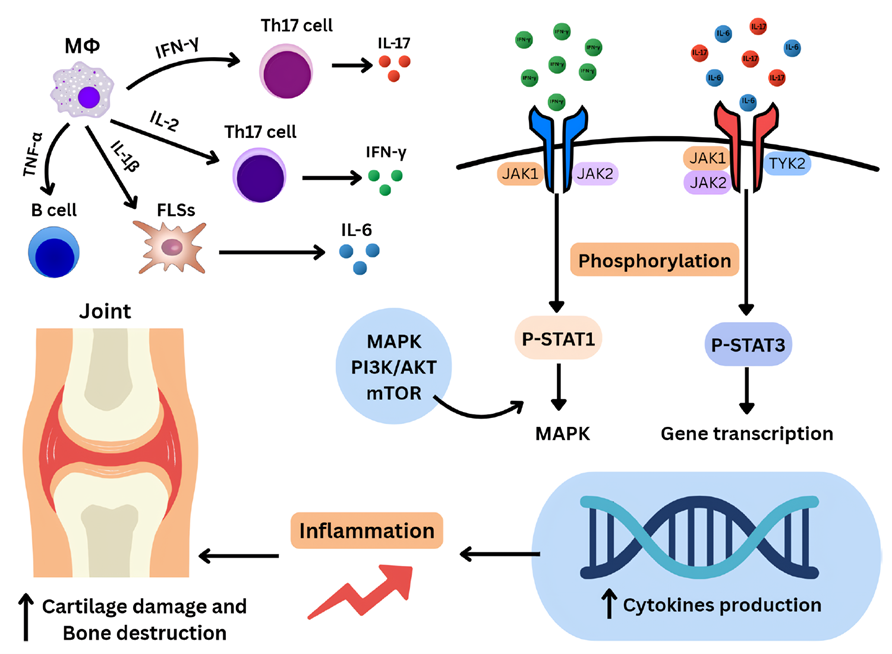
Figure 2. Role of the JAK-STAT Pathway in Rheumatoid Arthritis
3. Tumors / Cancer
Core Symptoms: Oral melanoma, osteosarcoma, mammary tumors, lymphoma, mast cell tumors, squamous cell carcinoma, etc.
Key Targets
PD-1/PD-L1: The core switch of immune checkpoint inhibition. Tumor cells upregulate PD-L1, which binds T-cell PD-1, suppressing T-cell activation and cytokine release to achieve immune evasion. High expression is seen in canine oral melanoma, sarcomas, and feline mammary carcinoma. Blockade restores T-cell cytotoxic activity.
c-KIT: A tyrosine kinase receptor and driver gene in canine mast cell tumors (MCT). Common exon mutations cause constitutive activation, driving cell proliferation, survival, and angiogenesis via the PI3K/AKT and MAPK pathways to promote tumor growth.
VEGF/VEGFR: Key factors in angiogenesis. Tumors secrete VEGF that binds VEGFR, promoting endothelial cell proliferation and tumor vessel formation to support growth and metastasis.
CTLA-4: A T-cell co-inhibitory molecule. It competes with CD28 for B7 ligands, suppressing early T-cell activation; blockade enhances T-cell priming and memory formation and synergizes with PD-1 inhibitors.
Related Drug Research
PD-1 Inhibitors: The canine-ized anti-PD-1 monoclonal antibody gilvetmab achieved tumor shrinkage or stable disease rates of 60–73% in MCT and melanoma. 2025 multicenter trials showed that ca-4F12-E6 produced significant objective response rates in advanced oral melanoma, with further enhancement when combined with anti-CTLA-4 (ca1C5). Feline anti-PD-1 (1A1-2) has been shown to block PD-1/PD-L1 and increase IFN-γ production.
TKI Tyrosine Kinase Inhibitors: Toceranib and masitinib target c-KIT-mutant MCT with high objective response rates; emerging TKIs in 2026 (sorafenib analogs) are being extended to solid tumors.
Other: A 2026 whole-genome study of feline mammary carcinoma identified FBXW7/PIK3CA mutations, suggesting potential applications for PI3K inhibitors. A 2025 UC Davis clinical trial of a new drug for feline oral squamous cell carcinoma achieved disease control in one-third of cats with low side effects.
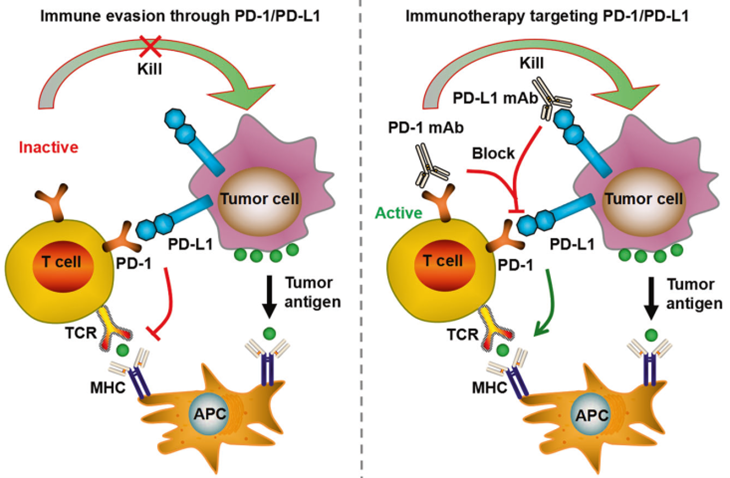
Figure 3. PD-1/PD-L1 Pathway Promotes Tumor Immune Evasion, Enabling Tumors to Resist Immune Responses
4. Chronic Kidney Disease (CKD, Highly Prevalent in Dogs and Cats)
Core Symptoms: Polyuria/polydipsia, decreased appetite, anemia, hyperphosphatemia.
Key Targets
RAAS (Renin-Angiotensin-Aldosterone System): The core driver of hemodynamics and fibrosis. Declining glomerular filtration rate activates renin → Ang II → aldosterone, causing glomerular hypertension, proteinuria, and interstitial fibrosis. Ang II also promotes inflammation and oxidative stress.
FGF23 / Klotho: Regulators of phosphate metabolism and the cardiorenal axis. In early CKD, FGF23 rises, inhibiting phosphate reabsorption and 1,25-(OH)₂D synthesis while reducing Klotho expression. FGF23 directly activates RAAS and induces left ventricular hypertrophy.
SGLT2: Mediates proximal tubular glucose/sodium reabsorption; inhibition reduces glomerular hypertension and inflammation (already translated from human medicine; under exploration in veterinary medicine).
Aldosterone: A fibrosis factor independent of Ang II that exacerbates tubular injury.
Related Drug Research
RAAS Blockade Remains the Cornerstone of Therapy: The 2025 IRIS guidelines recommend telmisartan (an ARB) as first-line therapy for proteinuria and hypertension. By blocking Ang II receptors, it reduces glomerular hypertension, lowers proteinuria (decreased UP/C), and inhibits TGF-β-mediated fibrosis. Studies show it is superior or non-inferior to benazepril in feline CKD and provides even better results when combined with amlodipine.
Telmisartan Combined with SGLT2 Inhibitor Analogs: 2025–2026 exploratory studies indicate that combining SGLT2 inhibitors (such as velagliflozin analogs) activates tubuloglomerular feedback, reducing glomerular hypertension and inflammation. Synergistic with RAAS blockade, it slows GFR decline. Currently used mainly for feline diabetes, it shows renal-protective potential in early CKD, though dehydration must be monitored.
FGF23 / Klotho Targeted Research: The 2025 IDEXX FGF-23 assay has been incorporated into IRIS recommendations for early feline CKD. Elevated FGF23, through binding to Klotho, inhibits phosphate reabsorption and vitamin D synthesis, leading to phosphate retention and RAAS activation. High levels predict disease progression and poorer survival. Current management relies on phosphate binders and prescription diets for indirect control.
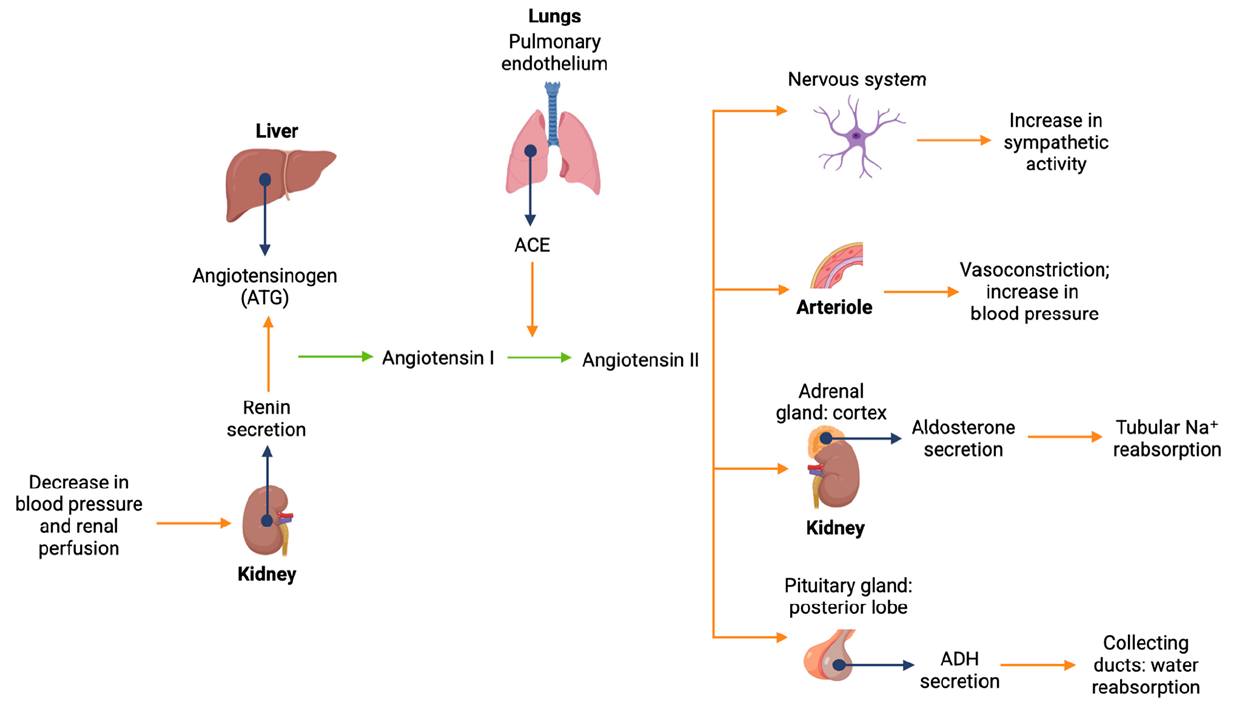
Figure 4. Schematic Representation of the Renin–Angiotensin–Aldosterone System (RAAS) and Its Main Physiological Effects
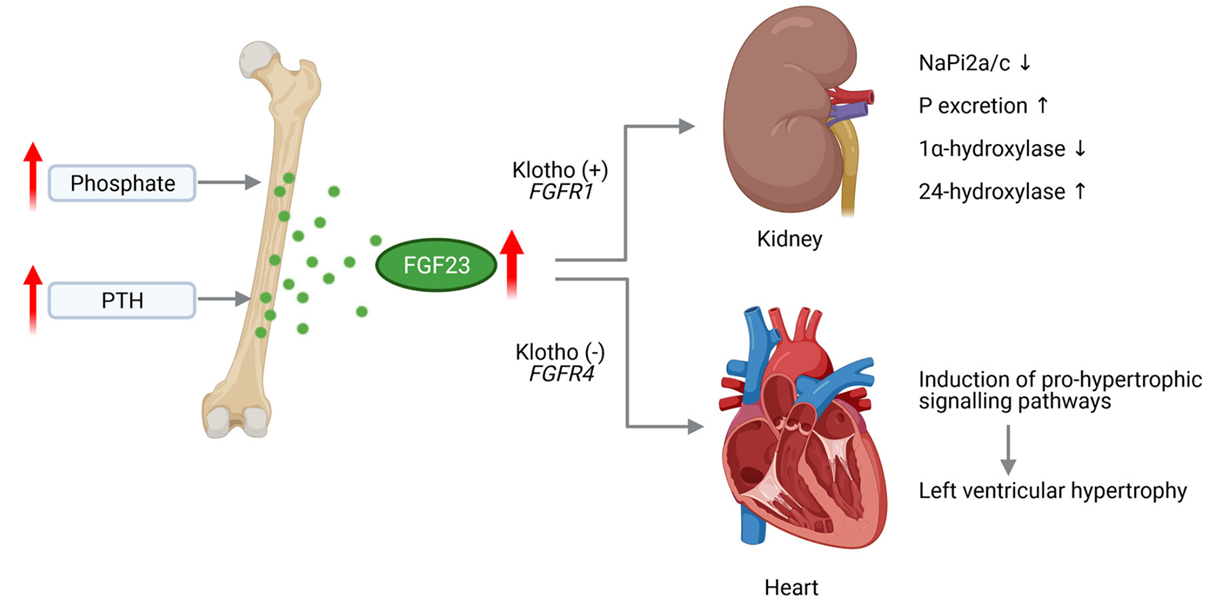
Figure 5. Pathological Effects of FGF23 on Kidney and Heart in CKD
5. Cardiovascular Diseases (Feline Hypertrophic Cardiomyopathy HCM, Canine Cardiac Biomarkers)
Core Symptoms: Heart failure (dyspnea, cough, exercise intolerance, ascites), arterial thromboembolism (especially saddle thrombus in feline HCM causing hindlimb paralysis, pain, and cold limbs), syncope, arrhythmias, and in advanced stages cachexia and sudden death.
Key Targets
Myosin: The core contractile abnormality target in feline HCM. MYBPC3 gene mutations (common in Maine Coon and Ragdoll) cause hypercontractility of myofilaments, left ventricular outflow tract obstruction, and myocardial hypertrophy. Inhibiting myosin ATPase reduces energy consumption and remodeling.
NT-proBNP: A marker of ventricular wall stress (not a direct target but a critical monitoring indicator). Released by ventricular stretch, it reflects myocardial load and heart failure risk. In canine MMVD/DCM it is used to differentiate cardiac from respiratory dyspnea and to assess prognosis.
cTnI (Cardiac Troponin I): A marker of myocardial injury that reflects cardiomyocyte damage. Elevated levels in HCM and canine cardiomyopathy indicate poorer prognosis.
Latest Research
Myosin Inhibitors: Mavacamten and aficamten showed dose-dependent reductions in left ventricular outflow tract pressure gradients and hypertrophy in feline models (Sharpe et al. 2025). Chronic dosing trials in cats are ongoing in 2026, with anticipated clinical translation.
Rapamycin (Sirolimus): A 2025 NC State clinical trial demonstrated that a targeted formulation reverses feline HCM symptoms (reduced left ventricular wall thickness and improved cardiac function). FDA expanded conditional approval is expected in 2026, making it the first truly "disease-modifying" drug for HCM.
Biomarker-Guided Approaches: 2025–2026 updates to canine NT-proBNP/cTnI combined testing guidelines indicate that NT-proBNP >1500 pmol/L can predict early heart failure risk. In feline HCM screening, NT-proBNP assists genetic testing (MYBPC3).
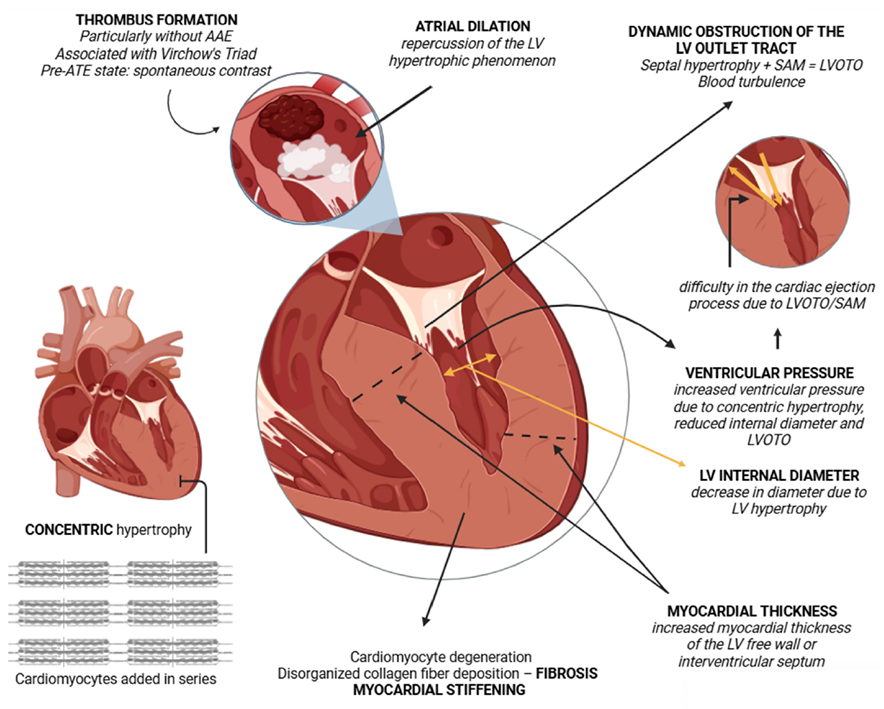
Figure 6. Schematic of Pathophysiology in Feline Hypertrophic Cardiomyopathy (HCM) Phenotype
6. Viral Infections and Immunodeficiencies
Core Symptoms: Recurrent infections, growth retardation, viral diseases (canine distemper virus CDV, feline leukemia virus FeLV).
Key Targets
CD150 / SLAMF1: The key receptor for viral entry into immune cells.
CD132 / IL2RG: The causative gene for X-linked severe combined immunodeficiency (XSCID).
Latest Advances
Nanobodies that block CDV entry via the SLAM receptor; gene repair technologies under exploration.
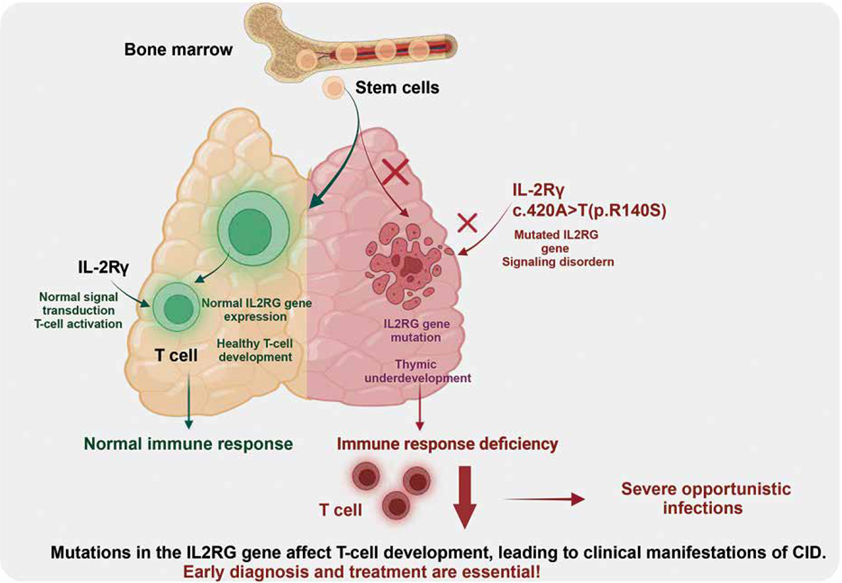
Figure 7. Mechanism of Novel IL2RG Gene Mutation in Primary Combined Immunodeficiency
abinScience Related Products
The following is the list of pet-related therapeutic target protein and antibody products provided by abinScience, covering core targets discussed in this article including IL-31, PD-1/PD-L1, CTLA-4, c-KIT, SLAMF1, IL-6R, and NGF for both canine and feline species.
Feline — Protein
| Catalog No. |
Product Name |
| FY332012 |
Recombinant Cat CD107a/LAMP1 Protein, N-His |
| FY163021 |
Recombinant Cat CD117/KIT Protein, C-Fc |
| FB912012 |
Recombinant Cat CD122/IL2RB Protein, N-His |
| FB732011 |
Recombinant Cat CD124/IL4R Protein, C-Fc |
| FC336012 |
Recombinant Cat CD137/TNFRSF9/4-1BB Protein, N-His |
| FB927011 |
Recombinant Cat CD140a/PDGFRA Protein, C-Fc |
| FB651011 |
Recombinant Cat CD152/CTLA4 Protein, C-Fc |
| FV263012 |
Recombinant Cat CD217/IL17RA Protein, N-His |
| FY094021 |
Recombinant Cat CD228/MELTF Protein, C-His |
| FV974012 |
Recombinant Cat CD274/PD-L1/B7-H1 Protein, N-His |
| FS870012 |
Recombinant Cat CD279/PDCD1/PD1 Protein, N-His |
| FV029011 |
Recombinant Cat CD366/HAVCR2/TIM-3 Protein, C-Fc |
Show more Feline Protein products
Feline — Antibody
| Catalog No. |
Product Name |
| FV678010 |
InVivoMAb Anti-Cat IL31 Antibody (Iv0212) |
| FP447036 |
Research Grade Anti-Cat Allergen Fel d 1 Antibody (REGN1908) |
| FB912014 |
Anti-Cat CD122/IL2RB Polyclonal Antibody |
| FV263014 |
Anti-Cat CD217/IL17RA Polyclonal Antibody |
| FV974014 |
Anti-Cat CD274/PD-L1/B7-H1 Polyclonal Antibody |
| FS870014 |
Anti-Cat CD279/PDCD1/PD1 Polyclonal Antibody |
| FP447053 |
Anti-Cat CH1 & CH2/Allergen Fel d I-A & B Antibody (SAA2222) |
| FC088014 |
Anti-Cat Fel d 1 Allergen Polyclonal Antibody |
| FP447014 |
Anti-Cat Fel d 1A/CH1/Allergen Fel dI Polyclonal Antibody |
| FP692014 |
Anti-Cat Fel d 1B/CH2/Allergen FdI Polyclonal Antibody |
| FF909013 |
Anti-Cat NGF/Beta-NGF Antibody (SAA1470) |
Show more Feline Antibody products
Canine — Protein
| Catalog No. |
Product Name |
| CP796012 |
Recombinant Dog Can f 1/Allergen Dog 1 Protein, N-His |
| CY332011 |
Recombinant Dog CD107a/LAMP1 Protein, C-Fc |
| CY163021 |
Recombinant Dog CD117/KIT Protein, C-Fc |
| CB912012 |
Recombinant Dog CD122/IL2RB Protein, N-His |
| CB732011 |
Recombinant Dog CD124/IL4R/IL-4Rα Protein, C-His |
| CY583012 |
Recombinant Dog CD126/IL6R/IL-6RA Protein, N-His |
| CB927021 |
Recombinant Dog CD140a/PDGFRA Protein, C-Fc |
| CB927011 |
Recombinant Dog CD140a/PDGFRA Protein, C-His |
| CC275012 |
Recombinant Dog CD150/SLAMF1 Protein, N-His |
| CB651011 |
Recombinant Dog CD152/CTLA4 Protein, C-Fc |
Canine — Antibody
| Catalog No. |
Product Name |
| CB894010 |
InVivoMAb Anti-Dog CD52 Antibody (Iv0176) |
| CV678010 |
InVivoMAb Anti-Dog IL31 Antibody (Iv0213) |
| CV121010 |
InVivoMAb Anti-Dog IL31RA Antibody (Iv0217) |
| CF909010 |
InVivoMAb Anti-Dog NGF/Beta-NGF Antibody (Iv0216) |
| CF977010 |
InVivoMAb Anti-Dog TGFB1/TGF-beta-1 Antibody (Iv0215) |
| CF879010 |
InVivoMAb Anti-Dog TNFa/TNF-alpha Antibody (Iv0271) |
| CP796014 |
Anti-Dog Can f 1/Allergen Dog 1 Polyclonal Antibody |
| CB912014 |
Anti-Dog CD122/IL2RB Polyclonal Antibody |
| CB651107 |
Anti-Dog CD152/CTLA4 Antibody (SAA0845) |
| CB199014 |
Anti-Dog CD154/CD40LG Polyclonal Antibody |
| CB011014 |
Anti-Dog CD22 Polyclonal Antibody |
| CV702014 |
Anti-Dog CD278/ICOS Polyclonal Antibody |
| CS870107 |
Anti-Dog CD279/PDCD1/PD1 Antibody (SAA1476) |
| CY422107 |
Anti-Dog CD28 Antibody (1C6) |
| CV029014 |
Anti-Dog CD366/HAVCR2/TIM-3 Polyclonal Antibody |
| CB782014 |
Anti-Dog CD40/TNFRSF5 Polyclonal Antibody |
| CC359014 |
Anti-Dog CD47/MER6 Polyclonal Antibody |
| CF875015 |
Anti-Dog CRP Monoclonal Antibody (1A424) |
| CF987014 |
Anti-Dog F8/Coagulation factor VIII Polyclonal Antibody |
| CV064013 |
Anti-Dog IgE Antibody (E6-2A1) |
| CX139014 |
Anti-Dog IL1RL1/ST2 Polyclonal Antibody |
| CV678013 |
Anti-Dog IL31 Antibody (SAA2307) |
| CF543014 |
Anti-Dog IL33 Polyclonal Antibody |
| CY218014 |
Anti-Dog IL5 Polyclonal Antibody |
| CY328014 |
Anti-Dog IL6 Polyclonal Antibody |
Show more Canine Antibody products
Looking for Veterinary Research Reagents?
abinScience provides factory-direct recombinant proteins and antibodies for canine and feline therapeutic targets — with bulk pricing, custom specifications, and technical consultation available.
References:
1. Della Rocca G, Coaccioli S, Di Salvo A. Beyond Osteoarthritis: Emerging Applications of Anti-NGF Monoclonal Antibodies in Pain Management in Dogs and Cats. Animals (Basel). 2025;15(22):3243.
2. Luri-Rey C, Teijeira Á, Wculek SK, et al. Cross-priming in cancer immunology and immunotherapy. Nat Rev Cancer. 2025;25(4):249-273.
3. Grund A, Sinha MD, Haffner D, et al. Fibroblast Growth Factor 23 and Left Ventricular Hypertrophy in Chronic Kidney Disease — A Pediatric Perspective. Front Pediatr. 2021;9:702719.
4. Merbl Y, Lopez Baltazar JM, Byron M, et al. Tocilizumab binds to canine IL-6 receptor and elicits in-vitro inhibitory biological response. Front Vet Sci. 2025;12:1645414.
5. de Sousa FG, Muzzi RAL, de Araújo RB, et al. Linking clinical and imaging diagnostic assessments of the feline hypertrophic cardiomyopathy phenotype. Front Vet Sci. 2025;12:1720886.
6. Wichtowska A, Olejnik M. Anti-Cytokine Drugs in the Treatment of Canine Atopic Dermatitis. Int J Mol Sci. 2025;26(22):10990.
7. Di Palma Subran M, Wyss M, Taskoparan B, et al. Nanobody-based canine PD-L1-targeting immune checkpoint inhibitors for cancer therapy in dogs. Mol Ther Oncol. 2025;33(3):201036.
8. Cao F, Shi Y, Deng F, Yan Y. Novel IL2RG gene mutation causing primary combined immunodeficiency disease: A case report and literature review. Cent Eur J Immunol. 2024;49(3):300-307.
9. Meng L, Wu H, Wu J, et al. Mechanisms of immune checkpoint inhibitors: insights into the regulation of circular RNAS involved in cancer hallmarks. Cell Death Dis. 2024;15(1):3.
10. Kiełbowski K, Plewa P, Bratborska AW, et al. JAK Inhibitors in Rheumatoid Arthritis: Immunomodulatory Properties and Clinical Efficacy. Int J Mol Sci. 2024;25(15):8327.
11. Forster S, Trout CM, Despa S, et al. Efficacy and field safety of ilunocitinib for the control of atopic dermatitis in client-owned dogs. Vet Dermatol. 2025;36(5):647-659.


 中文
中文 English
 한국어
한국어 日本語
日本語 Español
 Français
 Русский


