Ankylosing Spondylitis (AS) is a chronic inflammatory disease primarily affecting the axial skeleton. However, in current scientific discourse, AS is no longer simply viewed as "arthritis" or a disease model driven solely by inflammation. Extensive research indicates that its core pathological processes involve the interplay of immune dysregulation, persistent chronic inflammation, and abnormal osteogenic signaling, which collectively drive disease onset, progression, and irreversible structural damage.Thus, the key questions in AS research extend beyond whether inflammation is present, to understanding: how inflammation is initiated and sustained long-term, why it shows tissue selectivity, and how this immune dysregulation ultimately translates into structural changes. Mechanistic research addressing these questions forms the main focus of current AS investigations.
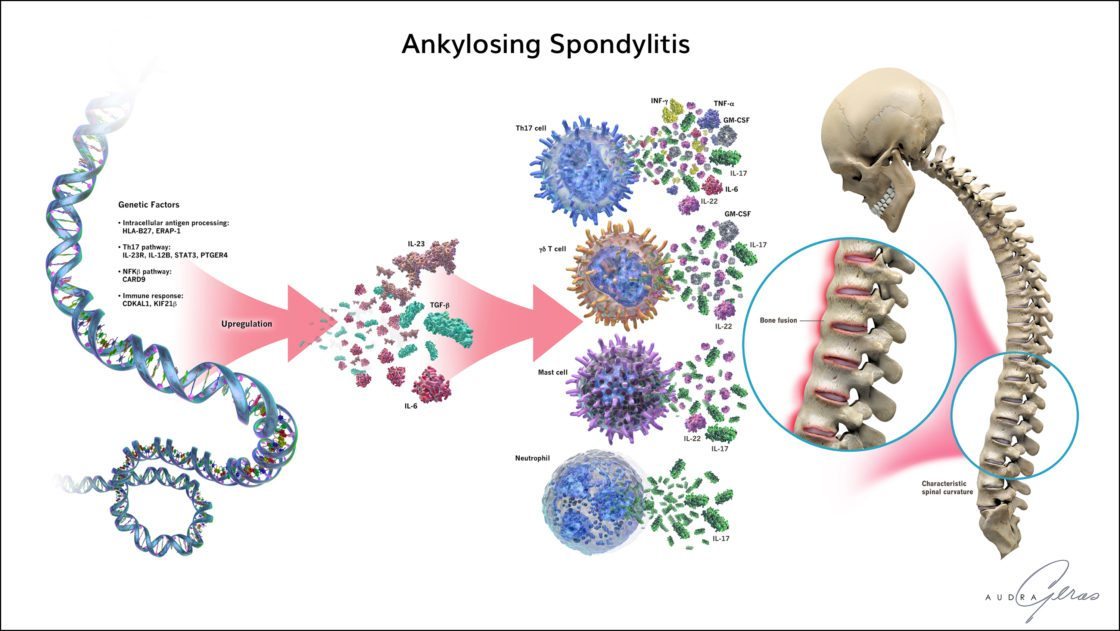
Figure 1. Ankylosing Spondylitis
I. From TNF-α Dominance to Immune Network Dysregulation: The Evolving Understanding of AS Inflammation
Early AS research focused predominantly on classic inflammatory cytokines like TNF-α. The clinical success of TNF inhibitors not only significantly improved patient symptoms but also, for a long time, reinforced the view of AS as a classic inflammatory disease. However, with the accumulation of long-term follow-up data, the limitations of this model have become apparent.
On one hand, not all patients respond adequately to TNF inhibition. On the other, even with effective control of inflammatory markers, some patients continue to show radiographic progression and new bone formation. This suggests that inflammation in AS is not an isolated event but is embedded within a more complex immune regulatory network. Consequently, the research focus has gradually shifted from blocking single inflammatory factors towards understanding the dysregulated structure of multi-pathway immune networks and how these pathways collectively sustain disease activity.
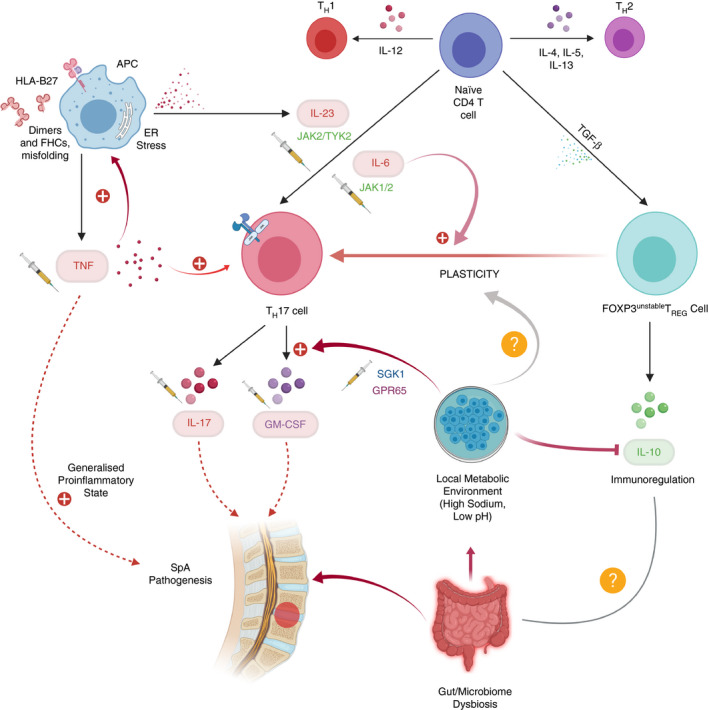
Figure 2. Inflammatory Mechanisms and Ankylosing Spondylitis
II. The IL-23/IL-17 Axis: From "Core Pathway" to Mechanistic Re-evaluation
Within this immune network, the IL-23/IL-17 axis has long been considered the most representative key signaling pathway in AS. Its high correlation with the genetic background, immune cell activation status, and clinical intervention outcomes in AS made it a central focus of research and therapy for a considerable time.
However, as clinical studies targeting this axis progressed, a significant paradox emerged: while IL-17 inhibition strategies show consistent efficacy in AS, IL-23 inhibition has repeatedly failed to meet expectations. This phenomenon cannot be explained by the traditional "IL-23 drives Th17 → IL-17 causes inflammation" model, forcing researchers to reconsider the true source and regulation of IL-17 in AS.
It is against this backdrop that the IL-23/IL-17 axis is no longer viewed simply as a linear pathway, but rather as an entry point for re-understanding the immunological heterogeneity of AS.
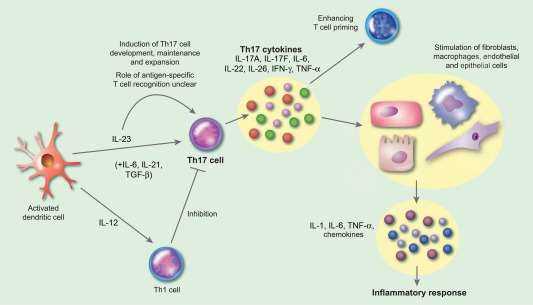
Figure 3. Interleukin (IL)‐17/IL‐23 pathway
III. IL-23-Independent IL-17 Production: A Key Addition from a Tissue Immunology Perspective
Addressing the above paradox, recent research has expanded its focus from classical Th17 cells to a group of IL-17-producing cells with innate immune features, including γδ T cells, ILC3s, and MAIT cells. Functionally distinct from traditional Th17 cells, these populations can produce IL-17 directly under weak or even absent IL-23 signaling.
More critically, these cells are not primarily found in peripheral blood but tend to reside in local tissues, particularly at entheseal regions characteristic of AS pathology. This spatial distribution aligns with the histopathological features of AS, suggesting that key immune events in AS likely occur within specific tissue microenvironments rather than in the systemic immune circulation.
This understanding not only provides a mechanistic explanation for the suboptimal efficacy of IL-23-targeted therapies but also shifts AS research from traditional peripheral immune analysis towards tissue-specific immune regulation and local inflammation maintenance mechanisms.
IV. Non-TNF-Dependent Inflammation Maintenance: Why Inflammation Persists
With TNF-α no longer considered the sole central inflammatory factor, researchers began investigating: which mechanisms can sustain the inflammatory state in AS even when TNF signaling is inhibited?
This question has opened several new research directions. The JAK/STAT pathway, acting as an integration hub for multiple cytokine signals, is believed to play a significant role in amplifying and perpetuating inflammatory signals. Chemokine and receptor axes (e.g., CCL20–CCR6) have been linked to the directed migration and retention of inflammatory cells within tissues. Furthermore, inflammatory co-factors like IL-6 and the IL-1 family, while having limited efficacy when targeted alone, may work synergistically within the chronic inflammatory milieu to maintain immune activation.
The research emphasis at this stage has shifted from "regulating inflammation intensity" to understanding the mechanistic basis for inflammation persistence.
V. Pathological Bone Formation: How Inflammatory Signals Translate into Structural Progression
Compared to inflammation mechanisms, pathological bone formation (new bone growth) remains one of the most challenging areas in AS research. Clinical practice repeatedly demonstrates that suppressing inflammation can significantly alleviate symptoms but often fails to synchronously block new bone formation, indicating that the relationship between inflammation and ossification is not simply causal.
A growing consensus suggests that inflammation likely influences osteogenic signaling pathways indirectly by altering the local microenvironment. For example, abnormal activation of the Wnt/β-catenin and BMP pathways in AS may not be directly dictated by the intensity of inflammation but rather regulated by tissue-specific signal integration and temporal windows. In this model, inflammation is not the direct trigger for bone formation but rather "reprograms" the local microenvironment, creating conditions for abnormal bone generation.
This perspective is driving AS research from asking "what happens after inflammation" to exploring "how inflammation shapes the conditions for pathological ossification."
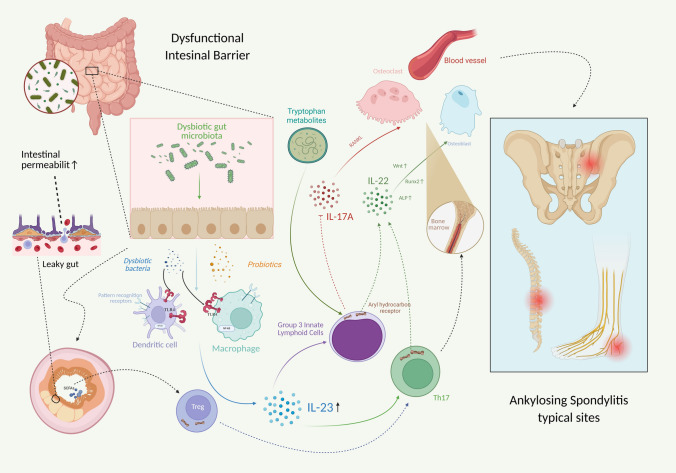
Figure 4. Mechanistic Overview of the Gut-Bone Axis in AS
VI. Expanding the Research Perspective: From Systemic Immunity to Tissue and Gut-Joint Axes
Another notable shift in recent AS research is the change in perspective and research materials. Increasing work is focusing on the immune cell composition within entheses, sacroiliac joints, and spinal tissues, moving beyond reliance solely on peripheral blood markers.
Concurrently, the "gut–joint axis" has become an active research area. The presence of subclinical gut inflammation in some AS patients suggests that intestinal immune dysregulation might contribute to joint-localized inflammation via immune cell migration and inflammatory signal transmission. This finding further expands the boundaries of AS research, increasingly integrating immunology, tissue biology, and microbiome studies.
VII. Summary: AS Research Moving from "Isolated Discoveries" to Integrated Mechanisms
Overall, the current scientific focus in Ankylosing Spondylitis has shifted from exploring single inflammatory targets towards systematically dissecting immune networks, tissue microenvironments, and the mechanisms of pathological bone formation.
The IL-23/IL-17 axis remains central, but attention has broadened from classical Th17 cells to various innate-like immune cells. TNF-α is no longer the sole focus, with multi-pathway coordinated regulation gradually becoming the consensus. The coupling mechanism between inflammation and bone formation remains the key scientific question determining long-term structural progression.
For researchers, AS is no longer just an "inflammatory disease model" but a complex research system connecting immune regulation, tissue-specific inflammation, and bone biology, with its depth and breadth continually expanding.
abinScience Research Solutions: Facilitating Systematic Analysis of Ankylosing Spondylitis
1. Antibodies
| Product Name |
Catalog No. |
| InVivoMAb Anti-Human TNFa/TNF-alpha (Iv0050) |
HF879010 |
| InVivoMAb Anti-Human IL1B/IL1F2 (Iv0019) |
HF943010 |
| InVivoMAb Anti-Human BMP2 (Iv0058) |
HY576010 |
| Mouse Anti-Human BMP2 Antibody (Iv0058) |
HY576023 |
| Anti-IL17A Polyclonal Antibody |
HS856014 |
| Anti-Human CD127/IL7R Antibody (MD-707) |
HB016107 |
| Anti-Human IL12A/IL-12 p35/NKSF1 Antibody (SAA0380) |
HB936107 |
| Anti-Human BMP2 Antibody (SAA0423) |
HY576107 |
| Anti-MAPK1 Polyclonal Antibody |
HB229014 |
| Anti-JAK1 Polyclonal Antibody |
HB829014 |
| Anti-IL1B/IL1F2 Polyclonal Antibody |
HF943014 |
View More AS-Related Antibodies
2. Assay Kits
View More AS-Related Assay Kits
3. Research Biosimilars
| Target |
Product Name |
Catalog No. |
| CD127/IL7R |
Research Grade Anti-Human CD127/IL7R (GSK2618960) |
HB016046 |
| |
Research Grade Crebankitug |
HB016056 |
| |
Research Grade Bempikibart |
HB016026 |
| IL1B/IL1F2 |
Research Grade firsekibart |
HF943096 |
| |
Research Grade Anti-Human IL1B/IL1F2 (DLX2323) |
HF943056 |
| |
Research Grade Anti-Human IL1B/IL1F2 (SK48-E26) |
HF943086 |
| IL17A |
Research Grade Secukinumab |
HS856026 |
| |
Research Grade betinukibart |
HS856236 |
| |
Research Grade turenkibart |
HS856246 |
| |
Research Grade Anti-Human IL17A Antibody (XAB4) |
HS856196 |
| TNF-α |
Research Grade Adalimumab |
HF879026 |
| |
Research Grade Anti-Human TNFa/TNF-alpha Antibody (hMAK195) |
HF879406 |
| |
Research Grade Etanercept |
HF879296 |
View More AS-Related Research Biosimilars
abinScience provides high-quality research tools to support the elucidation of molecular mechanisms underlying immune network dysregulation, exploration of the coupling between inflammation and pathological bone formation, and advancement in AS-related diagnostic technologies and therapeutic development. We empower researchers to delve into the core scientific mechanisms of the disease, accelerate fundamental research progress in the AS field, and drive deeper exploration and innovative breakthroughs.
References
[1]Voruganti A, Bowness P. New developments in our understanding of ankylosing spondylitis pathogenesis. Immunology. 2020 Oct;161(2):94-102. doi: 10.1111/imm.13242. Epub 2020 Aug 17. PMID: 32696457; PMCID: PMC7496782.
[2] Xi Y, Jiang T, Chaurasiya B, Zhou Y, Yu J, Wen J, Shen Y, Ye X, Webster TJ. Advances in nanomedicine for the treatment of ankylosing spondylitis. Int J Nanomedicine. 2019 Oct 29;14:8521-8542. doi: 10.2147/IJN.S216199. PMID: 31806960; PMCID: PMC6831987.
[3] Jethwa H, Bowness P. The interleukin (IL)-23/IL-17 axis in ankylosing spondylitis: new advances and potentials for treatment. Clin Exp Immunol. 2016 Jan;183(1):30-6. doi: 10.1111/cei.12670. Epub 2015 Sep 30. PMID: 26080615; PMCID: PMC4687521.
[4] Zhang X, Jia L, Lin X, Zhou L. The gut-bone axis in ankylosing spondylitis: mechanistic insights and the translational gap. Clin Exp Med. 2025 Nov 18;26(1):12. doi: 10.1007/s10238-025-01939-x. PMID: 41249613; PMCID: PMC12628479.
[5] Boengiu CA, Barbulescu AL, Dragomirescu CC, Buga AM, Mirea AA. Linking AIM2 Inflammasome Activation, Mitochondrial Dysfunction and Chronic Inflammation in Ankylosing Spondylitis. Cells. 2025 Dec 3;14(23):1923. doi: 10.3390/cells14231923. PMID: 41369412; PMCID: PMC12691365.
For Research Use Only. Not for use in diagnostic or therapeutic procedures.


 中文
中文 English
 한국어
한국어 日本語
日本語 Español
 Français
 Русский


