
 中文
中文 English
 한국어
한국어 日本語
日本語 Español
 Français
 Русский
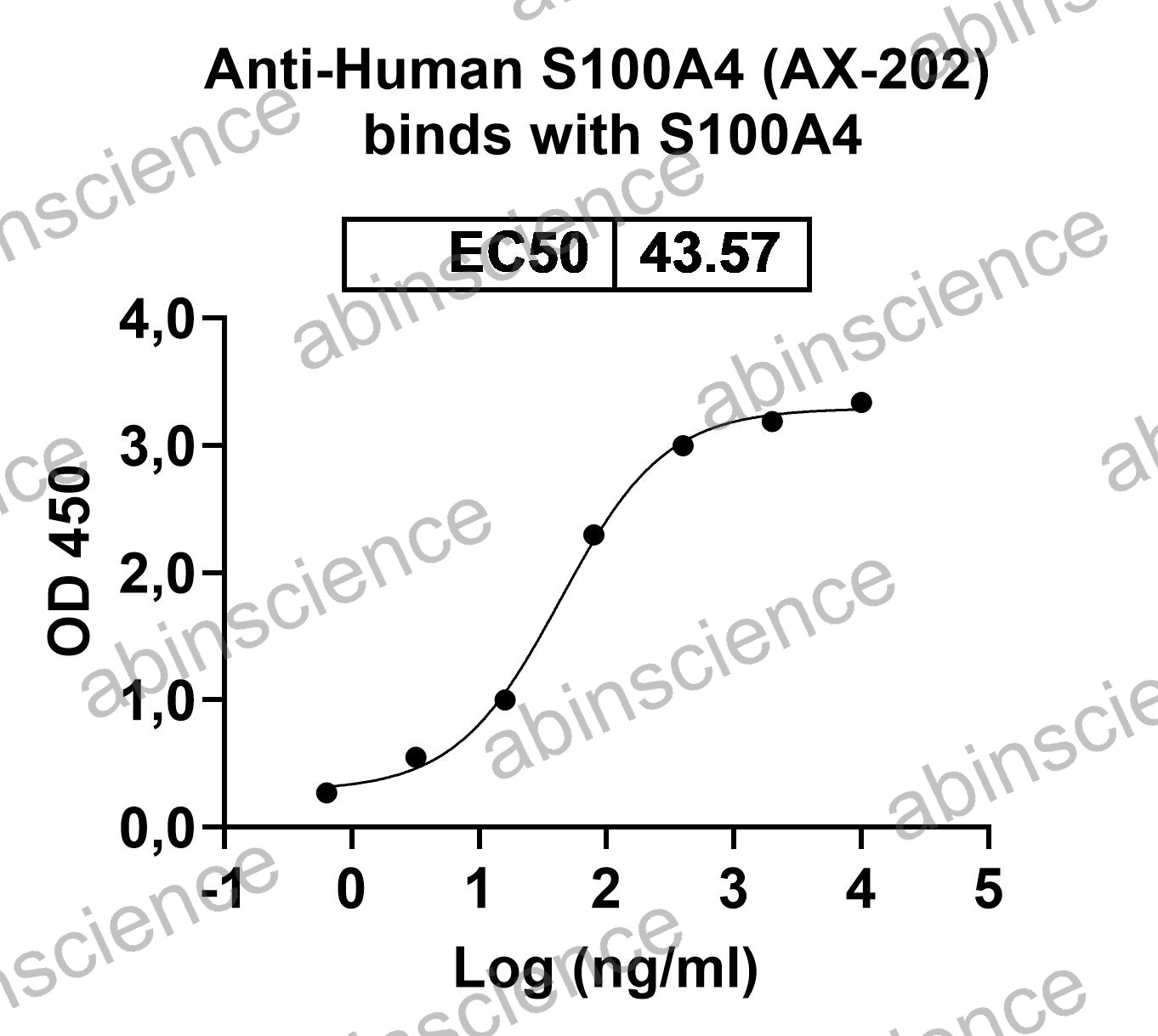
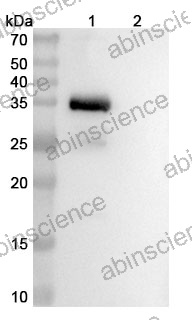
| Catalog No. | HB727026 |
|---|---|
| Species reactivity | Human |
| Applications | ELISA, Bioactivity: FACS, Functional assay, Research in vivo |
| Host species | Human |
| Isotype | IgG4, kappa |
| Clone ID | AX-202 |
| Biological activity | AX-202 (8-16 mg/kg, i.p., once every 3 days for 3 weeks; 24 mg/kg, i.v., once weekly for 3 weeks) exhibits antifibrotic and anti-inflammatory effects in a bleomycin ()-induced skin fibrosis model [1]. |
| Expression system | Mammalian cells |
| Clonality | Monoclonal |
| Target | S100A4, Protein S100-A4, S100 calcium-binding protein A4, Calvasculin, Protein Mts1, MTS1, CAPL, Placental calcium-binding protein, Metastasin |
| Endotoxin level | < 10 EU/mg |
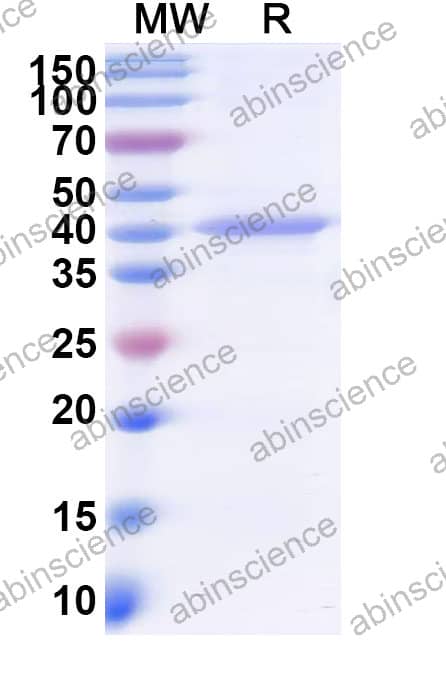
| Purity | >95% purity as determined by SDS-PAGE. |
| Purification | Protein A/G purified from cell culture supernatant. |
| Accession | P26447 |
| Form | Liquid |
| Storage buffer | 0.01M PBS pH 7.4 Please refer to the specific buffer information in the hardcopy of datasheet or the lot-specific COA. |
| Stability and Storage | Use a manual defrost freezer and avoid repeated freeze thaw cycles. Store at 2 to 8°C for frequent use. Store at -20 to -80°C for twelve months from the date of receipt. |
| Alternate Names | AX-202, AX202, CAL101 |
| Background | Protein S100-A4 (S100A4) is a ~11 kDa protein. Calcium-binding protein that plays a role in various cellular processes including motility, angiogenesis, cell differentiation, apoptosis, and autophagy. Increases cell motility and invasiveness by interacting with non-muscle myosin heavy chain (NMMHC) IIA/MYH9. Mechanistically, promotes filament depolymerization and increases the amount of soluble myosin-IIA, resulting in the formation of stable protrusions facilitating chemotaxis. Also modulates the pro-apoptotic function of TP53 by binding to its C-terminal transactivation domain within the nucleus and reducing its protein levels. Within the extracellular space, stimulates cytokine production including granulocyte colony-stimulating factor and CCL24 from T-lymphocytes. 1. Li, ZH. et al. (2006) Cancer research 66, 5173-80. PMID: 16707441 2. Orre, LM. et al. (2013) Oncogene 32, 5531-40. PMID: 23752197 3. Sharapova, TN. et al. (2018) Acta naturae 10, 115-120. PMID: 30713770 4. Dukhanina, EA. et al. (2015) Cell cycle (Georgetown, Tex.) 14, 3635-43. PMID: 26654597 |
| References | 1. Trinh-Minh T, et al. Effect of Anti-S100A4 Monoclonal Antibody Treatment on Experimental Skin Fibrosis and Systemic Sclerosis-Specific Transcriptional Signatures in Human Skin. Arthritis Rheumatol. 2024;76(5):783-795. [HB727026] |
| Note | For research use only. Not suitable for clinical or therapeutic use. |


Contact us for custom quotes, bulk requests and any other issues.
Mail: support@abinScience.com
+86-27-65523339
Building C, No. 666, Shen Dun Si Lu, Wuhan, 430206, China


