Hyperthyroidism and Graves' Disease: From Pathological Mechanisms to Next-Generation Immune-Targeted Therapies
Hyperthyroidism is a common endocrine disorder characterized by excessive secretion of thyroid hormones (T4 and T3), resulting in elevated metabolic rate and accelerated metabolism. The most common form is Graves' disease (GD), which accounts for 80-90% of all hyperthyroidism cases. GD is an autoimmune disease caused by stimulating autoantibodies (TRAb) against the thyroid-stimulating hormone receptor (TSHR), leading to overproduction of thyroid hormones. Other causes include toxic nodular goiter and subacute thyroiditis. The global prevalence of hyperthyroidism is approximately 0.5%, with an annual incidence of about 50 per 100,000 people. Women are affected more frequently than men (female-to-male ratio ≈ 5–10:1), with peak incidence between 30 and 50 years of age. Clinical manifestations include palpitations, excessive sweating, weight loss, tremors, anxiety, and menstrual irregularities. In severe cases, it can lead to arrhythmias or osteoporosis.
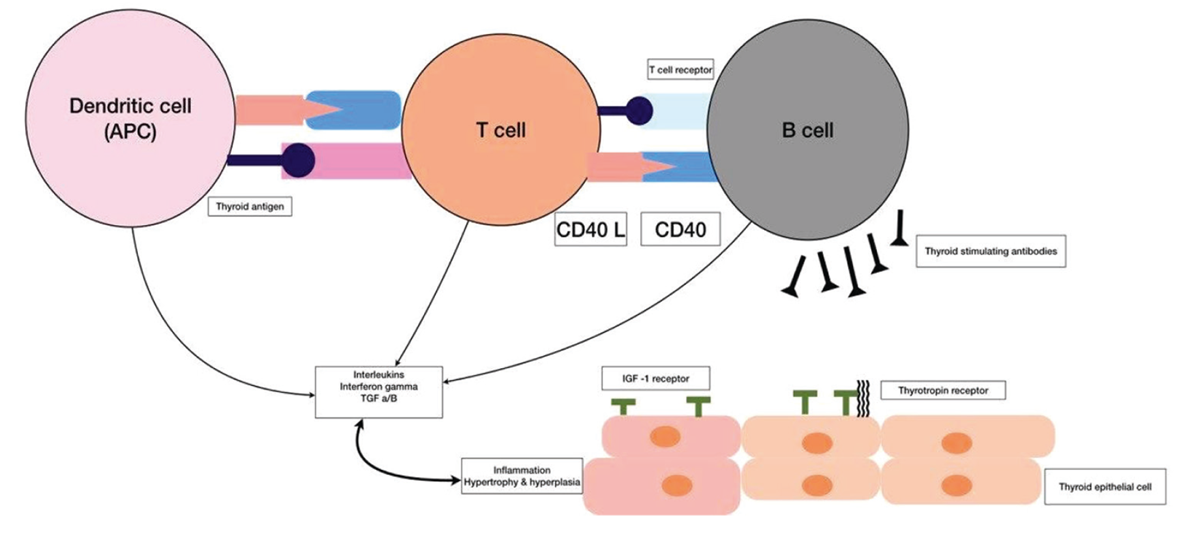
Figure 1. Development of Graves' disease
The core of Graves' disease is loss of immune tolerance: B cells produce stimulating autoantibodies (TRAb/TSAb) targeting the thyroid-stimulating hormone receptor (TSHR). TSHR is a G protein-coupled receptor with a seven-transmembrane structure. TSAb binds to its extracellular leucine-rich domain (LRD), activating the Gαs/cAMP pathway and causing thyroid cell proliferation and excessive T3/T4 synthesis. Crystal structure studies show that TSAb and blocking antibodies (such as K1-70) bind to different sites: stimulating antibodies preferentially bind to the concave N-terminal region, while blocking antibodies bind closer to the N-terminus, explaining their functional differences. Genetic factors (HLA-DR3, PTPN22, CTLA-4, CD40, FCRL3, etc.) combined with environmental triggers (smoking, stress, infection, iodine excess) lead to uncontrolled T/B cell activation. Reduced Treg cells and increased Th17 cells further amplify inflammation.
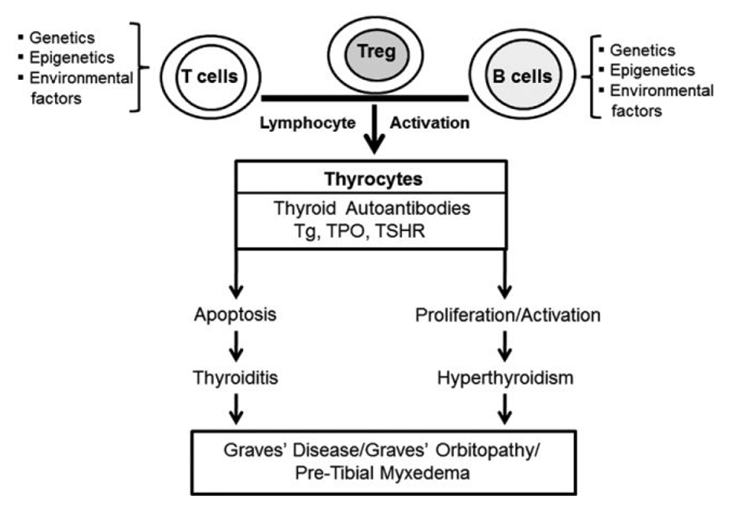
Figure 2. Brief overview of factors leading to Graves' disease development in the context of thyroiditis
For 80 years, antithyroid drugs (ATDs, such as methimazole) have been the only pharmacological treatment for Graves' disease (GD). They primarily control symptoms by inhibiting thyroid hormone synthesis but cannot address the autoimmune root cause, with relapse rates as high as 50%. Today, etiology-targeted therapies focusing on the TSHR signaling pathway, immune cell activation, and circulating autoantibodies are rapidly emerging. Several candidates have entered clinical trials, demonstrating potential "disease-modifying" effects that could achieve higher remission rates, reduce recurrence, and lower the risk of lifelong hypothyroidism.
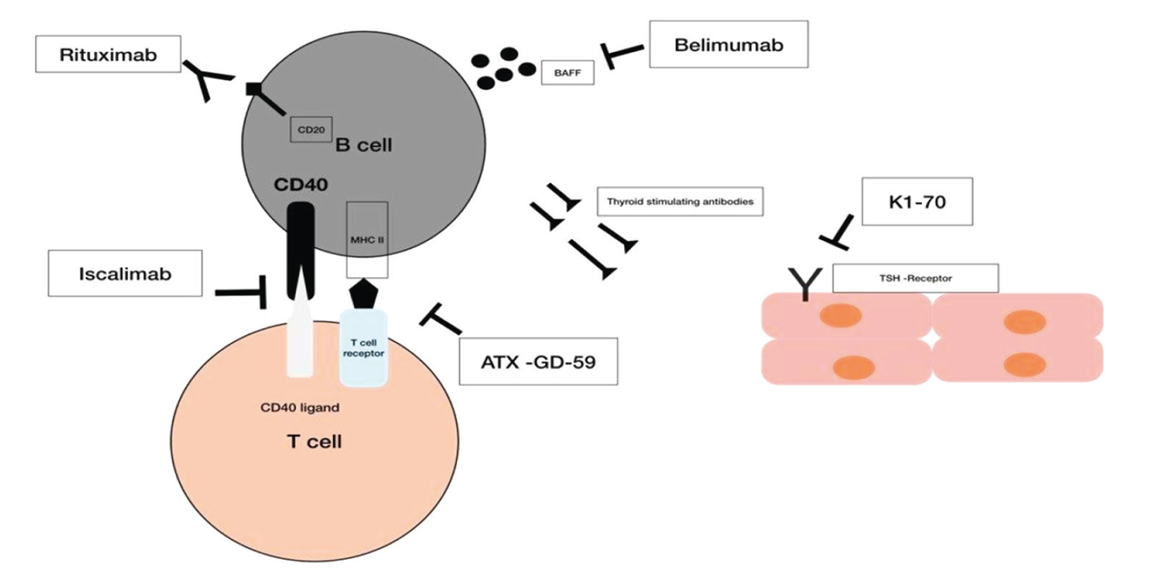
Figure 3. Schematic of emerging treatment strategies in the management of hyperthyroidism in Graves' disease
1. Direct TSHR Blockade (Core Etiology-Targeted Approach)
K1-70 (human monoclonal TSHR-blocking antibody) is the first biologic agent directly targeting the thyroid-stimulating hormone receptor (TSHR). As a high-affinity TSHR antagonist (blocking monoclonal antibody), its primary mechanism is to specifically and competitively inhibit the binding of TSAb (thyroid-stimulating antibodies) and TSH to TSHR, thereby blocking downstream Gαs/cAMP signaling, suppressing thyroid follicular cell proliferation, and preventing excessive T3/T4 synthesis.
TSHR belongs to the G protein-coupled receptor (GPCR) family, with its extracellular domain containing a leucine-rich repeat domain (LRD) and a hinge region. Crystal structure analysis reveals that stimulating TSAb (such as M22) mainly binds to the C-terminal portion of the LRD concave surface, inducing receptor conformational activation. In contrast, K1-70 binds preferentially toward the N-terminus. Its antigen-binding surface exhibits an irregular charge distribution (acidic on one side, basic on the other). Through steric hindrance and direct competition, it completely blocks the ligand-binding site for TSH/TSAb, maintaining TSHR in an inactive conformation that cannot recruit G proteins or β-arrestin, thereby preventing cAMP production and downstream hormone synthesis/cell proliferation signals.
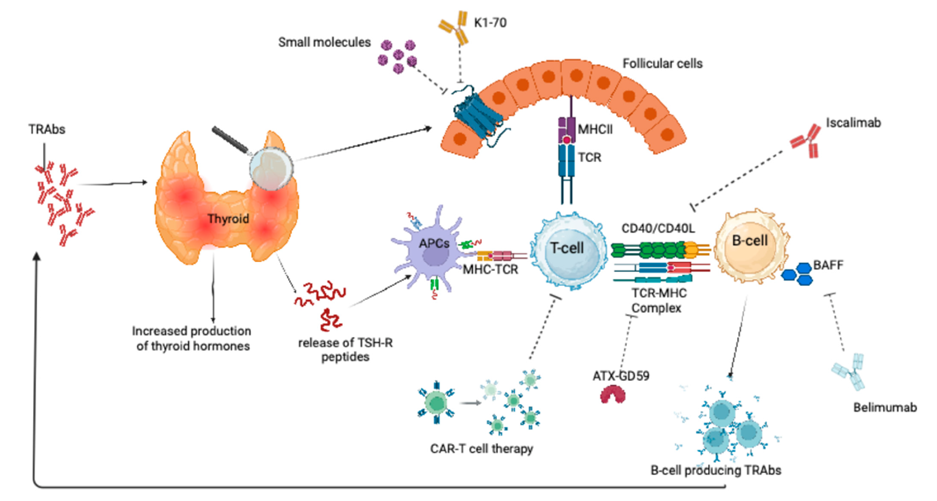
Figure 4. Mechanism of action of emerging therapies for Graves' disease
2. FcRn Inhibitors (Reducing Circulating IgG/TRAb Levels and Antibody Recycling)
batoclimab (IMVT-1401): This FcRn (neonatal Fc receptor) inhibitor represents a major breakthrough in Graves' disease (GD) treatment, shifting from "symptomatic suppression of thyroid hormone synthesis" to "causal clearance of pathogenic TRAb (TSH receptor antibodies)". It is the first therapy to demonstrate clear "disease-modifying" potential. FcRn binds to IgG (including pathogenic TRAb) in acidic endosomal environments, preventing lysosomal degradation and recycling it back into the bloodstream, thereby prolonging IgG half-life. batoclimab, a high-affinity human monoclonal antibody, competitively blocks the interaction between FcRn and the IgG Fc region. Unbound IgG is then rapidly degraded in lysosomes, leading to a substantial reduction in circulating IgG (and TRAb) levels, which in turn reduces TSHR stimulation and restores thyroid function.
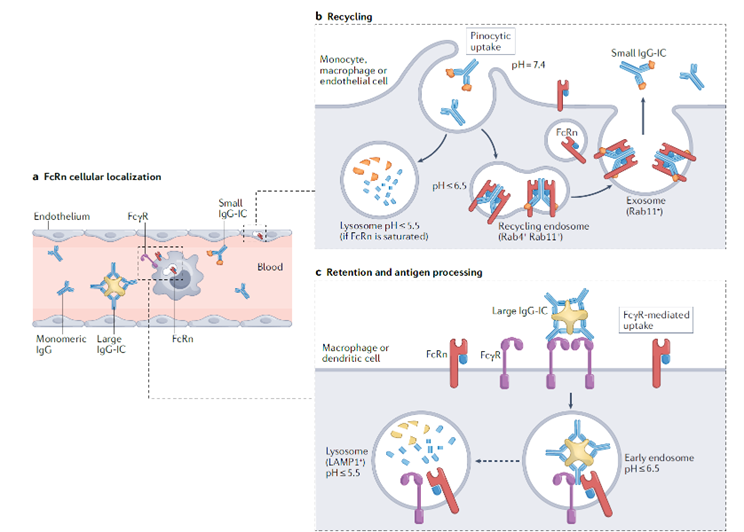
Figure 5. FcRn-mediated recycling process provides a longer half-life for monomeric IgG or small IgG immune complexes, while multimeric IgG immune complexes are degraded
IMVT-1402 (optimized next-generation FcRn inhibitor): Compared with batoclimab, it offers higher selectivity, better pharmacokinetics, and improved safety (avoiding dose-dependent albumin reduction issues). It can achieve equivalent or deeper IgG reduction at lower doses and with more convenient administration.
3. Other Targeted Immunotherapies (Blocking Immune Cell Activation and Antibody Production)
iscalimab (anti-CD40 monoclonal antibody, CFZ533) is a humanized IgG1 monoclonal antibody that specifically targets the CD40 molecule. The CD40-CD40L co-stimulatory pathway is a critical upstream signal for B cell activation, maturation, and antibody production (including TRAb). iscalimab blocks the interaction between CD40 on antigen-presenting cells (APCs) and CD40L on activated T cells, thereby inhibiting T cell-dependent B cell activation, proliferation, and plasma cell differentiation. This significantly reduces the production of TSHR-stimulating antibodies (TRAb/TSAb) without causing B cell depletion or systemic immunosuppression.
ATX-GD-59 (TSHR peptide antigen-specific immunotherapy): A mixture of synthetic peptides from two immunodominant TSHR epitopes (apitopes), designed to induce antigen-specific immune tolerance. By mimicking key TSHR epitopes and presenting them to T cells, it preferentially activates and expands regulatory T cells (Treg) while suppressing autoreactive T/B cell clones, thereby restoring immune tolerance to TSHR and reducing TRAb production (rather than causing non-specific immunosuppression).
BAFF inhibitors (e.g., belimumab): These are humanized IgG1 monoclonal antibodies that specifically target B cell-activating factor (BAFF/BLyS). BAFF is a key cytokine for B cell survival, maturation, and differentiation into plasma cells. Belimumab binds to soluble BAFF, blocking its interaction with BAFF-R, TACI, and BCMA receptors. This leads to apoptosis of BAFF-dependent naïve B cells and reduces the number of mature B cells and plasma cells, thereby decreasing the production of autoantibodies such as TRAb.
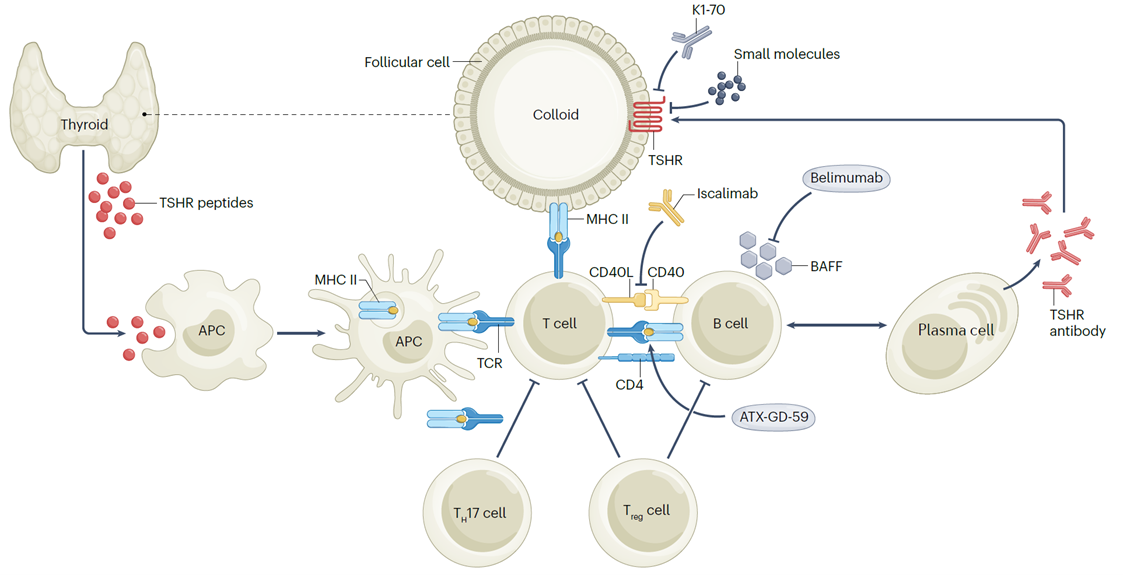
Figure 6. Pathogenesis of Graves' disease and mechanism of action of the most promising recent therapies
4. Targeted Therapies for Graves' Ophthalmopathy (GO)
GO is the most common extrathyroidal manifestation of GD (affecting 25-30% of patients). Its pathogenesis involves crosstalk between TSHR and IGF-1R, inflammatory cytokines (such as IL-6), and fibrosis.
teprotumumab (IGF-1R monoclonal antibody): The first FDA-approved biologic specifically for Graves' ophthalmopathy (GO), with indications now expanded to moderate-to-severe GO in both active and chronic phases. The core mechanism of GO involves crosstalk between TSHR and IGF-1R on orbital fibroblasts. After TSAb activates TSHR, IGF-1R signaling amplifies downstream pathways, leading to increased hyaluronic acid synthesis, enhanced adipogenesis, and release of inflammatory cytokines. This ultimately causes orbital tissue expansion, proptosis, and inflammation. teprotumumab, a high-affinity humanized IgG1 monoclonal antibody, specifically blocks IGF-1R, disrupting this crosstalk. It inhibits fibroblast activation, hyaluronic acid deposition, and adipocyte differentiation, thereby reducing orbital volume expansion at the etiological level.
tocilizumab (IL-6R blocker): A specific inhibitor of the IL-6 signaling pathway, serving as an important second-line option for glucocorticoid-resistant or relapsed moderate-to-severe active GO. IL-6 is a key driver of the inflammatory cascade in GO, promoting hyaluronic acid secretion by orbital fibroblasts, inducing Th17 cell differentiation, and amplifying TSHR-IGF-1R crosstalk. Tocilizumab blocks both membrane-bound and soluble IL-6R, inhibiting downstream STAT3 signaling. This significantly reduces the inflammatory cytokine storm, decreases orbital tissue edema and fibrosis, and provides a glucocorticoid-sparing effect.
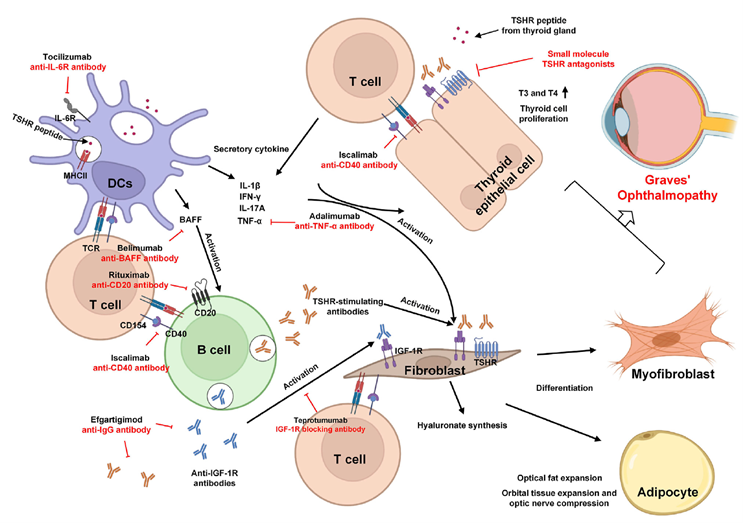
Figure 7. Pathogenesis of GO and immune treatment strategies
abinScience Related Products
Below is the latest catalog of abinScience recombinant proteins and antibodies related to hyperthyroidism and Graves' disease. Catalog numbers are clickable links to the product pages.
Protein
| Catalog No. |
Product name |
| HV375012 |
Recombinant Human BTLA Protein, N-His |
| HB651011 |
Recombinant Human CD152/CTLA4 Protein, C-His |
| HB199012 |
Recombinant Human CD154/CD40LG/TNFSF5 Protein, C-His |
| HB996012 |
Recombinant Human CD19 Protein, N-His |
| HY353012 |
Recombinant Human CD221/IGF1R Protein, N-His |
| HV375011 |
Recombinant Human CD272/BTLA Protein, C-His |
| HX061012 |
Recombinant Human FCGRT Protein, N-His |
| HV388012 |
Recombinant Human FOXP3 Protein, N-His |
| HC317012 |
Recombinant Human RIPK1 Protein, N-His |
| HF879012 |
Recombinant Human TNFα/TNF-alpha Protein, N-His |
| HY430012 |
Recombinant Human TPO Protein, N-His |
| HB852012 |
Recombinant Human TSHR Protein, N-His |
Antibody
| Catalog No. |
Product name |
| HX061010 |
InVivoMAb Anti-Human FCGRT/FCRN Antibody (Iv0203) |
| HY328010 |
InVivoMAb Anti-Human IL6 (Iv0022) |
| HF879010 |
InVivoMAb Anti-Human TNFα/TNF-alpha (Iv0050) |
| HB852020 |
InVivoMAb Anti-Human TSHR/LGR3 Antibody (5C9) |
| MY328020 |
InVivoMAb Anti-Mouse IL6 (MP5-20F3) |
| HF879236 |
Research Grade Adalimumab |
| HF879056 |
Research Grade Afelimomab |
| HB651206 |
Research Grade Anti-Human CD152/CTLA4 (ONC-392) |
| HY353146 |
Research Grade Anti-Human CD221/IGF1R Antibody (AVE1642) |
| HV375036 |
Research Grade Anti-Human CD272/BTLA (ANB032) |
| HX061066 |
Research Grade Anti-Human FCGRT/FCRN (HBM9161) |
| HB852016 |
Research Grade Anti-Human TSHR/LGR3 (K1-70) |
| HF879013 |
Research Grade Anti-TNFα/TNF-alpha (CDP571) |
| HX061036 |
Research Grade Batoclimab |
| HY328013 |
Anti-Human IL6 Nanobody (SAA0798) |
| HF879107 |
Anti-Human TNFα/TNF-alpha Antibody (SAA0415) |
| HY430107 |
Anti-Human TPO/Thyroid peroxidase Antibody (RI-34) |
| HB852407 |
Anti-Human TSHR/LGR3 Antibody (1H7) |
| HY328014 |
Anti-IL6 Polyclonal Antibody |
| HC317014 |
Anti-RIPK1 Polyclonal Antibody |
| HF879014 |
Anti-TNFα/TNF-alpha Polyclonal Antibody |
Kit
Need research tools for Graves' disease / hyperthyroidism?
abinScience offers factory-direct TSHR, FcRn, IGF-1R, IL-6 and related recombinant proteins, antibodies, and ELISA kits. Bulk pricing, custom specifications, and technical support are available.
References:
1. Chaker L, Cooper DS, Walsh JP, Peeters RP. Hyperthyroidism. Lancet. 2024 Feb 24;403(10428):768-780. doi: 10.1016/S0140-6736(23)02016-0 . Epub 2024 Jan 23. PMID: 38278171.
2. Davies, T.F., Andersen, S., Latif, R. et al. Graves’ disease. Nat Rev Dis Primers 6, 52 (2020). https://doi.org/10.1038/s41572-020-0184-y
3. Stan, M. N., & Dosiou, C. (2025). The evolving therapeutic landscape of Graves’ disease in adults: present and future. European Thyroid Journal, 14(4), Article e250078. Retrieved Apr 13, 2026, from https://doi.org/10.1530/ETJ-25-0078
4. Zhang X, Zhao Q and Li B (2023) Current and promising therapies based on the pathogenesis of Graves’ ophthalmopathy. Front. Pharmacol. 14:1217253. doi: 10.3389/fphar.2023.1217253
5. Agrawal, R., & Ahmad, S. (2025). Graves’ Disease: Novel Diagnostic Approaches and Emerging Treatment Options. In Graves’ Disease - Diagnostic and Therapeutic Developments and New Therapeutic Horizons. IntechOpen. https://doi.org/10.5772/intechopen.1007594
6. Sanders P, Young S, Sanders J, Kabelis K, Baker S, Sullivan A, Evans M, Clark J, Wilmot J, Hu X, Roberts E, Powell M, Núñez Miguel R, Furmaniak J, Rees Smith B. Crystal structure of the TSH receptor (TSHR) bound to a blocking-type TSHR autoantibody. J Mol Endocrinol. 2011 Feb 15;46(2):81-99. doi: 10.1530/JME-10-0127 . PMID: 21247981.
7. Viola N, Colleo A, Casula M, Mura C, Boi F, Lanzolla G. Graves’ Disease: Is It Time for Targeted Therapy? A Narrative Review. Medicina. 2025; 61(3):500. https://doi.org/10.3390/medicina61030500
8. Morshed SA, Davies TF. Graves' Disease Mechanisms: The Role of Stimulating, Blocking, and Cleavage Region TSH Receptor Antibodies. Horm Metab Res. 2015 Sep;47(10):727-34. doi: 10.1055/s-0035-1559633 . Epub 2015 Sep 11. PMID: 26361259; PMCID: PMC5047290.
9. Lanzolla G, Marinò M, Menconi F. Graves disease: latest understanding of pathogenesis and treatment options. Nat Rev Endocrinol. 2024 Nov;20(11):647-660. doi: 10.1038/s41574-024-01016-5 . Epub 2024 Jul 22. PMID: 39039206.
10. Pyzik M, Kozicky LK, Gandhi AK, Blumberg RS. The therapeutic age of the neonatal Fc receptor. Nat Rev Immunol. 2023 Jul;23(7):415-432. doi: 10.1038/s41577-022-00821-1IF: 60.9 Q1. Epub 2023 Feb 1. PMID: 36726033; PMCID: PMC9891766.


 中文
中文 English
 한국어
한국어 日本語
日本語 Español
 Français
 Русский


