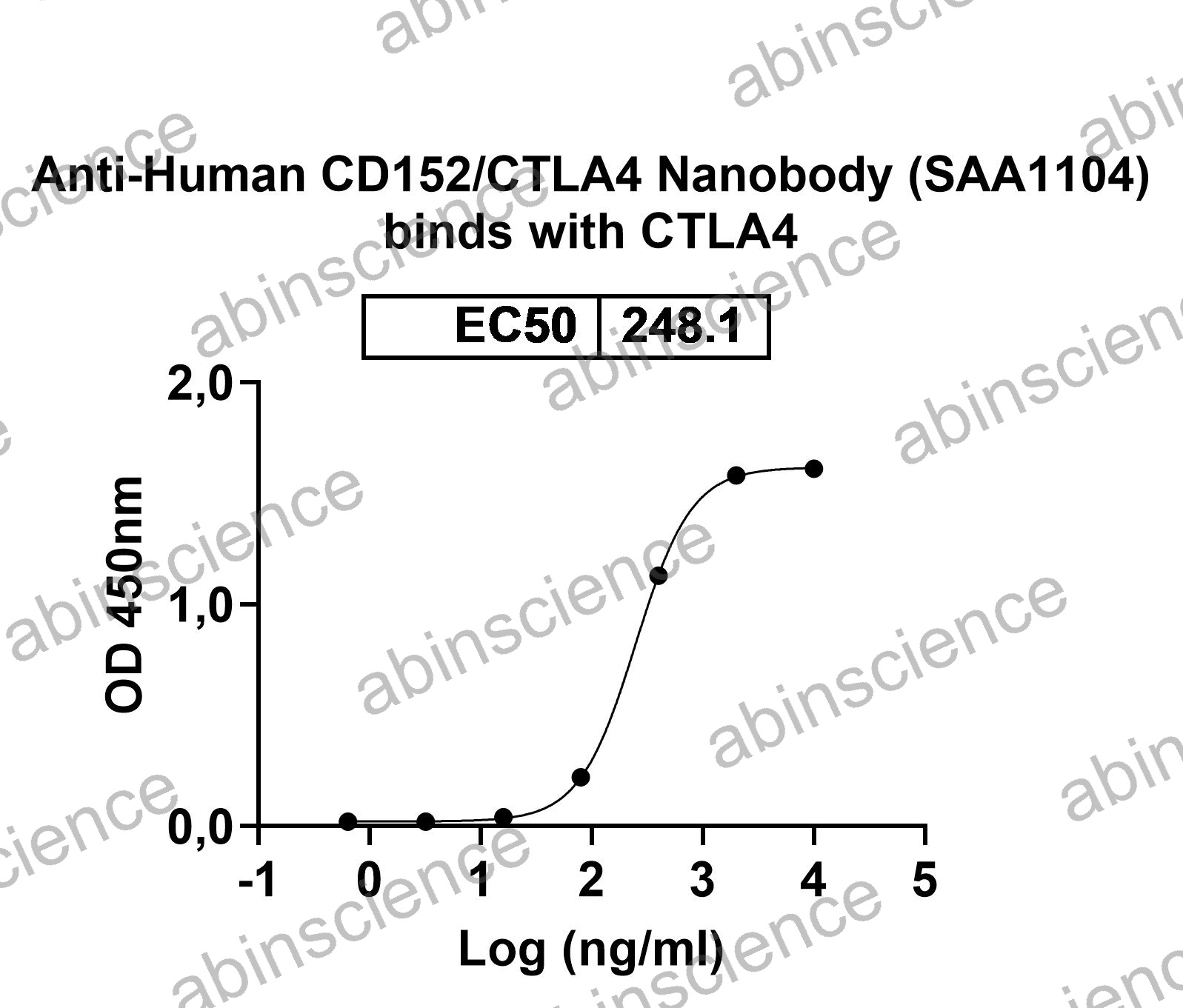
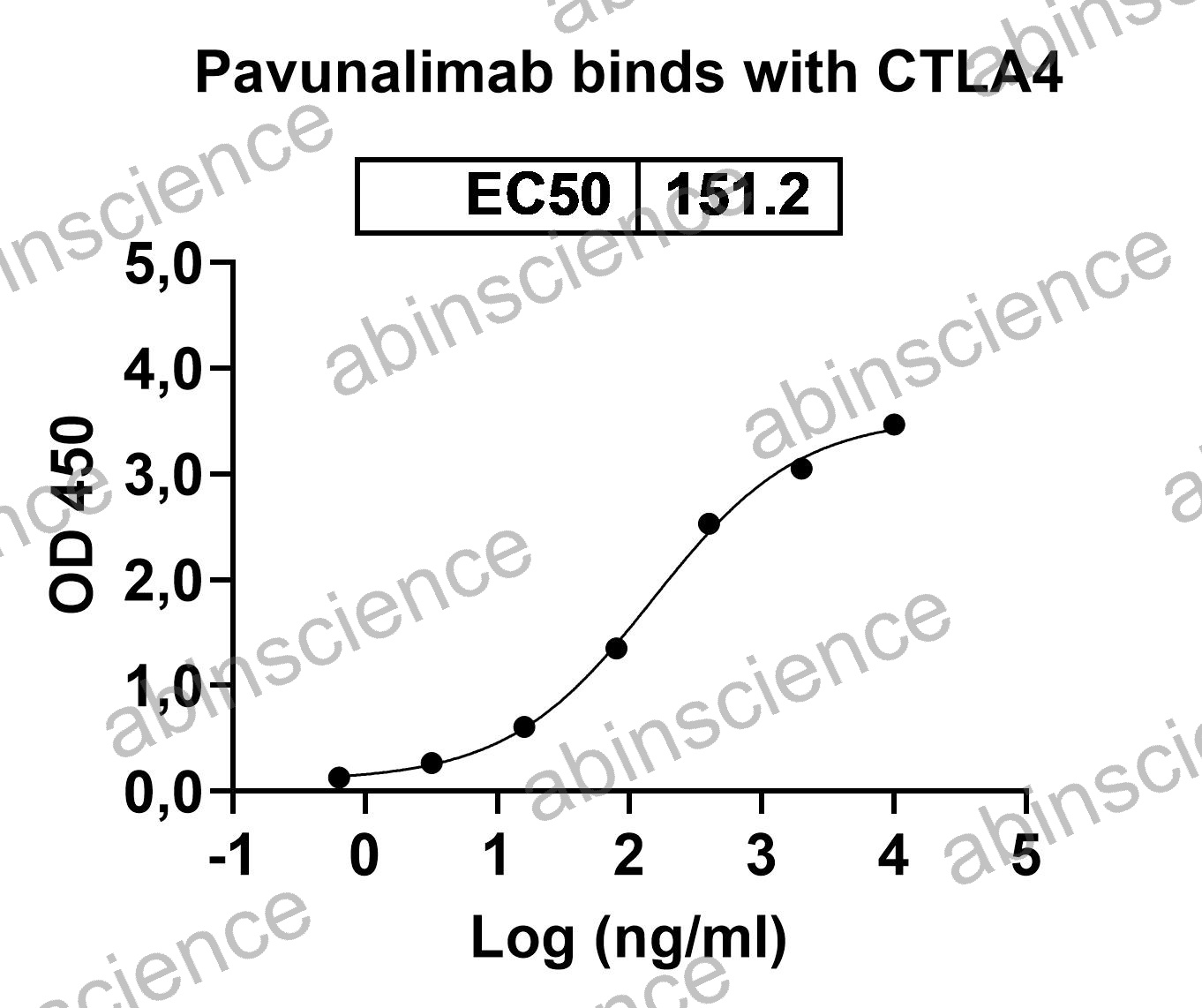
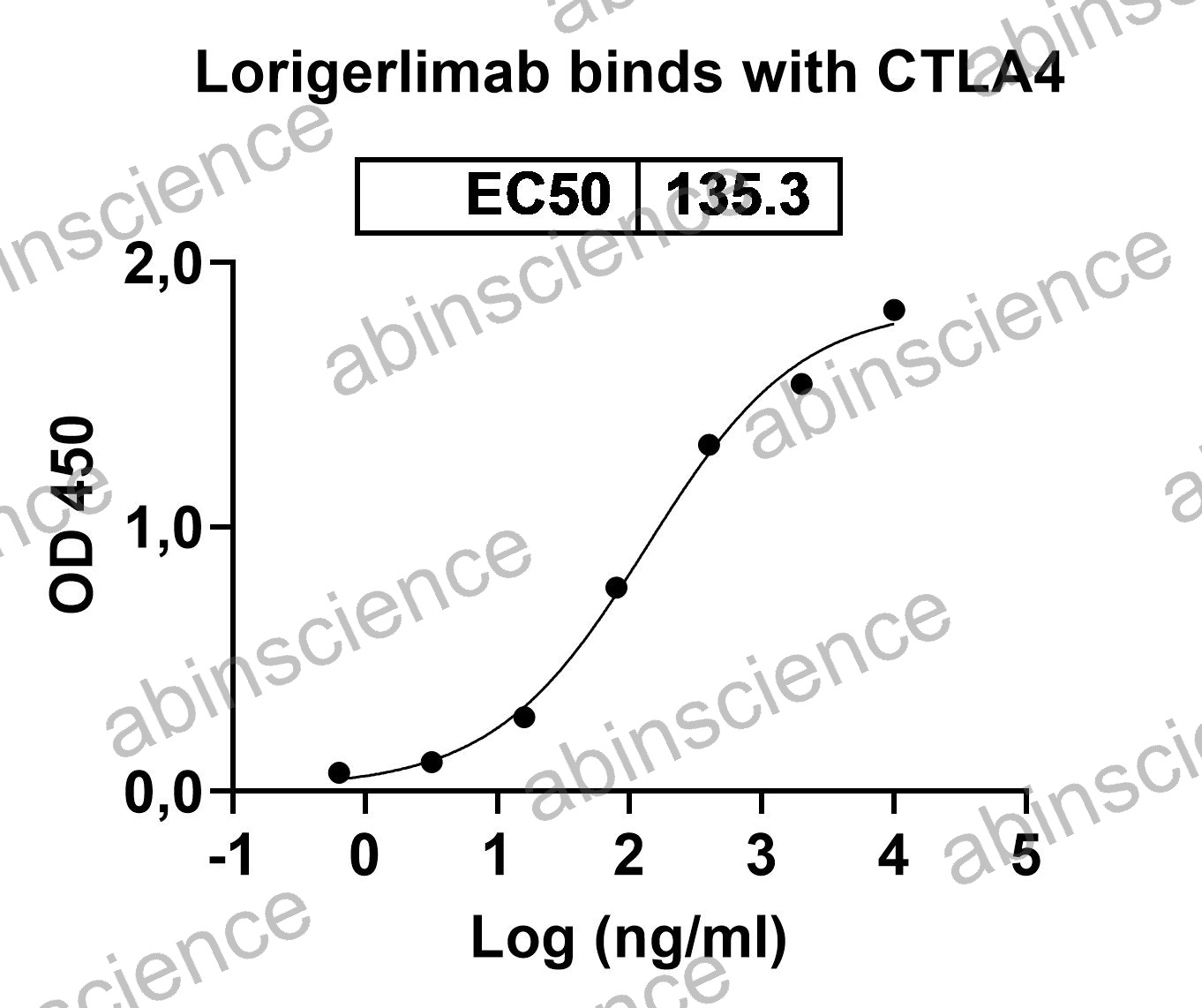
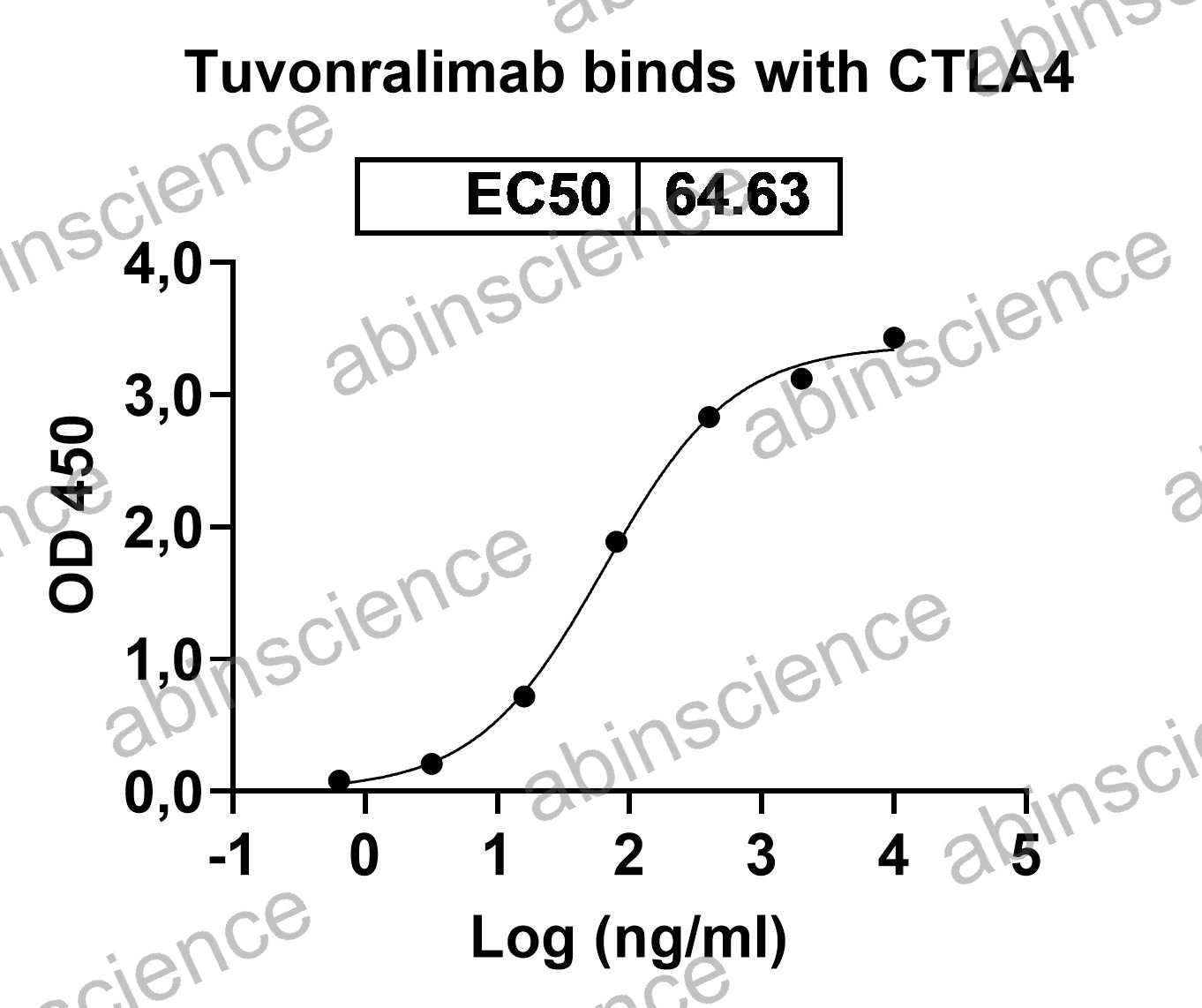
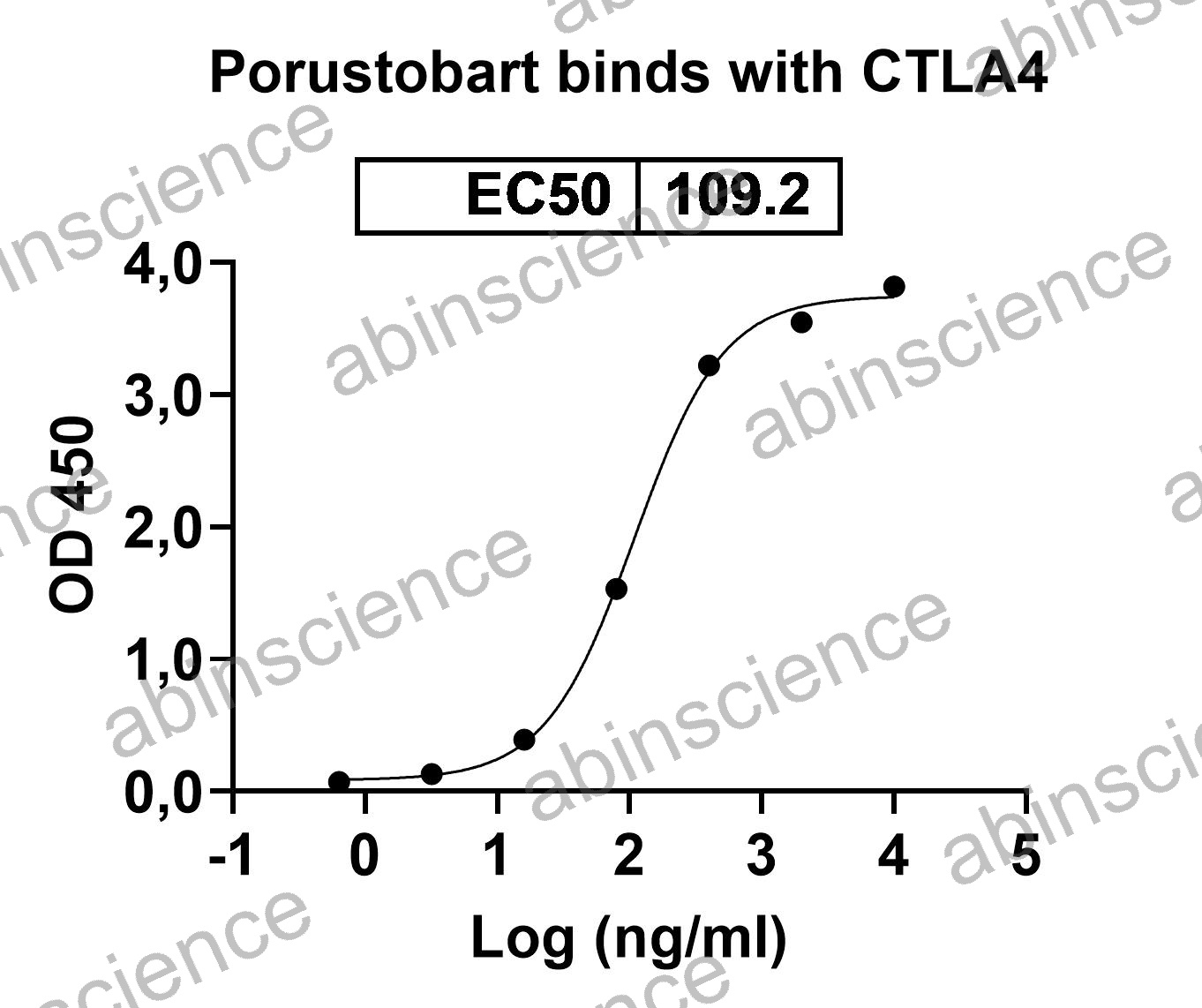
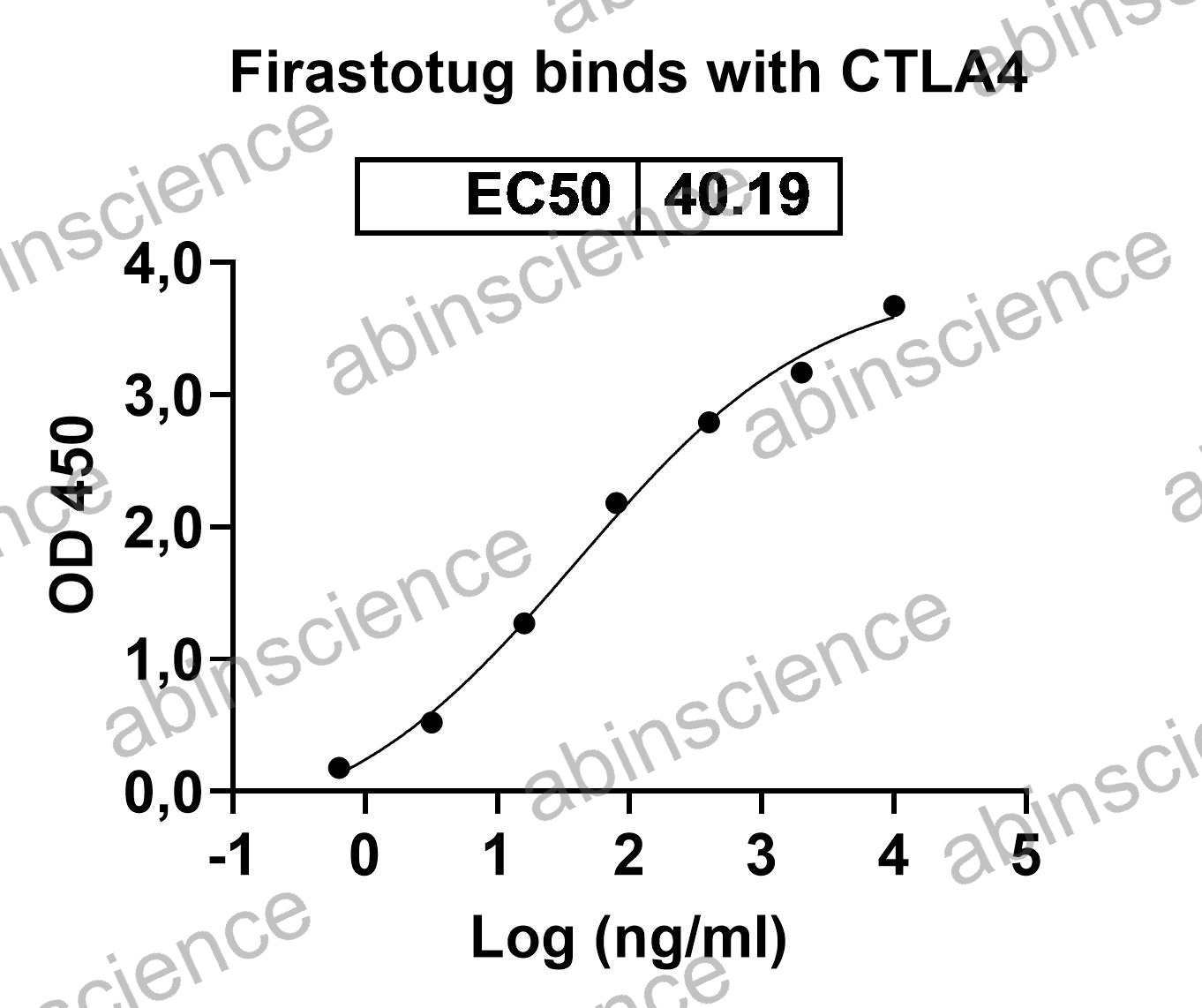
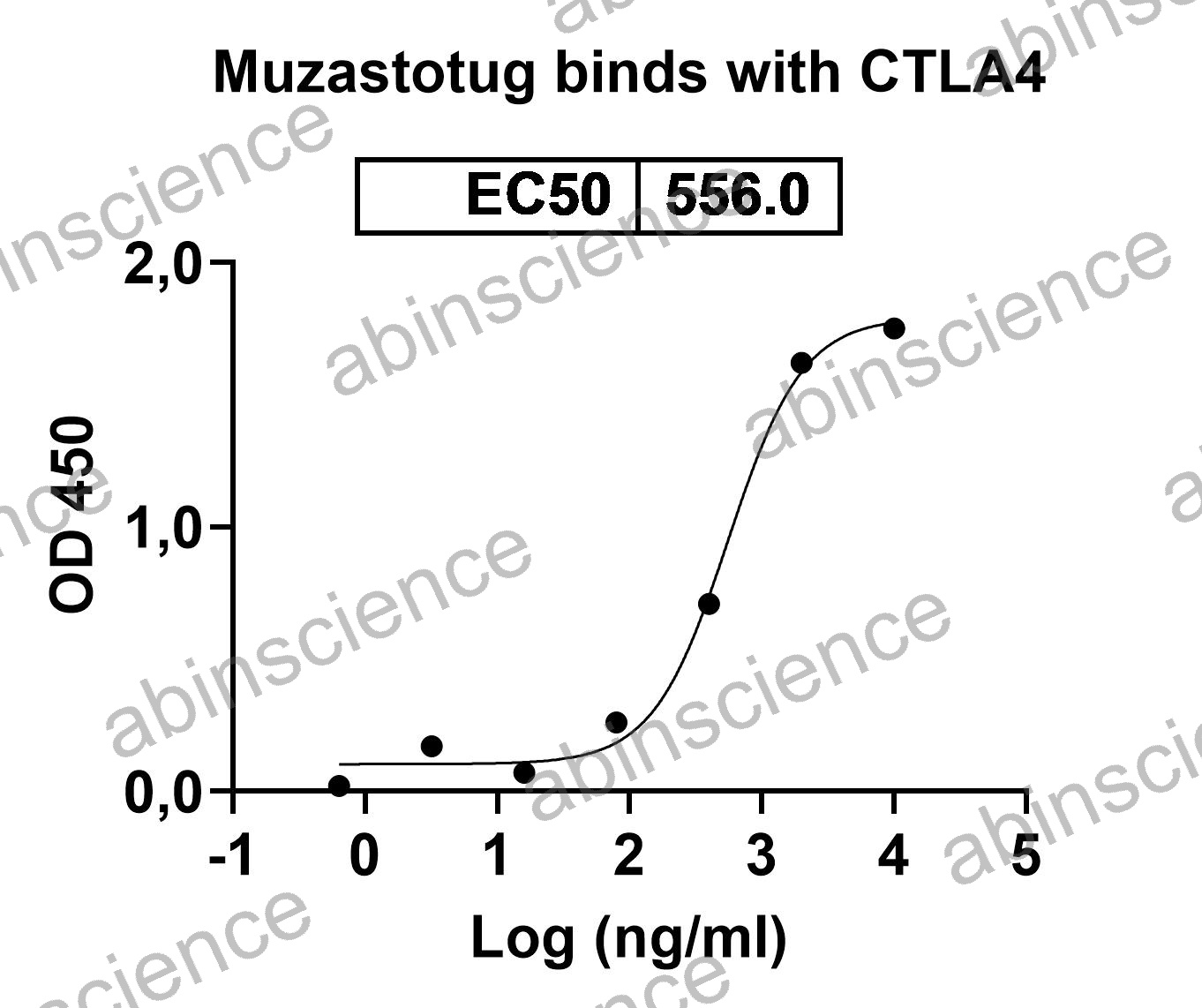
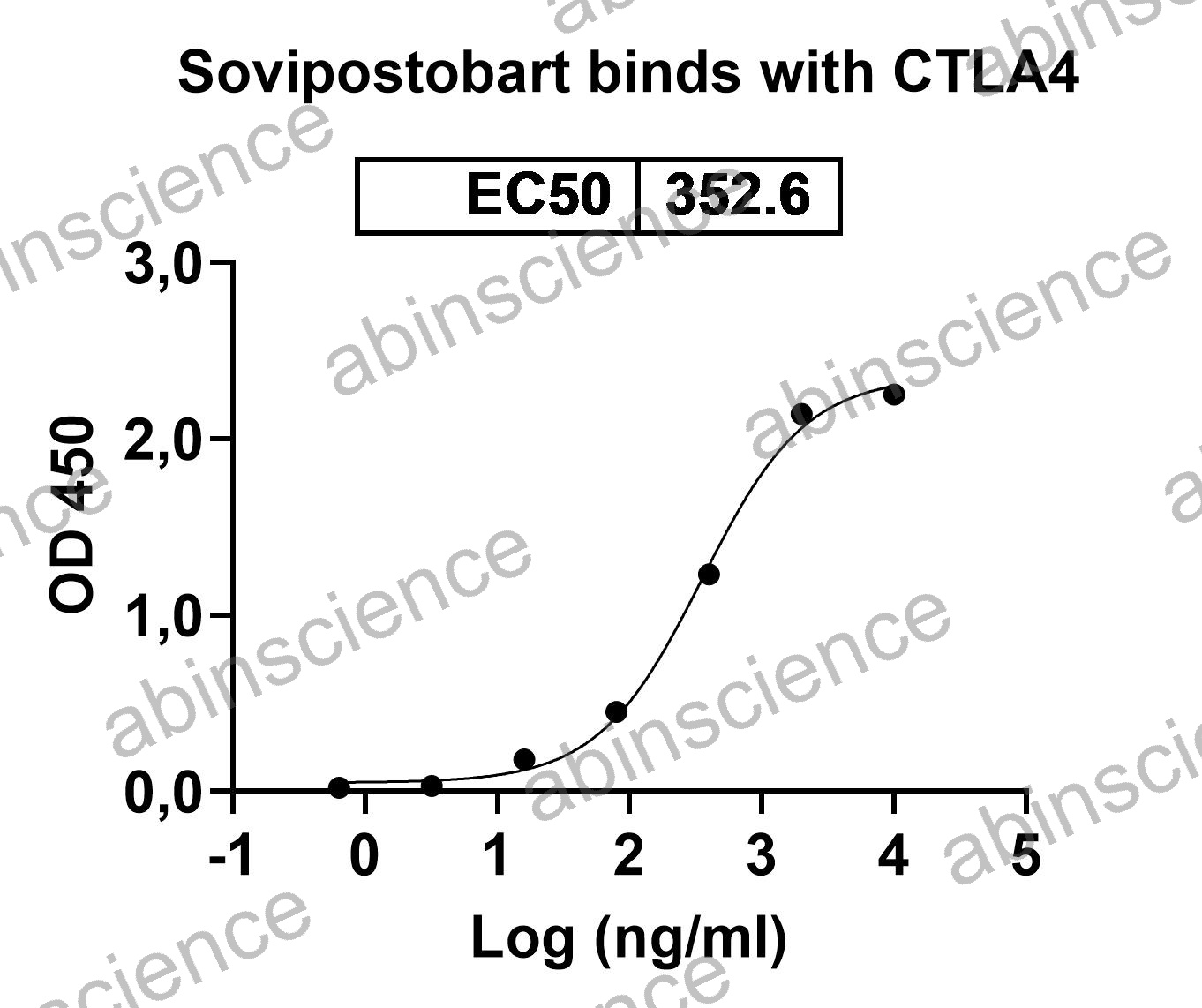
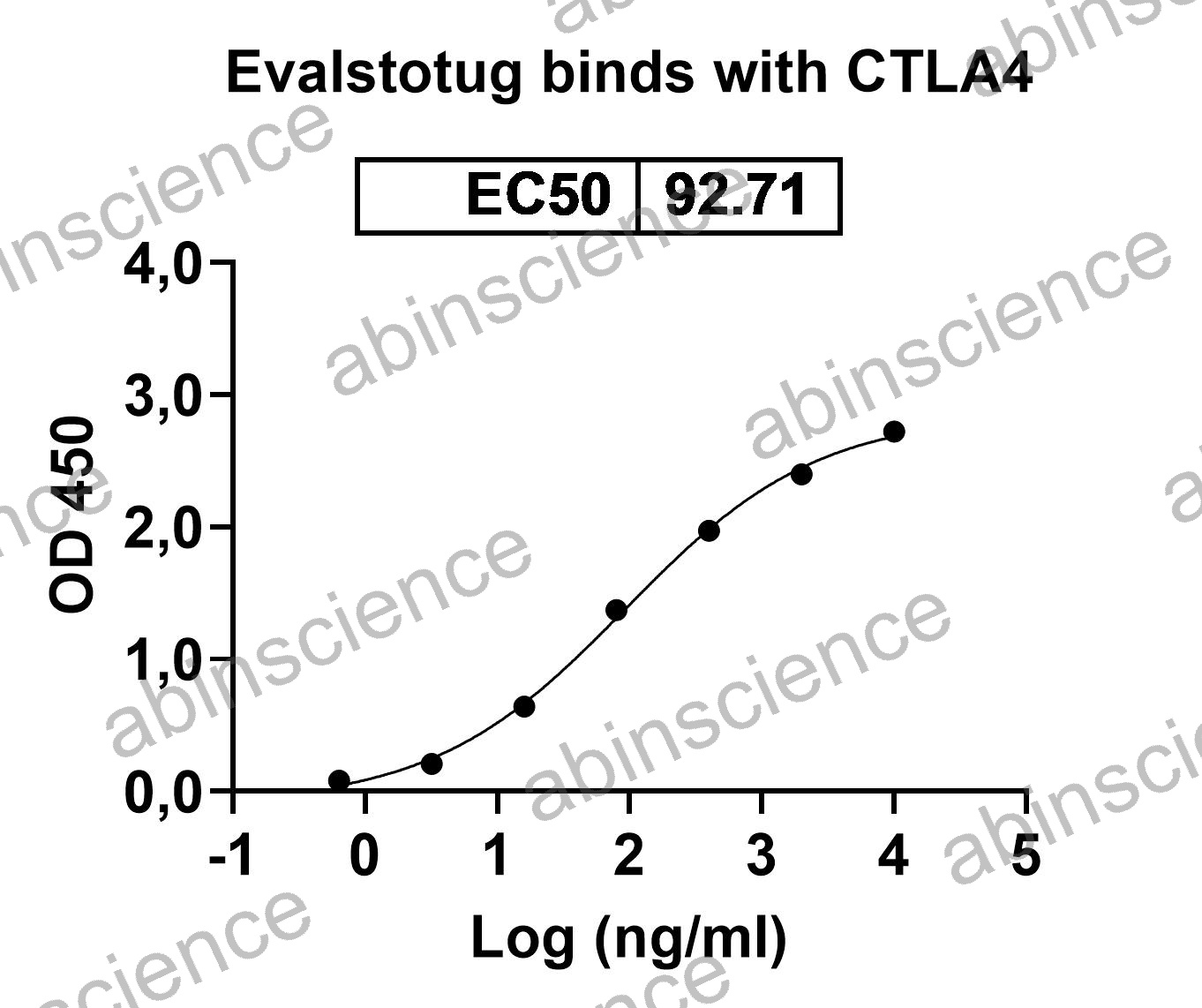
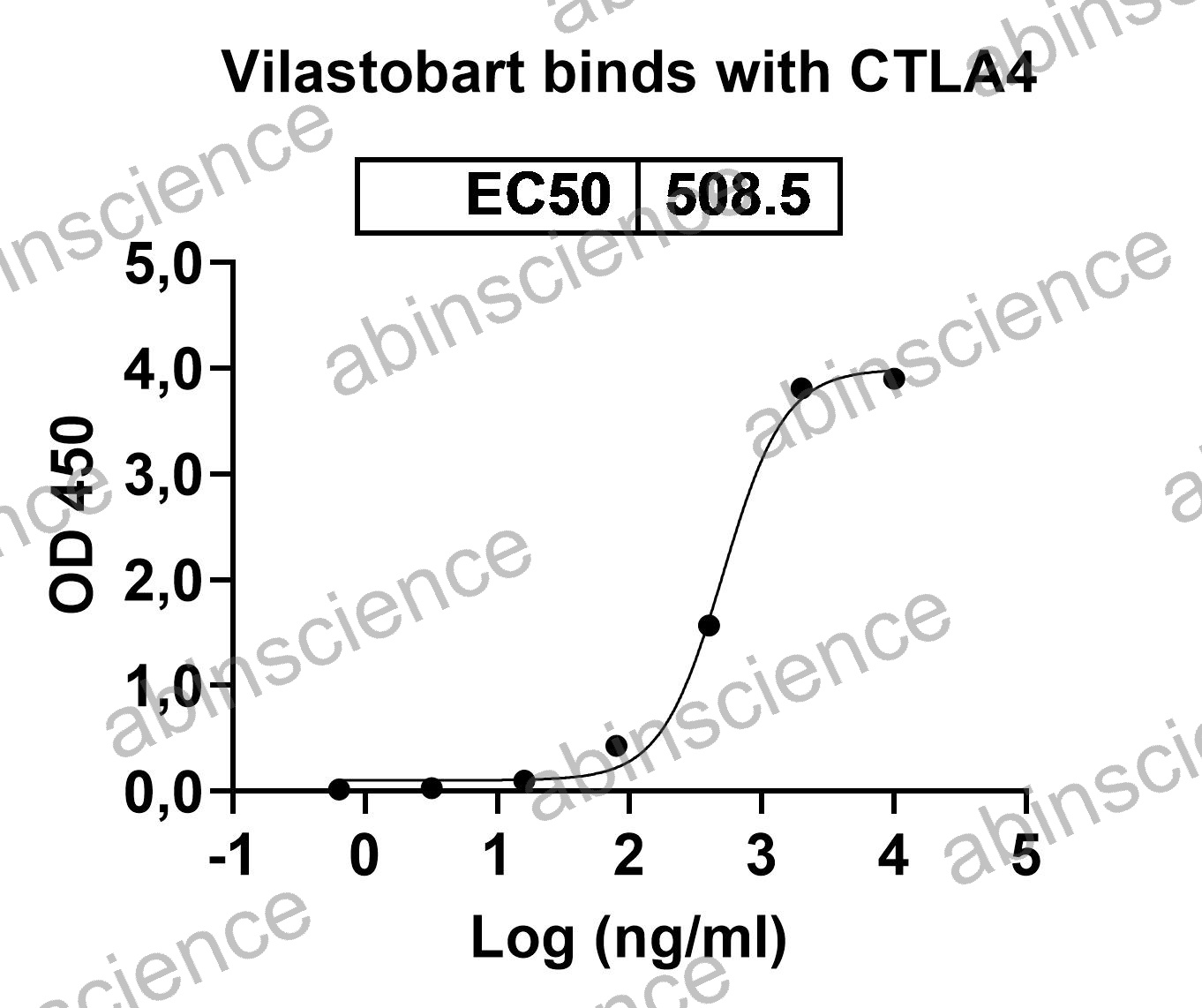
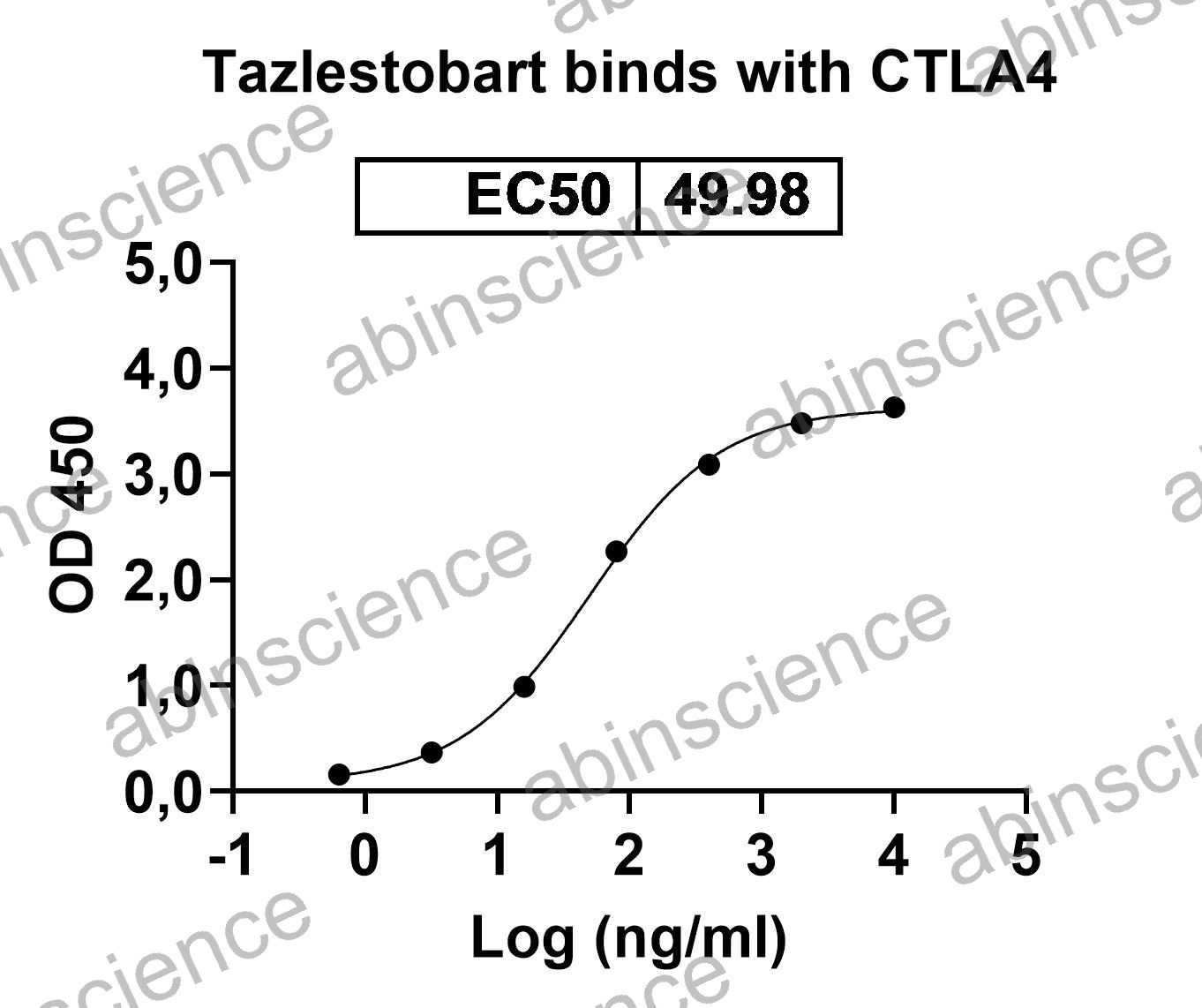
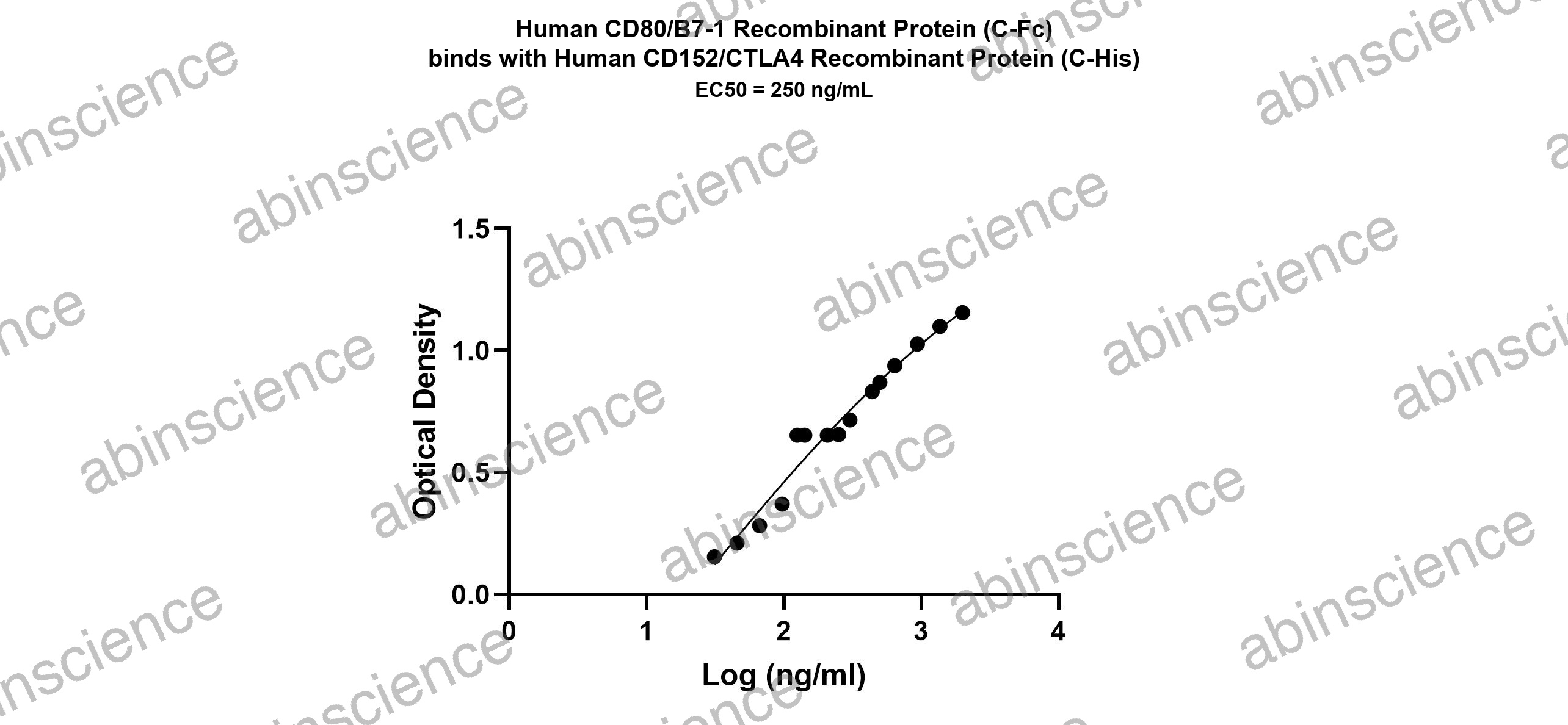
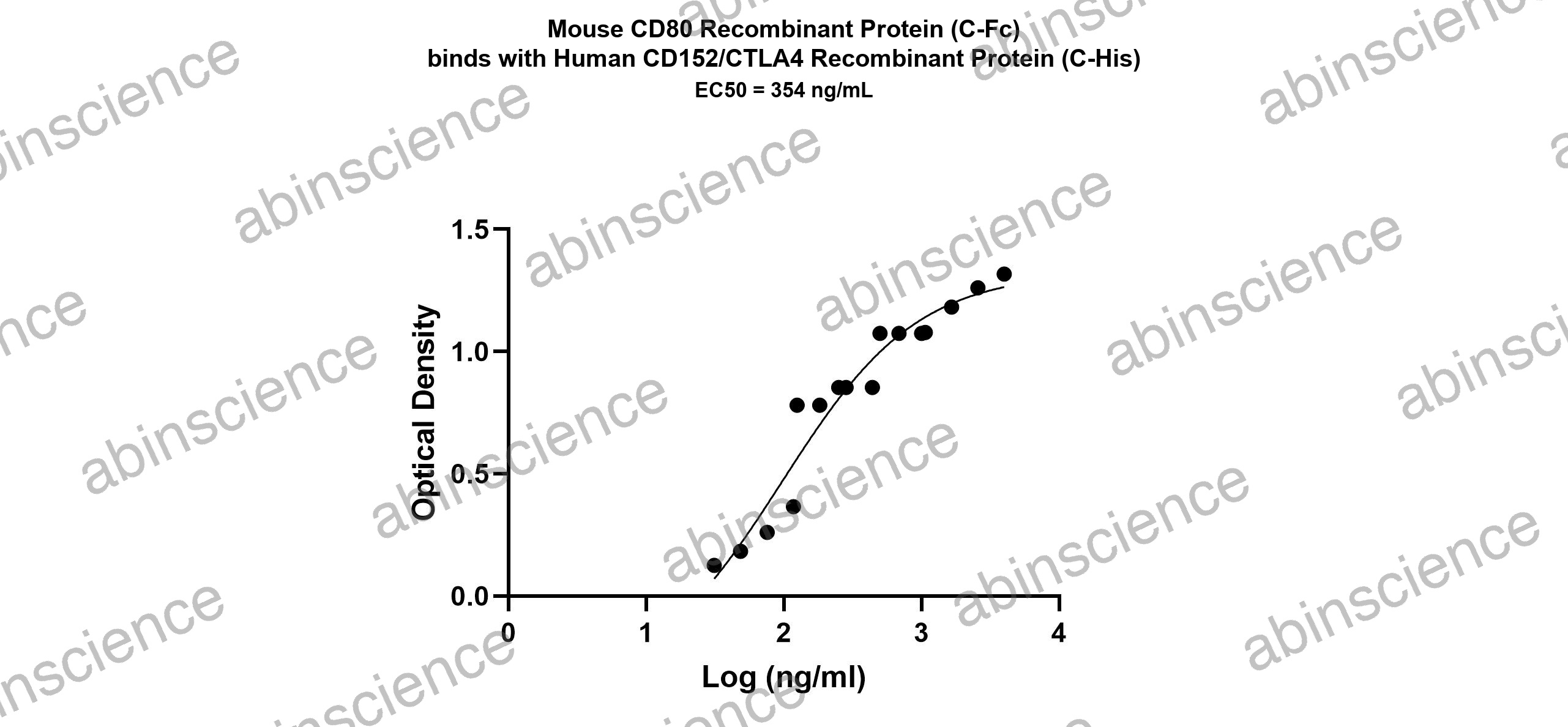
CTLA-4 (CD152 / Cytotoxic T-Lymphocyte Associated Protein 4) is a co-inhibitory immune checkpoint receptor that competes with CD28 for binding to B7 ligands (CD80/CD86), suppressing T-cell activation. As the first immune checkpoint targeted by an FDA-approved antibody — Ipilimumab (Yervoy) — CTLA-4 remains central to immuno-oncology, combination checkpoint therapy, and transplant tolerance research. abinScience offers recombinant CTLA-4 proteins, anti-CTLA-4 antibodies, biosimilar reference standards, and ELISA kits.
CTLA-4 Biology and Mechanism
CTLA-4 is a ~25 kDa type I transmembrane glycoprotein expressed on activated T cells and constitutively on regulatory T cells (Tregs). It shares the B7 ligands CD80 (B7-1) and CD86 (B7-2) with the co-stimulatory receptor CD28, but binds them with ~10-20× higher affinity, effectively outcompeting CD28 to shut down T-cell activation.
CTLA-4 suppresses T-cell responses through two mechanisms: cell-intrinsic signaling that recruits phosphatases (SHP-2, PP2A) to attenuate TCR/CD28 downstream signals, and cell-extrinsic functions including trans-endocytosis of CD80/CD86 from antigen-presenting cells, reducing co-stimulation available to other T cells. This dual mechanism makes CTLA-4 blockade particularly effective in priming anti-tumor immune responses in the lymph node.
Key Research Applications
Checkpoint Inhibitor Development Recombinant CTLA-4 proteins for screening and characterizing anti-CTLA-4 therapeutic antibodies. Biosimilar Ipilimumab as reference standard for binding assays and bioactivity comparisons.
CTLA-4/B7 Blocking Assays CTLA-4-Fc chimera proteins and CD80/CD86 proteins for competitive binding assays, reporter gene assays, and functional blockade studies measuring IL-2 release or T-cell proliferation.
Combination Therapy Research Reagents for studying CTLA-4 + PD-1/PD-L1 dual checkpoint blockade, including matched proteins and antibodies for both targets in the same assay platform.
PK/ADA & Immunogenicity Assays Anti-CTLA-4 antibody pairs and CTLA-4 calibrator proteins for PK ELISA and anti-drug antibody (ADA) assay development supporting Ipilimumab biosimilar programs.
CTLA-4 Product Selection Guide
| Application |
Recommended Product Type |
Format |
| SPR/BLI binding kinetics |
Recombinant CTLA-4 protein |
Avi-tagged or biotinylated |
| CTLA-4/B7 blocking assay |
CTLA-4-Fc + CD80/CD86 protein |
Fc-chimera |
| Sandwich ELISA / quantification |
CTLA-4 ELISA kit or antibody pair |
Matched capture/detection pair |
| Flow cytometry / Treg profiling |
Anti-CTLA-4 antibody |
PE, APC, or BV421 conjugated |
| WB / IP detection |
Anti-CTLA-4 monoclonal antibody |
Unconjugated |
| Comparability / reference |
Ipilimumab biosimilar |
Research-grade RUO |
CTLA-4 FAQs
What is the difference between CTLA-4 and PD-1 checkpoint blockade?
CTLA-4 blockade primarily acts during T-cell priming in the lymph node by preventing CTLA-4 from outcompeting CD28 for B7 ligand binding, resulting in enhanced T-cell activation. PD-1 blockade acts in the tumor microenvironment by preventing PD-L1/PD-L2-mediated exhaustion of effector T cells. The two mechanisms are complementary, which is why combination CTLA-4 + PD-1 therapy (Ipilimumab + Nivolumab) shows synergistic clinical efficacy in several tumor types.
Which CTLA-4 protein format should I use for blocking assays?
CTLA-4-Fc chimera is recommended for blocking assays because the Fc domain provides bivalent binding that mimics native CTLA-4 homodimer avidity. Use it together with recombinant CD80 or CD86 protein to set up competitive binding assays or reporter gene blockade assays. For SPR kinetics where monovalent affinity is needed, use His-tagged CTLA-4 ECD instead.
Do you have an Ipilimumab biosimilar for reference use?
Yes. We offer a research-grade Ipilimumab biosimilar (anti-human CTLA-4, IgG1 subclass) produced in CHO cells. It is suitable for use as a positive control in CTLA-4 binding assays, as a reference standard in bioanalytical method development, and for analytical comparability studies. It is RUO only and not intended for therapeutic use.
Can I detect intracellular CTLA-4 on Tregs by flow cytometry?
Yes. CTLA-4 is constitutively expressed in the intracellular compartment of Tregs and is only transiently expressed on the cell surface upon activation. For intracellular staining, fix and permeabilize cells first, then stain with a fluorochrome-conjugated anti-CTLA-4 antibody. For surface staining on activated T cells, stimulate cells with anti-CD3/CD28 for 24-48 hours before staining.
How do I set up a CTLA-4/B7 reporter gene blockade assay?
A typical assay uses CTLA-4-expressing Jurkat-NFAT-Luc reporter cells co-cultured with CD80-expressing CHO antigen-presenting cells. CTLA-4 engagement suppresses NFAT-driven luciferase signal; adding an anti-CTLA-4 blocking antibody releases the inhibition, producing a dose-dependent increase in luminescence. Use our recombinant CTLA-4 protein as a calibrator and Ipilimumab biosimilar as a positive control.
Key References
1. Rowshanravan B, et al. (2018) CTLA-4: a moving target in immunotherapy. Blood. 131(1):58-67. PMID: 29118008
2. Hodi FS, et al. (2010) Improved survival with Ipilimumab in patients with metastatic melanoma. N Engl J Med. 363(8):711-723. PMID: 20525992
3. Wei SC, et al. (2018) Distinct cellular mechanisms underlie anti-CTLA-4 and anti-PD-1 checkpoint blockade. Cell. 170(6):1120-1133. PMID: 28803728


 中文
中文 English
 한국어
한국어 日本語
日本語 Español
 Français
 Русский