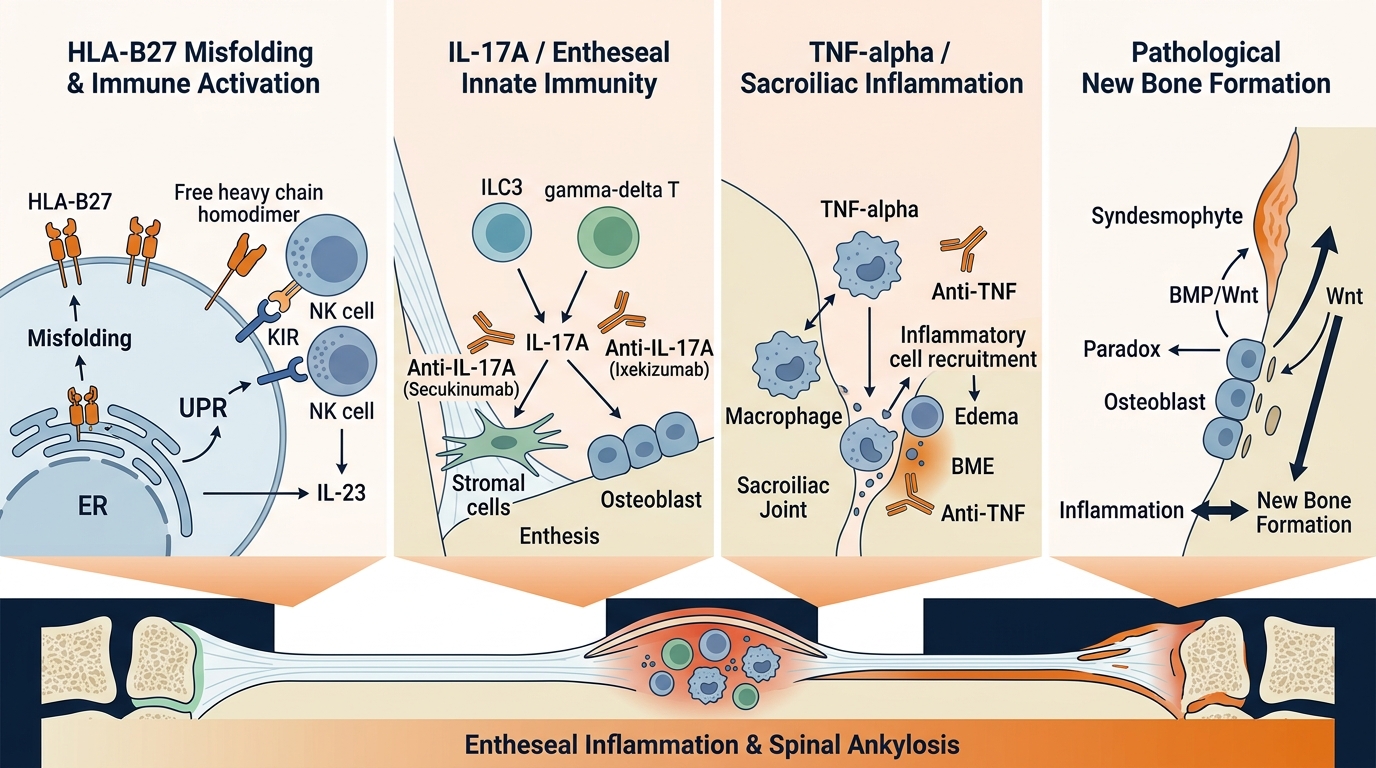
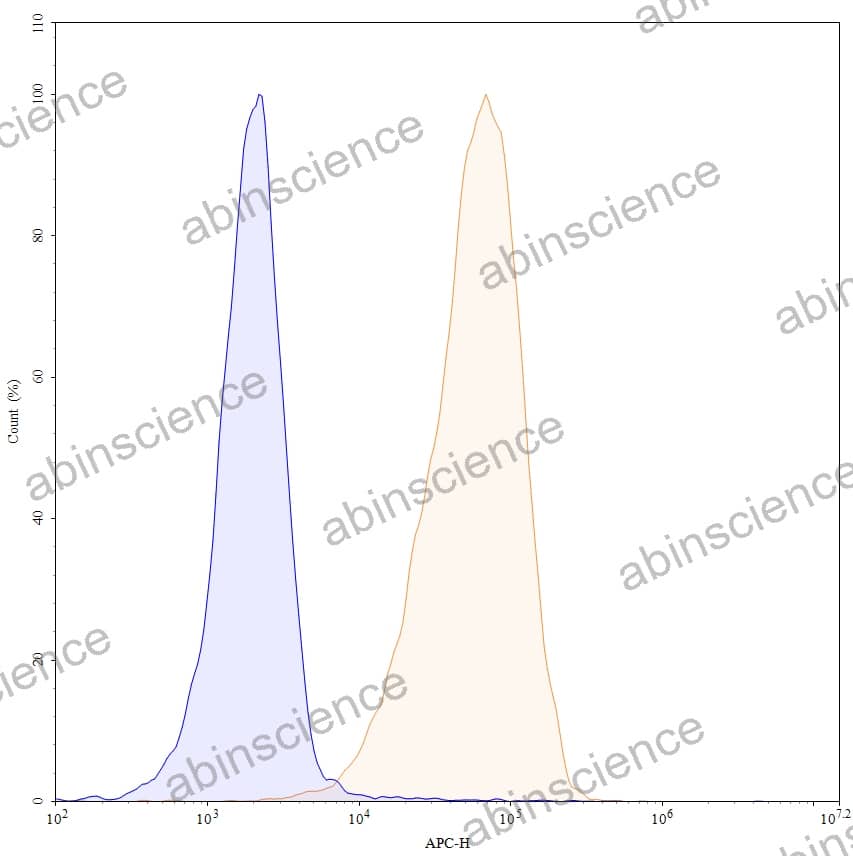
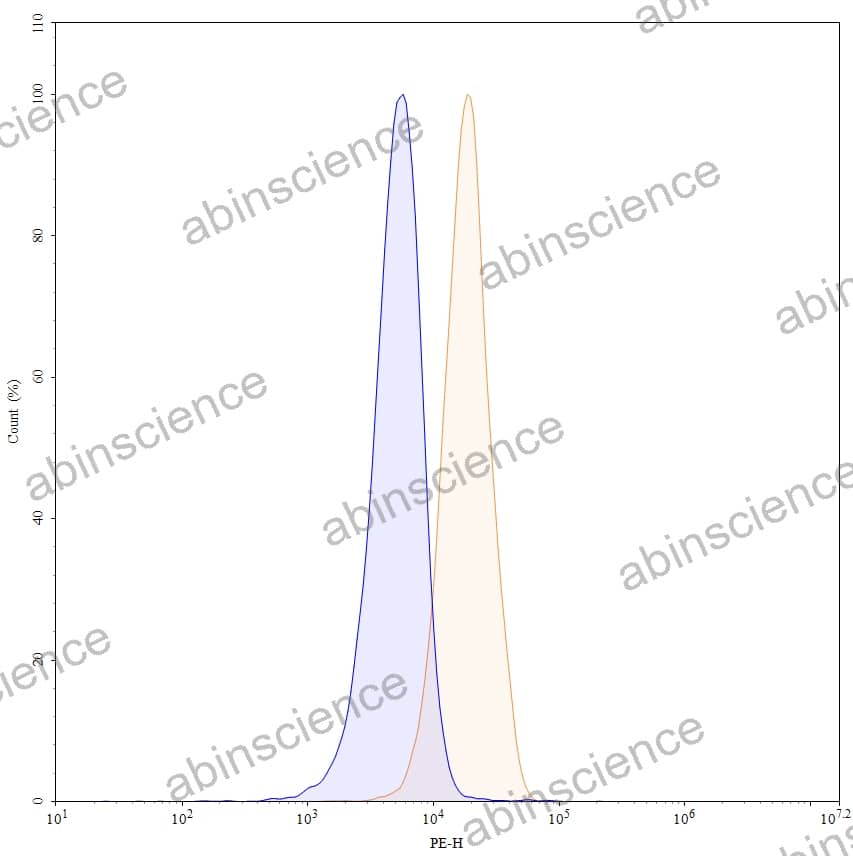
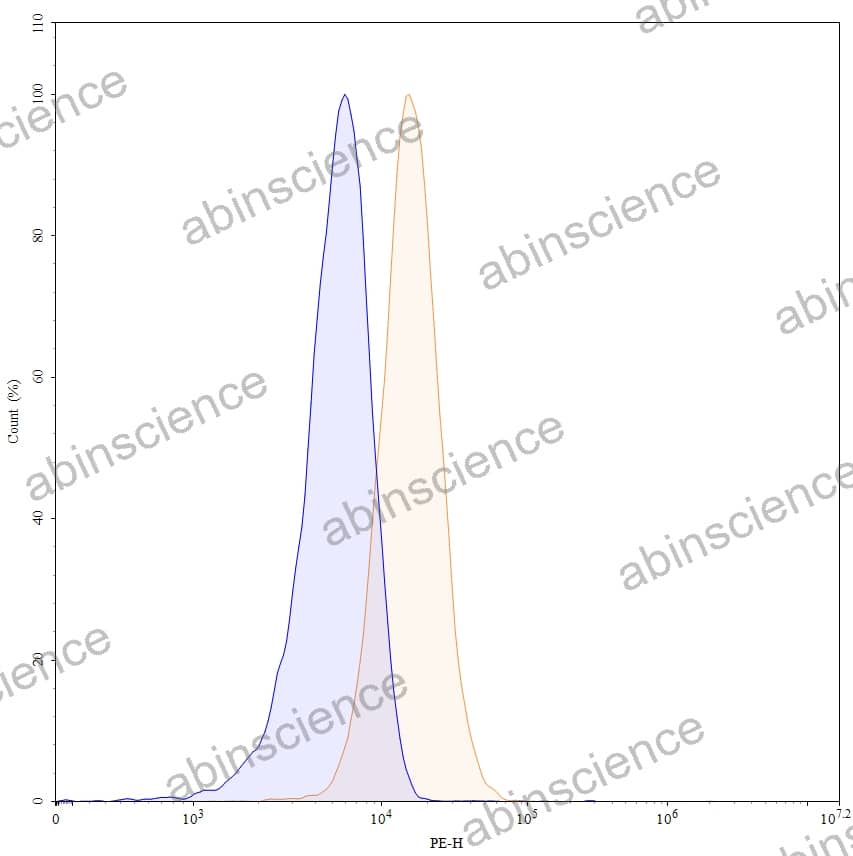
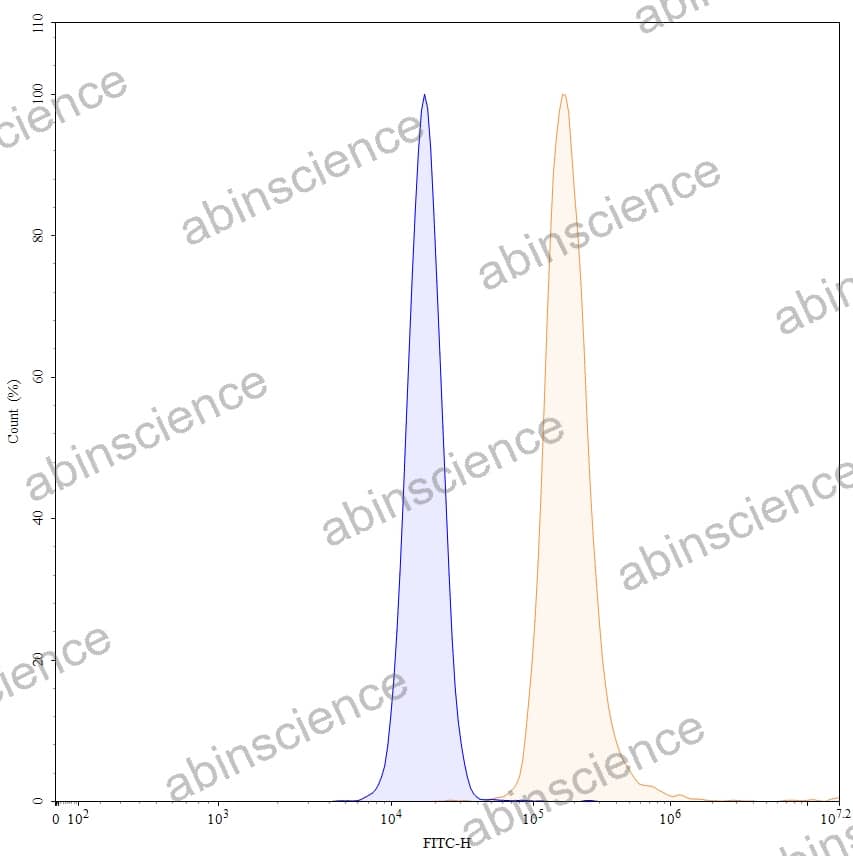
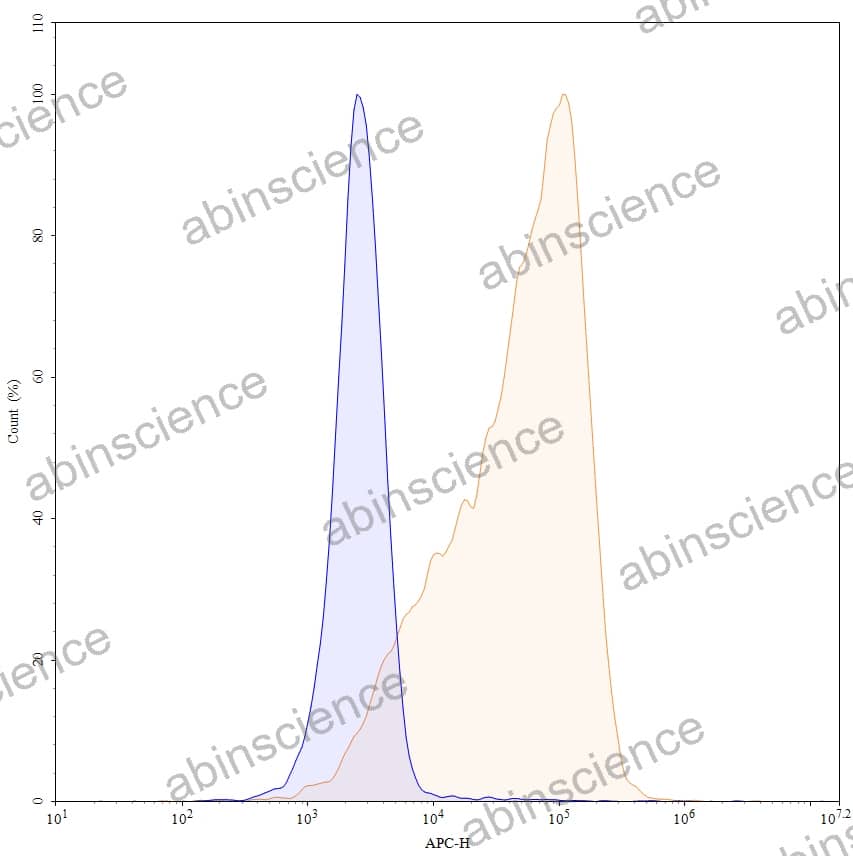
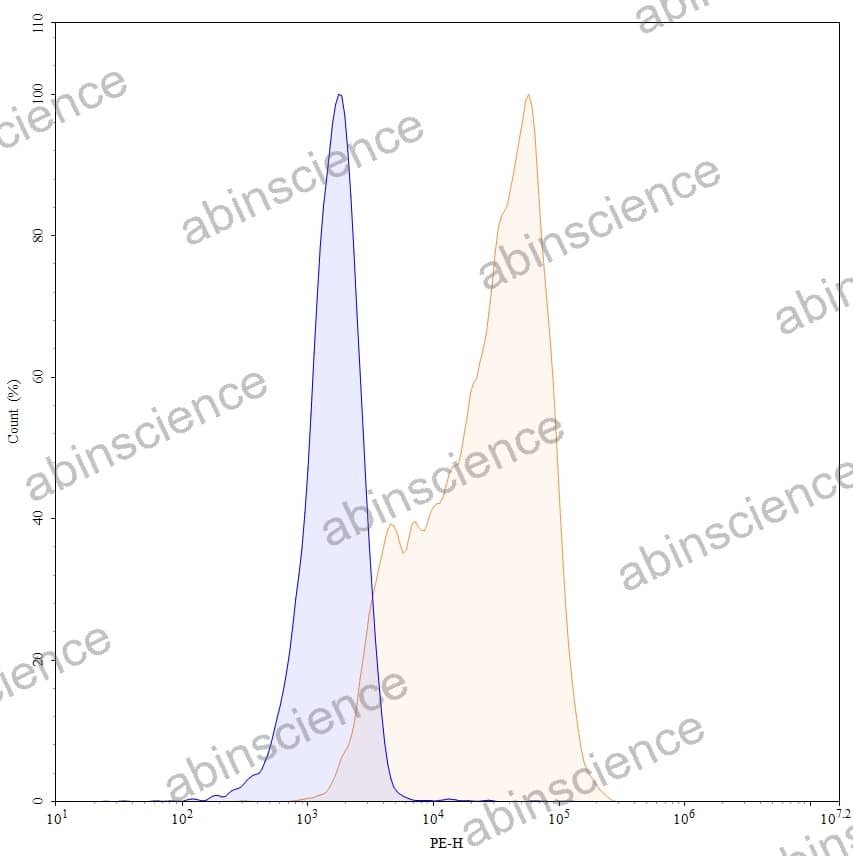
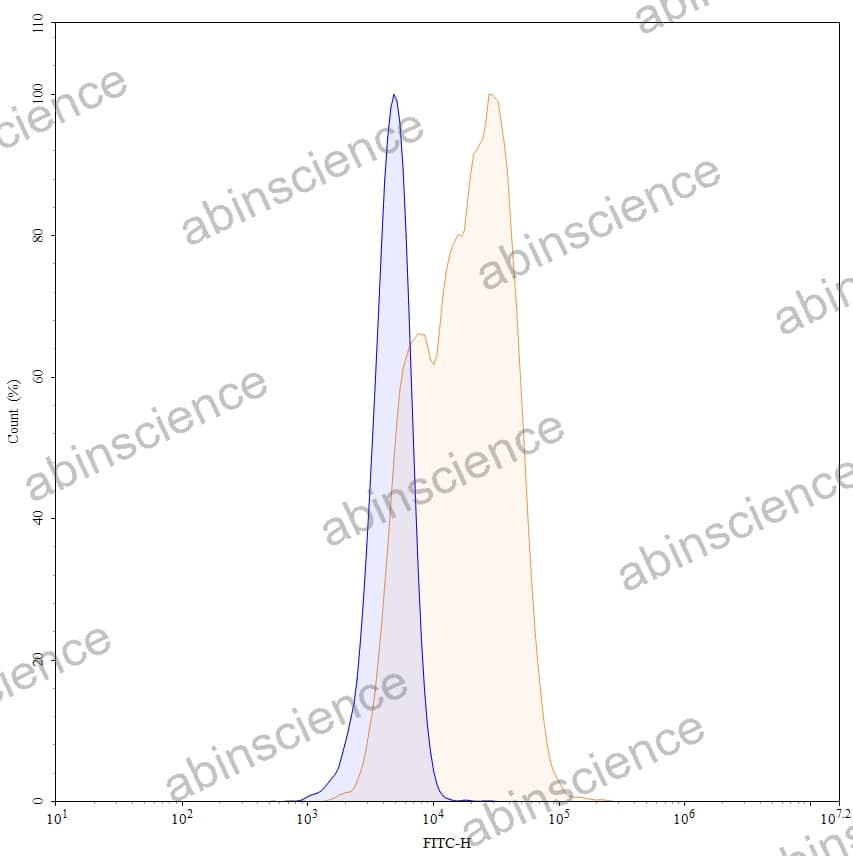
HLA-B27 — HLA-B27 is the strongest genetic risk factor for ankylosing spondylitis, present in >90% of AS patients. HLA-B27 misfolding in the endoplasmic reticulum triggers the unfolded protein response (UPR) and IL-23 production; free heavy chain homodimers on the cell surface activate NK and innate immune cells. Anti-HLA-B*27 recombinant antibody (clone H4H2) with fluorescent conjugates (FITC, PE, APC, PerCP) supports flow cytometric HLA-B27 typing, homodimer detection, and UPR/misfolding research.
→ Browse HLA-B27 antibodies
IL-17A — IL-17A is the central effector cytokine in AS, produced by entheseal-resident ILC3 and γδ T cells rather than classical Th17 cells. Anti-IL-17A biologics (secukinumab, ixekizumab) have demonstrated significant efficacy in AS clinical trials. abinScience offers ADA toolkits for both: reference antibodies, drug-level ELISA kits, anti-drug antibodies (neutralizing and non-neutralizing clones), and neutralizing antibody ELISA kits for immunogenicity monitoring.
→ Browse IL-17A antibodies, proteins & ELISA kits
TNF-α — TNF-α drives sacroiliac and spinal inflammation and remains the most widely used biologic target in AS. Anti-TNF-α agents (adalimumab, infliximab, etanercept, golimumab, certolizumab) are recommended as first-line biologics for active AS failing NSAIDs. abinScience offers complete ADA toolkits for adalimumab and infliximab: reference antibodies, drug-level ELISA, ADA ELISA, and neutralizing antibody ELISA kits for TDM research and biosimilar development.
→ Browse TNF-α antibodies, proteins & ELISA kits
IL-23 (p19) — The IL-23/IL-17 axis is the central pathogenic pathway in AS, with IL-23 driving innate immune cell activation at entheseal sites. Although anti-IL-23 p19 monotherapy has shown mixed results in AS clinical trials (unlike its success in psoriasis), IL-23 remains a critical upstream research target for understanding the divergent biology of entheseal vs dermal IL-17 production. Anti-IL-23 p19 reference antibodies (guselkumab, risankizumab, tildrakizumab, mirikizumab, brazikumab) are available for pathway dissection studies.
→ Browse IL-23 antibodies, proteins & ELISA kits


 中文
中文 English
 한국어
한국어 日本語
日本語 Español
 Français
 Русский