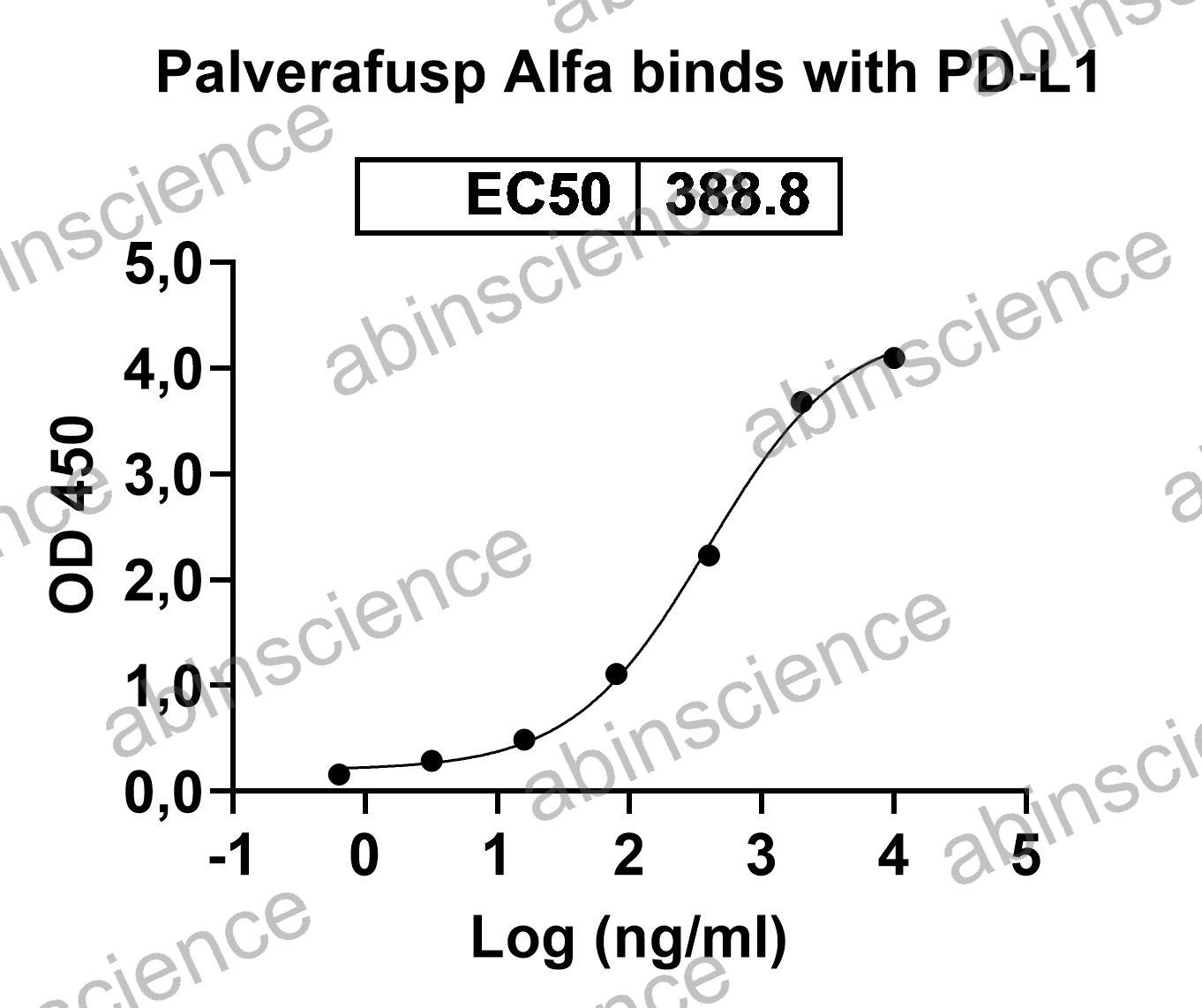
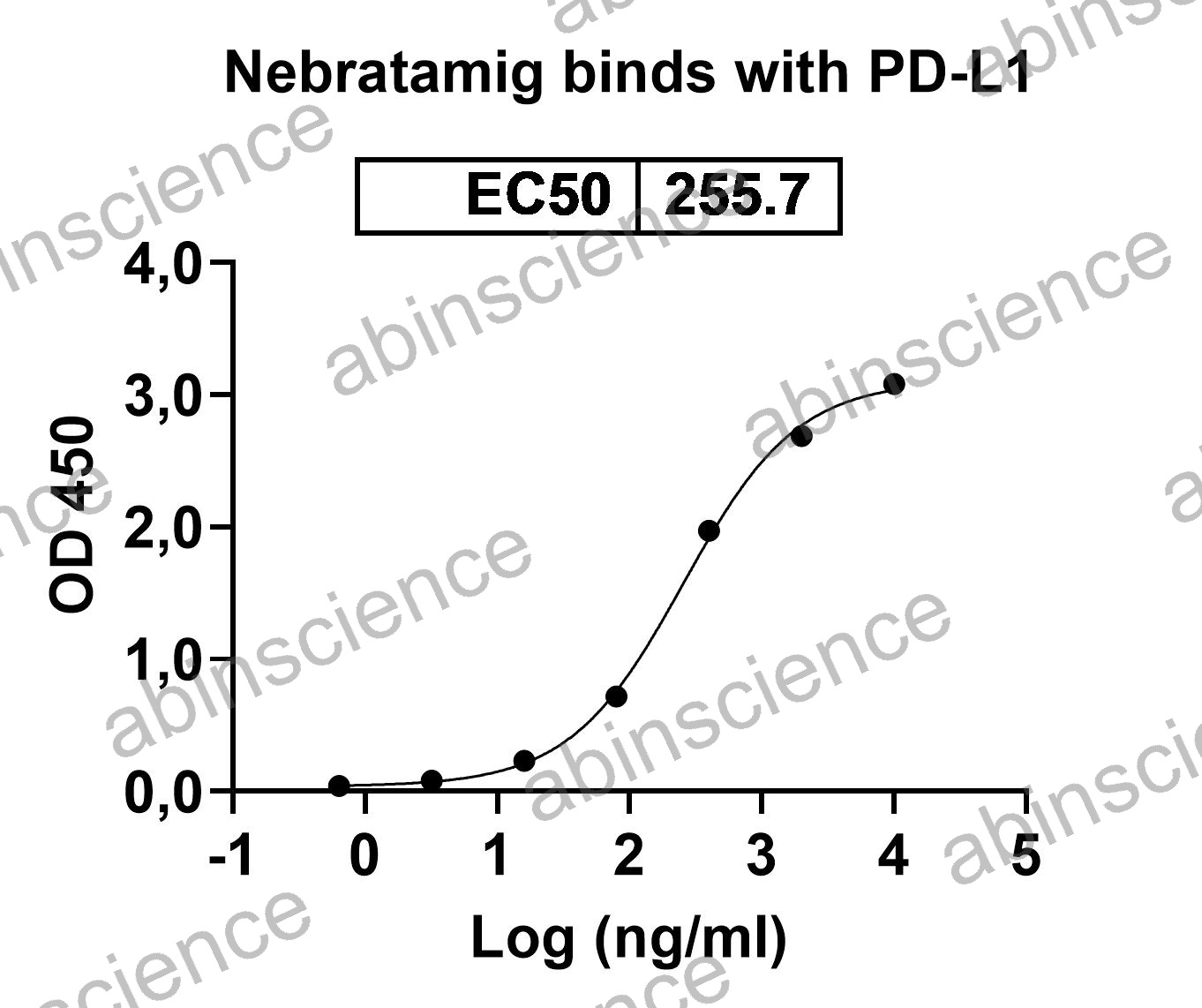
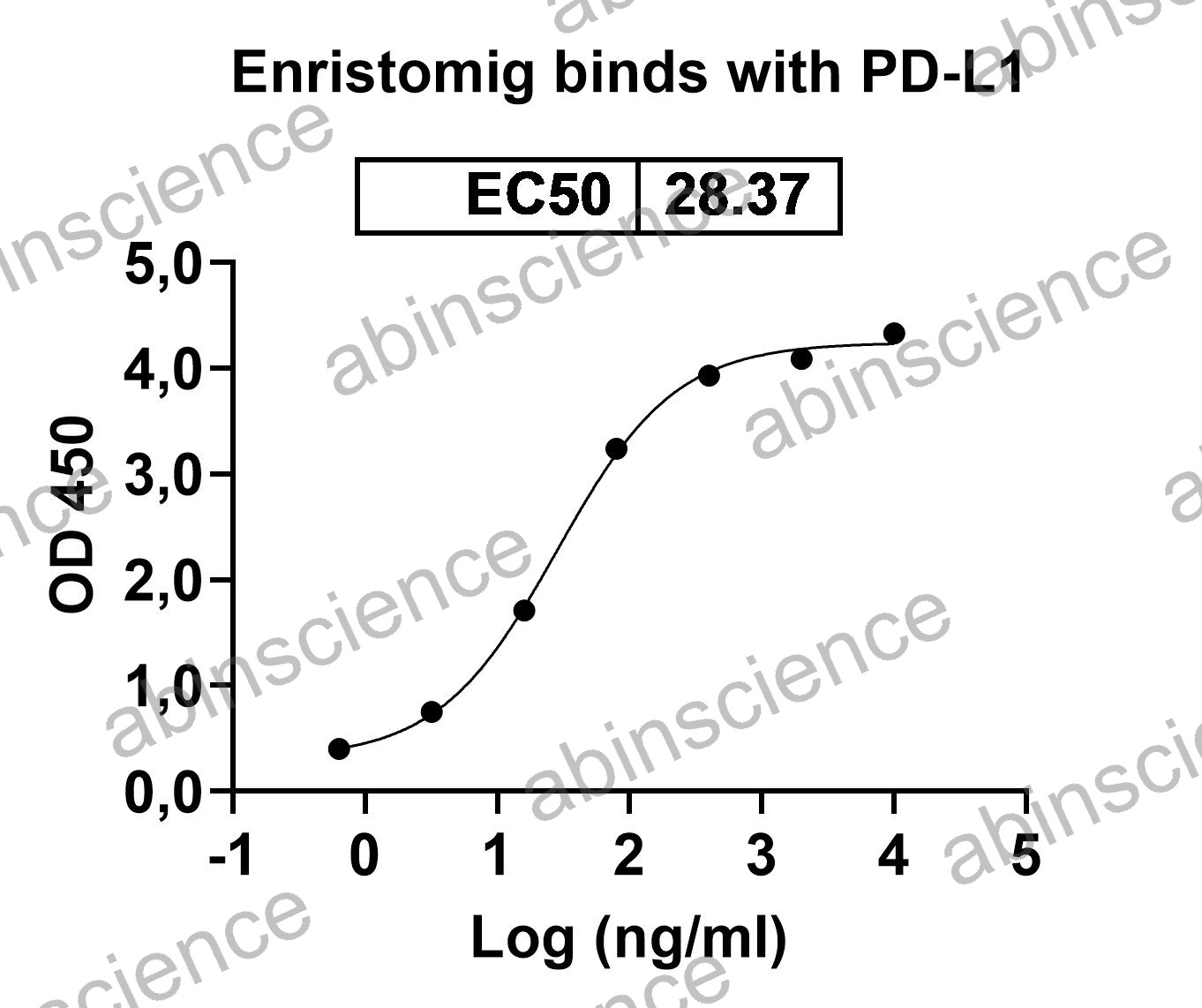
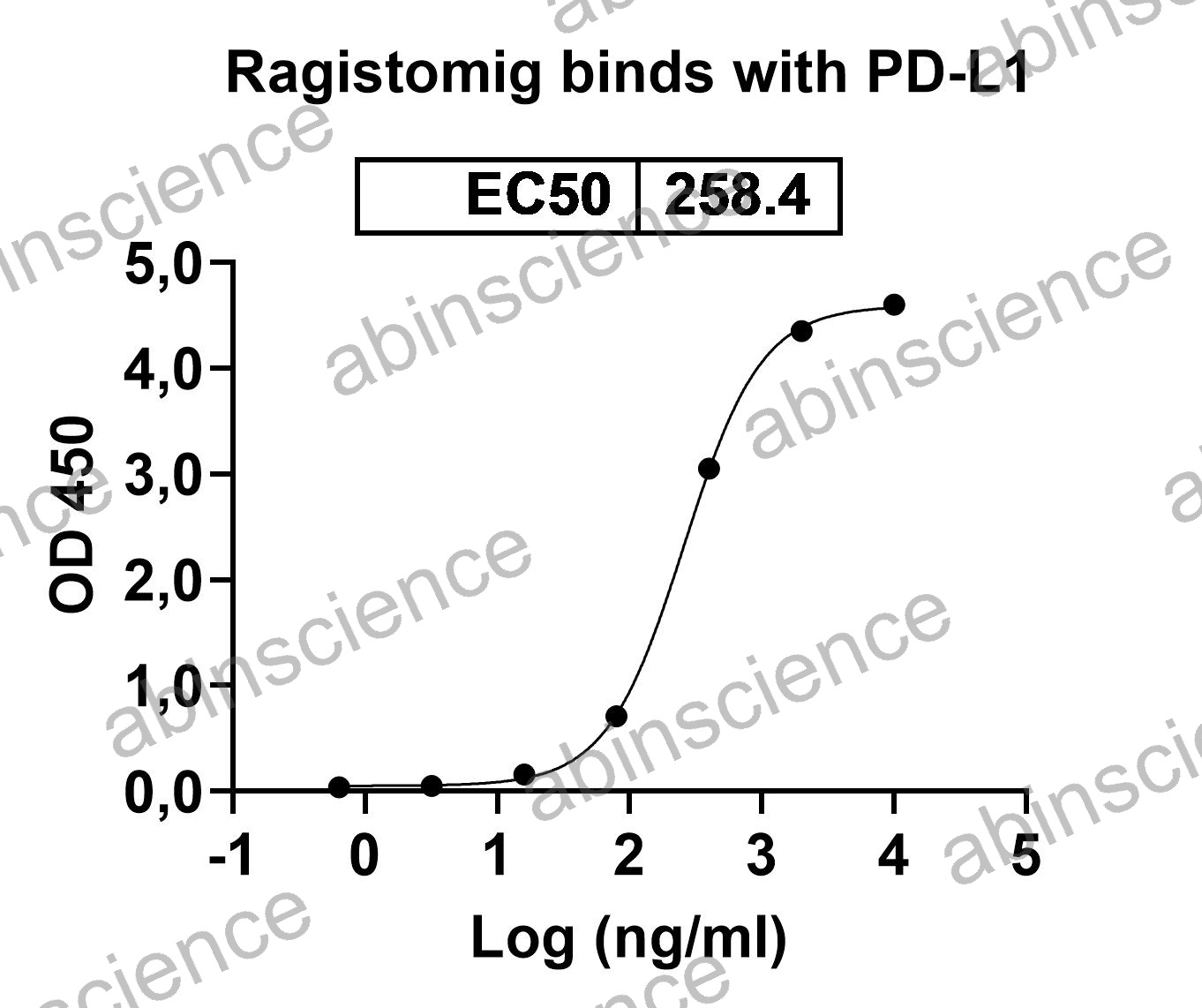
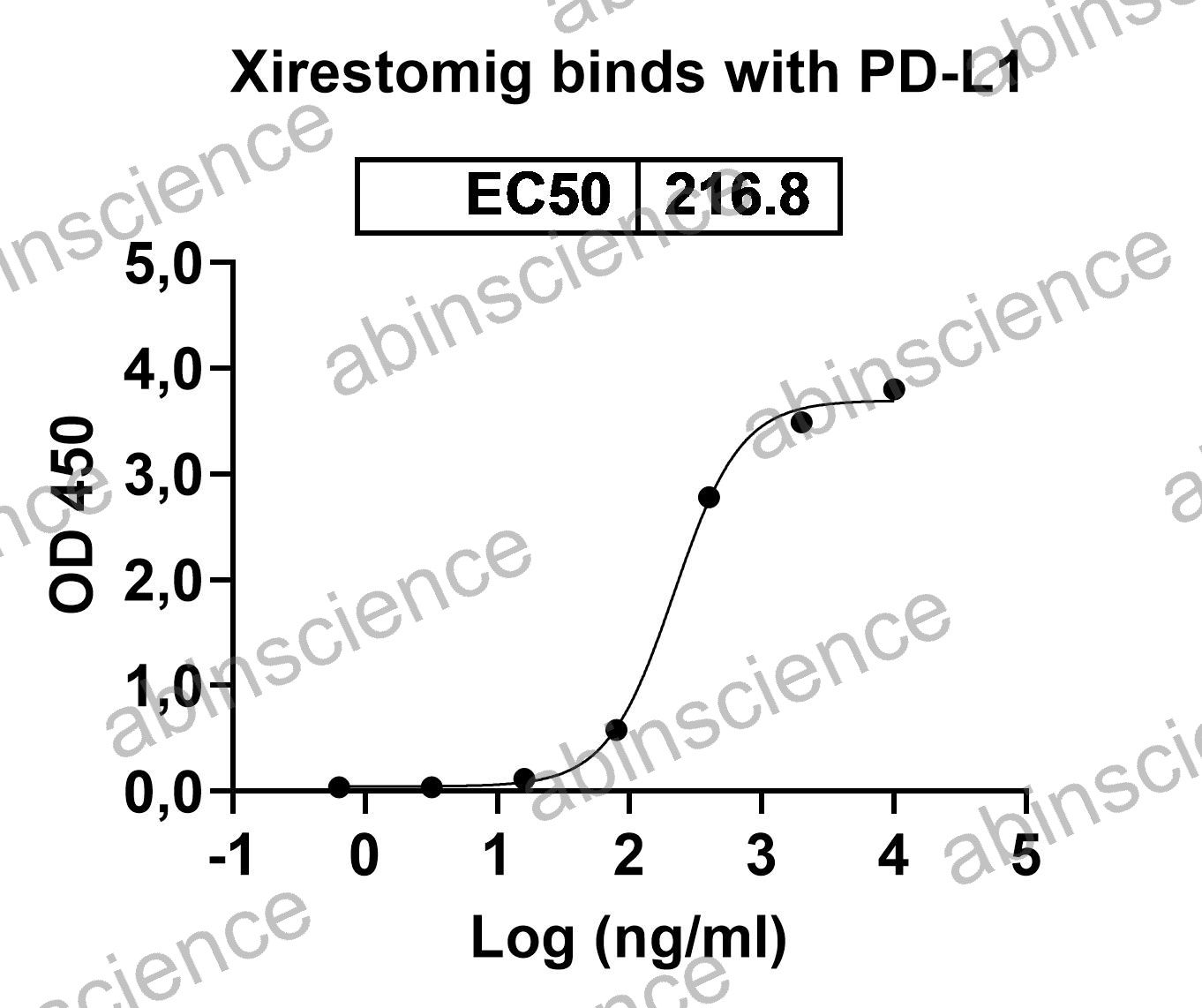
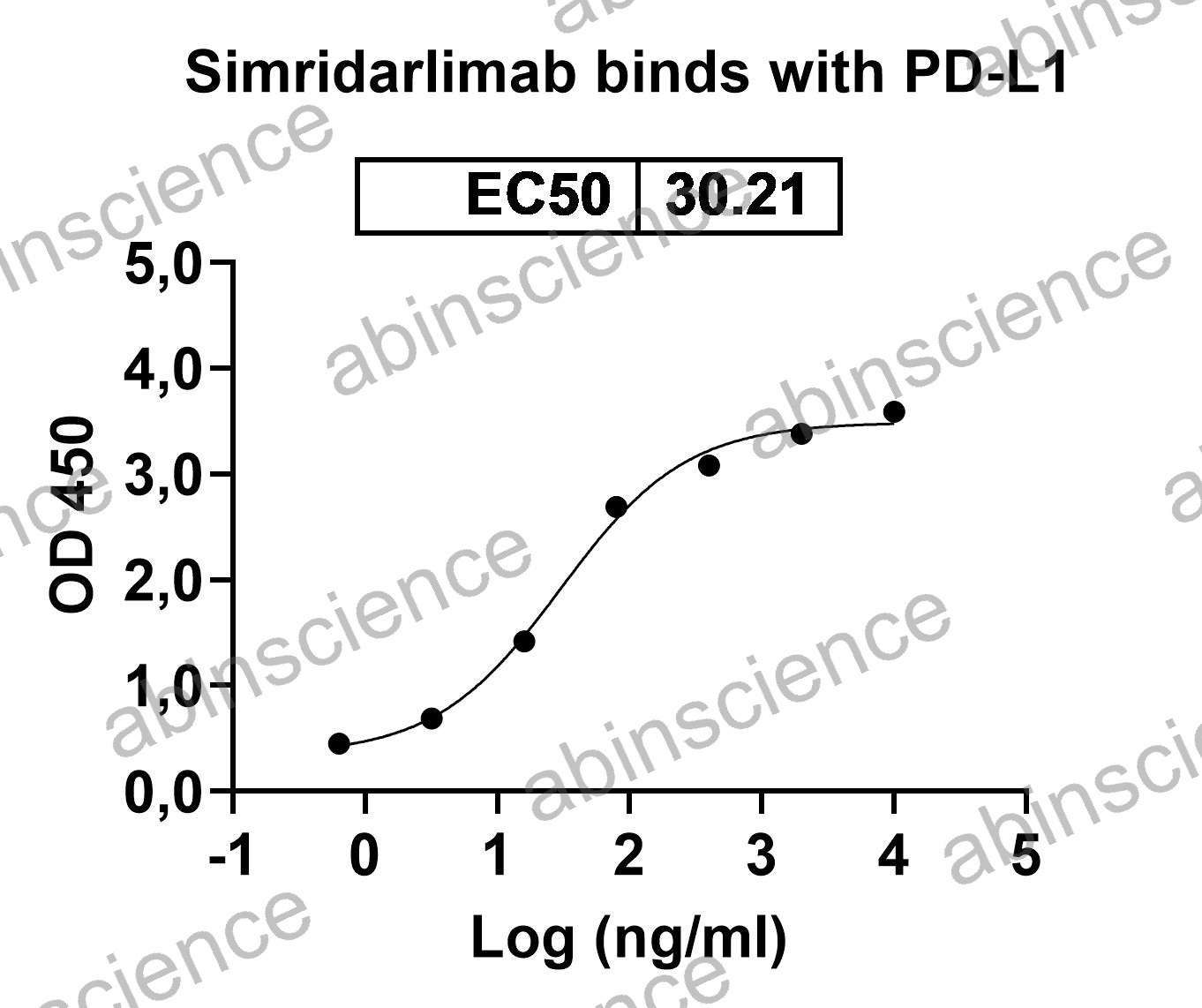
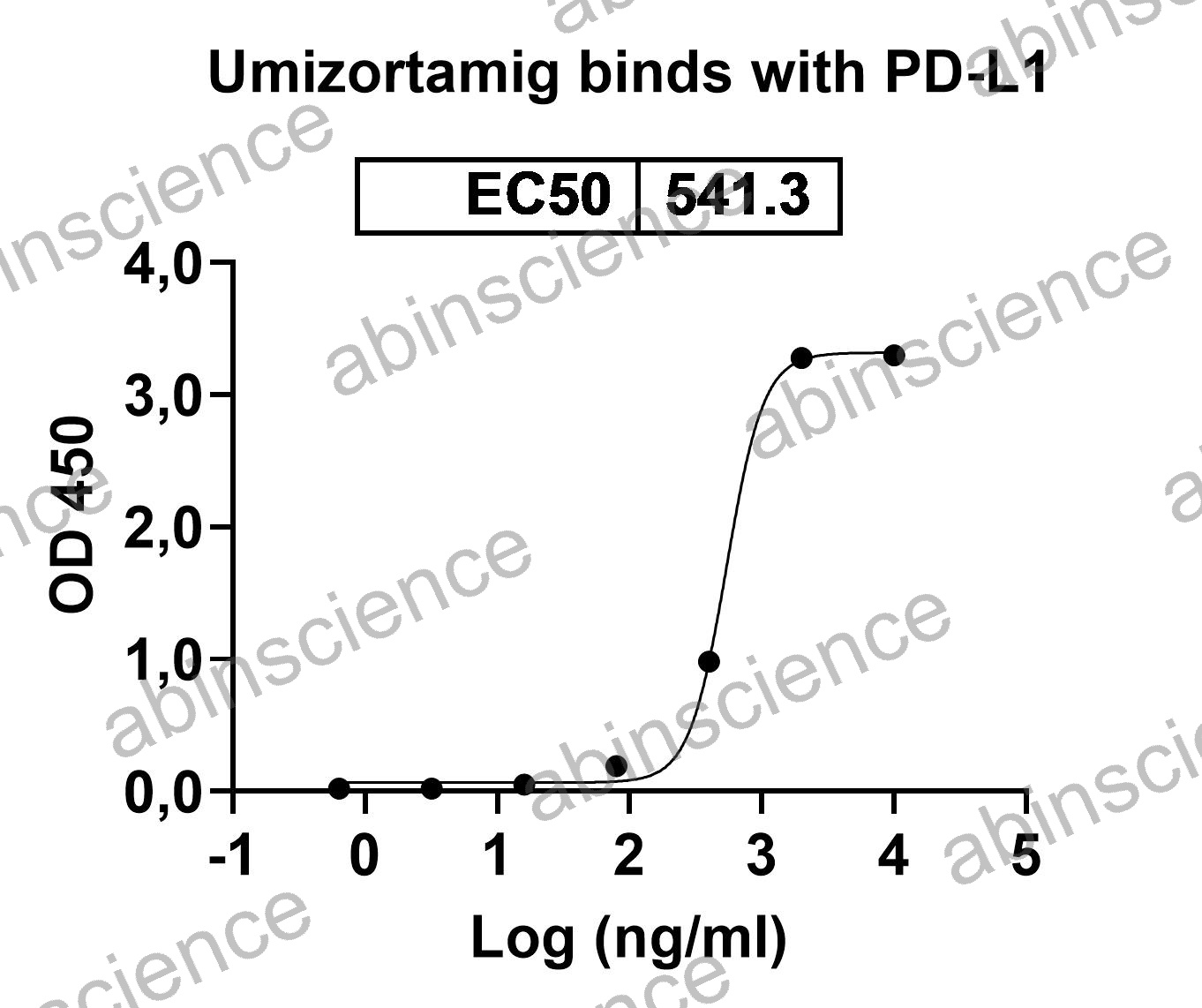
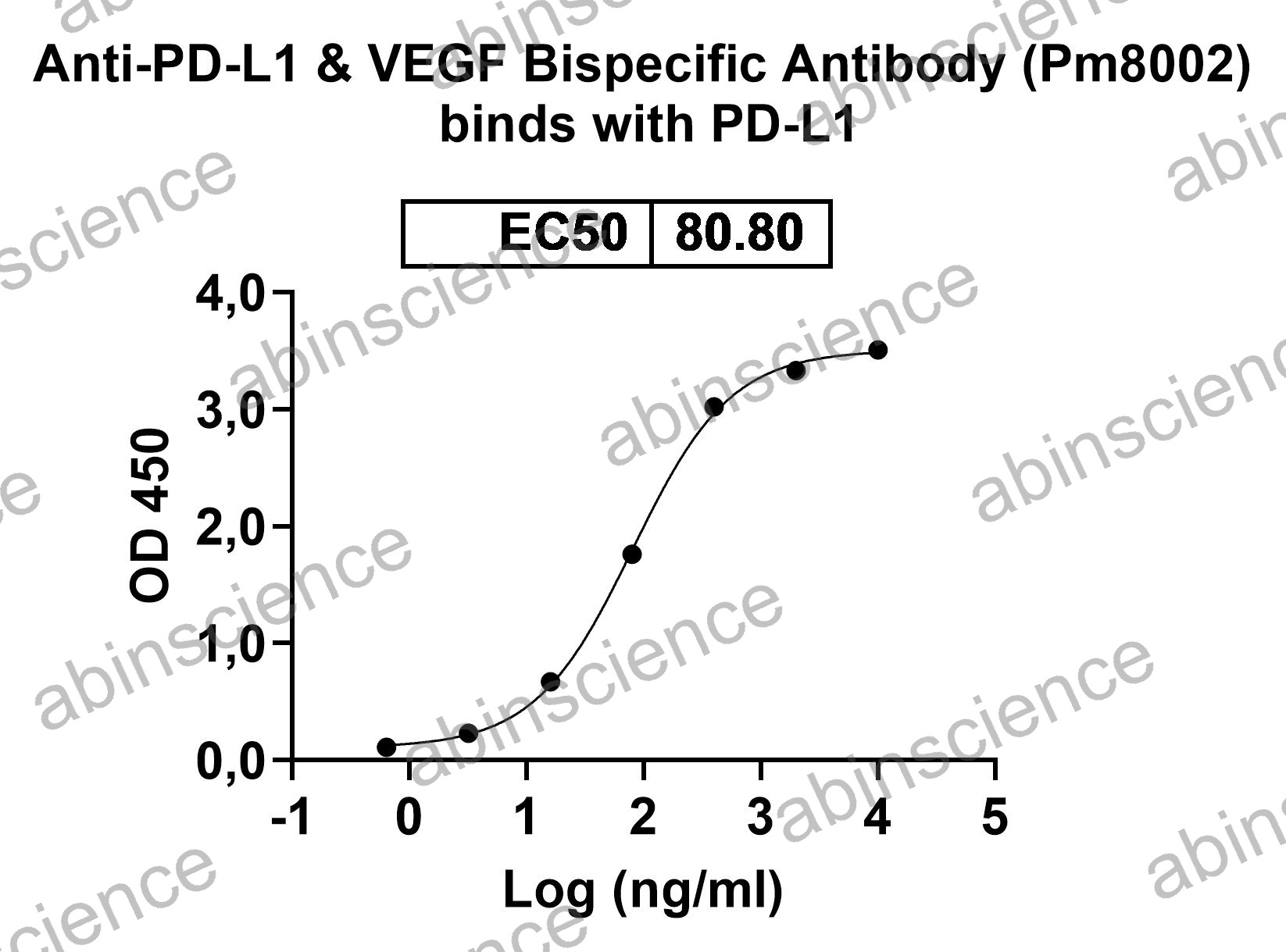
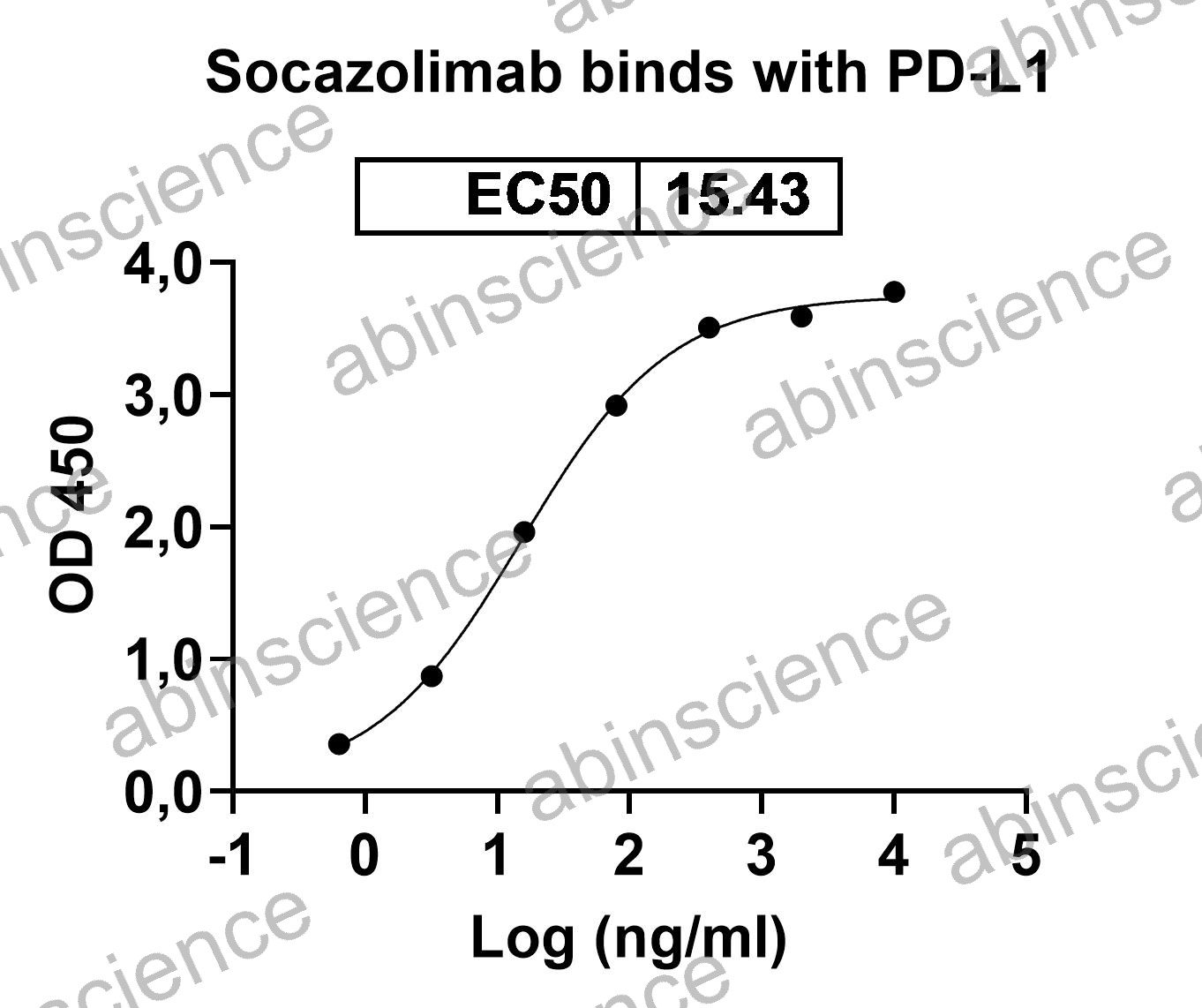
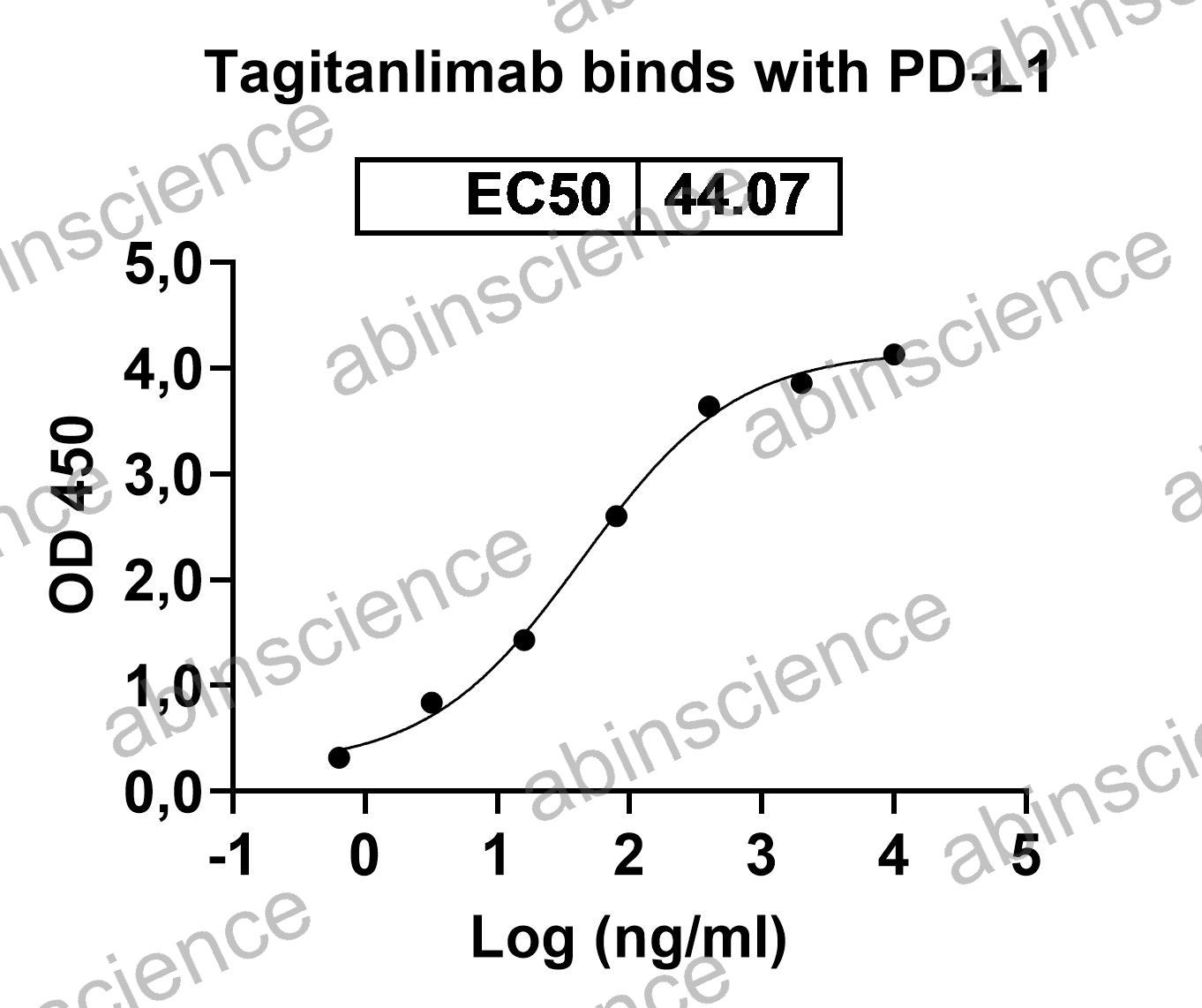
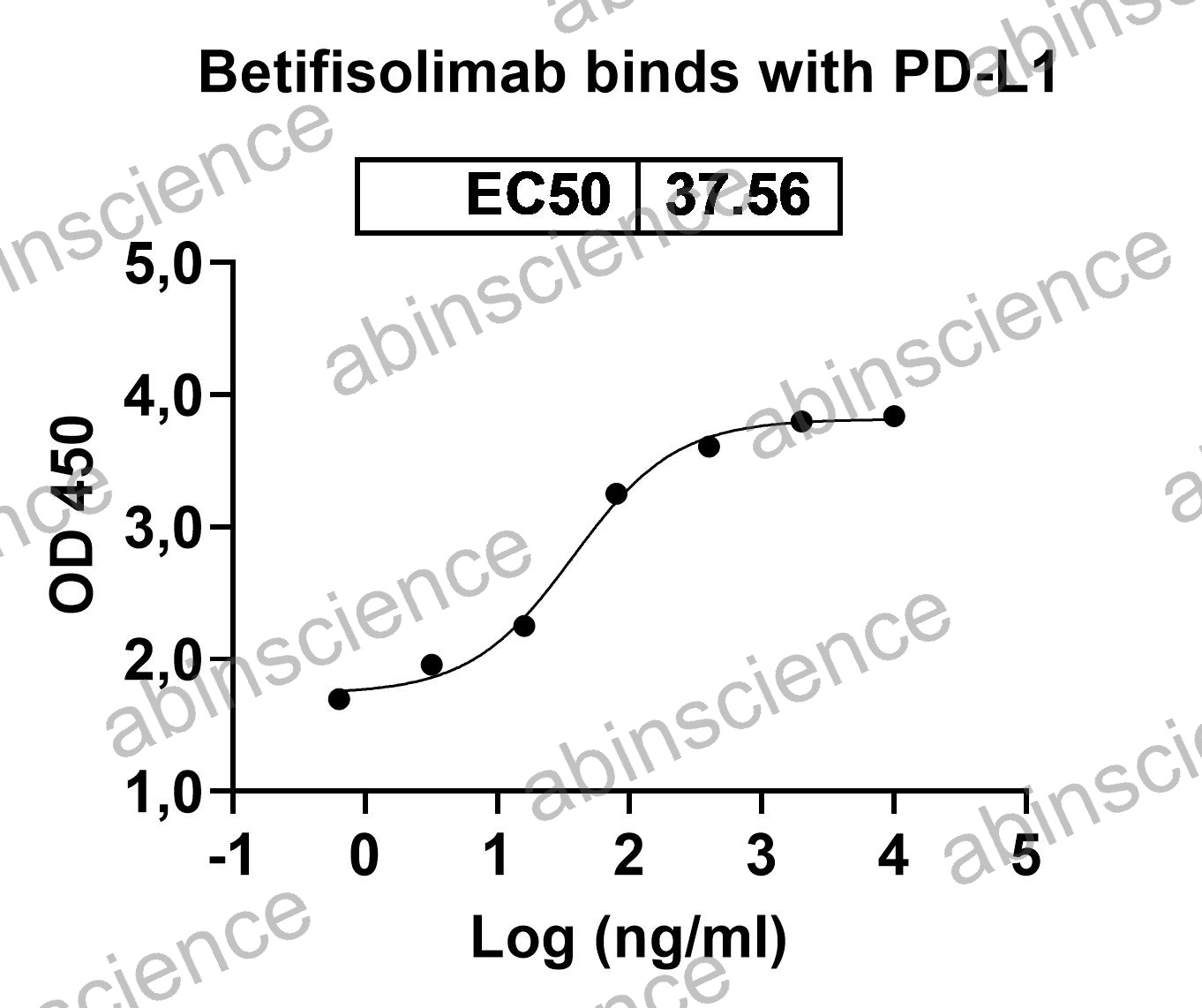
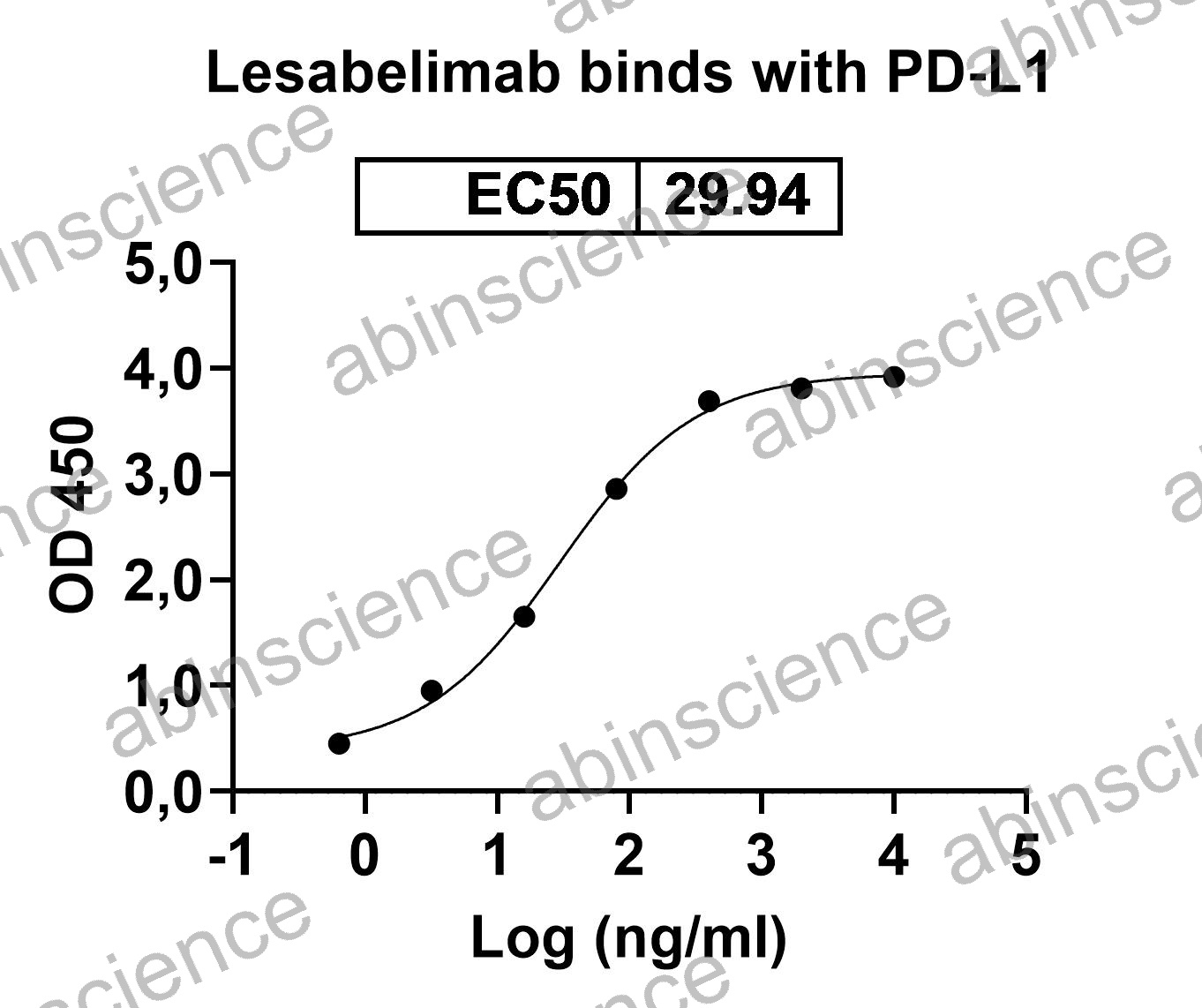
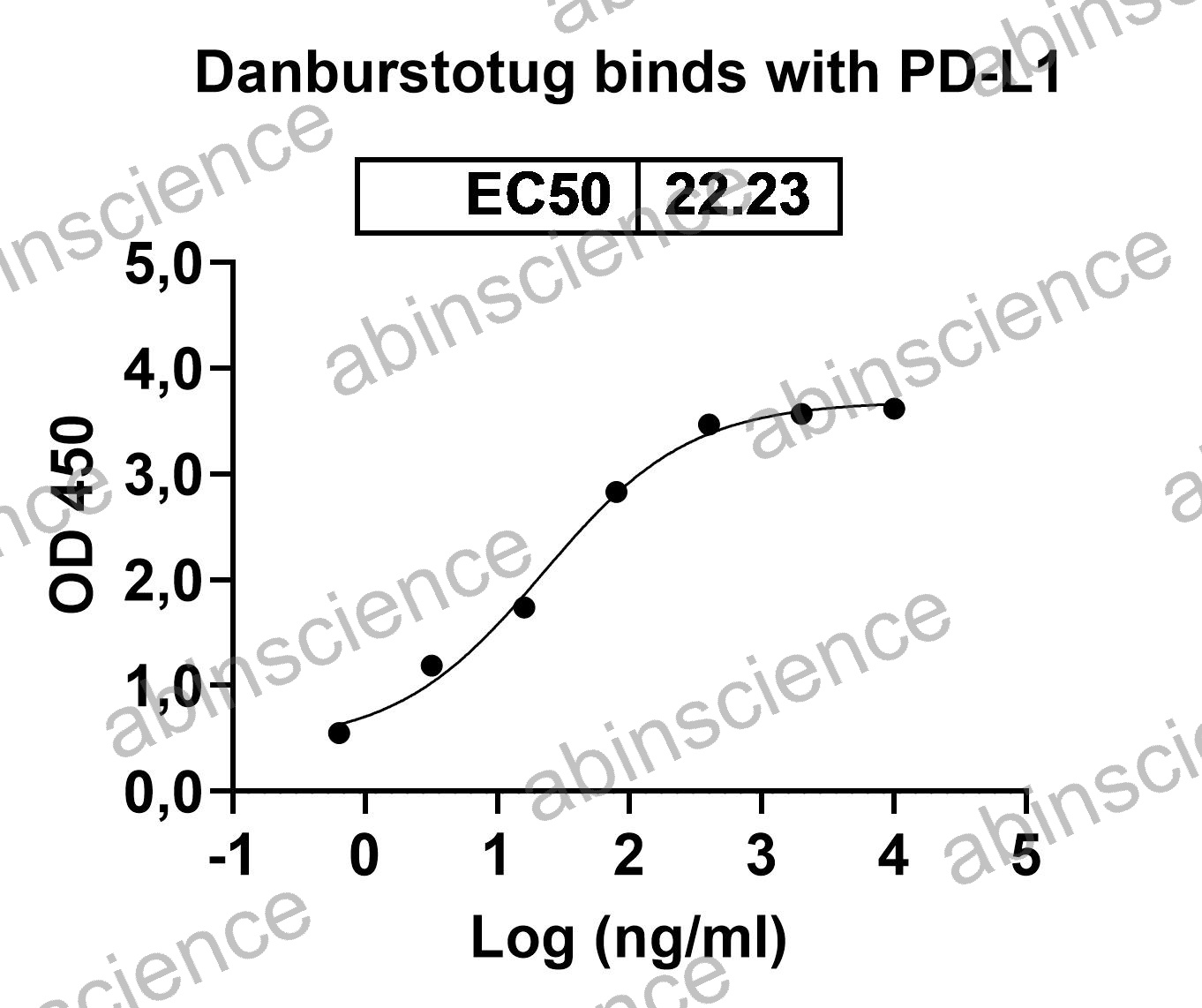
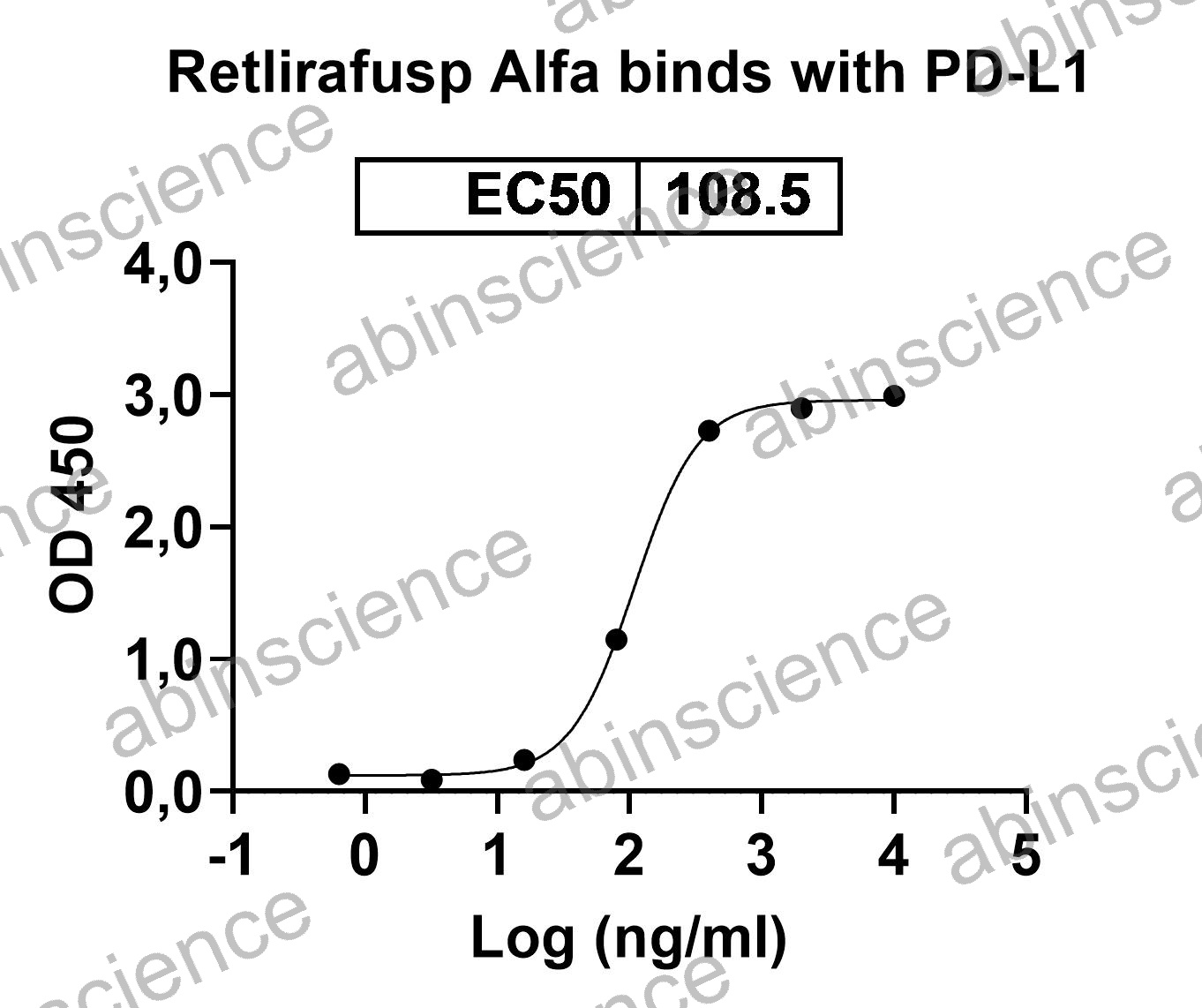
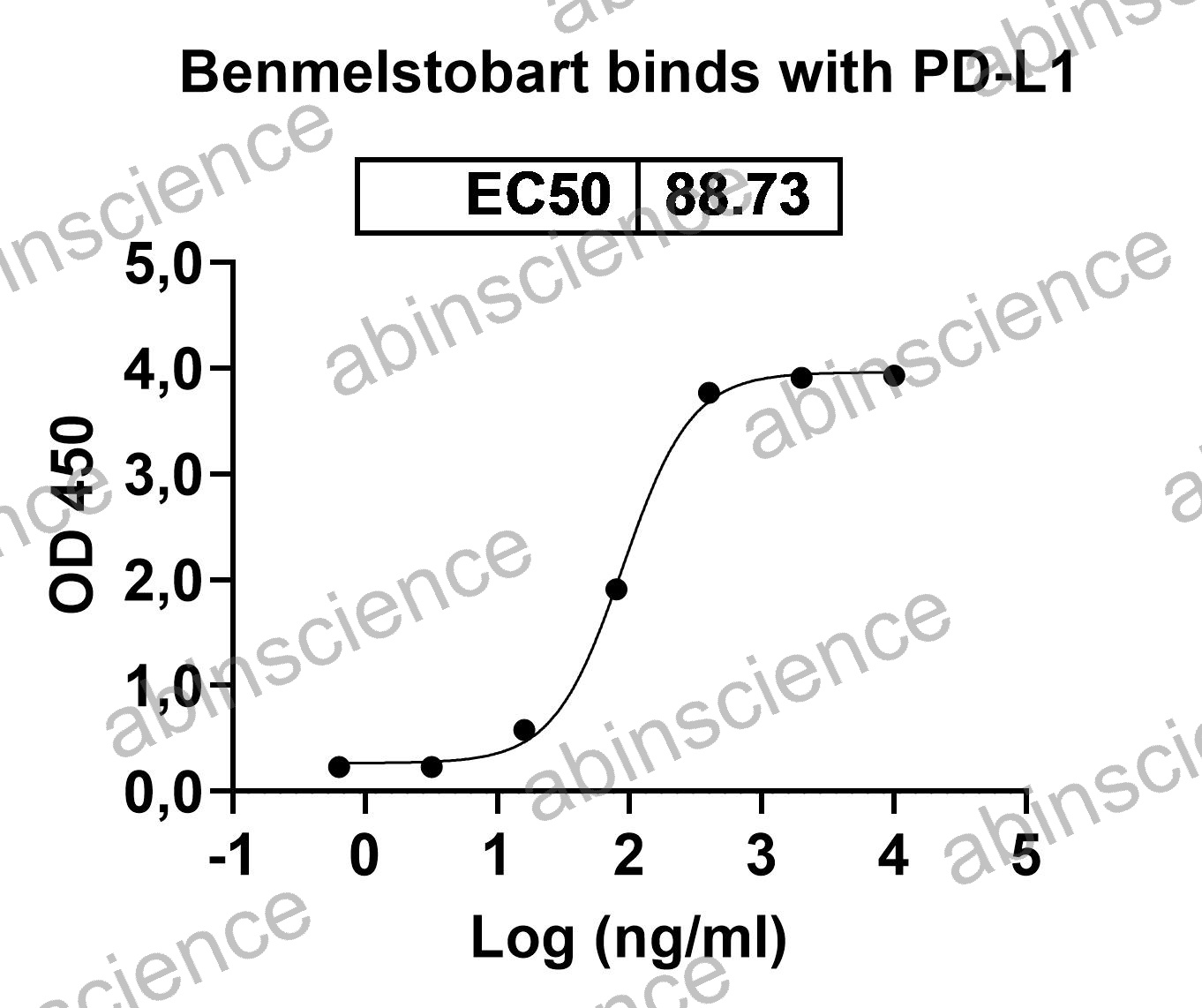
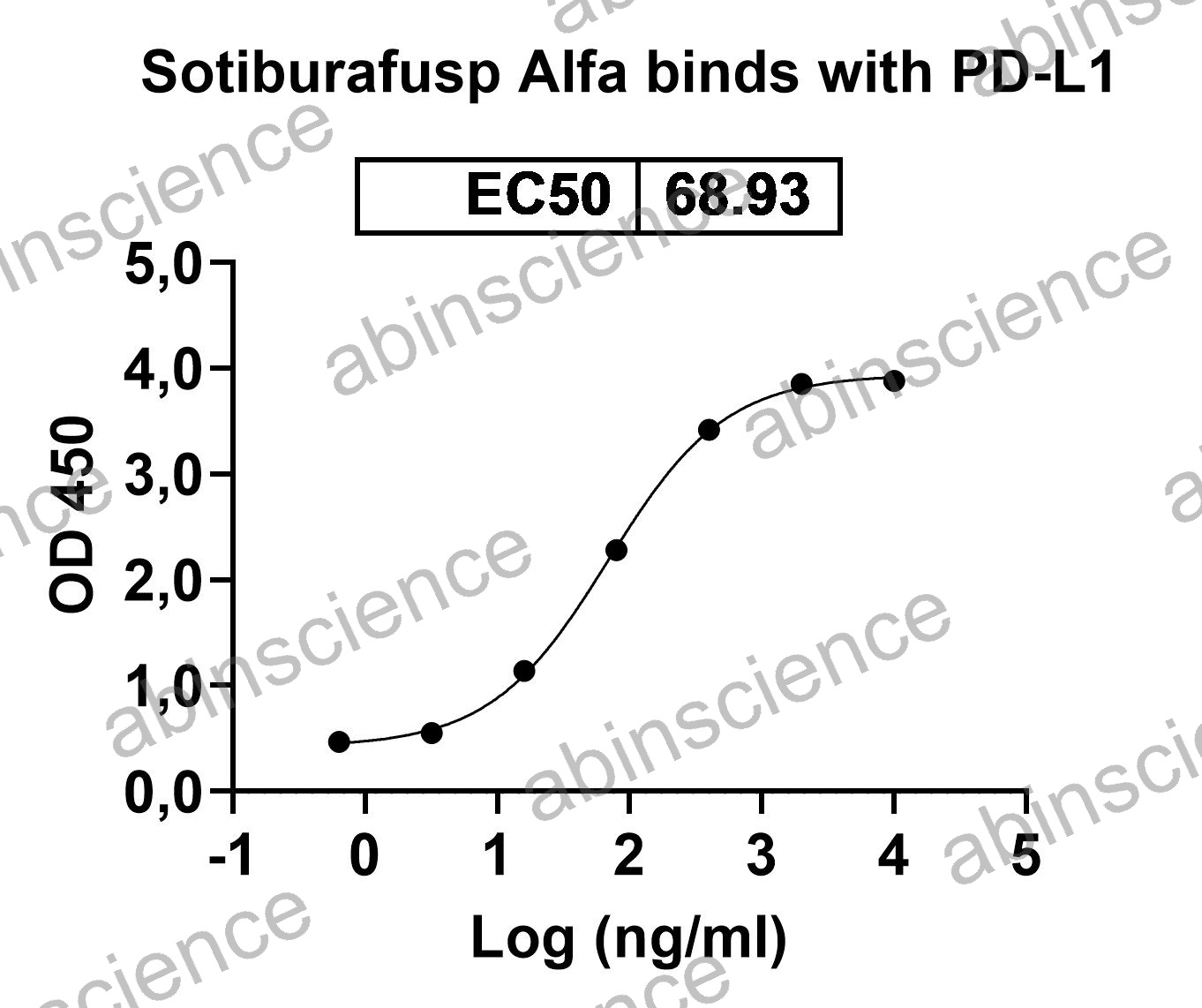
PD-L1 (Programmed Death-Ligand 1 / CD274 / B7-H1) is a transmembrane ligand expressed on tumor cells, antigen-presenting cells, and stromal cells that engages the inhibitory receptor PD-1 on T cells to suppress anti-tumor immunity. PD-L1 is also a validated companion diagnostic biomarker — tumor PD-L1 expression (measured by IHC) guides treatment decisions for multiple anti-PD-1/PD-L1 therapies. Approved anti-PD-L1 antibodies include Atezolizumab (Tecentriq), Durvalumab (Imfinzi), and Avelumab (Bavencio). abinScience offers recombinant PD-L1 proteins, anti-PD-L1 antibodies, biosimilar reference standards, and ELISA kits.
PD-L1 Biology and Clinical Significance
PD-L1 is a ~40 kDa type I transmembrane protein belonging to the B7 family. It is constitutively expressed at low levels on many cell types but is upregulated on tumor cells by oncogenic signaling (EGFR, ALK, MYC) and by IFN-γ released from tumor-infiltrating T cells — a process called adaptive immune resistance. PD-L1 binds two receptors: PD-1 (CD279) on T cells, delivering an inhibitory signal, and CD80 (B7-1) on T cells and APCs, providing an additional co-inhibitory interaction.
This dual receptor engagement distinguishes PD-L1 from PD-L2 (the other PD-1 ligand, which binds only PD-1). Anti-PD-L1 antibodies block both PD-L1/PD-1 and PD-L1/CD80 interactions, while anti-PD-1 antibodies block only the PD-1 side. This mechanistic difference, combined with differences in Fc-mediated effector functions (Atezolizumab and Durvalumab are engineered Fc-silent; Avelumab retains ADCC activity), underlies the distinct clinical profiles of anti-PD-L1 vs anti-PD-1 therapies.
Key Research Applications
Anti-PD-L1 Antibody Development Recombinant PD-L1 proteins (His, Fc, Avi, biotinylated) for therapeutic antibody screening, affinity measurement by SPR/BLI, and epitope mapping. Human, mouse, and cynomolgus PD-L1 available for cross-species evaluation.
PD-L1/PD-1 Blocking Bioassays Recombinant PD-L1 and PD-1 proteins for competitive ELISA and cell-based reporter assays. PD-L1-expressing stable cell lines for co-culture blocking assays measuring T-cell activation rescue.
PD-L1 IHC & Companion Diagnostics Anti-PD-L1 antibodies validated for IHC on FFPE tissue. PD-L1 expression scoring (TPS, CPS) is used clinically to select patients for checkpoint inhibitor therapy in NSCLC, urothelial, and other tumor types.
Biosimilar & PK/ADA Assays Research-grade Atezolizumab and Durvalumab biosimilars for analytical comparability. Anti-PD-L1 antibody pairs and calibrator proteins for PK and anti-drug antibody ELISA development.
PD-L1 Product Selection Guide
| Application |
Recommended Product |
Format |
| SPR/BLI binding kinetics |
Recombinant PD-L1 protein |
Avi-tagged or biotinylated |
| PD-L1/PD-1 blocking assay |
PD-L1-Fc + PD-1 protein |
Fc-chimera |
| IHC (FFPE tissue) |
Anti-PD-L1 monoclonal antibody |
Unconjugated, IHC-validated |
| Flow cytometry |
Anti-PD-L1 antibody |
PE, APC, or BV421 conjugated |
| Soluble PD-L1 quantification |
PD-L1 ELISA kit |
Ready-to-use sandwich ELISA |
| PK/ADA ELISA |
Anti-idiotype pair + PD-L1 calibrator |
Capture/detection pair |
| Analytical comparability |
Atezolizumab or Durvalumab biosimilar |
Research-grade RUO |
PD-L1 FAQs
What is the difference between anti-PD-L1 and anti-PD-1 antibodies?
Anti-PD-L1 antibodies (Atezolizumab, Durvalumab, Avelumab) block PD-L1 from binding both PD-1 and CD80 (B7-1), disrupting two inhibitory interactions simultaneously. They leave PD-1/PD-L2 signaling intact. Anti-PD-1 antibodies (Pembrolizumab, Nivolumab) block PD-1 from interacting with both PD-L1 and PD-L2 but do not affect the PD-L1/CD80 interaction. Additionally, the Fc engineering differs: Atezolizumab and Durvalumab have silenced Fc effector functions to avoid depleting PD-L1-expressing immune cells, while Avelumab retains native IgG1 ADCC activity.
How is PD-L1 expression scored in IHC for companion diagnostics?
Two scoring systems are used: Tumor Proportion Score (TPS) counts the percentage of viable tumor cells with partial or complete membrane PD-L1 staining; Combined Positive Score (CPS) includes PD-L1-positive tumor cells, lymphocytes, and macrophages divided by total viable tumor cells, multiplied by 100. The choice of scoring system and positivity cutoff varies by tumor type and specific checkpoint inhibitor indication. For research-grade IHC, our anti-PD-L1 antibodies are validated on FFPE sections with recommended Tris-EDTA pH 9.0 antigen retrieval.
What is soluble PD-L1 (sPD-L1) and why measure it?
Soluble PD-L1 is a shed or cleaved form of PD-L1 found in serum and plasma. Elevated sPD-L1 levels have been associated with poor prognosis and reduced response to checkpoint immunotherapy in multiple cancer types. Our PD-L1 ELISA kit quantifies sPD-L1 in human serum, plasma, and cell culture supernatants, making it suitable for both preclinical biomarker studies and clinical sample analysis.
Which PD-L1 protein format should I use for blocking assay development?
For competitive ELISA-based blocking assays, use PD-L1-Fc chimera coated on plates paired with biotinylated PD-1 as the detection ligand. For cell-based reporter assays, PD-L1-expressing stable cell lines co-cultured with PD-1-expressing reporter cells provide a more physiologically relevant readout. For SPR/BLI kinetics of anti-PD-L1 candidates, use Avi-tagged or biotinylated PD-L1 ECD for oriented surface immobilization.
What are the differences between Atezolizumab, Durvalumab, and Avelumab biosimilars?
All three are anti-human PD-L1 antibodies but differ in isotype and Fc engineering. Atezolizumab is a humanized IgG1 with N297A mutation (Fc-silent). Durvalumab is a human IgG1 with L234F/L235E/P331S mutations (Fc-silent). Avelumab is a fully human IgG1 with wild-type Fc that retains ADCC activity, which may contribute to its anti-tumor mechanism. Our research-grade biosimilars replicate these differences and are suitable for head-to-head analytical comparability studies.
Key References
1. Sun C, et al. (2018) Regulation and function of the PD-L1 checkpoint. Immunity. 48(3):434-452. PMID: 29562194
2. Herbst RS, et al. (2014) Predictive correlates of response to the anti-PD-L1 antibody MPDL3280A in cancer patients. Nature. 515(7528):563-567. PMID: 25428504
3. Powles T, et al. (2018) Durvalumab in urothelial carcinoma. JAMA Oncol. 3(9):e172411. PMID: 28817753


 中文
 English
 한국어
 日本語
 Español
 Français
 Русский