The $1.3 Billion-a-Year Vaccine: Scientific Breakdown of Foot-and-Mouth Disease Virus and Control Breakthroughs
Recently, a novel foot-and-mouth disease (FMD) virus-like particle (VLP) vaccine developed through a collaboration led by Diamond Light Source has attracted worldwide attention. According to a CSIL impact report, if this vaccine achieves just 20% market penetration in endemic countries, it could generate approximately $1.3 billion in annual net benefits and prevent around $11 billion in economic losses over ten years. This breakthrough has once again brought FMD—a devastating infectious disease threatening 77% of the global livestock population—into the spotlight. As a representative pathogen in the genus Aphthovirus of the family Picornaviridae, foot-and-mouth disease virus (FMDV) remains a central focus in veterinary virology and vaccine development due to its molecular features, pathogenesis, and persistent control challenges.
FMDV Molecular Structure
FMDV particles are icosahedral, about 25–30 nm in diameter, with a core consisting of a single-stranded positive-sense RNA genome approximately 8.5 kb in length. This genome encodes three major precursor polyproteins: P1, P2, and P3. The P1 precursor is cleaved by the 3C protease to produce the four structural proteins VP1–VP4, which assemble into the viral capsid. Notably, the G-H loop on the surface of VP1 serves as the primary antigenic site and the main target for neutralizing antibodies. FMDV exists in seven major serotypes (O, A, C, Asia 1, SAT 1–3) plus numerous subtypes. There is no cross-protection between serotypes, and the error-prone RNA replication process generates frequent mutations, leading to new variant strains and posing a major obstacle for conventional vaccines.
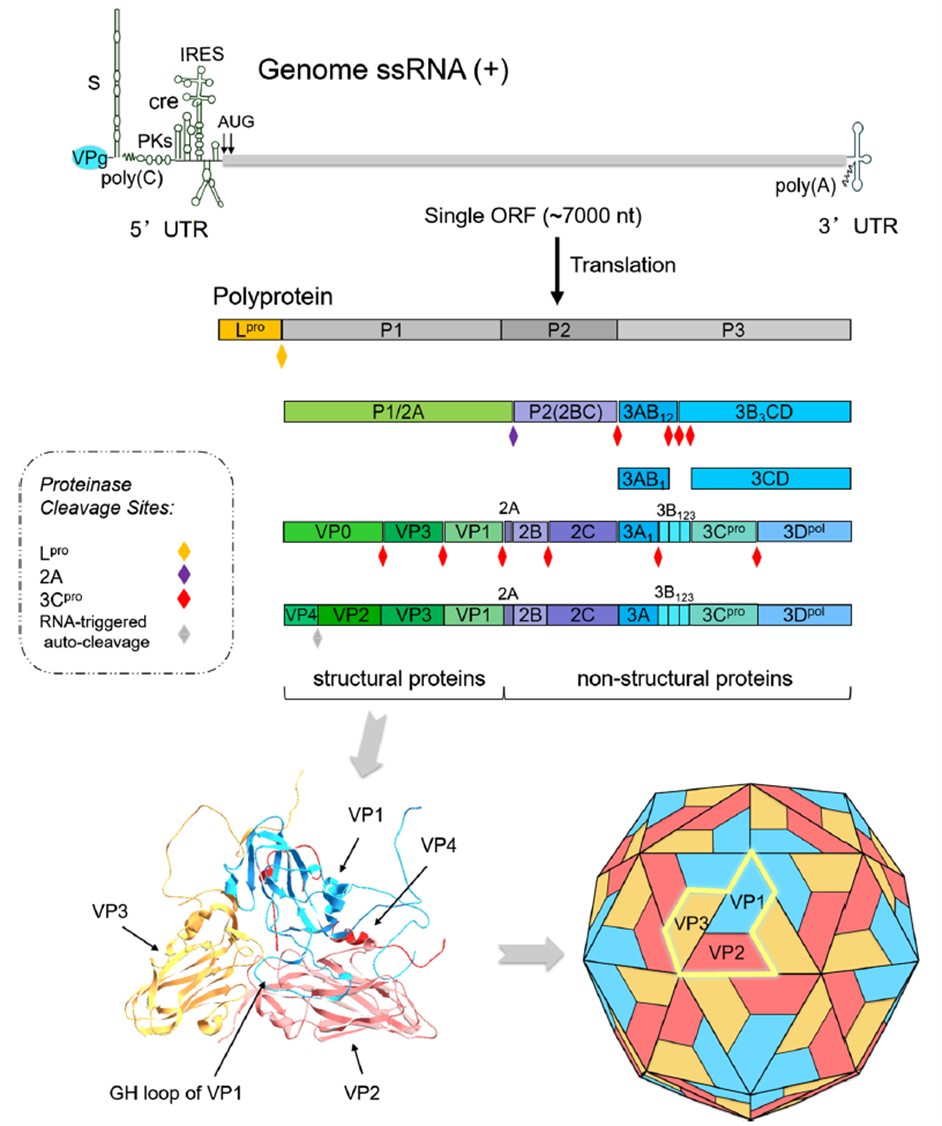

Figure 1. Foot-and-mouth disease virus (FMDV) genome, polyprotein processing, and structural protein conformation
Using X-ray crystallography and cryo-electron microscopy at the Diamond synchrotron, the research team successfully resolved the three-dimensional structure of the FMDV capsid, revealing that its stability relies on hydrophobic interactions and disulfide bonds between subunits. This insight provided a critical foundation for VLP vaccine design—specifically, introducing a cysteine mutation at position H2093 in the VP2 protein enables formation of an additional disulfide bond, dramatically improving capsid stability and overcoming the dissociation issues common in traditional VLPs.

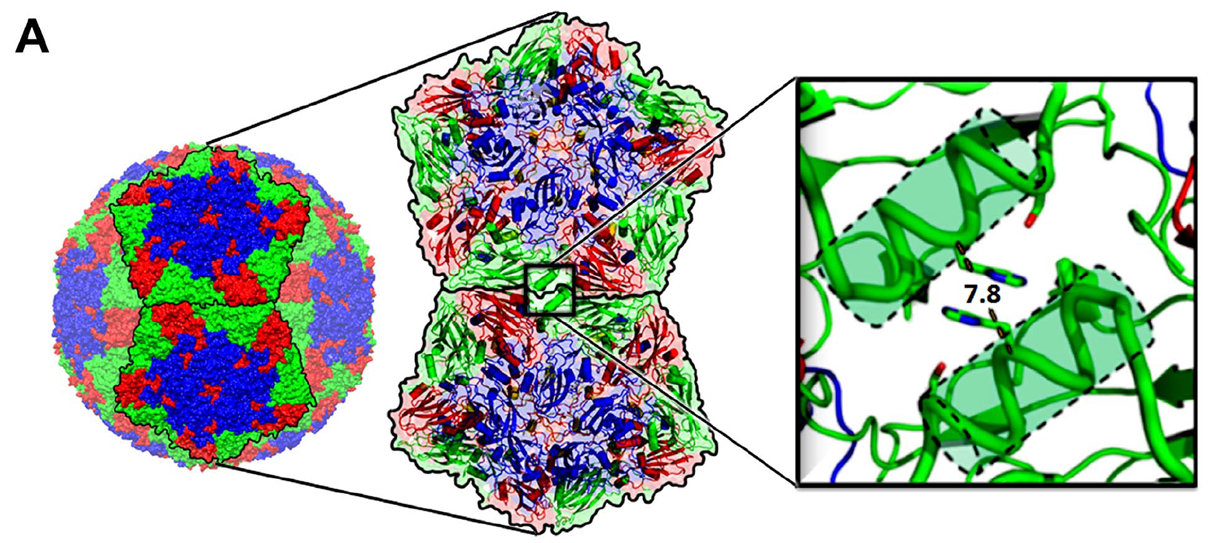
Figure 2. Rational design of stable empty capsids for FMDV serotype A22
High Infectivity and Multi-System Damage
FMDV is one of the most contagious animal viruses known, with a basic reproduction number (R₀) in cattle herds ranging from 2.52 to 14—and even unlimited spread in small experimental settings under extreme conditions. Transmission occurs primarily through direct contact, respiratory droplets, and contaminated fomites. After entering the host, the virus initially replicates in oral mucosa and hoof epithelial cells before spreading systemically via the bloodstream.
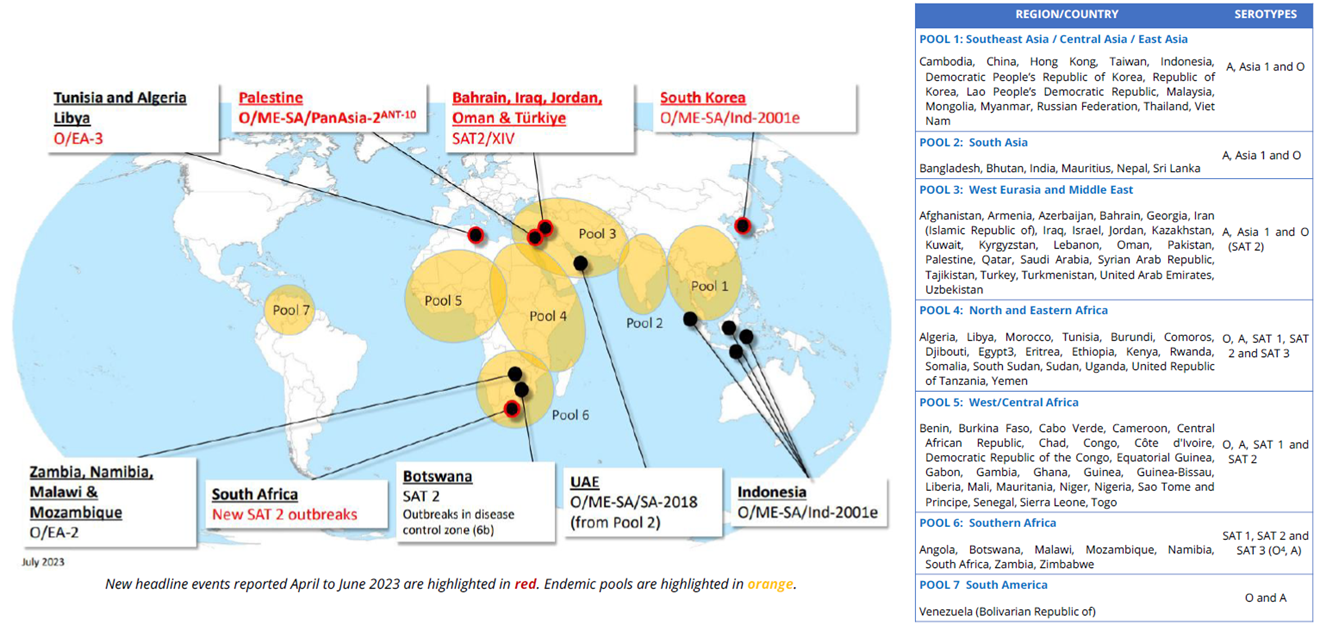

Figure 3. Geographic distribution of FMD and recent global outbreaks
During pathogenesis, the VP1 protein binds to the host cell surface receptor integrin αvβ6 to mediate viral entry. Replication causes epithelial cell necrosis and sloughing, resulting in characteristic oral vesicles and hoof erosions/ulcers. While mortality is low in adult animals, the disease causes severe production losses: milk yield in dairy cows drops 20%–80%, weight gain in fattening animals decreases 10%–25%, abortion rates in breeding stock rise to 28.8%, and draught power in working animals can be impaired for over 20 days. Even more challenging, the virus can persist in wildlife reservoirs such as African buffalo, establishing natural foci that complicate eradication efforts.
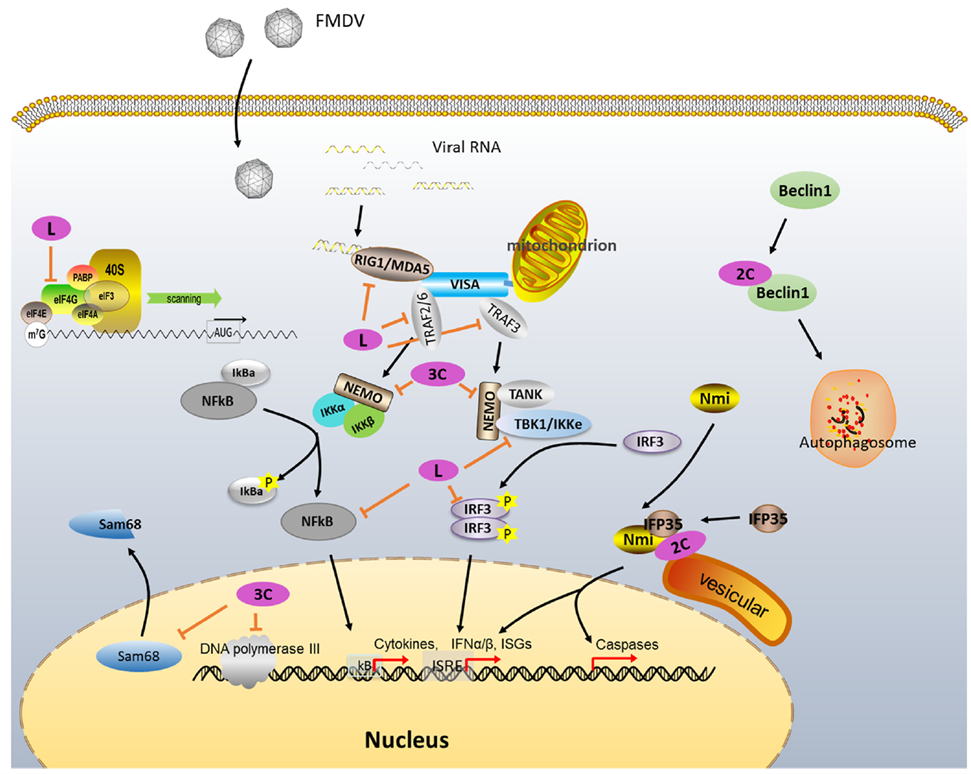

Figure 4. Known functions of FMDV non-structural proteins in cellular regulation
Current Research Progress
Diamond Light Source-supported FMD VLP vaccine project: Per the CSIL 2023 impact report (updated context in 2026), the virus-like particle (VLP) vaccine—developed collaboratively by Diamond Light Source, Pirbright Institute, University of Oxford, University of Reading, and MSD Animal Health—is now in the regulatory approval phase, with production expected to begin in the coming years. Built on prior rational engineering (including stability-enhancing mutations such as H2093C), and optimized using Diamond’s X-ray crystallography and cryo-EM capabilities, the vaccine has proven safe and effective in animal trials. It offers advantages in thermal stability, DIVA compatibility, and no need for live virus production. Diamond’s January 2026 news release highlighted that at 20% market penetration, the vaccine could deliver over $1.3 billion in annual global livestock benefits while greatly improving food security.
Other FMD VLP vaccine advances:
E. coli expression system: A 2025 Korean study reported an O-serotype FMDV VLP vaccine produced in E. coli that achieved 100% protection in mouse and pig models (at 1/10 and 1/160 doses, respectively) and is advancing toward large-scale trials and regulatory approval in target livestock species. This platform emphasizes safety and scalability.

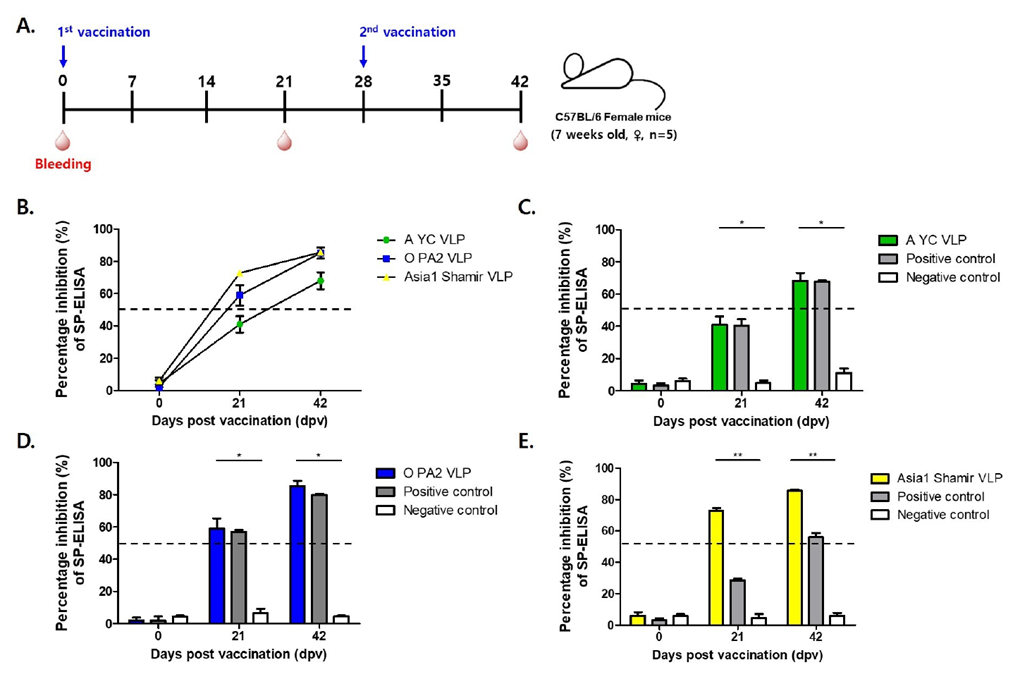
Figure 5. Immunogenicity of recombinant FMD VLP antigen in vaccinated mice
Adenovirus-vectored enhanced versions: Multiple 2025 studies developed adenovirus-expressed FMDV VLP vaccines incorporating CD154 molecular adjuvant or Fc fusion to boost immune responses and cross-neutralization in pigs. The Ad5-FMDV VLP-sFc variant elicited particularly strong humoral and cellular immunity.
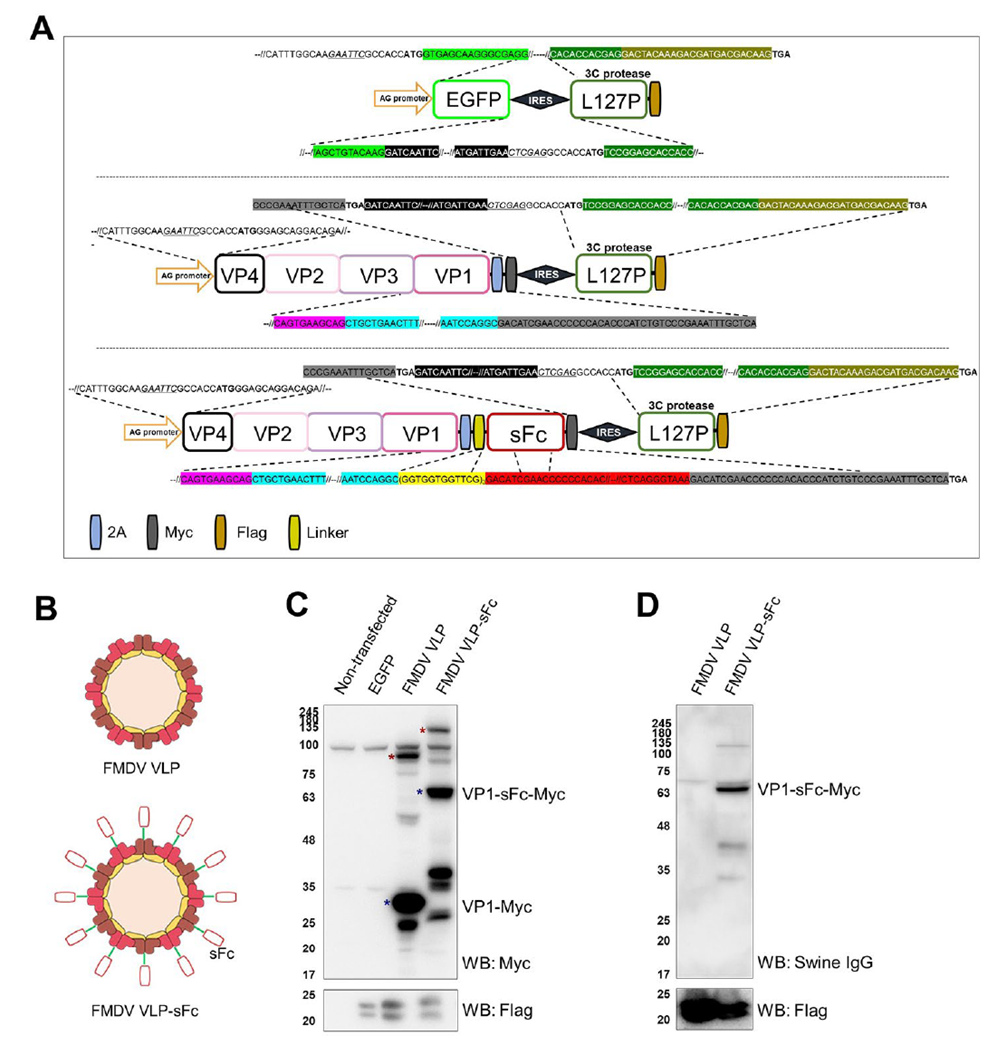

Figure 6. Confirmation of FMDV VLP expression vectors
SAT serotypes and multi-serotype optimization: A 2025 Veterinary Research review focused on VP1 epitope evolution in SAT serotypes, highlighting the potential of VLP vaccines in mouse and cattle models (e.g., SAT2 VLP achieving 4.33 PD₅₀/dose, exceeding OIE standards). Combined with structural insights (validated by cryo-EM), these findings support candidate selection and antigen optimization.
Emerging platforms: 2025 studies explored plant-based, nanoparticle, and peptide vaccines as complements, though none have yet reached regulatory approval. The overall trend is toward next-generation vaccines that are live-virus-free, thermally stable, and capable of multi-serotype coverage.
Key Research Targets in FMDV
Research on foot-and-mouth disease virus (FMDV) continues to center on core mechanisms of virus-host interactions to drive more effective vaccines, antivirals, and global control strategies. Current high-priority targets include:
VP1 protein and its epitopes: As the key structural protein for attachment and the primary immunogen, VP1’s G-H loop (containing the RGD motif) is the classic neutralizing epitope, but its high variability drives antigenic drift and vaccine mismatch. Recent work emphasizes B/T-cell epitope mapping, recombinant expression, and multivalent designs for broader protection.
Non-structural proteins (NSPs): Especially Lpro, 3Cpro, 3Dpol, and 3A, which act as central regulators of immune evasion and replication. Lpro and 3Cpro cleave host factors (e.g., eIF4G, RIG-I/MDA5) to suppress IFN pathways; 3Dpol targets STAT2 to block IFN signaling; 3A disrupts host membrane remodeling and influences host range. These are prime targets for broad-spectrum antivirals or enhanced DIVA-compatible vaccines.
Immune evasion and persistent infection mechanisms: The virus interferes with JAK-STAT, NF-κB, and IRF3 pathways to evade immune surveillance and promote carrier states (especially in cattle). Wildlife hosts (e.g., African buffalo) and virus-host determinants of virulence are key areas in cross-species transmission research.
These targets are transitioning from fundamental structural biology (e.g., Diamond synchrotron analyses) to translational applications, emphasizing multi-serotype, thermostable, live-virus-free vaccines under the “One Health” framework to address global epidemics and economic impacts.
Below are abinScience's latest recombinant proteins and antibodies for FMDV research. Catalog numbers link directly to product pages.
abinScience Latest Product Recommendations for Foot-and-Mouth Disease Virus (FMDV)
Proteins (Recombinant)
| Catalog No. |
Product Name |
| VK500052 |
Recombinant FMDV Lpro Protein, N-His |
| VK500062 |
Recombinant FMDV VP2 Protein, N-His |
| VK500072 |
Recombinant FMDV VP3 Protein, N-His |
| VK500082 |
Recombinant FMDV VP1 Protein, N-His |
| VK500092 |
Recombinant FMDV Protein 3A Protein, N-His |
| VK500102 |
Recombinant FMDV Protein 2C Protein, N-His |
| VK500112 |
Recombinant FMDV Protease 3C Protein, N-His |
| VK500012 |
Recombinant FMDV Capsid protein VP1 Protein, N-His |
| VK500042 |
Recombinant FMDV VP3 Protein, N-His |
| VK500032 |
Recombinant FMDV VP1 Protein, N-His |
| VK500022 |
Recombinant FMDV VP0 Protein, N-His |
Antibodies
| Catalog No. |
Product Name |
| VK500014 |
Anti-FMDV Capsid protein VP1 Polyclonal Antibody |
| VK500013 |
Anti-FMDV Capsid protein VP1 Antibody (SD6) |
| VK500023 |
Anti-FMDV Capsid protein VP1 Antibody (4C4) |
| VK500033 |
Anti-FMDV Capsid protein VP1 Antibody (4A2) |
| VK500043 |
Anti-FMDV Capsid protein VP1 Antibody (1E12#) |
| VK500053 |
Anti-FMDV Genome polyprotein Antibody (54#) |
| VK500063 |
Anti-FMDV Genome polyprotein Antibody (201#) |
| VK657013 |
Anti-Foot-and-mouth disease virus/FMDV 3ABC/3B Antibody (FM27) |
| VK500073 |
Anti-FMDV Genome polyprotein Antibody (3B3A5) |
| PTX19268 |
Anti-FMDV Capsid protein VP1 Antibody (SD6) |
| PTX19269 |
Anti-FMDV Capsid protein VP1 Antibody (4C4) |
| PTX19270 |
Anti-FMDV Capsid protein VP1 Antibody (4A2) |
| PTX19271 |
Anti-FMDV Capsid protein VP1 Antibody (1E12#) |
| VK500024 |
Anti-FMDV VP0 Polyclonal Antibody |
| VK500034 |
Anti-FMDV VP1 Polyclonal Antibody |
| VK500044 |
Anti-FMDV VP3 Polyclonal Antibody |
| VK500064 |
Anti-FMDV VP2 Polyclonal Antibody |
| VK500074 |
Anti-FMDV VP3 Polyclonal Antibody |
| VK500084 |
Anti-FMDV VP1 Polyclonal Antibody |
References
- Dong H, Liu P, Bai M, et al. Structural and molecular basis for foot-and-mouth disease virus neutralization by two potent protective antibodies. Protein Cell. 2022;13(6):446-453. doi:10.1007/s13238-021-00828-9
- Park JY, Lee HM, Kang KJ, et al. Development and immunogenicity of adenoviral Fc-fused FMDV virus-like particle vaccine in swine. Vet Q. 2025;45(1):2564443. doi:10.1080/01652176.2025.2564443
- Kotecha A, Seago J, Scott K, et al. Structure-based energetics of protein interfaces guides foot-and-mouth disease virus vaccine design. Nat Struct Mol Biol. 2015;22(10):788-794. doi:10.1038/nsmb.3096
- Porta C, Kotecha A, Burman A, et al. Rational engineering of recombinant picornavirus capsids to produce safe, protective vaccine antigen. PLoS Pathog. 2013;9(3):e1003255. doi:10.1371/journal.ppat.1003255
- Sultanov AA, Tyulegenov S, Yessembekova GN, et al. The progressive control of foot-and-mouth disease (FMD) in the Republic of Kazakhstan: Successes and challenges. Front Vet Sci. 2023;10:1036121. Published 2023 Apr 17. doi:10.3389/fvets.2023.1036121
- Li Y, Zeng W, Niu X, et al. Foot-and-mouth disease virus-like particle vaccine incorporating dominant T and B cell epitopes: enhanced immune response in piglets with CD154 molecules. Front Vet Sci. 2025;12:1540102. Published 2025 Feb 19. doi:10.3389/fvets.2025.1540102
- Gao Y, Sun SQ, Guo HC. Biological function of Foot-and-mouth disease virus non-structural proteins and non-coding elements. Virol J. 2016;13:107. Published 2016 Jun 22. doi:10.1186/s12985-016-0561-z
- Stenfeldt C, Eschbaumer M, Humphreys J, Medina GN, Arzt J. The pathogenesis of foot-and-mouth disease virus: current understandings and knowledge gaps. Vet Res. 2025;56(1):119. Published 2025 Jun 16. doi:10.1186/s13567-025-01545-5
- Jiang S, Yang S, Zhang X, et al. Evolutionary and structural insights into VP1 epitopes of representative SAT-type FMDV strains: implications for candidate vaccine selection. Vet Res. 2025;56(1):227. Published 2025 Dec 15. doi:10.1186/s13567-025-01643-4
- Elrashedy A, Mousa W, Nayel M, et al. Systematic review and meta-analysis of the effectiveness of polypeptide, virus-like particles, and viral vector vaccines for foot-and-mouth disease (2020-2025). Sci Rep. 2025;15(1):39370. Published 2025 Nov 10. doi:10.1038/s41598-025-24078-5
- Yu SC, Lee IK, Kong HS, et al. Foot-and-Mouth Disease Virus-like Particles Produced in E. coli as Potential Antigens for a Novel Vaccine. Vet Sci. 2025;12(6):539. Published 2025 Jun 2. doi:10.3390/vetsci12060539


 中文
中文 English
 한국어
한국어 日本語
日本語 Español
 Français
 Русский


