With the widespread adoption of technologies such as flow cytometry, immunohistochemistry (IHC), and single‑cell RNA sequencing (scRNA‑seq), modern immunology research can now efficiently and accurately capture immune status dynamics across various disease models. Researchers can clearly observe phenotypic signatures—including fluctuations in immune cell proportions, differential expression of immune checkpoint molecules, and reshaping of cytokine profiles—providing rich baseline data to support downstream studies.
However, relying solely on static phenotypic profiling often falls short of answering deeper mechanistic questions during functional exploration. While most analytical endpoints reveal correlations between different variables, phenotypic changes alone rarely clarify the underlying functional significance. This represents a common bottleneck in current mechanistic immunology research. Across immuno‑oncology, infectious immunity, inflammation, and autoimmune disease research, numerous critical questions remain unanswered by observational detection assays alone: Does increased CD8+ T cell infiltration in tumor tissue imply that this cell population actively drives anti‑tumor immunity? Is the upregulation of PD‑1 expression a driver mediating T cell exhaustion, or merely a bystander molecular marker accompanying T cell activation?
The core challenge lies in the fundamental distinction between observing an immune shift and deciphering its functional value. Phenotypic detection only reveals what changes occurred in the immune system, but fails to explain what role those changes play in physiological or pathological processes. To bridge this gap, modern immunological frameworks have increasingly integrated functional intervention strategies. In vivo functional antibodies serve as essential tools in this paradigm shift, empowering researchers to build upon phenotypic data and unlock deeper mechanistic insights behind observed immunological phenomena.
1. Complementary Research Tools: Synergistic Value of Detection vs. In Vivo Functional Antibodies
Within comprehensive immunological research, detection antibodies and in vivo functional antibodies are not mutually exclusive; rather, they serve as complementary tools across the entire research workflow, collectively building a complete "phenotype discovery to functional validation" pipeline tailored to different study stages.
Detection antibodies serve as fundamental tools for immune screening and phenotypic analysis. Utilizing specific antigen‑binding capabilities, they facilitate immune cell profiling, protein localization and quantification, and molecular expression assays. These antibodies help researchers systematically map immune status variations across experimental groups, identify high‑potential target cells and differential molecules, and establish clear directions for subsequent mechanistic studies.
In vivo functional antibodies, on the other hand, are designed specifically for mechanistic validation. Their primary value lies in their capacity for targeted in vivo intervention, allowing researchers to actively modulate the functional state of specific immune cells, molecules, or signaling pathways in living organisms. By monitoring post‑intervention pathological phenotypes and immune response dynamics, researchers can generate crucial experimental evidence regarding a target's biological function. This helps determine whether candidate targets actively participate in disease regulation and immune responses, effectively overcoming the inherent limitations of purely descriptive profiling.
Both antibody classes perform distinct yet synergistic roles: detection antibodies discover and describe immune phenotypes, while in vivo functional antibodies leverage targeted intervention to validate the functional relevance of candidate targets.
2. The Scientific Significance of Functional Intervention: Moving from Phenotypic Observation to Mechanistic Insight
Many basic immunology studies begin by identifying differential phenotypes through detection assays and subsequently formulating mechanistic hypotheses. However, within the complex in vivo microenvironment, fluctuations in the vast majority of immune parameters can serve either as primary drivers of disease onset or as secondary, reactive changes stemming from disease progression. Relying strictly on correlational analysis cannot reliably distinguish cause from effect, frequently leading to skewed mechanistic interpretations.
Targeted intervention mediated by in vivo functional antibodies provides a crucial strategy for validating the functional significance of these phenotypic changes. The core logic involves precisely modulating the functional state of a single immune target and tracking dynamic shifts in overall immune phenotypes and disease progression, thereby delivering multidimensional experimental evidence for functional validation. For instance, in immuno‑oncology, upon observing rich tumor‑infiltrating CD8+ T cells, researchers can employ CD8 antibody‑mediated depletion models to observe shifts in tumor growth and immune responses, thereby evaluating the functional contribution of CD8+ T cells to anti‑tumor immunity. Similarly, in PD‑1 research, observing the restoration of T cell function following antibody blockade of the PD‑1 inhibitory pathway directly substantiates the regulatory role of PD‑1 signaling in T cell activity.
It is important to emphasize that a single antibody intervention experiment cannot fully define a complete molecular mechanism. Experimental findings must be integrated with target expression profiles, model specificity, intervention efficiency, and complementary molecular data. Nevertheless, in vivo functional intervention provides essential functional evidence that elevates research conclusions beyond simple phenotypic correlations, allowing researchers to draw robust conclusions grounded in post‑intervention biological responses.
3. Core Application Areas for In Vivo Functional Antibodies
Leveraging diverse targeted intervention modes, in vivo functional antibodies are widely deployed across major research domains, including immuno‑oncology, infectious diseases, inflammation, and autoimmune disorders. They enable researchers to dissect complex immunoregulatory networks across cellular, pathway, and microenvironmental dimensions. Their key applications span four major directions covering mainstream mechanistic immunology scenarios:
3.1 Immune Cell Depletion: Deciphering Cell Subset‑Specific Functions
The immune system relies on intricate interactions among diverse cell types, making it difficult to ascertain the independent functional value of a specific cell subset solely through phenotypic data. Immune cell depletion is a standard strategy in functional in vivo research. By using targeted antibodies to specifically deplete or reduce target immune cell populations in vivo, researchers can assess subsequent pathological and phenotypic changes to delineate the exact role of that cell subset in maintaining physiological homeostasis or driving disease pathogenesis.
Common targets in this domain include CD4, CD8, Ly‑6G, and CD161.CD4+ T cell depletion models are widely used to investigate the roles of helper T cells in immune homeostasis, infectious responses, and inflammatory processes; CD8+ T cell depletion is routinely applied in anti‑tumor and anti‑viral immunity research to elucidate cytotoxic effector mechanisms; and Ly‑6G‑mediated neutrophil depletion models serve studies on acute inflammation, immune cell recruitment, and myeloid dynamics within the tumor microenvironment.
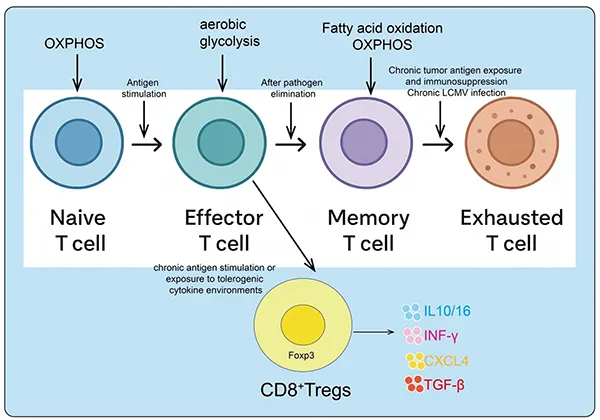
Figure 1. CD8+ T Cell Depletion
3.2 Immune Checkpoint Modulation: Exploring Immune Balance and Evasion
The magnitude of an immune response hinges on a dynamic balance between activating and inhibitory signals. Immune checkpoint molecules are pivotal regulatory elements that maintain this balance, and their dysregulation is tightly linked to immunosuppression, tumor immune evasion, and chronic inflammation. Using functional antibodies to block inhibitory checkpoint pathways enables researchers to monitor changes in T cell activation and response magnitude, thereby deciphering the regulatory functions of distinct checkpoint pathways.
Beyond the classic PD‑1/PD‑L1 axis, targets such as CTLA‑4 and TIGIT have gained significant attention. Functional antibodies against these targets facilitate comparative studies across distinct immunosuppressive pathways, helping researchers clarify how individual checkpoints differentially regulate T cell activation, exhaustion, and tumor immune escape.
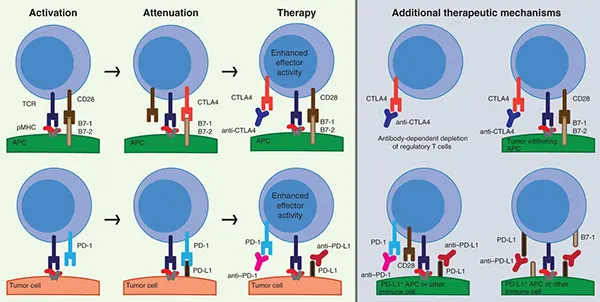
Figure 2. Schematic of the molecular mechanisms of action of CTLA4 and PD‑1 blockade
3.3 Costimulatory Pathway Modulation: Unraveling Immune Activation Dynamics
Effective immune cell activation depends not only on antigen recognition signals but also on costimulatory signaling, which is essential to initiate, sustain, and amplify immune responses. Costimulatory molecules such as CD28, CD40, 4‑1BB, and NKG2D broadly participate in T cell and NK cell activation, proliferation, and survival.
By modulating costimulatory pathways using functional antibodies, researchers can actively manipulate signaling activity and observe downstream effects on immune cell function and systemic immune responses. This approach unlocks mechanistic insights into distinct costimulatory signals and their synergistic interplay, offering novel strategies for studying immune activation and designing anti‑infective or anti‑tumor therapies.
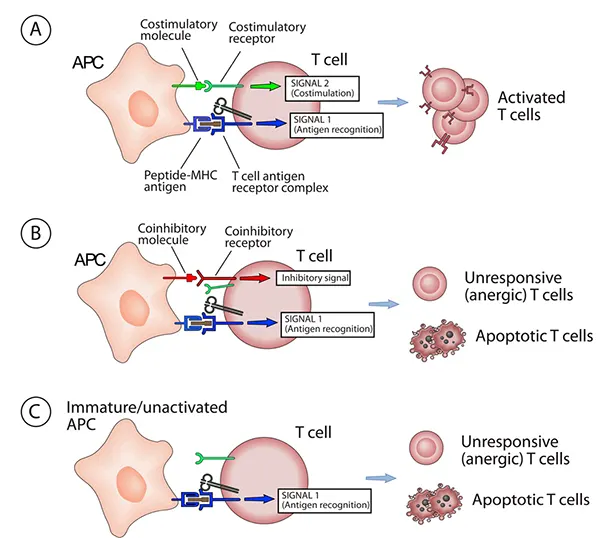
Figure 3. Influence of costimulation and coinhibition on T cells
3.4 Cytokine and Chemokine Pathway Modulation: Interrogating Microenvironmental Regulation
Cytokines and chemokines act as primary signaling mediators within the immune microenvironment, coordinating cell recruitment, differentiation, activation, and inflammatory cascades. They represent crucial molecular bridges governing cross‑talk between immune cells and their local environment. Distinct target molecules correspond to specialized regulatory roles spanning immunosuppression, inflammatory activation, and cell trafficking.
These targets span diverse immunological processes, including type I interferon signaling, immune suppression, inflammatory cascades, and cell recruitment. For example, IFNAR1 modulates type I interferon pathways, IL‑10R mediates immunosuppression, while CCL2 and CCR3 direct immune cell migration and recruitment. Functional antibodies targeted against these factors enable precise pathway intervention, empowering researchers to dissect microenvironmental networks and evaluate remodeling mechanisms in inflammatory, infectious, and tumor microenvironments.
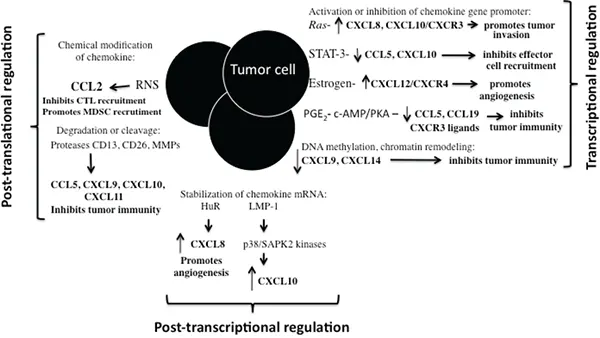
Figure 4. Mechanisms employed by tumor cells to regulate chemokine expression in the tumor microenvironment.
4. Critical Considerations in In Vivo Functional Antibody Studies
Compared to routine in vitro analytical assays, in vivo functional intervention experiments are inherently more susceptible to biological variables, requiring comprehensive analysis across multiple experimental parameters. Factors such as the intrinsic biological properties of the target, the binding affinity and functional characteristics of specific antibody clones, and the inclusion of appropriate experimental controls directly impact data reliability and conclusion validity. Therefore, when planning in vivo studies, researchers must select functional antibodies tailored to their specific animal models, research goals, and target biology, while implementing rigorous experimental designs to eliminate non‑specific interference and ensure scientific rigor.
5. Conclusion
The continuous evolution of immunology research is driving a paradigm shift from traditional phenotypic screening and descriptive observation toward precise functional dissection and mechanistic validation. Detection antibodies establish the data baseline for immunological studies, whereas in vivo functional antibodies deepen research capacity by providing essential in vivo tools for target validation, effectively bridging the gap between phenotypic observations and underlying regulatory mechanisms.
When research requires elucidating mechanisms of action, observational phenotypic data alone must be complemented by functional intervention to gather definitive evidence. With their unique ability to modulate biological systems in vivo, functional antibodies bridge the gap between immune phenotypes and functional mechanisms. They enable scientists to transcend correlational analyses and comprehend the true functional impact of immune cells, signaling pathways, and microenvironmental factors under real physiological conditions—providing an indispensable toolkit for modern mechanistic immunology.
abinScience InVivo Plus Research Tools
To support diverse in vivo immunology research needs, we offer high‑quality InVivo Plus functional antibodies covering a broad range of targets. These tools are optimized for key in vivo applications including cell depletion, immune checkpoint modulation, costimulation, and cytokine/chemokine pathway intervention.
| Cat. No. |
Product Name |
| MF998109 |
InVivo Plus Anti‑Mouse CD4 Antibody (GK1.5) |
| MF815109 |
InVivo Plus Mouse CD8 alpha Antibody (2.43) |
| MP500109 |
InVivo Plus Anti‑Mouse Ly‑6G/Gr‑1 Antibody (1A8) |
| MS870209 |
InVivo Plus Anti‑Mouse PD‑1 Antibody (29F.1A12) |
| MV974029 |
InVivo Plus Anti‑Mouse PD‑L1/B7‑H1 Antibody (10F.9G2) |
| MB651209 |
InVivo Plus Anti‑Mouse CTLA‑4 Antibody (9D9) |
| MC336209 |
InVivo Plus Anti‑Mouse 4‑1BB/TNFRSF9/CD137 Antibody (3H3) |
| MB782109 |
InVivo Plus Anti‑Mouse CD40/TNFRSF5 Antibody (FGK45) |
| MS856019 |
InVivo Plus Anti‑Mouse IL‑17/IL‑17A Antibody (BZN035) |
| HY280019 |
InVivo Plus Anti‑Human/Mouse/Rat CCL2/MCP1 Antibody (2H5) |
Click here to view InVivo antibodies and InVivo Plus antibodies
References
- [1] Laumont CM, Nelson BH. B cells in the tumor microenvironment: Multi‑faceted organizers, regulators, and effectors of anti‑tumor immunity. Cancer Cell. 2023 Mar 13;41(3):466‑489. doi: 10.1016/j.ccell.2023.02.017. PMID: 36917951.
- [2] Bournazos S, Corti D, Virgin HW, Ravetch JV. Fc‑optimized antibodies elicit CD8 immunity to viral respiratory infection. Nature. 2020 Dec;588(7838):485‑490. doi: 10.1038/s41586‑020‑2838‑z. Epub 2020 Oct 8. PMID: 33032297; PMCID: PMC7672690.
- [3] McEwan WA, James LC. TRIM21‑dependent intracellular antibody neutralization of virus infection. Prog Mol Biol Transl Sci. 2015;129:167‑87. doi: 10.1016/bs.pmbts.2014.10.006. Epub 2014 Dec 12. PMID: 25595804.
- [4] Wei SC, Duffy CR, Allison JP. Fundamental Mechanisms of Immune Checkpoint Blockade Therapy. Cancer Discov. 2018 Sep;8(9):1069‑1086. doi: 10.1158/2159‑8290.CD‑18‑0367. Epub 2018 Aug 16. PMID: 30115704.
- [5] Gotsman I, Sharpe AH, Lichtman AH. T‑cell costimulation and coinhibition in atherosclerosis. Circ Res. 2008 Nov 21;103(11):1220‑31. doi: 10.1161/CIRCRESAHA.108.182428. PMID: 19028921; PMCID: PMC2662382.
- [6] Gorbachev AV, Fairchild RL. Regulation of chemokine expression in the tumor microenvironment. Crit Rev Immunol. 2014;34(2):103‑20. doi: 10.1615/critrevimmunol.2014010062. PMID: 24940911; PMCID: PMC7191635.


 中文
中文 English
 한국어
한국어 日本語
日本語 Español
 Français
 Русский


